Dwell time is the amount of time a guest stays inside an indoor entertainment center. It is one of the most direct levers on revenue because almost every purchase in a venue happens during the visit: game plays, bowling sessions, food, drinks, birthday add-ons and retail. When a guest stays longer, the venue gets more opportunities to sell, and the average ticket naturally grows.
This guide explains how customer dwell time is measured, why it drives revenue per visitor, and how to increase it through attraction mix, layout, food and beverage, programming and operations. It is written for operators of darts lounges, golf simulators, family entertainment centers, trampoline and arcade venues, and multi-attraction indoor entertainment venues.
Industry research shows a meaningful connection between dwell and spend. One retail study found that when a customer’s dwell time increases by 1%, spending increases by roughly 1.3%. In active entertainment, visits that combine physical play and social interaction typically last two to three hours, compared with roughly 30-60 minutes for traditional passive entertainment. The practical opportunity is large: even reclaiming one hour of idle or waiting time can change what a guest spends.
None of this requires adding square meters. Dwell time is an operating and design outcome, not a building cost. For the wider revenue model, see how to maximize revenue per square meter and our indoor entertainment business plan.
A longer visit creates more chances to sell and changes how a guest mentally values the stay. A family that visits for 90 minutes makes a limited set of decisions: one activity, one snack, one exit. The same family staying for three hours makes a series of decisions: a main activity, a second game, a meal, a drink, a treat, maybe a party add-on. Each additional decision point is revenue.
The food and beverage channel is where dwell time converts most directly. Across family entertainment centers, food and beverage can represent a significant share of total revenue, with many venues reporting that per-capita food and beverage spending reaches roughly 30-40% of total revenue. Longer visits create more natural eating and drinking moments, which is why venues designed for a three-hour stay consistently out-sell venues that let the day end after one activity.
Extended dwell also raises spending behaviour beyond the menu. Guests who are relaxed and absorbed stay in an open, social mood, which makes them more willing to add rounds of play, premium sessions, merchandise or a return booking. This is the "stay, play and spend" effect reported in hospitality research: the longer a guest stays and enjoys themselves, the more they spend and the more likely they are to return and recommend the venue.
You cannot improve dwell time until you can measure it. Start by defining the number that matters most for your model: average visit length, usually in minutes or hours, measured from entry to exit for a paying guest or group.
A useful working formula is: Average Dwell = Total Guest-Minutes / Number of Visiting Groups, where guest-minutes can be estimated from ticket or wristband clock-in/out records, camera heat counts, or loyalty data. If your center uses timed passes, the average dwell is close to the pass window you sell, which is why changing the pass structure changes dwell.
For the link between dwell and floor economics, see how to maximize revenue per square meter.
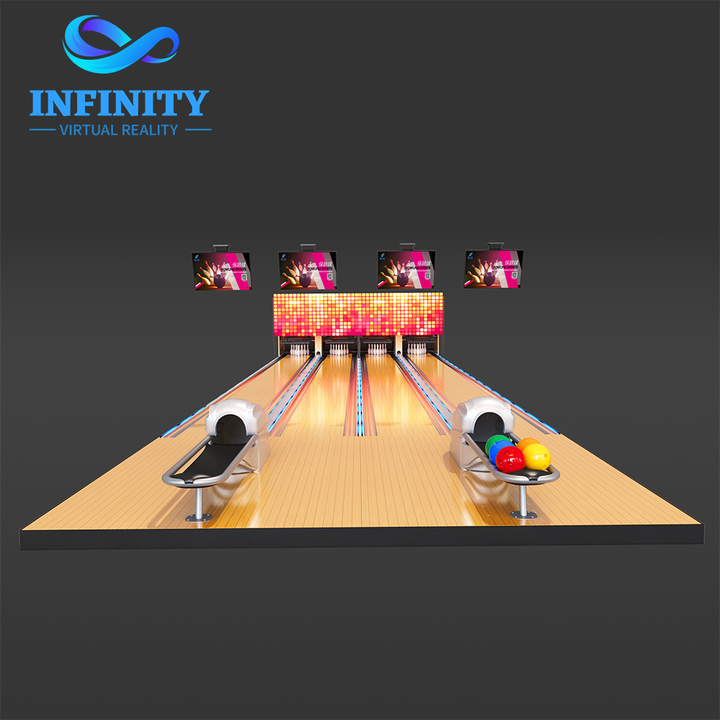
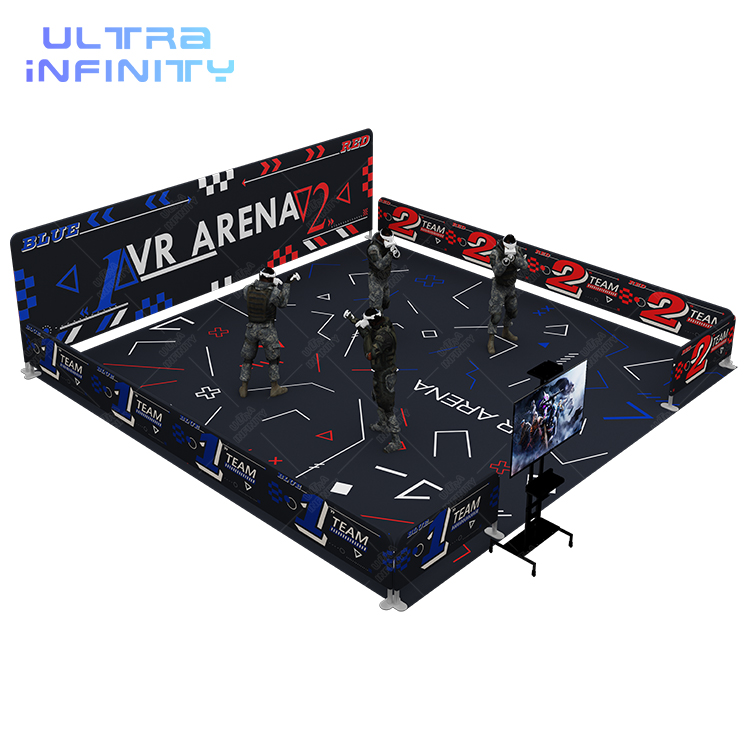
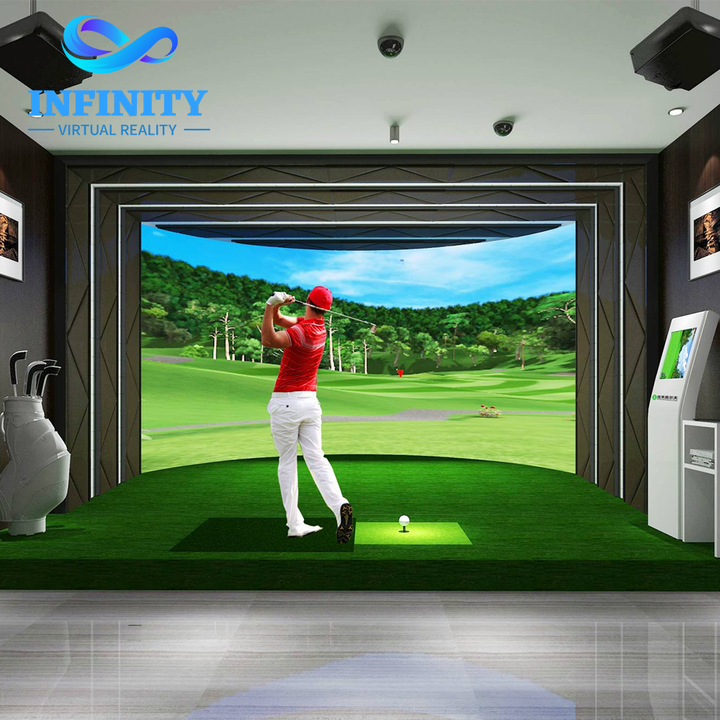
The fastest way to increase dwell is to design a mix of attractions that combine in sequence. A single anchor, such as a string bowling zone, creates one long session but leaves empty time around it. A high-turnover attraction, such as free-roaming VR or indoor golf, creates many short sessions. When you place both together, a guest can finish one activity, walk a few meters, and start another, which naturally stretches the visit.
This is the "flow state" idea used in active entertainment: when activities are absorbing, social and easy to move between, guests lose track of time. For a full discussion of how many and which attractions to combine, see the best attraction mix for a 1,000m2 venue and how to allocate 1,000m2 across bowling, VR, golf and interactive games.
Food and beverage is the single strongest dwell tool because it creates a natural pause in the middle of the visit. A guest who plays for an hour, eats, then returns to play is staying two to three hours instead of one. The key is to make the return feel easy: guests need to know their games or sessions can resume, and the bar or food zone needs to be close but not inside the play lanes.
How much space to give food and beverage is a planning decision with clear trade-offs; see how to allocate F&B space in an indoor entertainment center.
Programming is how you convert empty time into defined, longer visits. Guests who arrive for a league night, a birthday party, or a hosted event stay for a fixed and predictable number of hours, which is more dwell per group than anonymous open play.
Programmed blocks also raise utilization per square meter, which links dwell directly to revenue per square meter. A league night uses the same floor area that would otherwise sit empty on a weekday. For the space and capacity side of the plan, see how much space each attraction needs and 500m2 vs 1,000m2 vs 2,000m2 venue mixes.
Guests leave early for two reasons: they finish what they came for, or the experience becomes inconvenient. The second reason is almost always fixable, and it costs nothing to correct. Long queues, unclear wait times, and confusing layout quietly end visits before a guest has fully decided they are done.
Hospitality research on queues shows that reclaimed waiting time is pure recovery: the minutes a guest wastes standing in line are minutes they are not spending, and fixing them adds both dwell and satisfaction. For the operational side of keeping guests moving through your floor, see sports entertainment solutions.
Families are the highest-dwell customer segment in indoor entertainment because a family visit depends on keeping everyone engaged separately and together. When parents, teens and younger children all have something to do, no member of the group signals it is time to leave.
Multi-generational venues report visits lasting two to three hours, compared with 30-60 minutes for single-activity or passive entertainment, because each generation adds its own reason to stay. The mix that achieves this is a planning choice; see how to combine attractions for the whole family if you are still deciding what to install.
Dwell time matters most when it lifts otherwise-empty hours. The goal is to make weekday afternoons, mornings and slow seasons generate visits long enough to cover the floor. Two tools do most of the work: pricing that rewards longer stays, and programming that gives slow hours a reason to fill.
Because off-peak dwell lifts revenue without adding a single square meter, it is a direct route to higher revenue per square meter. See how to turn dead space into revenue for the floor-level version of the same idea.
Dwell time and floor economics are two sides of one equation. Revenue per square meter equals the revenue from each visitor times the number of visitors the floor can hold, and a longer dwell raises the revenue from each visitor across the same hours. A venue that extends its average visit from 90 minutes to three hours can more than double the revenue captured from the same physical space, without any construction.
The practical sequence is: measure average dwell, fix the friction that shortens visits, design a mix that sequences attractions, convert the meal break into a return-to-play loop, and program the hours that are currently empty. Each step is measurable, which means each step can be tested and improved. For the wider planning framework, combine this guide with how to plan attractions, space, pricing and revenue and how to maximize revenue per square meter.
Dwell time is how long a guest stays inside the venue, usually measured from entry to exit for a visiting group. It matters because almost every purchase happens during the visit, so a longer stay means more spending per guest.
Longer stays create more purchase opportunities and keep guests in an open, social mood. Industry research reports a strong link between dwell and spend, including higher food and beverage revenue, more repeat play, and more return visits.
Active, multi-generational venues typically see visits of two to three hours, compared with 30-60 minutes for traditional passive entertainment. If your venue sits below that range, look for friction and missing return-to-play loops.
Most dwell gains come from operations and layout: reduce queues, create a meal break with food and beverage, broaden pass windows, program leagues and events into empty hours, and design a path that moves guests between activities.
Yes. Revenue per square meter is revenue per visitor times the visitors the floor holds. Longer dwell raises revenue per visitor across the same hours, so the same floor earns more without construction.
Measure your current average dwell, fix the queues and entry friction that end visits early, and extend the pass window. These changes cost little and deliver measurable gains before you invest in new attractions.
Dwell time is won in the layout, the mix and the operations. Tell us your available space and target visit length, and our team will help you plan an attraction mix and a customer-flow layout that extends every visit.