Every library needs a job: a headline that draws bookings, a party block that rotates, a habit that retains. The lineup test, the library count that makes sense, and the licensing trap to close in writing.
A multi-sport simulator sells breadth on one sensor stack - that is the published definition of the category. But breadth only earns when each library has a job. The lineup that works assigns every sport one of three roles: the headline that people book by name, the breadth block that makes group parties easy to sell, and the retention sport that pulls the same players back every week. A library with no role is a license fee, not a feature.
The published cross-sport comparison shows why roles matter: baseball, archery and shooting bays earn on completely different curves, and the published bay-hour quotes in the multi-sport material carry the same lesson - a golf bay books at $38 an hour, a duckpin lane at $45, a darts corner near $1,400 a month. The lineup is how you decide which of those curves you want on your floor.
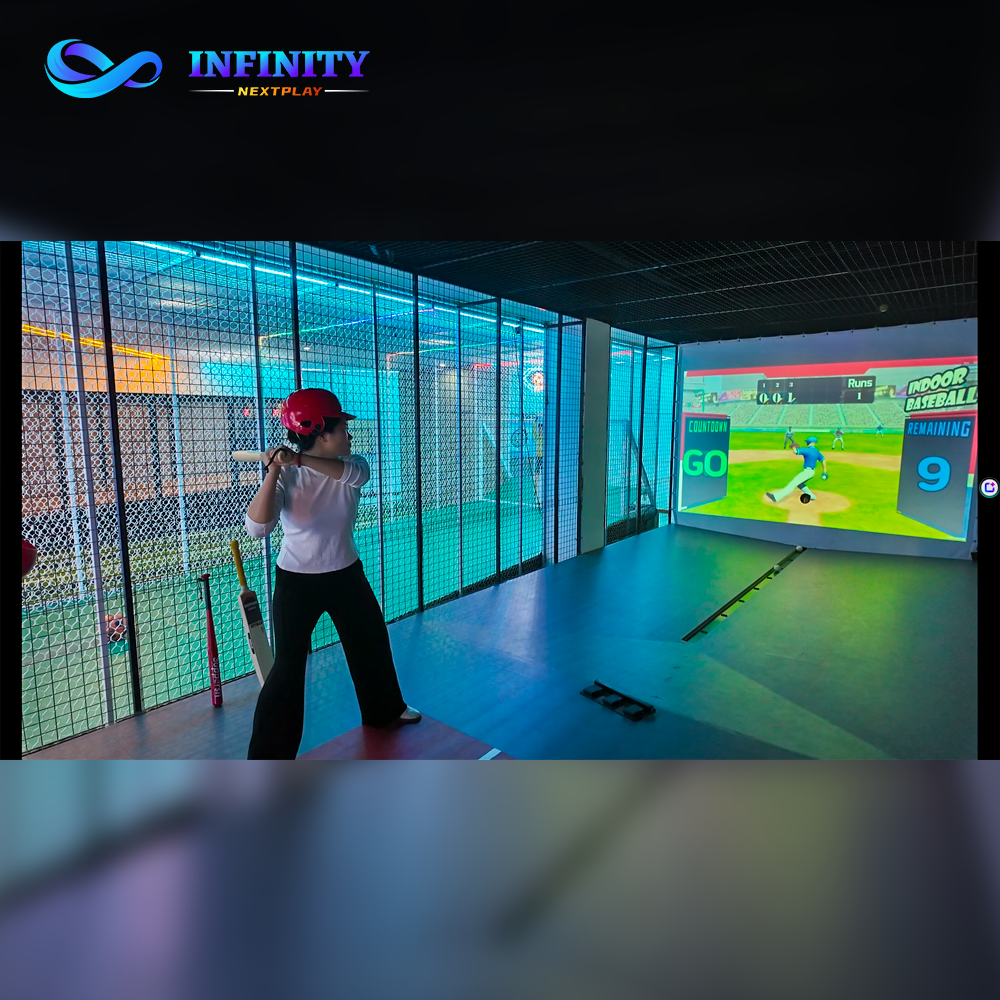
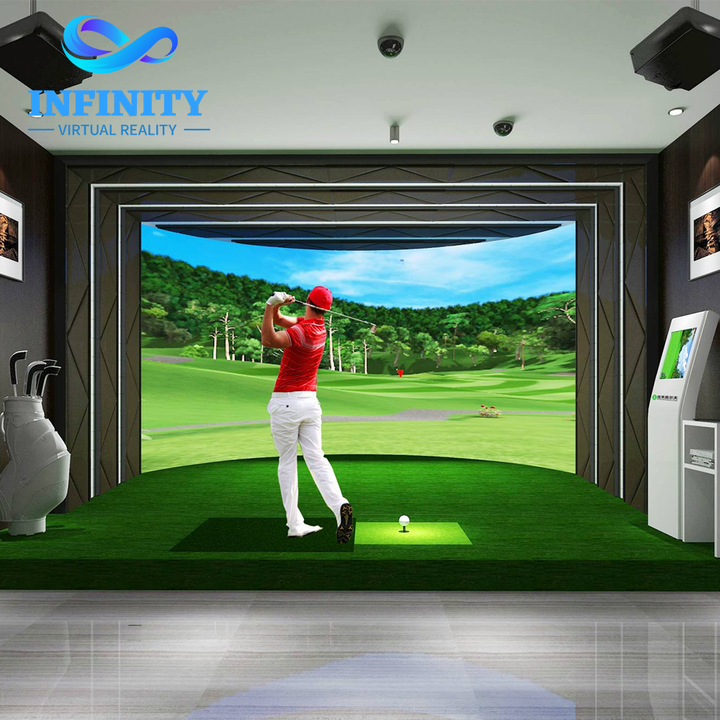
The headline is the sport your market will book by name: golf in most mixed-adult venues, baseball where the sport has a fan base, soccer in football markets. It sets the price ceiling and the marketing message. The published physics guide is the buyer’s guardrail here - ball-flight sports demand the most from the tracking envelope, so the headline sport deserves the deepest hardware test before it headlines.
The breadth block is the party kit: quick-play, low-skill-floor games - soccer challenges, dodgeball variants, carnival-style target sports - that let a birthday group of twelve rotate through in an hour. These libraries rarely headline a price sheet; what they sell is group throughput, and the published zone revenue model prices group hours inside its $5,200-14,000 band.
The retention sport is the league engine: precision, repeatable, scoreable - darts-style play, shooting galleries, putting courses. It fills Tuesday and Wednesday, the trough hours the headline cannot fill. The published stacking cases show the same pattern at room scale, where a dart machine carries the midweek return visit beside bigger attractions.
| Lineup role | What it does | Published example |
|---|---|---|
| Headline | Sets price ceiling, drives bookings by name | Golf $38/bay-hr; baseball depth bay |
| Breadth block | Fills party and group hours, low skill floor | Soccer/dodgeball-style quick play |
| Retention | Fills weekday troughs, builds leagues | Darts ~$1,400/mo corner; $45/lane-hr duckpin |
Count: twelve to twenty libraries cover nearly every real booking pattern for an entertainment venue - one or two headline candidates, six to ten breadth games, three or four retention formats, plus seasonal rotation stock. The constraint is not the catalog size; it is that sessions arrive one hour at a time, so every library you add competes for the same bookable hours.
The licensing trap is the one the published definition guide warns about: ask which sports ship inside the base licence and which arrive as paid add-ons, and what happens at renewal. A quote that reads as twenty sports can renew as twelve. Get the licence map in writing, and price the lineup you will actually run, not the one on the brochure.
Verification finishes the job: after every library update, play one sport per library - the same discipline the published accuracy guide applies to tracking. A library that scores wrong poisons the party that booked it. The software rhythm is a maintenance task, and the maintenance schedule in this family assigns it a monthly slot.
Choose sports by role, test the headline on the real hardware, keep the breadth block rotating and the retention block stable, and get the licence map in writing. The published revenue material rewards the discipline: the zone model pays for booked hours, and a role-assigned lineup is what turns library count into booked hours.
Depth on the hardware side lives in the family: the published definition guide covers the architecture trade-offs, the published revenue test prices multi-sport against single-sport depth, the cross-sport yield comparison shows how differently baseball, archery and shooting earn, and the multi-sport gameplay physics guide explains what tracking does per sport. Test any lineup against the Baseball Batting Simulator, the AR Golf Full Set and the Digital Scoring Q4 spec sheets - the three bay types most multi-sport floors mix.
Anchor the lineup on three roles: a headline sport that draws bookings, a breadth block of quick-play party sports, and a retention sport that brings the same players back weekly. A practical default for an entertainment venue: golf or baseball as the headline, soccer and dodgeball-style games for groups, and darts-style precision play for the league calendar. The published cross-sport comparison prices how differently these categories earn.
More libraries is not more revenue - sessions still arrive one hour at a time. The published definition guide describes the multi-sport value as breadth on one sensor stack, and the revenue model still prices the zone by booked hours. Twelve to twenty well-chosen libraries cover almost every real booking pattern; past that you are paying license fees for sports nobody books.
No, and the published physics and accuracy guides say so directly: ball-flight sports (baseball, golf, soccer) lean hardest on the tracking envelope, precision sports (archery, shooting) lean on scoring resolution. Test the sports you plan to headline on the actual hardware - the lineup that sells is the one whose tracking your customers trust.
The libraries are swappable, which makes the lineup a merchandising tool: add a seasonal sport for a quarter, measure booked sessions, and rotate out what does not sell. Keep the headline and retention roles stable - regulars build habits around them - and treat the breadth block as the rotating shelf.
Sport libraries are licensed, not owned, in many configurations - the published definition guide tells buyers to ask which sports sit inside the base licence rather than sold as add-ons. A lineup that looks affordable at quote time can shrink after renewal terms land. Get the licence map in writing before you build marketing around specific sports.
Indirectly but decisively: the headline sport sets the price ceiling (the published bay-hour quotes run $38 for golf and $45 for duckpin lanes), the breadth block fills party hours, and the retention sport fills weekday troughs. The published zone model turns those filled hours into the $5,200-14,000 monthly band; the lineup decides which hours actually get booked.
Send your market and audience mix: the free 3D layout design returns the bay and library plan - anchored with the Baseball Batting Simulator and the AR Golf Full Set.