Zero staff per bay, one roving technician per three or four bays, one host for the event calendar. The self-service ratio that lands the labor line under the published 15-20% attended band - with the roster math worked.
A multi-sport simulator bay needs no dedicated attendant: the session is sold at a kiosk, the bay scores itself, balls return automatically, and the screen runs the game. That is the format’s core promise in the published definition and ROI material. What the floor needs instead is shared coverage - a roving technician who keeps bays calibrated and a host who appears when the session is a group. The staffing question is therefore not "how many per bay" but "how much shared coverage per room".
The published labor guide gives the frame: attended attractions run 15-20% of revenue in labor, self-play stations run on rounds instead of supervision. A simulator room built around self-service sessions sits at the low end of that band - and on a $5,200-14,000 zone (the published band), the spread between 20% and 10% labor is a meaningful slice of monthly margin.
The technician: calibration throws, filter cleans, the daily rounds from the published care rhythm, and first-line troubleshooting when a library misbehaves. One person covers three or four bays because the work is scheduled rounds, not standing watch. Train one backup - a single-person dependency is the most common failure point operators report.
The host: booked groups above roughly six players, league nights, birthday parties, first-timer safety briefs on high-speed sports. The published case material prices this work where it earns - leagues at $15 per head and parties at $28 per head - and the host is what turns those formats from possible into repeatable. On quiet weekdays the host doubles as floor coverage for the whole attraction mix.
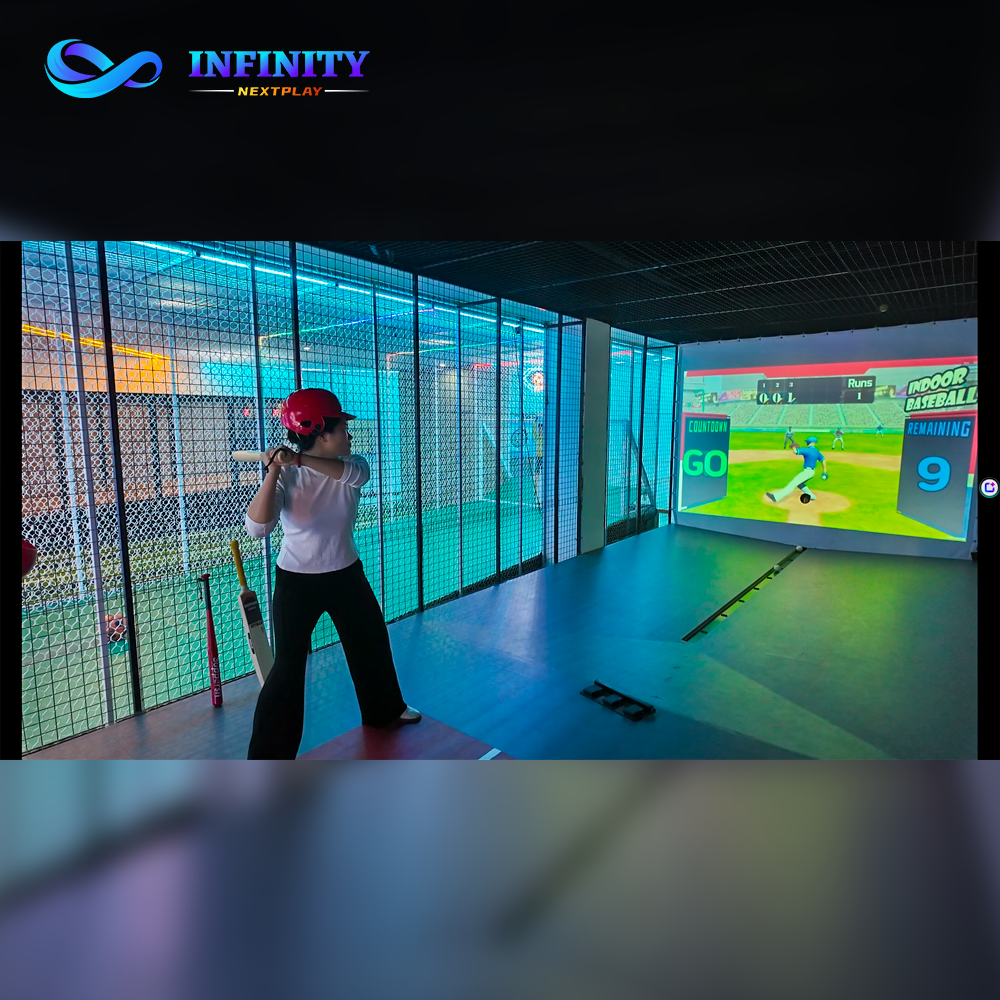
The kiosk flow, which is the third "employee": card readers, session pricing on screen, automatic scoring, and a queue display. Every step moved from staff to kiosk is labor removed from every future session. The published self-service framing on the batting bay is the template - attendants appear for the sale and the group, the machine handles the session.
| Role | Covers | When needed |
|---|---|---|
| Technician (roving) | 3-4 bays: calibration, rounds, first-line fixes | Daily rounds + error calls |
| Host (floor) | Groups 6+, leagues, parties, safety briefs | Booked formats + peak hours |
| Kiosk flow | Walk-in session sale, scoring, queue | Always - replaces per-bay staff |
EXAMPLE planning roster, four-bay zone: one technician on daily rounds (part-time hours cover the published care schedule), one floor host on peak days and event slots, kiosk flow handling walk-in sales. At the published $2,400-per-machine monthly yield, a four-bay room carries roughly $9,600 of bay revenue before event upside; the technician and host hours land the labor line in the low teens of revenue - under the 15-20% attended band, which is exactly where the format is supposed to sit.
Sensitivity: add a fifth bay and the technician round grows by fifteen minutes, not by a shift - the roster scales sub-linearly. Shift the mix the other way (a coaching-heavy room selling lessons on every bay) and the labor line climbs toward the attended band, because instruction is people. The published labor guide prices both shapes; the ratio you choose is a business-model decision, not a staffing accident.
A multi-sport simulator floor runs on zero per-bay staff, one roving technician per three or four bays, one host for the event calendar, and a kiosk flow that sells and scores the session. Built that way, the labor line lands under the published 15-20% attended band - and the margin it frees is what funds the leagues and parties that fill the calendar.
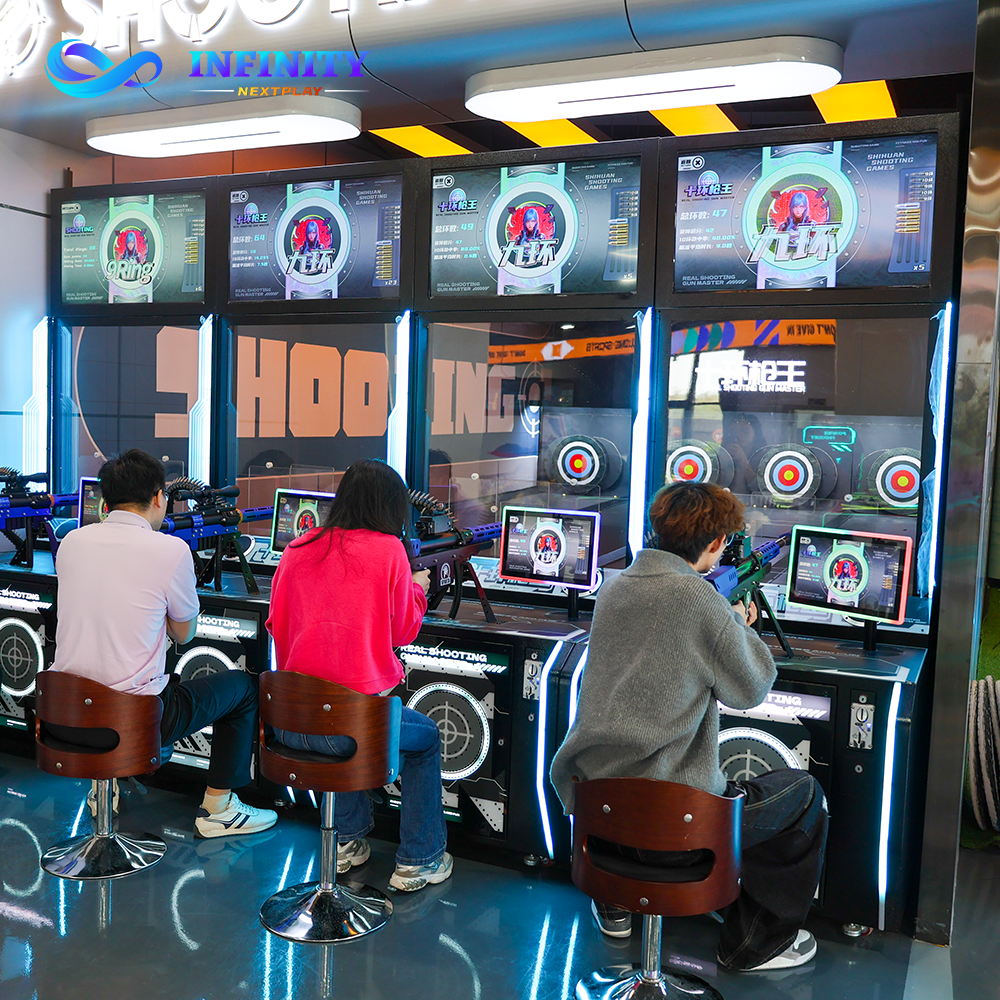
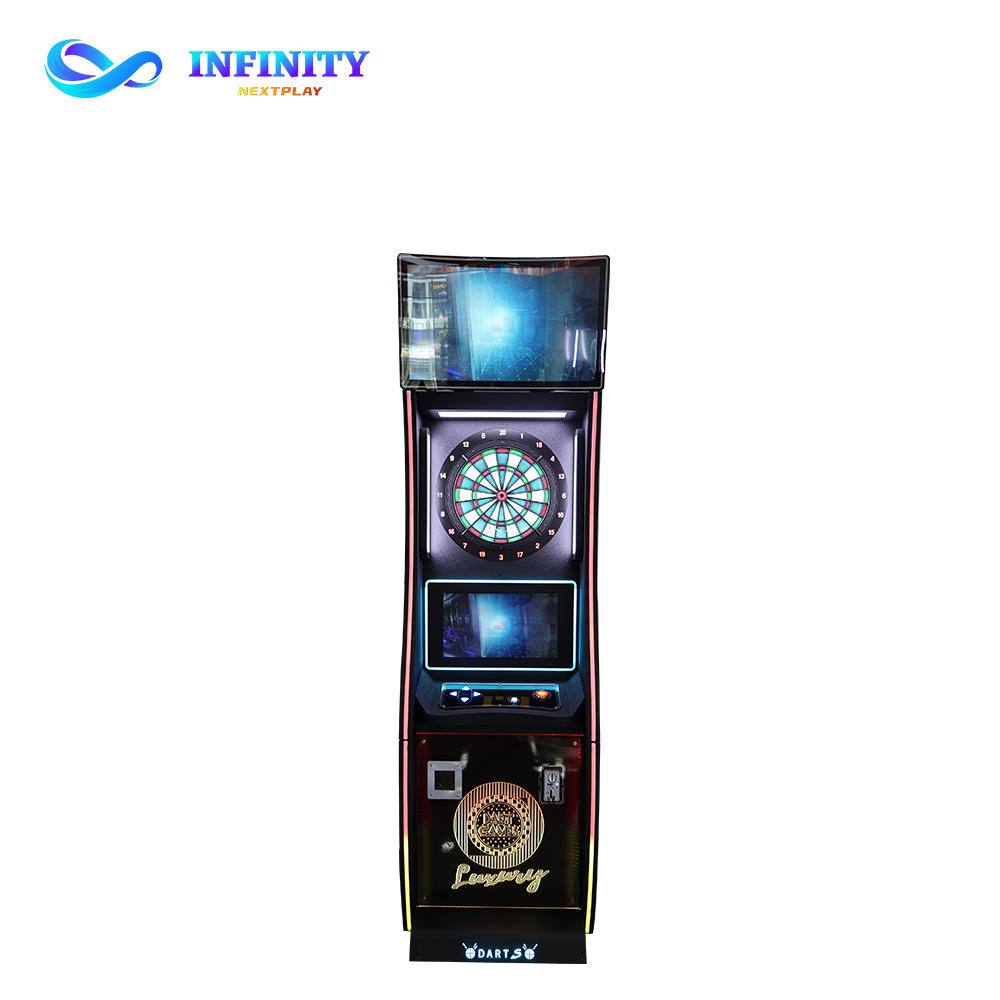
The companions in this family: the published arcade staffing guide prices the hall-wide ratio this bay-level ratio feeds, the zone revenue model shows what the lean roster earns, the zone layout guide places bays so one technician can actually rove, and the walk-in placement guide explains the visibility that reduces supervision. Hardware that fits the model: the Baseball Batting Simulator and Digital Scoring Q4 both run self-service scored sessions, with the Dart Machine X7 as the unstaffed retention anchor beside them.
Zero dedicated staff for the session itself - a multi-sport bay sells scored sessions through a kiosk flow and runs itself once the sale is made. What the bay needs is a share of shared staff: one roving technician across three or four bays, one host when the session is a booked group. The published labor guide puts attended attractions at 15-20% of revenue; the bay design goal is to stay well under it.
The share of sessions that run without a dedicated attendant. The published staffing material splits attractions into attended zones (needing a safety host) and self-play stations (needing rounds, not babysitting). A multi-sport bay built for self-service scored sessions targets roughly 80% or more of sessions unattended, with the host called in for parties, leagues and first-time groups.
Three moments: booked groups above about six players, league and party formats, and the safety brief for first-timers on high-speed sports. Everything else - couples, walk-in pairs, practice sessions - runs on the kiosk flow. The published walk-in placement guide shows the visibility part of this: bays the floor can see need less supervision because problems are seen as they happen.
Sub-linearly, which is the point of the format. One technician covers three or four bays on rounds; one host covers the event calendar across the zone. The published zone model runs four bays inside the $5,200-14,000 band with the labor line held near the self-service floor - add the fifth bay and the roster does not double, because rounds and kiosk flows scale.
The published labor band of 15-20% of revenue is the ceiling for attended formats; a self-service-heavy simulator room runs meaningfully under it. EXAMPLE: a zone grossing $8,000 a month with one shared technician and a weekend host carries a labor line in the low teens of revenue - and every point saved there drops to margin without touching the customer experience.
The same technician who does the daily rounds: the published care rhythm (ten minutes a day per bay, deeper weekly and monthly rounds) is written for one trained person across a 3-4 bay room. Staffing and maintenance are the same headcount on a multi-sport floor, which is one of the format’s quiet cost advantages.
Send the room and the event calendar: the free 3D layout design returns the bay plan and the roving route - anchored with the Baseball Batting Simulator and the Dart Machine X7.