The brief started with an empty concrete shell of about 1000m2 in a mixed retail district and an operator who had learned a hard lesson from a previous venue: a floor led by a single hero attraction produced a violent revenue curve. Weekends filled and made money, weekdays emptied, and the whole fixed-cost base rested on a few peak hours. The operator wanted a venue that earned across a whole week, not just two days.
That requirement framed the whole project. The entertainment center had to stop being a bet on one attraction and become a system of attractions whose revenue streams cover different days, different guests and different dwell times. The design question was never which attraction to buy - it was which mix, in what ratios, and with what circulation, would smooth the revenue curve across the calendar.
This is the gap between buying equipment and planning a venue. A supplier can sell you a bowling lane or a VR arena; a venue plan decides how those assets combine to balance income. Our attraction mix guide for 1000m2 and our empty-space planning guide cover the method that shaped this project.
The strategy converted the one-venue bet into a balanced portfolio of revenue streams, each with a different risk profile and a different role in the week. Instead of asking which single attraction would be the most impressive, the plan asked which combination of streams would keep the venue busy from Monday to Sunday and survive the loss of any one stream.
| Revenue Stream | Role in the Mix | When It Earns |
|---|---|---|
| Admission / session play | The volume base | All day, all week |
| Quick-play and social | The repeat and league pull | Evenings, weeknights |
| Food and beverage | The dwell-linked uplift | Meal and peak windows |
| Parties and group events | The weekday gap-filler | Weekdays, mornings |
The insight was that balance comes from mismatched revenue timings. Admission earns every day but thins out in slow months; quick-play and leagues earn on evenings and keep regulars coming on weeknights; parties and group bookings fill the weekday daytime gaps that walk-in traffic leaves open; food and beverage lifts the value of whichever crowd is actually in the building. No single stream was asked to carry the floor.
The same balance idea shaped spending on the floor itself: capital went into anchors that earned reliably and repeat, while quick-play and social zones earned dense revenue per square meter in the leftover spaces. The composition principle is covered in depth in our per-square-meter format comparison and our revenue-per-square-meter guide.,
The floor balanced three distinctive families instead of one hero: a booked, family-friendly anchor; a premium, group-driven experience; and a dense, social quick-play zone. Each family served a different stream in the strategy table, and each carried a different daypart - so the venue did not lean on any single moment of the week.
Circulation did as much work as the attractions. A single guided loop moved a guest from admission past the quick-play zone to the booked anchors and back through food and beverage, so every passing foot had multiple chances to spend. Dead corners became play, seating sat beside the attractions it served, and queues fed the food and party counters rather than blocking the anchors. Circulation planning is detailed in our customer-flow design guide,
The balance is visible in the numbers the plan was built on. Session play and admission formed the volume base with the largest share of foot traffic; food and beverage rode dwell; quick-play and leagues delivered the repeat; and parties and events filled the weekday slots. Together the mix produced a revenue model where a slow Tuesday was carried by leagues and parties rather than leaving the venue empty. Our package strategy blueprint shows how the streams are packaged at the counter.
The project was evaluated as a model before it was built, not after. On the planned mix, the venue forecast steady utilization across the week rather than a weekend spike, driven by parties and leagues in the weekday windows and by anchors plus food and beverage through the peaks. The balanced mix hedged the operator against the failure of any single stream, and the venue design left room to rebalance the quick-play zone if a later owner wanted to shift spending.
The numbers that mattered were not peak-hour earnings but weekly coverage and revenue per square meter across streams. A mix with mismatched revenue timings smoothed the fixed-cost load, spread risk, and made the 1000m2 floor support a steady model instead of a two-day wonder. This is the difference the case was meant to prove: a balanced attraction mix turns a space into a durable revenue system.
For the operator it also meant de-risking the build. Equipment choices were made against a revenue plan rather than a showroom draw, capital followed the streams with the strongest and most predictable earnings, and growth meant rebalancing proven zones - not gambling on a new hero. Our business plan guide and costing mistakes guide document how that de-risked build is planned.
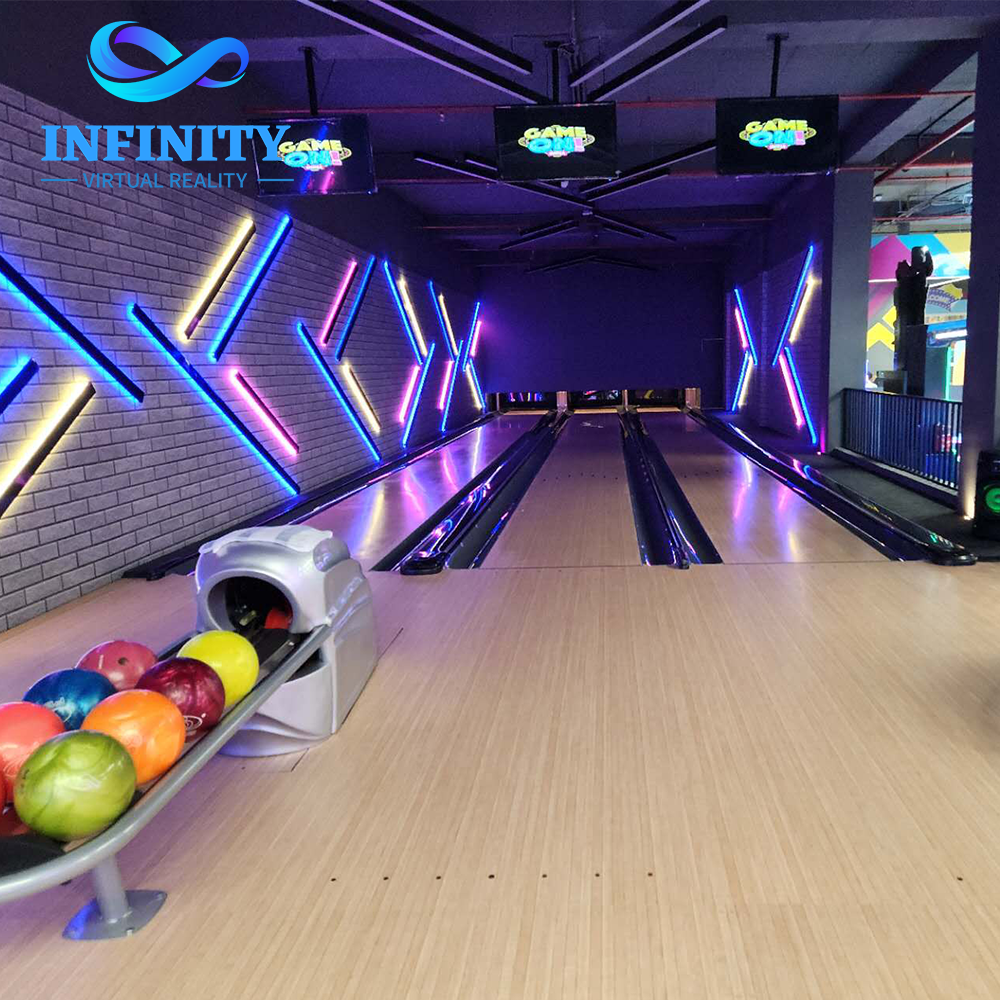
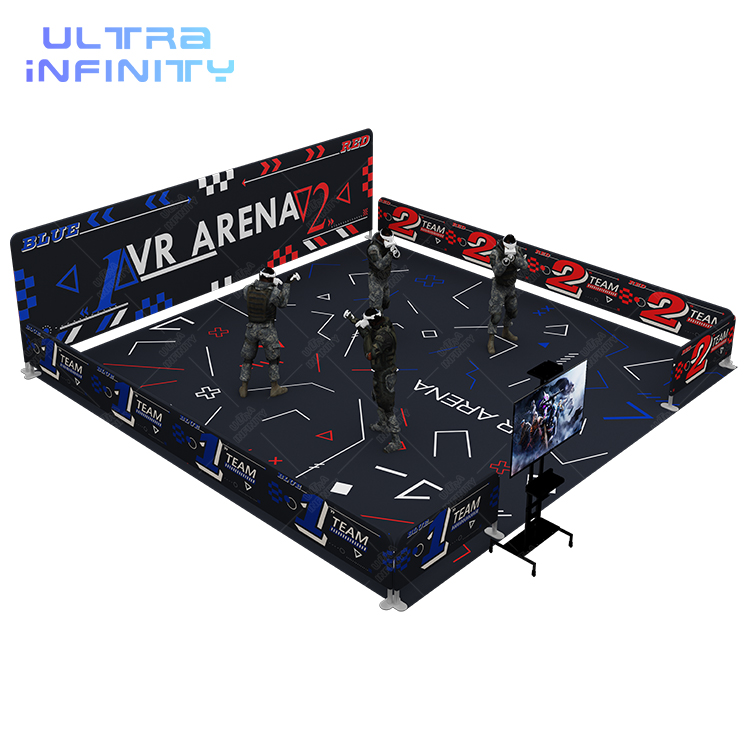
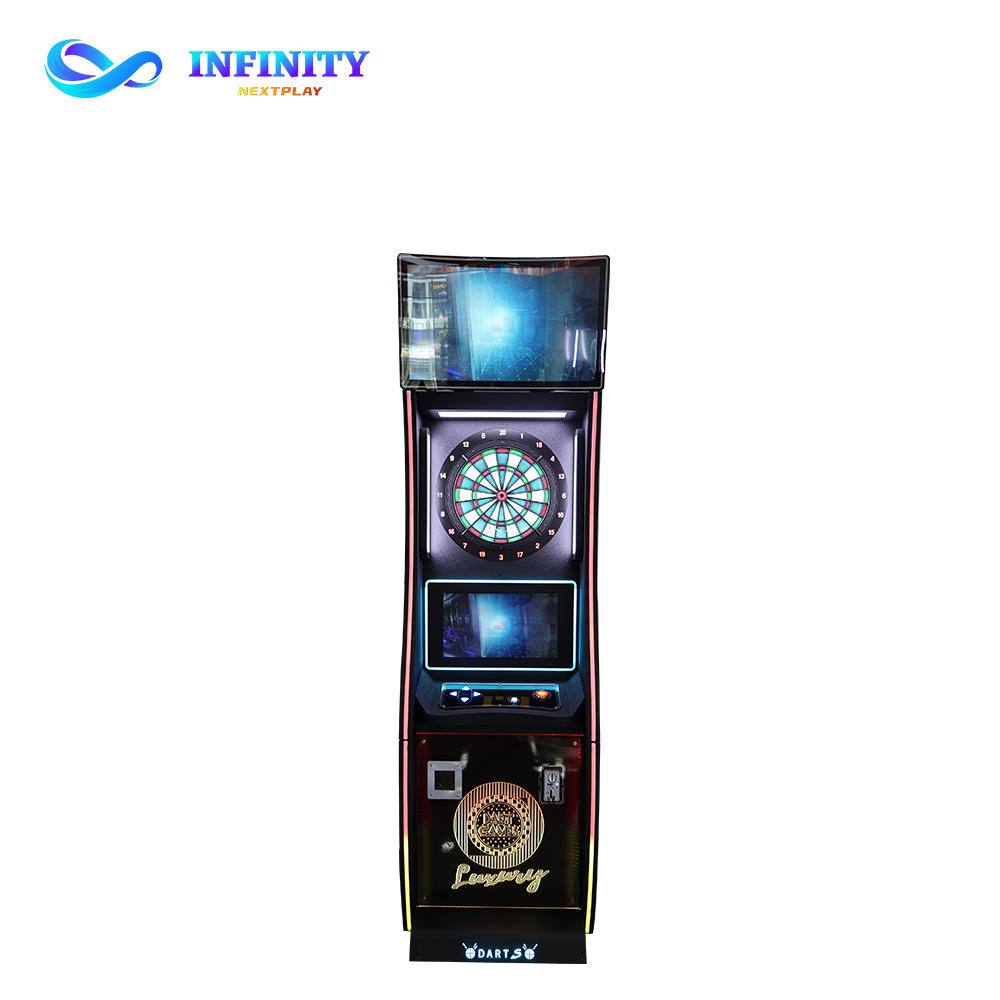
The three attraction families at the heart of this mix are available directly from NextPlay, and the cards below show the units the plan references. A duckpin bowling system anchors the booked, family-friendly stream; a free-roaming VR arena drives the premium group and event experience; and an online electronic dart machine carries the dense, league-driven quick-play stream.
All three are available directly from NextPlay: the duckpin bowling system, the free roaming VR arena 2.0, and the online electronic dart machine X7. Start with the attraction families that carry the streams you want to balance on your own floor.
A single hero attraction creates a violent revenue curve: weekends fill and weekdays empty. A balanced mix spreads revenue across streams with different timings - admission, quick-play, food and beverage, and parties - so the venue earns through the whole week, not just peaks.
One not dependent on any single stream or peak hour. Balanced venues combine a volume base, a repeat pull, a dwell-linked uplift and a weekday gap-filler, so the loss of any one stream does not threaten the fixed-cost base.
A typical balanced mix pairs a booked, family-friendly anchor like duckpin bowling, a premium group experience like a VR arena, and a dense, league-driven quick-play zone like electronic darts. Each serves a different stream and daypart.
A single guided loop moves guests past the quick-play zone, the booked anchors and the food and beverage counters, so every passing foot has multiple chances to spend. It turns dead corners into play and feeds queues to the right counters.
Yes, balance de-risks the build. Choosing equipment against a revenue plan rather than a showroom draw, and designing growth as rebalancing proven zones, produces a steadier model than betting on one hero attraction.
Tell us your floor, your audience and your revenue goals. Our team helps you balance the attraction mix, design the circulation and start with a free 3D layout of your space.