An indoor entertainment venue earns its money twice: once when a guest walks in, and again when that guest comes back. The second sale is the one that decides whether the business clears its fixed-cost base. A walk-in-heavy venue spends relentlessly on attracting new guests, then lets each one drift away, while a venue that builds a repeat base spends once to acquire and many times to collect. Retention is not a loyalty side project - it is the operating model.
Industry planning references put admissions at roughly 40% of the typical FEC revenue mix, with other play, food and beverage, and parties filling the rest. Most of those streams rise with repeat visits: a return guest buys admission again, plays more, buys food and may book a party. The strongest lever on a venue that is not growing is not a cheaper new attraction - it is getting the existing customer base through the door more often. Our repeat visit guide covers the mechanics in detail.
Two pricing models shape how that repeat frequency happens: pay-as-you-go and membership. They are often framed as a choice, but in practice they reward different behaviors, different guest segments and different venue formats. This guide compares them on retention behavior, cash flow and fit, then shows the hybrid most operators should run.
Pay-as-you-go charges the guest per visit, per game or per hour with no upfront commitment. It is the default, and it fits the social, spontaneous energy of a game floor: a pair of friends drops in on a date night, a family wanders in on a weekend, nobody signs a contract. For quick-play attractions like darts, archery and simulators, per-game pricing matches how people actually buy at a counter.
Its retention strength is low friction. There is no barrier to trying the venue, so the first-visit conversion is easy, and there is no expiry pressure that punishes the guest for showing up late in the month. Its retention weakness is equally clear: the model gives the guest no reason to return. A one-visit customer is acquired by marketing spend, captured once, then lost; the venue must re-spend to re-capture the same person, which is the most expensive retention strategy in the building.
Pay-as-you-go drives repeat well when the social pull is strong - a league, a running tournament or a standing group night. Think of an online dart machine with global leaderboards: the recurring reason to come back is the competition itself, not the pricing model. In those zones, pay-as-you-go is the right tool because the attraction carries the retention. Our session pricing guide and per-square-meter format guide show how per-game pricing fits a mixed floor.
Membership trades an upfront or recurring fee for committed value - stored play credit, priority access, member pricing or bundled inclusions. Where pay-as-you-go sells one transaction, membership sells an ongoing relationship, and the guest who has already paid in advance is far more likely to come back and redeem that value. That is the true revenue effect of a membership program: it converts a one-time acquirer into a base with a resting balance in the venue.
A well-run membership makes repeat frequency structural. A family that buys a monthly family pack has already decided to return before the visit happens, whereas a pay-as-you-go family must re-decide every single time. Planning references note that loyal, repeat guests typically visit several times more often and spend meaningfully more per visit than a first-timer, which is why operators describe the member base as the spine of predictable weekly revenue.
Membership also carries real costs and risks. It adds a billing and redemption layer, it concentrates revenue on guests who may redeem slowly or not at all, and it can penalize the spontaneous guest who simply wanted a one-off night. An over-heavy membership push can also hollow out pay-as-you-go traffic that pays a premium for flexibility. The key is to run membership as an addition that deepens the strongest segments, not as a replacement for impulse play.
Comparing the two models comes down to a handful of numbers: acquisition spend, first-visit conversion, repeat frequency, per-visit spend and revenue predictability. The table below lays them out honestly, so the choice is made on behavior rather than on which model sounds more modern.
| Dimension | Pay-As-You-Go | Membership |
|---|---|---|
| First-visit friction | Low - no commitment | Higher - must see membership value |
| Repeat frequency | Driven by the attraction pull | Structural - pre-decision to return |
| Revenue predictability | Low - depends on walk-in | High - committed stored value |
| Per-visit spend | Flexible, guest-led | Lifted by redeeming bundles |
| Best guest segment | Social, spontaneous | Families and frequent regulars |
| Best venue format | Quick-play, leagues, social | Anchor-led FEC and premium |
| Key risk | Expensive re-acquisition | Billing, churn, redemptions |
The honest read is that neither model is globally better - they optimize different goals. Pay-as-you-go maximizes flexibility and first-visit conversion at the cost of predictable repeat revenue. Membership buys repeat frequency and predictable revenue at the cost of friction and a billing overhead. The winning answer for most venues is not one or the other but a deliberate blend that lets each segment pay the way it actually behaves. Our membership vs packs math develops the numbers on a single site.
The strongest retention model in an indoor entertainment venue is a hybrid: a membership layer for the repeat-prone segments - families, leaguers and premium regulars - sitting on top of a pay-as-you-go floor that keeps the door open to spontaneous guests. The membership provides the predictable base; the pay-as-you-go floor provides the discovery and the social energy. Neither cannibalizes the other when the value is attached to different guests.
The division follows the mix. Anchor-led attractions such as bowling and VR, which are premium and booked ahead, lend themselves to member packages and stored value. Quick-play zones such as darts, archery and simulators suit per-game pay-as-you-go, because their retention is carried by social competition - a league or a running tournament - rather than by a billing contract. Pricing the two zones differently lets each model fit its own behavior.
The sequence matters as much as the model. A venue that launches a paid membership before it has a repeat-ready floor and a members-only value story will see churn. One that builds the attractions, lets pay-as-you-go establish a customer base, then layers membership on the most frequent segments compounds the numbers. Our repeat visit guide and package blueprint walk through the launch order on a real floor.
The pricing model is only as strong as the attractions it prices. Three product families fit the hybrid pattern above - one anchoring member-driven premium play, one carrying league-driven quick-play, and one bringing the premium repeat appeal. The cards below show the units referenced across this guide.
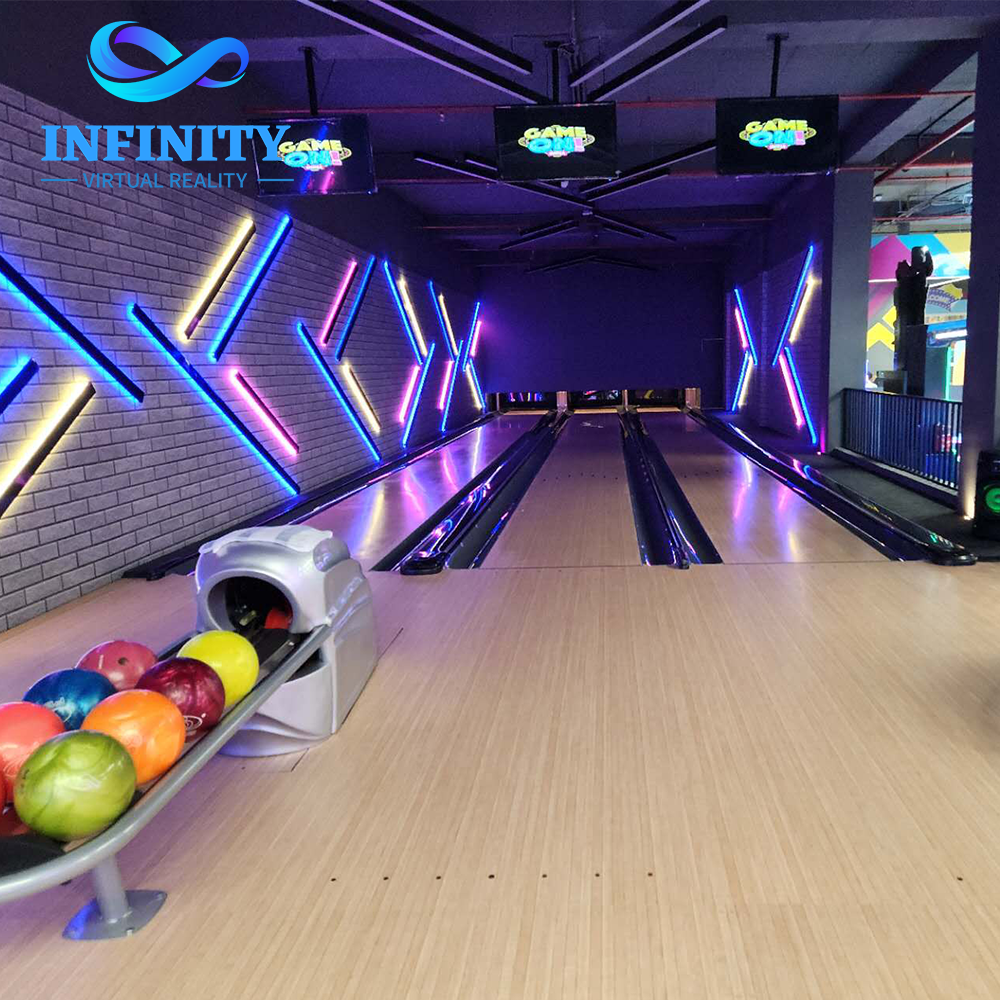
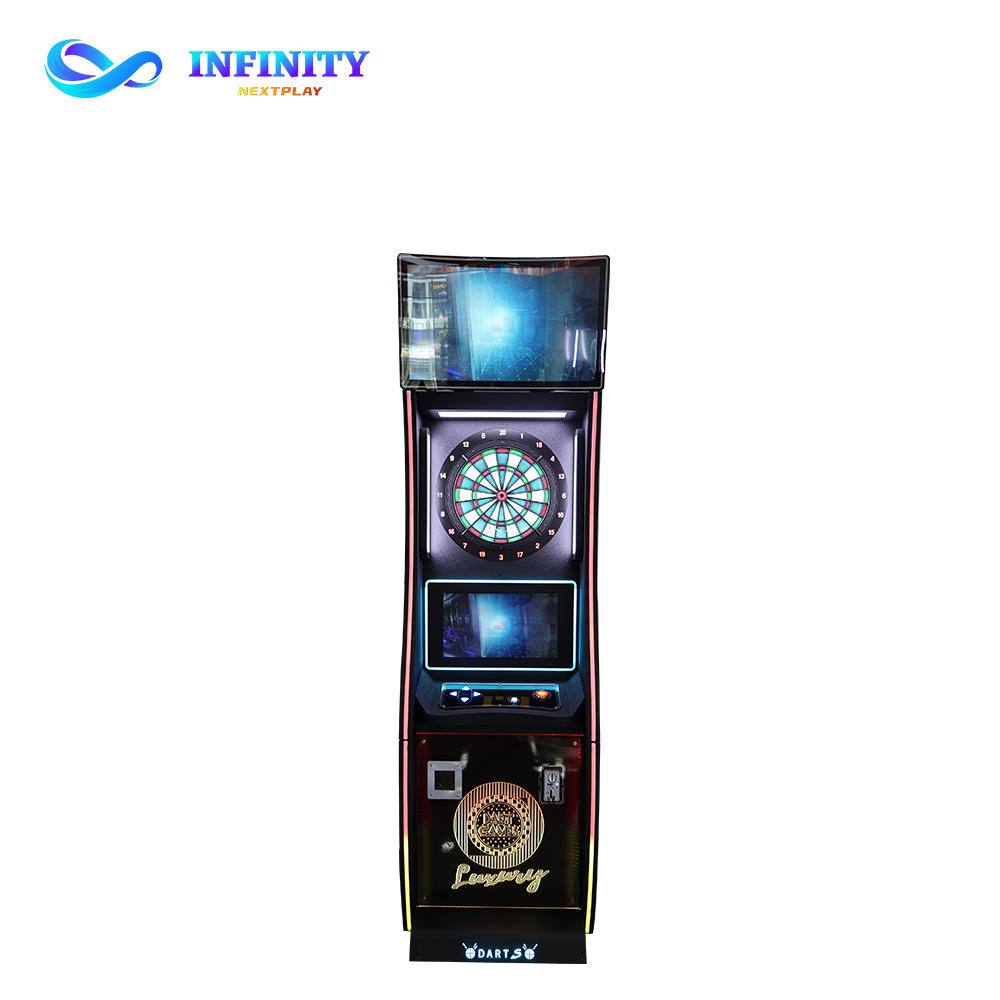
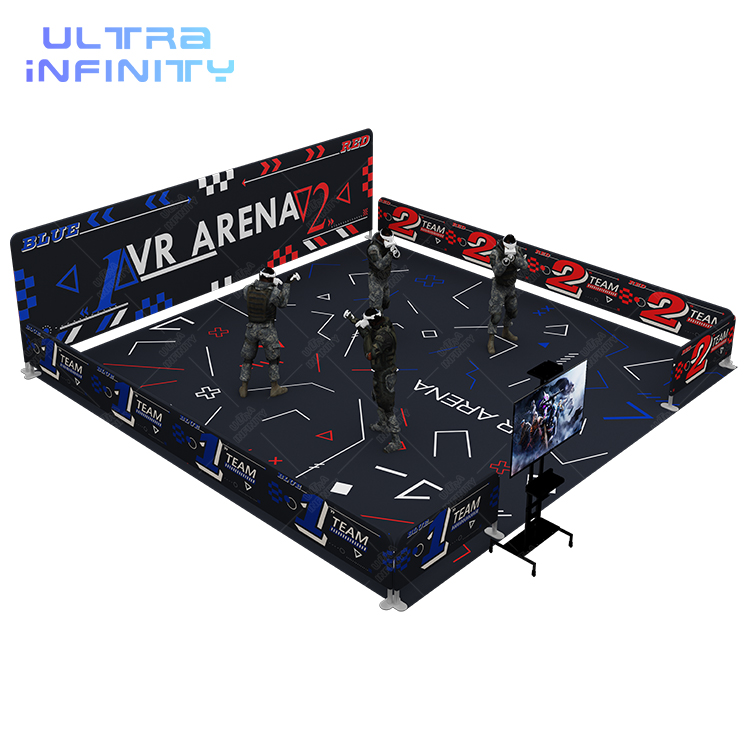
A duckpin bowling system anchors the membership story: premium, booked and natural for stored-value bundles, with family appeal that makes it the members-to-be hub. An online electronic dart machine anchors league-driven pay-as-you-go, where the recurring reason to come back is the leaderboard and the competition. A free-roaming VR arena brings the premium, repeat-pull experience that justifies a members-only tier. Together they span the two halves of the hybrid in one deliberate mix.
All three are available directly from NextPlay: the duckpin bowling system anchors the membership bundle, the online electronic dart machine X7 anchors league quick-play, and the free roaming VR arena 2.0 carries the premium repeat tier. Start with the anchor that matches the segment you want to retain first.
Start pay-as-you-go to build the customer base and discover which guests repeat, then layer membership on the most frequent segments. Leading with a paid membership before you have a repeat-ready floor causes churn.
Members reward stored value by redeeming it across streams - admission, play, food and beverage - which raises average spend per visit compared with a one-off guest. Repeat members also buy bundles and book parties more easily.
Repeat guests visit several times more often and typically spend meaningfully more per visit, and they no longer require acquisition spend. Over a year a retained base contributes revenue that marketing alone cannot cost-effectively replace.
Yes, and most successful venues run a hybrid: membership for the repeat-prone families and premium regulars, pay-as-you-go for quick-play and spontaneous social traffic. The two serve different segments and strengthen each other.
No. Booked anchors like bowling and VR suit stored-value bundles, while quick-play like darts and archery suits per-game pay-as-you-go, where leagues and leaderboards carry the repeat pull. Price each mix to its own behavior.
Tell us your floor, your mix and the guests you want to bring back. Our team helps you choose the pricing model, design the attraction mix and start with a free 3D layout.