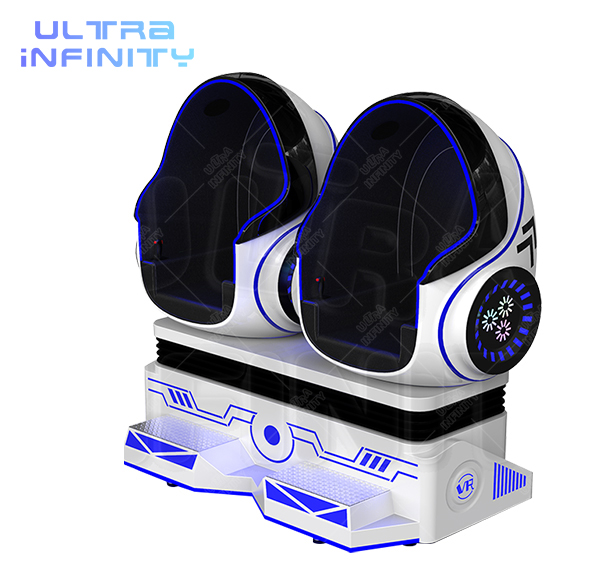
The operating lever list behind the published $130-320 daily band: placement, pod economics, content rotation, the rate card, waiting-line monetization and uptime discipline - ranked, anchored and sequenced into a compounding loop.
The published band - $130-320 per chair per day - is not a setting; it is an outcome. Six levers move a chair up or down that band: where it stands, how many share the pod, what the content rotates, what the rate card offers, what the waiting line earns, and how often the seat is actually up. This guide is the lever list in operating order, each with its anchor: the demand model in the published daily-revenue guide, the rate card in the published pricing guide, the pod plan in the published space guide, and the fleet economics in the published fleet-scaling guide.
The anchors, so every lever has a home: the published $6-12K unit and $130-320 daily band; the 5-8 minute cycle peaking at 6-9 rides an hour; the karting heat's $6-9 comparator; the grid's $80 per 15 minutes; the spectator-side +30% lift; and the 60-70% rematch pattern. Planning assumptions, stated in one place: the lever rankings below are an EXAMPLE frame for a small-to-mid venue running one to five chairs - an arena-led floor should re-rank fleet and content higher.
Lever one, placement, is the free one: the queue-adjacent, counter-facing, corridor-end positions convert captive minutes - the three-layer zone plan (footprint, queue, rotation clearance) in the space guide is the method, and the ceiling-and-power checklist keeps the vertical envelope legal. Lever two, the pod, buys shared economics: staff attention, content licensing and the hygiene point spread across seats - the fleet guide's one-to-five curve - and the 50-square-meter count sizes the room. Lever three, content rotation, converts the rematch: themed missions and seasonal refreshes give past riders a dated reason to return, at a refresh-line cost rather than new hardware.
| Lever | Cost to pull (EXAMPLE frame) | What it moves | Anchor (published) |
|---|---|---|---|
| Placement on waiting lines | Floor plan revision - free | Rides/day toward the band's top | Spectator +30% geometry |
| Pod of 3-5 seats | Per-seat $6-12K units | Shared costs, group rides | Fleet-scaling economics |
| Content rotation | Refresh line, no new hardware | Rematch and return visits | 60-70% rematch pattern |
| Rate card ladder | Printing and scripting | Per-ride yield | Karting $6-9 heat comparator |
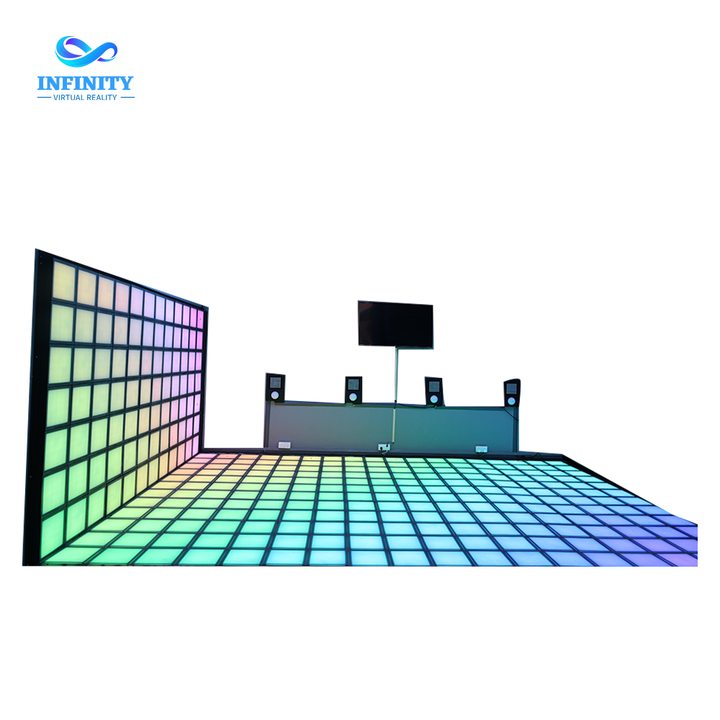
| Waiting-line monetization | Routing and one screen | F&B and grid revenue | Grid $80/15-min, queue playbook |
| Uptime discipline | Maintenance line | Every ride the calendar books | What-breaks guide checks |
The lever interaction is the compounding argument: placement feeds demand to the pod, the pod funds the content rotation, the rotation justifies the premium rung on the rate card, the rate card pays for the maintenance line that keeps the seat up - a loop, not a list. The published revenue-leak audit is the tool that finds which loop link is broken first.
The rate card lever was built in the pricing guide - the $6-10 band, the three-rung ladder, the dark-hours bundles - and its revenue job is yield: same rides, better mix. The waiting-line lever is spatial: route the queue past the counter (the published queue playbook), park the grid beside it, and let the screen facing the line sell the next ride - the line becomes the pod's second register. Uptime is the silent lever: the published what-breaks guide's checks (actuators, hygiene, harnesses) and the ceiling-and-power circuit specs keep the seat selling every booked hour - a dark chair earns exactly zero of its band.
Concrete scenario (EXAMPLE): a three-chair pod at mid-band demand (20 rides/day per chair at $8) books $4,800 monthly; pull the placement and waiting-line levers and demand trends toward the band's top (+30 rides/day across the pod); add the grid's $80 per 15 minutes beside the line and the pass take-rate the ladder converts - the pod's monthly line stretches toward $6,500-7,500 in the frame, against cost lines the ROI calculator budgets at $800-1,500 per chair. These are planning references, not promises - the sensitivity table in the calculator shows the downside case with equal honesty.
Who it is for: the operator already running chairs and leaving band-width on the table - the lever audit takes an afternoon and the placement lever costs a floor plan mark. It is equally the pre-purchase checklist: the buyer who reads the six levers before the first chair buys the pod in the right order, the sequencing the setup-cost guide and the calculator stage.
Where it fits: the lever list closes the egg-chair series - the daily model measured the band (1568), the calculator defended it (1569), the cost stack itemized it (1570), the comparison sequenced it (1571), the space plan located it (1572), the rate card priced it (1573) - and this guide operates it. Close the loop the practical way: audit the six levers this week, pull the free one first, and let the counter data rank the rest.
Placement. Moving a chair onto the anchor's waiting line converts captive minutes the seat was never seeing - the same geometry the published spectator study prices at +30%. It costs nothing but a floor plan revision, and it compounds with every other lever.
Almost, then yes: a pod shares staff and content costs across seats, and the fleet guide finds uptime economics improve from one chair to five. Beyond footfall's demand band, though, extra chairs park idle - scale to the 12-30 rides per position band, not to the wall.
It converts the rematch: themed missions and seasonal content give past riders a dated reason to return, and the 60-70% rematch patterns published in bigger formats apply at seat scale. Rotation costs a content refresh line, not new hardware.
Uptime is revenue: the published what-breaks guide's checks - motion actuators, headset hygiene, harness wear - keep the seat selling. One dark Saturday from a failed actuator erases a month of careful pricing; the maintenance line is the cheapest insurance the budget carries.
Route it past the counter (the published queue playbook), park a grid room beside it ($80 per 15 minutes, published), and let the spectator-facing screen sell the next ride - the waiting line is the pod's second revenue stream, not dead time.
Placement and uptime first - they are free to cheap - then the pass and the weekday bundle, then fleet growth only when the counter data defends it. The scenario bars in this guide rank the levers on a realistic small-venue frame.
Send us your pod layout and counter data: we will return the lever ranking and the uplift scenario through the free 3D layout design - anchored with the VR Egg Chair, the VR Motorcycle Simulator and the Infinity Grid LED Game.