The itemized stack behind the published $6-12K unit: freight, install, site prep, spares and signage - tiered by venue size from a single lobby chair to a five-seat row, with the four monthly operating lines budgeted before they surprise the payback.
The published unit price for a VR egg chair runs $6-12K, and the first buyer question is always the same: what does it actually cost to open one? The honest answer is a stack, not a sticker - unit, freight, install, site prep, and the small hard items (spares kit, signage, payment integration) that separate a delivered box from a revenue seat. This guide itemizes that stack by venue size tier, states which lines are published anchors and which are worked frames, and hands the total to the published ROI calculator so the purchase price turns into a payback case.
The comparator set brackets the spend: karting opens at $18-28K with $3.8-5.5K monthly OPEX (published), duckpin at $40-48K, battleship at $48-68K - and the chair is the motion family's entry point, which is precisely its sales argument to cautious buyers. The experience being purchased is the published closed-capsule ride guide's subject; this guide prices the box it comes in.
Line one is the unit itself: the published $6-12K band, which typically includes the motion capsule, its headset, the content library and basic commissioning. Line two is freight - distance- and access-dependent, a few hundred to low four figures in the frame. Line three is install labor: positioning, leveling, calibration and a test day. Line four is site prep: the level 4-6 square meter footprint, a dedicated power circuit, and the rotation clearance the published FEC space guide dimensions. Line five is the small hard items: spares kit, hygiene consumables stock, payment integration, and the signage that turns footfall into riders.
| Setup tier (EXAMPLE frame) | What it contains | Working total (EXAMPLE) |
|---|---|---|
| Single chair, installed | Unit + freight + install + prep + spares + signage | $7,500-14,500 |
| Three-seat pod + shared spares | 3 units, one install crew, shared consumables stock | $23,000-40,000 |
| Five-seat row + support | 5 units, wider prep, staff training day, content refresh | $36,000-60,000 |
Planning assumptions, stated in one place: the tier totals are worked frames (EXAMPLE) - the unit band is the published anchor, and freight, install and prep are interpolated from the published installation patterns; actual quotes move with distance, floor condition and access. The published pre-shipment checklist is the tool that keeps the quote honest: itemize lead time, install days, training days and warranty before the deposit, not after.
The operating half of the budget completes the picture: the four monthly lines (rent share, staff share, power, maintenance-and-content) run roughly $800-1,500 per chair in the ROI calculator's scenario frame - and the OPEX contrast with karting's published $3.8-5.5K is exactly why the seat format's payback leads the family.
Venue size changes the total three ways. First, seats: the 4-6 square meters per published seat means a 50-square-meter room plans five to eight positions before circulation - the published 50-square-meter chair count does that math in full. Second, shared costs: staff and content spread across seats, the economics the published fleet-scaling guide prices from one chair to five. Third, judgment ceiling: the footprint must earn against the $88-135 per-square-meter monthly band, and a row has a better shot than a lone corner seat because the row is a destination.
| Venue tier (EXAMPLE frame) | Chairs | Space basis (published) | What the tier buys |
|---|---|---|---|
| Lobby single | 1 | 4-6m2 + circulation | Footfall test at minimum cash at risk |
| Cinema-adjacent pod | 3 | ~15-20m2 block | Shared staff, family group rides |
| FEC row | 5+ | Row format, 60-90 rides/hr published | Destination status, fleet economics |
Who it is for: the buyer holding a quote and asking what it does not say - this guide's line items are the questions to ask, and the published checklists are the contract language. It is equally for the planner staging a budget across quarters: the single-seat test first, the pod when the footfall case proves, the row when the destination logic pays - each step funded by the last, the sequencing the ROI calculator and the daily model support.
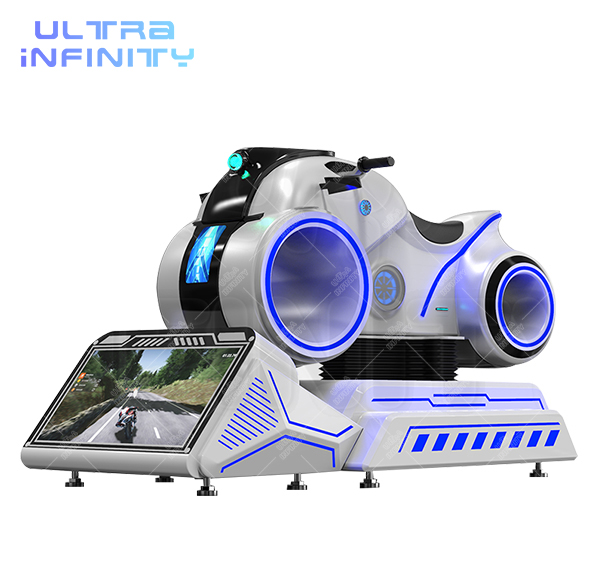
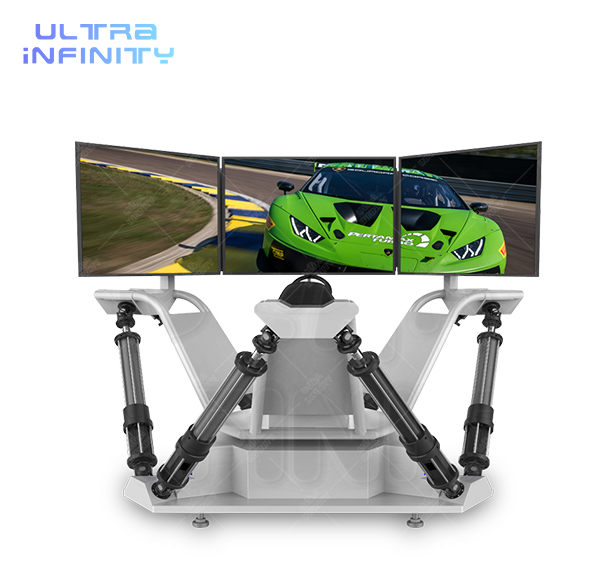
Where it fits: the chair is the motion family's entry ticket, and the family's ladder continues through the motorcycle impulse seat (the published 25-65 rides a day model) to the rows and cockpits - the 6D cockpit and the motorcycle seat being the next rungs. Close the loop the practical way: itemize the quote against the line items above, run the total through the payback frame, and let the published ~4.5-month anchor be the sanity check - not the promise.
The published unit band is $6-12K, and a realistic single-seat commercial setup lands around $7,500-14,500 installed once delivery, install and site prep are added. A three-seat setup typically lands in the mid-$20Ks, and a five-seat row with shared support crosses $30K - the tier table in this guide itemizes each step.
Quotes typically include the unit, its content library and basic commissioning; they typically exclude freight, install labor, floor and power prep, and spares. The published certification and pre-shipment checklists are the line-item contract to negotiate against - lead time, install days, training days, warranty.
Modest but real: a level 4-6 square meter footprint, a dedicated power circuit, and clearance for the capsule's rotation envelope - the space guide's subject. Ceiling and power specifics for the 360 rotation are the published ceiling-and-power guide's checklist.
The row wins on shared costs: staff attention, content licensing and the operator's time spread across seats, which is why the fleet-scaling guide finds uptime economics improve from one chair to five. The single chair wins on cash at risk - start there if the footfall case is unproven.
Four lines: the footprint's rent share, a staff share, power, and maintenance-and-content - roughly $800-1,500 monthly per chair in the published ROI calculator's scenario frame. Budget them before they surprise the payback.
It is the entry: karting opens at $18-28K, duckpin at $40-48K, battleship at $48-68K (all published comparators), while a single installed chair sits near $7,500-14,500. The upgrade path runs seat to row to cockpit, each step priced by the same per-machine method.
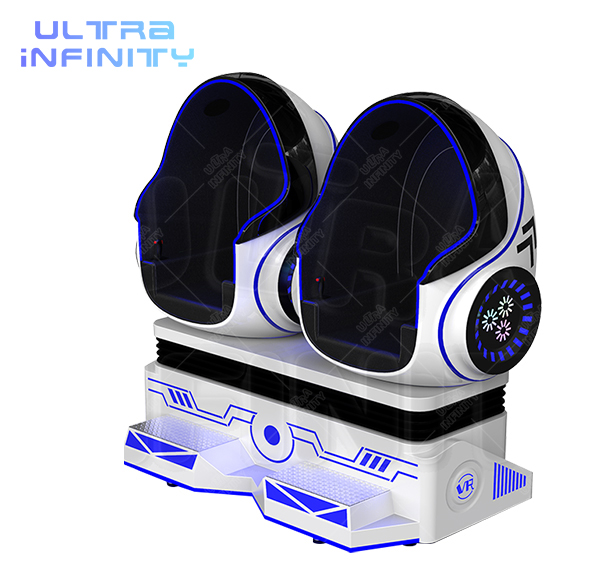
Send us your floor line and tier plan: we will return the line-item quote frame and the payback check through the free 3D layout design - anchored with the VR Egg Chair, the VR Motorcycle Simulator and the Motion Racing Simulator Cockpit 6D.