The turnkey mini bowling package on the published numbers: the three-line scope (hardware, project lines, software), the $950-per-lane install and $1,500-3,500 freight the equipment quotes leave out, the $28,500 four-lane package against the $39,000-44,000 ready-to-open project, the lane-count menu, the $150K-vs-$180K single-supplier math, and the line-by-line checklist project buyers grade quotes against.
Ask three suppliers what a turnkey mini bowling package includes and you will get three different scopes, which is why the word itself is the first thing a project buyer has to grade. In this catalogue, mini bowling is the compact-format category: the short duckpin lane of about 12 to 14 m with its 1.5 kg no-finger-hole ball, the string-format lane at 18 to 26 m, and the integrated pinsetters that remove the machine room a conventional alley cannot fit. A turnkey claim on that category promises a lane a general contractor can hand over without a second vendor - and the promise is only as good as the lines the quotation actually carries.
The grading rule this checklist uses is simple: a real turnkey package covers three lines, not one. The hardware line - lanes, pinsetters, balls, returns and scoring. The project line - freight, on-site installation, commissioning and operator training. The software line - the scoring and booking platform and the venue branding that makes the lane open for business on day one. A quotation that prices only the first line is an equipment price wearing a turnkey label, and the buyer discovers the difference in the weeks between the pallet arrival and the first paying game.
The published package breakdown (what a full-venue bowling lane package includes) makes the same point from the supplier side: the package line, not the single-machine price, is the unit a project buyer should read, because the compact venue budget is the tightest and the absent lines surface at exactly the wrong moment. This article turns that breakdown into a checklist a project buyer can hold against a quote, line by line.
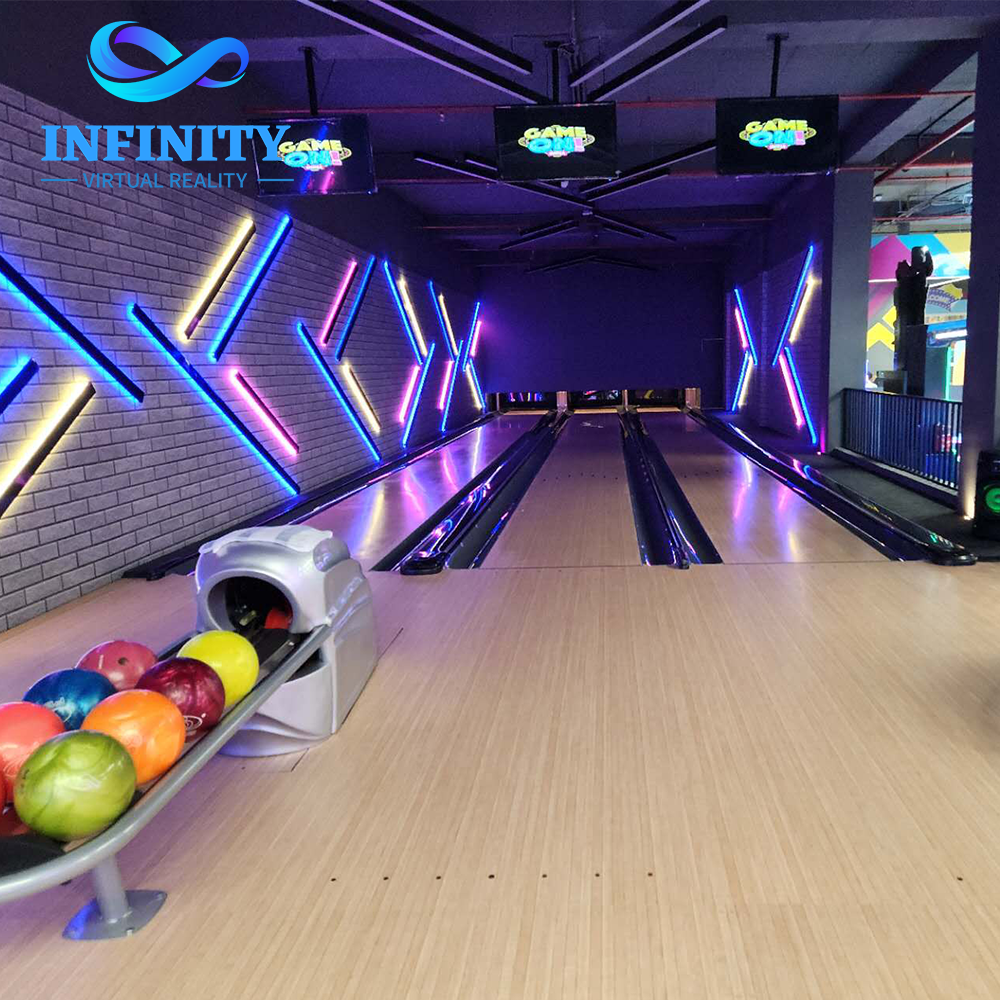
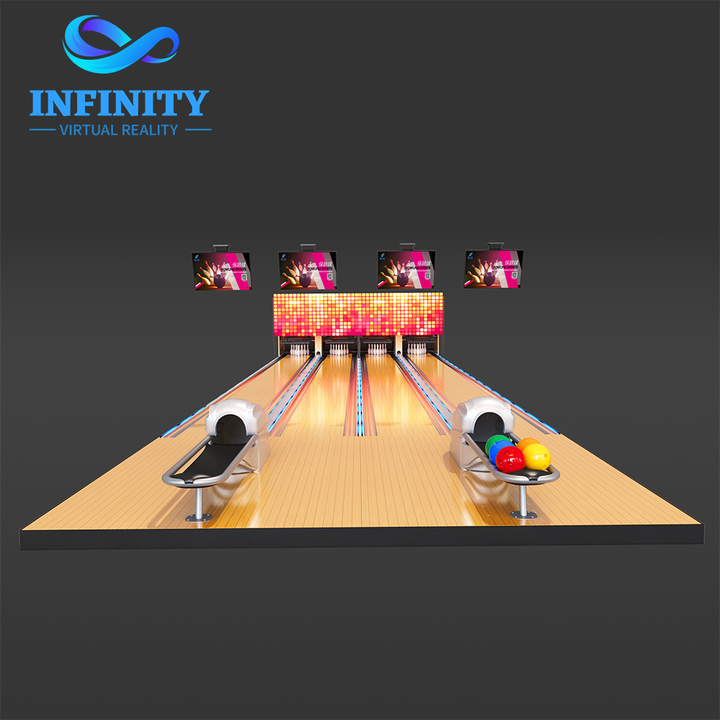
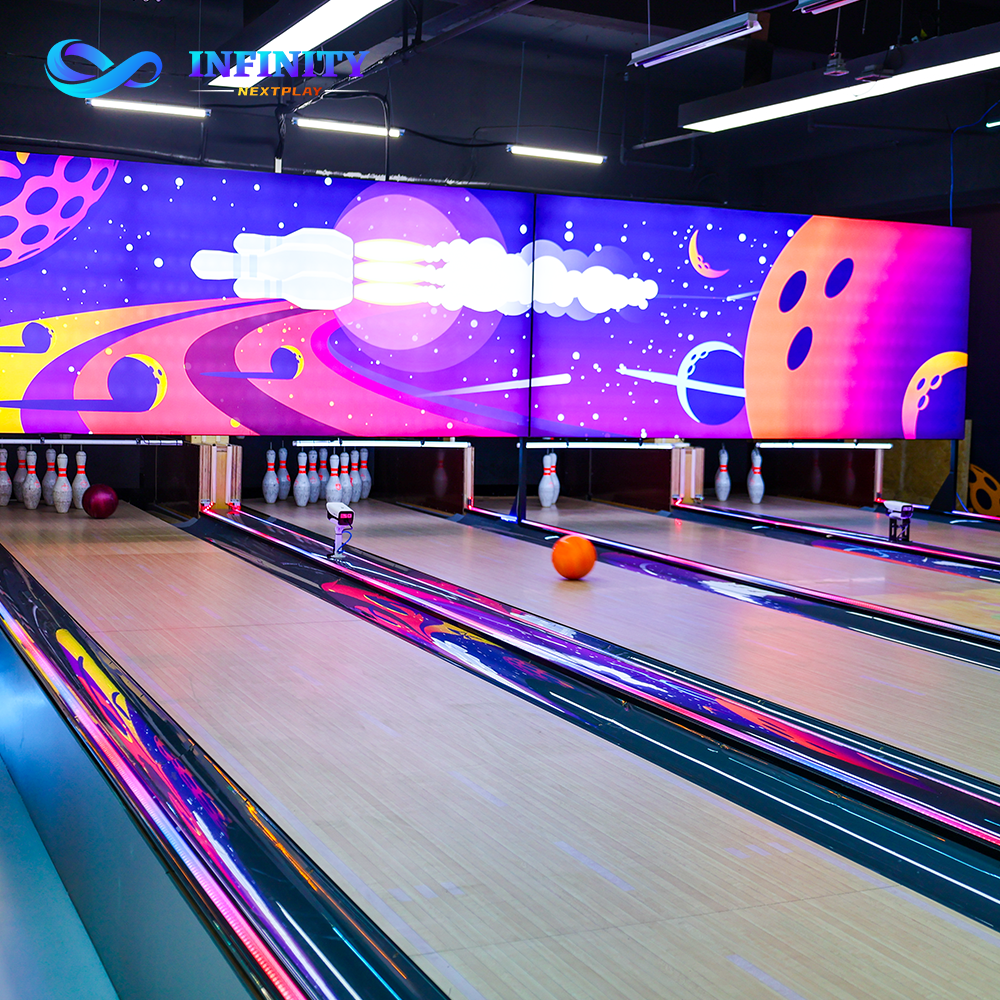
The hardware line is the part every quote carries, and it is also the part most often quoted incompletely. A complete mini bowling lane set enumerates as: the approach and the throw-down lane surface, the pinsetter - integrated automatic on the duckpin format, field-serviceable string units on the string format - the ball return and the ball set, the automatic digital scoring and the masking unit. The equipment explainer (the duckpin bowling equipment guide) lists exactly this set as the package, and the product pages name the design goal directly: the duckpin bowling system ships as a space-saving lane with installation designed for bars, hotels and boutique venues, with no pinsetter machine room anywhere in the scope.
Two hardware details decide whether the set is project-grade. The first is scoring as a line item: in the published lane-cost breakdown, the duckpin package carries the scoring line at about $4,800 across four lanes - a line that simply does not exist in a refurbishment quotation, and one of the structural reasons the new-format package wins on total cost. The second is the synthetic deck: the durability analysis gives the synthetic panel lane a 20-plus-year service life, which is what makes the hardware line an asset the venue keeps rather than a rental it renews.
The hardware line is also where the format menu lives inside one project. The commercial 2-lane string bowling equipment is the low-entry configuration for the buyer testing demand, and the standard 10-pin bowling alley is the full-size anchor a compact project grows into - the same scoring layer runs across all three, which is why the package decision and the format decision can be made together instead of twice.
Turnkey packages are quoted per configuration, and the configuration menu is the buyer's first scoping decision. The published space analysis (which bowling lane takes the least space) measures the menu in floor terms: the two-lane duckpin wing at roughly 260 square meters including approach, seating and service aisle, about 40 percent under the ten-pin equivalent, with a 3-meter ceiling clearing the whole build where ten-pin demands 4.5. At bar scale the same configuration compresses to a 55 to 70 square meter pair - the footprint the equipment guide (the duckpin equipment guide) documents with the seating strip in front.
| Configuration | Published footprint reference | Where it fits |
|---|---|---|
| 2-lane pair | 55-70 m2 at a 3 m ceiling, 4.2 m pair width | Bar or hotel floor, live-room install |
| 2-lane wing, full build | About 260 m2 incl. approach, seating, aisle | Boutique venue, dedicated game zone |
| 4-lane wing | About 28 m2 per lane all-in | FEC game floor, compact anchor |
| 6-lane project | Split-delivery, per-lane locked at the bulk rate | Two-phase venue growth |
The lane-count economics analysis (the lane-count cost analysis) adds the configuration rule that protects the budget: the venue that plans to open with two lanes and add two later should order the four-lane package and split the delivery, because two single-lane orders cost about $7,000 more than the package. The full price ladder - what each count costs per lane and why the first lane carries a 38 percent premium - belongs to the sibling price-bands article; the configuration point here is that the package, not the lane, is the ordering unit, and the delivery schedule is part of the scope the supplier commits to.
The project lines are where turnkey is earned, and they are the lines an equipment-only quote leaves out. The published lane-cost breakdown prices them explicitly: installation and commissioning at about $950 per lane for the duckpin and string formats, ocean freight at $1,500 to $3,500 depending on the port and the pallet count, and a last-mile delivery line of $600 to $1,500 when the delivery door is narrow or the route is obstructed. Site preparation sits outside the supplier quote entirely - the owner pays a local contractor - which is precisely the boundary a project buyer must see on paper before the schedule is locked.
Time is the second project line. The install-timeline analysis (how long bowling equipment takes to install) separates the two clocks a project manager lives by: the equipment clock of 5 to 7 working days on site plus one commissioning day, and the building clock of 3 to 5 weeks in a new shell or 6 to 10 days in a converted unit where the ceiling, power and door are already compliant. The same analysis prices the logistics of compactness: the 12-meter duckpin bed ships on a single pallet, and a single lane installs in one to two days once the floor is level and the power is live. The fastest-install comparison (the fastest lane installation analysis) holds the same numbers across formats - the string pair at 6 to 8 days, the ten-pin wing at 4 to 6 weeks - which is why the compact formats dominate turnkey schedules.
Training closes the project line, and it is the line most often forgotten until opening week. The published package scope ends with operator training - the session that teaches the day-to-day run to the staff who will actually operate the lanes - and the bar-scale builds run on it: one attendant per shift covers four lanes, shoes, scoring and the counter during quiet hours. A turnkey quote that cannot name the training day, the commissioning checklist and the acceptance test is quoting an install, not a handover.
The third turnkey line is the one a construction-focused buyer discovers last: the software that makes the lanes a business instead of an installation. The scoring platform runs the duckpin ruleset automatically - the three-roll frame, the third-ball clear - and the same booking, scoring and analytics layer runs duckpin next to string and ten-pin lanes in one venue, which is the mixed-floor pattern the three-system comparison (the full-venue bowling solution comparison) recommends: one dashboard across formats, one operator interface at the counter.
Day-one readiness is the software line's acceptance test. A handover where the staff can start a game, score it, take payment and read the day's utilization from the same terminal is the product a turnkey claim describes; the equipment guide documents that run as the design goal of the compact formats, with scoring, booking and analytics operated by the person behind the counter. The project buyer's check is to ask which of those functions are included lines and which are options - and to price the gap, because a lane that opens with paper scorecards is not the venue the business plan financed.
The strongest published argument for the turnkey route is a two-number comparison. The package breakdown (the full-venue package breakdown) puts the single-supplier quote against the multi-vendor assembly at the same scope: the difference between a $150,000 project and a $180,000 project, with the bowling packages - where sourcing savings matter most - on the tightest budgets. The saving is structural, not promotional: one supplier engineers the interfaces between lane, pinsetter, return and scoring, ships them as matched sets, installs them with one crew and commissions them against one acceptance test.
The same math explains why the turnkey package beats the refurbishment route for project buyers. The lane-cost breakdown prices the scoring line at about $4,800 across four lanes inside the duckpin package - a line that does not exist in a refurbishment quotation at all - and the new-format package ships the matched machine set the used market assembles from mixed generations. The buying guide (the commercial bowling equipment buying guide) runs the full new-versus-used decision and the procurement route; for a project buyer on a construction schedule, the deciding column is the handover date, and the single quote is the only route that owns one.
The checklist is the deliverable. Sit the quotation beside it and grade each line: present and priced, present and vague, or absent. The published references give every line a number to grade against, and the pattern that emerges from the package breakdown and the lane-cost analysis is consistent - the absent lines are always the project lines, and they are always the ones that move the opening date.
| EXAMPLE quote checklist | Published reference number | What an absent line signals |
|---|---|---|
| Lane set complete (approach, surface, pinsetter, return, balls, scoring, masking) | The package scope as enumerated | Equipment-only quote wearing a turnkey label |
| Scoring line itemized | About $4,800 across four lanes (duckpin package) | Refurbishment-style scope; software priced later at premium |
| Installation and commissioning | About $950 per lane (duckpin and string) | Owner left to source a local crew |
| Ocean freight | $1,500-3,500 by port and pallet count | Landed cost unknown; schedule hostage to logistics |
| Last-mile delivery | $600-1,500 when door or route is constrained | Site walk never happened |
| Site preparation boundary | Owner-paid, local contractor | Turnkey claim overreaching into construction |
| Training and acceptance test | Closing package line; 5-7 days + 1 commissioning day | Install quoted, handover not committed |
Two grading examples show the checklist working. A quote that prices the four-lane duckpin set at $28,500 and stops there is honest about being an equipment price: the published ready-to-open project for the same configuration lands at about $39,000 to $44,000 once install, freight and site preparation join the line - and the buyer who grades the quote early budgets the difference instead of discovering it. A quote that carries the project lines but stays silent on training has quoted an install; the acceptance test and the training day are the lines that convert the spend into an operating lane, and they belong in the contract, not the hope.
The checklist ends where the project starts: the floor. Drop the configuration onto the actual plan with the free 3D layout design, confirm the 3-meter ceiling and the delivery route against the space analysis, and hand the graded checklist to the suppliers bidding the project. The duckpin bowling system page states the turnkey scope the compact format was engineered for, and the buying guide (the commercial bowling equipment buying guide) carries the procurement route from first contact to signed order.
The questions project buyers ask before signing a turnkey mini bowling package, answered with the published references.
Three lines: hardware - the approach and lane surface, the integrated or string pinsetter, ball return and ball set, automatic scoring and masking; project lines - freight, on-site installation, commissioning and operator training; and the software line - the scoring, booking and analytics platform. The duckpin package, for example, carries the scoring line at about $4,800 across four lanes and closes with the training that teaches counter staff the day-to-day run.
That the supplier owns the interfaces and the handover: one scope, one crew, one acceptance test. The published comparison prices the difference at the same scope - a single-supplier project at about $150,000 against a multi-vendor assembly at about $180,000. A quote that prices only the hardware is an equipment price wearing a turnkey label.
The project lines: installation and commissioning at about $950 per lane for the duckpin and string formats, ocean freight at $1,500 to $3,500, last-mile delivery of $600 to $1,500 when the door or route is constrained, and site preparation, which the owner pays to a local contractor. The four-lane duckpin ready-to-open project lands at about $39,000 to $44,000 against the $28,500 equipment line.
Two clocks: the equipment installs in 5 to 7 working days with one commissioning day on top, and the building clock runs 3 to 5 weeks in a new shell or 6 to 10 days in a converted unit. The compact 12-meter bed ships on a single pallet, and a single lane installs in one to two days once the floor is level and the power is live.
Two to four is the working band: the two-lane pair fits 55 to 70 square meters at a 3-meter ceiling, the four-lane wing is the configuration the published package prices at $28,500, and the venue planning to grow should order the larger package with a split delivery - two single-lane orders cost about $7,000 more than the four-lane package.
Both belong in the scope, and both belong on the quote. The scoring platform runs the duckpin ruleset and the same booking and analytics layer across formats; the training day and the acceptance test are the closing package lines that hand the lanes to counter staff. Ask for them as named lines - their absence is the clearest sign the quote is an install, not a handover.
Five lines to carry into the next supplier call.
Start from the floor and the checklist together: drop the lanes onto the real plan with the free 3D layout design, hold the graded checklist against the duckpin bowling system and the commercial 2-lane string bowling equipment quotes, and read the commercial bowling equipment buying guide for the procurement route that carries the order from first contact to acceptance.
Send the room dimensions and the lane count: we will return the turnkey package quote with every line itemized - hardware, freight, install, commissioning, training - plus the footprint plan via the free 3D layout design, starting from the duckpin bowling system.