How long does it take to install bowling equipment? The honest answer is two different clocks: the equipment clock and the building clock. The equipment clock for a four-lane duckpin wing or a two-lane string room is 5 to 7 working days on site, and the commissioning and training is one more day. The building clock, the site prep that must happen first, is 3 to 5 weeks in a new shell and 6 to 10 days in a converted unit where the ceiling, the power and the door are already compliant.
The reason the two clocks matter is that the equipment clock is booked against the building clock, not against the calendar. The NextPlay crews arrive after the floor is leveled, the power drops are live, and the delivery door is confirmed, and once the crane or the lift is on site the install week does not stop for a missing circuit or a low beam. The checklist at the end of this guide is what protects the install week against the building clock.
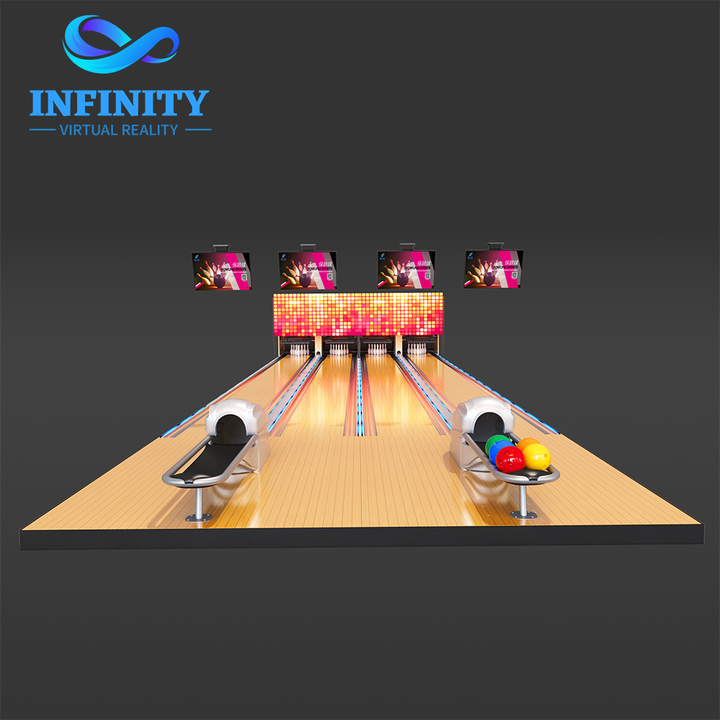
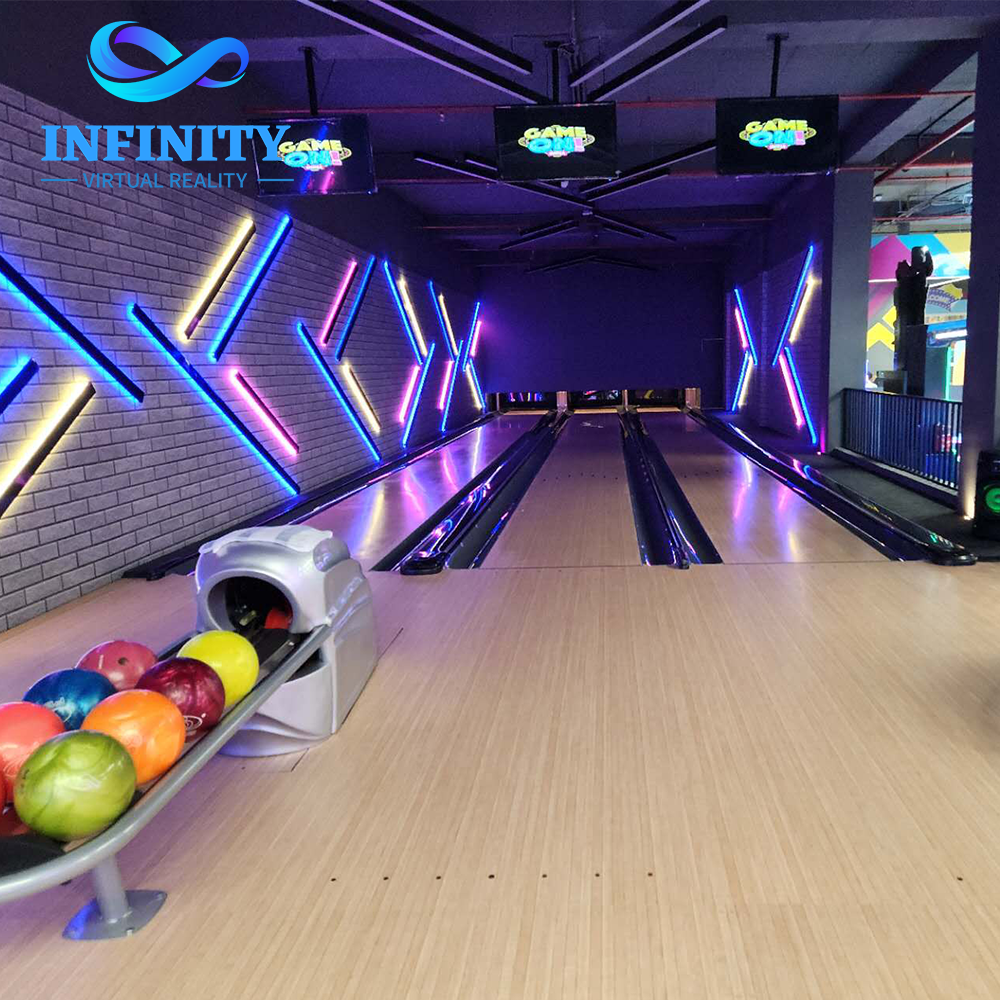
The Duckpin Bowling and String Bowling systems are the ones the install week is priced against, because the compact 12-meter lane ships on a single pallet and commissions without a crane. The ten-pin system needs the crane and the 26-meter staging, which adds a day of build coordination but not a week of install. The timeline table below reflects the reference installs in 2026 reference data, and it is the number partners ask for in the handover call.
The critical path has three gates in order, and skipping a gate is the single most common reason the install week slips. Gate one is site prep, gate two is the install days, and gate three is commissioning. The table is the sequence, not a wish list, and it is the one partners hand to the fit-out contractor.
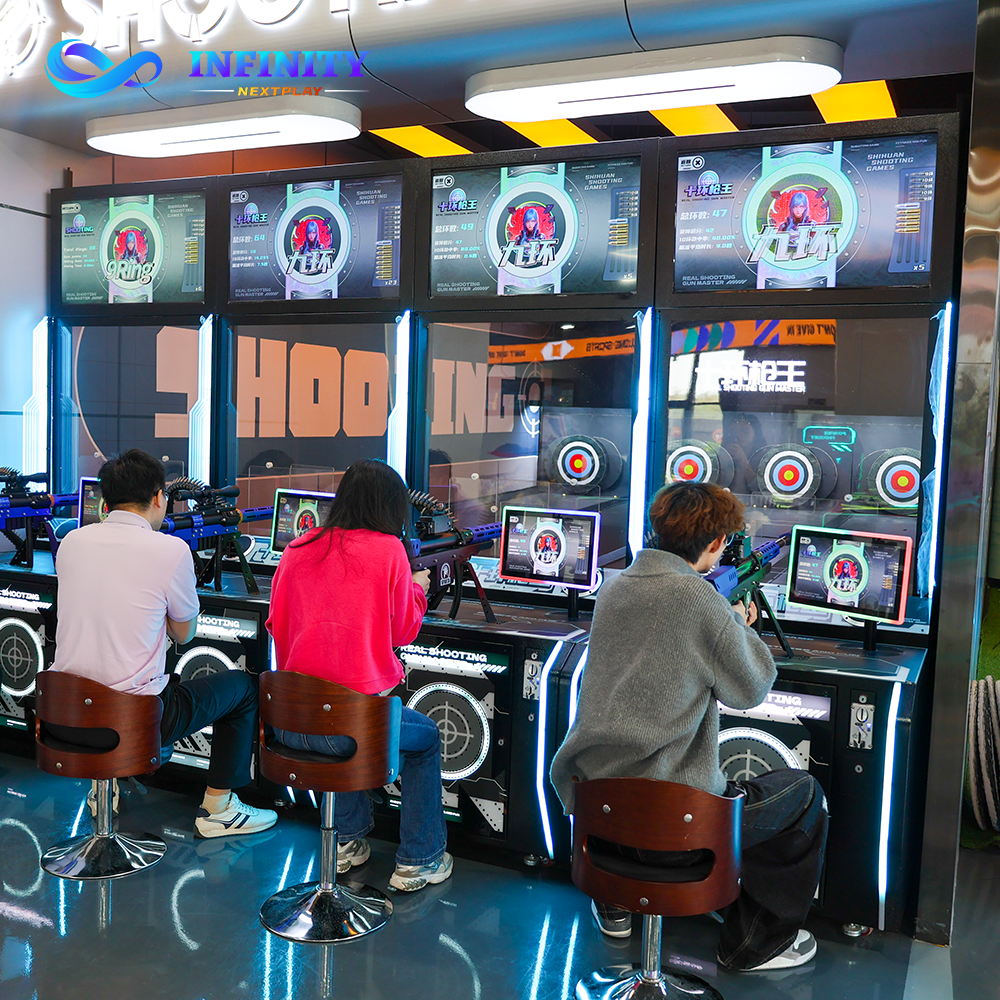
The gate that breaks most builds is gate one, because the fit-out contractor and the bowling crew do not share the same inspection list. The bowling gate one list is the four points in the checklist, and nothing in gate two moves until all four are signed. The Shooting Simulator and waiting-zone games slot into this sequence on day three of gate one, because they only need the data drop and the power that the lane pairs already require.
The install week is booked as a five-day calendar once gate one is green, and the table is what the partner signs at the gate one walk. Day one is delivery and staging, days two to four are assembly, days five to six are the fit, and day five end is the line crossed for commissioning. The clock stops only for weather on a crane install, which the duckpin and string formats do not need.
| Day | Work | Owner Check |
|---|---|---|
| Day 1 | pallet delivery, crating off, staging | sign for delivery, inspect pins for transit damage |
| Day 2 | lane bed assembly, first pair anchored | verify lane alignment with the laser |
| Day 3 | second pair assembly, pinsetters set | confirm pinsetter height and clearance |
| Day 4 | scoring terminal mount, ball return set | test the scoring link to the first terminal |
| Day 5 | final alignment, safety guard set | walk the safety checklist with the crew lead |
| Day 6 | reserve day, cabling tidy | sign the install complete form |
| Day 7 | commissioning, training, handover | sign the handover and get the QR diagnostics token |
The reserve day on day six is where the install week absorbs the one-day variance, and the partner signs the install-complete form before commissioning runs. The commissioning day is not optional in the schedule: it is the day the cloud diagnostics activate, the booking platform registers the venue, and the staff sign off on operation. A venue that skips commissioning runs blind on the fault reports, and the reference data shows a 30% higher service-call rate in the first month.
The four site-prep points below are the gate-one walk, and they are the only points the install week checks live. The fit-out contractor owns the rest, but the bowling crew owns these four, and the install week is booked against them.
The String Bowling and duckpin formats are the ones the install week is priced against here, because the compact lane ships on a single pallet and needs the single delivery door only. The ten-pin needs the crane and the 26-meter staging, which adds a day of build coordination but not a week of install. The four-point checklist travels with the install schedule, and the crew signs it before the lift or the crane books out.
The install week is held at five days by sequencing the work, not by rushing it. The sequence that the reference partners follow is: power and leveling first, then the lane beds, then the pinsetters, then the scoring, then commissioning. The sequence is the one the install schedule is priced against, and it keeps the crew at the site for the minimum days.
The sequence is the difference between a five-day install and a slipped week. The Duckpin Bowling package is the cleanest case in the reference data, because the four lanes ship on two pallets and the compact 12-meter bed lets the crew finish the install week and the commissioning before the fit-out punch list, which lets the venue open on the planned date.
The equipment installs in 5 to 7 working days on site, and commissioning plus training is one more day; the building work, site prep, takes 3 to 5 weeks in a new shell or 6 to 10 days in a converted unit.
A single duckpin lane installs in one to two days once the floor is leveled and the power is live, and the four-lane wing installs in the standard 5 to 7 days because the compact 12-meter bed ships on a single pallet.
Installation is performed by the certified NextPlay crew and is not a DIY job: the pinsetter calibration, the scoring link and the first-year cloud diagnostics require the commissioned token, and self-install voids the warranty on the pinsetters.
The bowling crew handles the equipment install and commissioning, but the electrical and structural work is scoped under the building permit; NextPlay supplies the install drawings and the certification package for the permit file.
System calibration, scoring platform registration, the booking calendar setup, staff training on operation and the booking platform, and the first-year cloud diagnostics activation with the handover token.
Run the gate one walk with the fit-out contractor, sign the four-point checklist before the crew arrives, and sequence power and leveling before the lane beds; the install week is held at five days when the sequence is followed.
How long does it take to install bowling equipment? Five days plus one commissioning day, once the building is ready. The equipment clock for the duckpin, string and ten-pin systems is 5 to 7 days on site, and the building clock is the variable: 3 to 5 weeks in a new shell, 6 to 10 days in a converted unit. The install week is held at five days when the four gate-one points are signed and the sequence is followed.
The next step is the gate-one walk: send the floor plan and the site photos to the NextPlay engineering team for the install schedule, the four-point site checklist and the commissioning plan. The plan comes back priced by phase, and the crew books the install week against the signed checklist, not against the calendar.
Send your floor plan and site photos to the NextPlay engineering team and get the install schedule, the site-preparation checklist and the commissioning plan back, free.