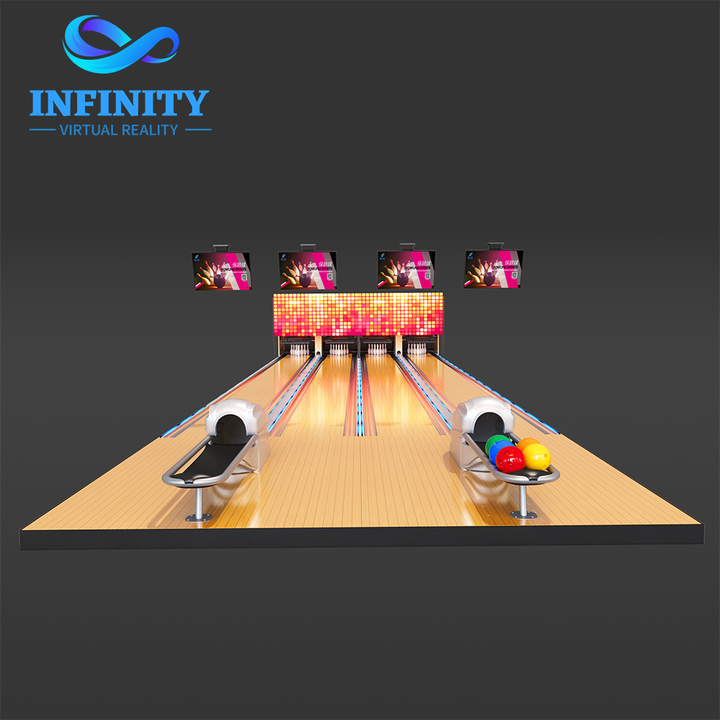
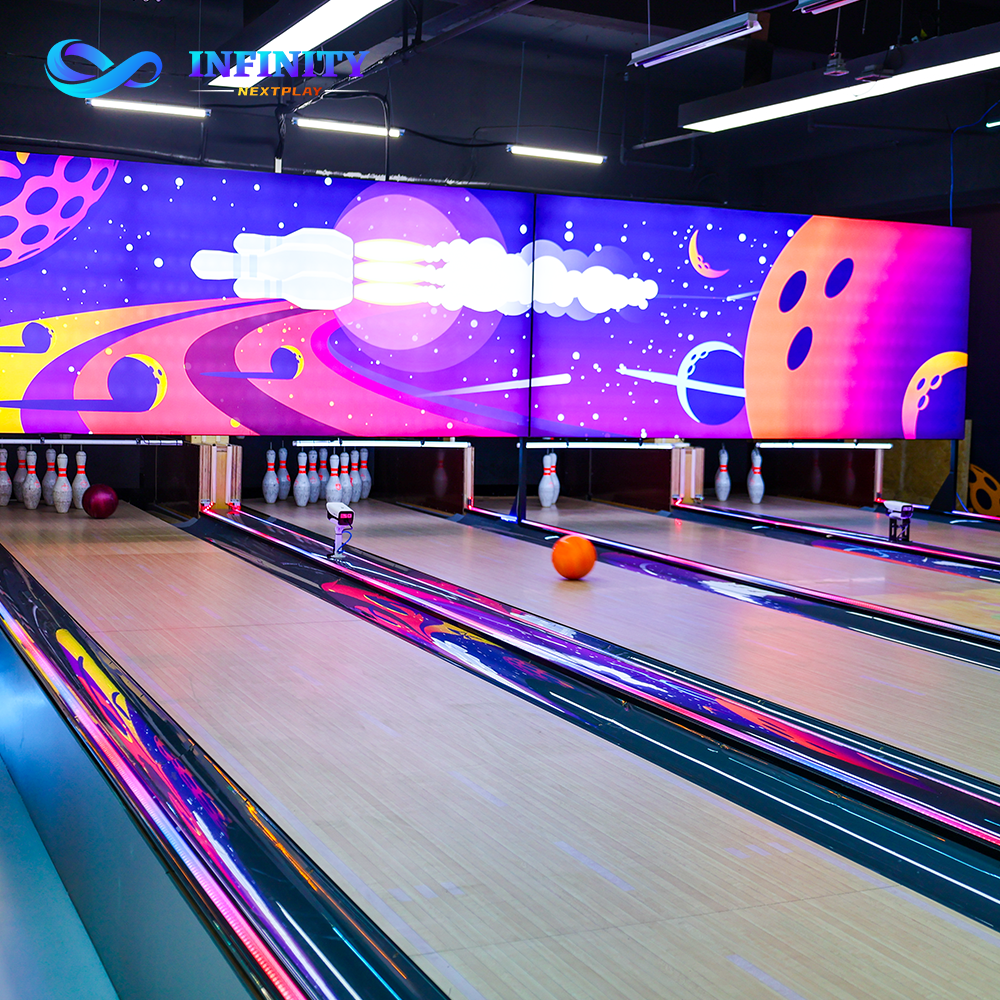
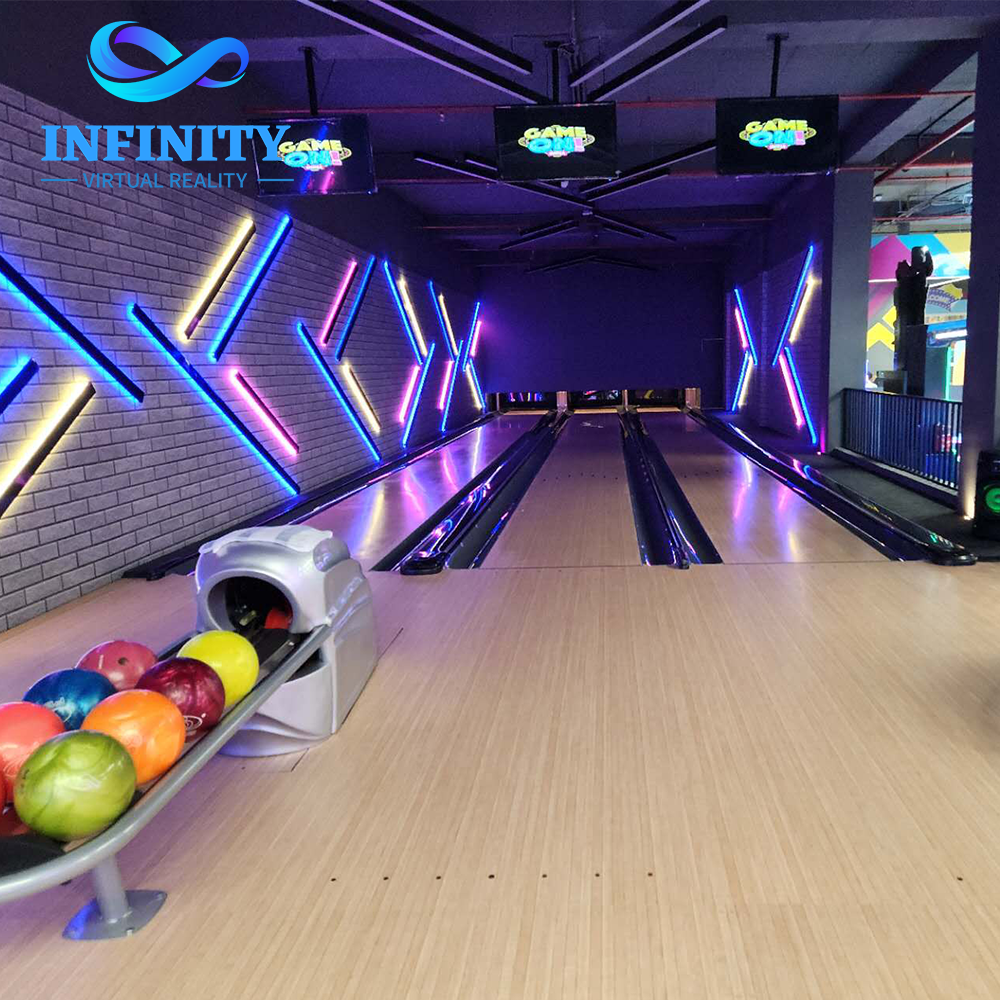
Five criteria with published anchors: string's up-to-75% maintenance cut and 9.7-13m lanes against free-fall's pin action and sanctioning heritage - a weighted verdict that moves with the venue's calendar, weights shown.
The pinsetter is the bowling venue's engine room, and new buyers meet it as a fork: string pinsetters that lift pins on cords, and free-fall machines that reset them with heavyweight mechanisms. Everything downstream - footprint, maintenance line, lane length, sanctioning eligibility - forks with it. The published equipment guide explains the string architecture (string pinsetter equipment guide) and the annual cost guide prices upkeep (lane maintenance cost guide); this comparison runs the decision itself, five criteria side by side, with every number anchored to the published specs.
The anchors first: string maintenance up to 75% below free-fall (published), the 2-lane string turnkey's 9.7-13 meters per lane against the 26-meter 10-pin alignment, and the turnkey package scope the buying guide itemizes. Planning assumptions, stated in one place: the criteria weights at the end are an EXAMPLE frame for a new entertainment-led venue - a league-first house should re-weight sanctioning and pin action, and this guide says so rather than hiding it.
Maintenance: string wins published numbers - up to 75% below free-fall, no pit table rebuilds, faults fixed at the cord. Space: string wins again - 9.7-13 meters per lane against the 26-meter full alignment, and less room behind the deck, the footprints the space guide in this series details. Pin action: free-fall wins - full table action and corner-pin behavior the league market expects. Sanctioning: free-fall holds the heritage, though string approvals have extended. Operating model - the audience question: string suits the social audience - walk-ins, events, the $45-per-lane-hour duckpin-adjacent format - while free-fall suits the league audience the pricing guide shows monetizing differently.
| Criterion | String pinsetter (anchors) | Free-fall pinsetter (anchors) | Edge |
|---|---|---|---|
| Maintenance | Up to 75% lower (published) | Pit table rebuilds, more wear parts | String |
| Footprint | 9.7-13m lanes (published) | ~26m full alignment | String |
| Pin action | Cord-lifted, slightly different | Full table action | Free-fall |
| Sanctioning | Approvals extending | Competition heritage | Free-fall |
| Operating fit | Social, events, compact rooms | League-first houses | Depends on calendar |
The scoring is honest: two criteria each, and the fifth moves with the venue's own calendar - which is the correct shape for this decision, because the two architectures serve two business models. The equipment-buying guide's turnkey scope (published buying guide) applies to either fork: the package lines to negotiate are the same.
The verdict, weighted for an entertainment-led venue (EXAMPLE frame): maintenance and space carry the most weight because they compound daily - the 75% maintenance cut lands every month and the shorter lane widens the buildings a venue can occupy. Pin action and sanctioning carry weight only in proportion to league share: a calendar under 20% league play rarely registers the difference, while a league-majority house should not buy string on this guide's say-so. Concrete scenario (EXAMPLE): an entertainment center booking walk-ins, parties and corporate nights - the string fork saves the machine room, halves the lane depth problem, and pays the maintenance cut monthly; a bowling-club conversion booking sanctioned leagues keeps free-fall.
The audit note the verdict implies: the pinsetter decision is a building decision first - the string fork may be the difference between a viable retail box and no project at all - and a calendar decision second. Both belong in the equipment contract, where the buying guide's package lines live.
Who each fork is for: string fits the entertainment entrepreneur - the compact room, the walk-in calendar, the boutique-venue play the duckpin format (published duckpin format guide) serves at 14 meters. Free-fall fits the bowling operator - the league house, the competition calendar, the full-format destination. New buyers in between should weight the calendar honestly and let the weighted table, not the sales floor, decide.
Where it fits: the pinsetter fork sits inside the equipment contract the buying guide structures, beside the format decision (10-pin, string, duckpin - the space guide in this series sizes all three) and the maintenance budget the annual guide prices. Close the loop the practical way: write the calendar first, weight the five criteria to it, and take the weighted table into the quote meeting - the vendor who argues against your stated weights is telling you something.
Mechanically, one part: string pinsetters lift pins on cords; free-fall machines reset them with heavyweight table mechanisms. The published equipment guide details the architectures - the practical difference shows up in maintenance, footprint and sanctioning, which are the criteria this comparison runs.
The published comparison puts string maintenance up to 75% below free-fall: no pit-level table to rebuild, fewer wear parts, and faults fixed at the cord. The annual per-lane cost guide prices the difference over a year of operation.
They can - pin action and corner-pin behavior differ, which is why sanctioning bodies took years to approve string lanes for league play. For social and entertainment venues the difference rarely registers; for league-first houses it is a real consideration.
Increasingly yes, as sanctioning approvals have extended to string play, but the league-first market still associates free-fall with sanctioned competition. A venue whose calendar is league-heavy should weight that criterion honestly - the pricing guide shows how league play changes lane revenue.
String machines are the compact option: the 2-lane string turnkey runs 9.7-13 meters per lane and needs less room behind the deck - roughly half the floor of a standard alignment. Free-fall pits demand the full-depth machine room the 26-meter 10-pin alignment implies.
The honest answer is calendar-dependent: string wins the social-and-entertainment case on cost, space and maintenance; free-fall wins the league-and-competition case on sanctioning heritage. This guide's weighted verdict table shows how the decision moves with the calendar.
Send us your calendar mix and building depth: we will return the weighted verdict and the package lines to negotiate through the free 3D layout design - anchored with the 2-Lane String Turnkey, the Standard 10-Pin Alley and the Duckpin Bowling System.