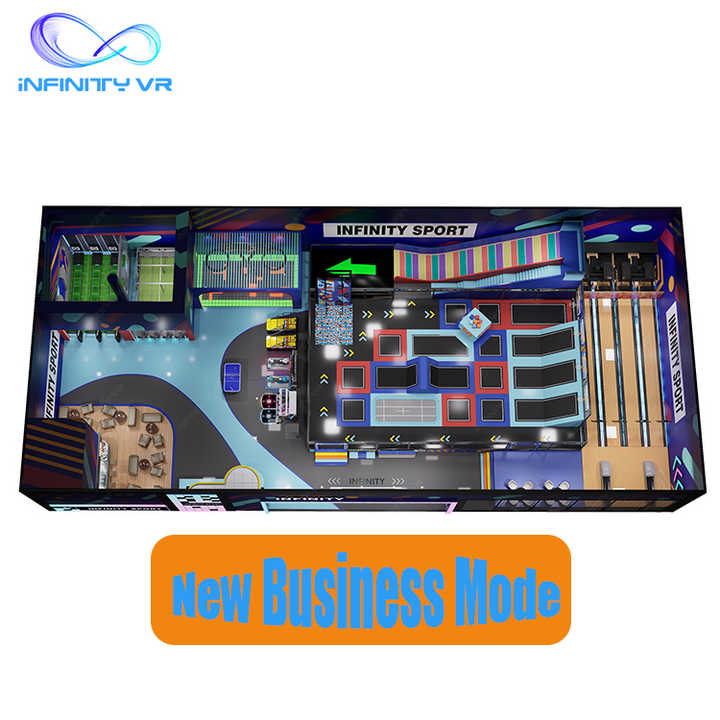
The cost to open a sportainment center is a range the floor plan sets, not a number the catalogue prints. The published venue definition (what a sportainment venue is) fixes the minimum viable build at two equipment categories on one floor - a lane-and-target sport beside a simulator bay, or an active-play grid beside an immersive zone - and every step up in category count, area and ambition moves the budget. The honest framing is therefore a ladder: a compact two-category venue, a mid-size multi-category center and a destination-scale park price differently because they buy different amounts of floor, machine and fit-out.
The ladder has published anchors at every rung. The published budget analysis (the four-lane duckpin $30K package analysis) shows the bottom of the ladder: a four-lane duckpin equipment line at about USD 30,000 with a total opening budget of USD 40,000 to 48,000 once the fit-out around it lands. The mini-golf business plan (the sportainment activity catalog and the published mini-golf plan cluster) prices mid-tier builds by area and category count, and the published revenue model (what a sportainment center earns) closes the top: the four-category floor that returns USD 88 to 135 per square meter a month is the same floor whose build cost the sections below break down line by line.
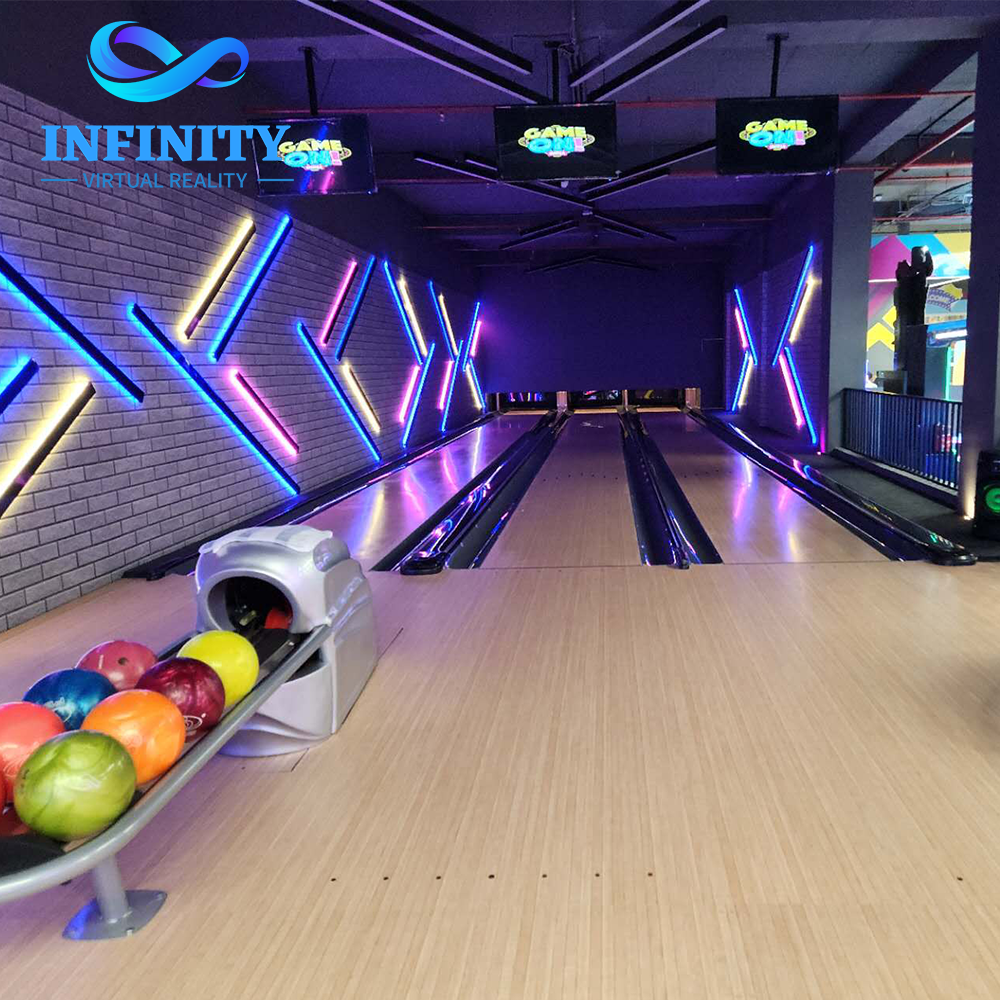
Equipment is the largest single line and the one with the clearest published anchors. The duckpin package analysis (the $30K four-lane package analysis) prices the entry lane category at about USD 30,000 for a four-lane equipment line. The bowling cost guide (the bowling alley cost guide) anchors the same category at turnkey scale: a two-lane string build installs between USD 60,000 and 90,000, and full regulation ten-pin lanes price at the premium end of the lane category. The equipment buying guide (the sportainment equipment buying guide) sequences the rest of the package: simulator bays, active-play grids and immersive systems each price as their own category decision, and the custom interactive sportainment equipment line (custom interactive sportainment equipment ) bundles multiple categories into a single modern play park quote.
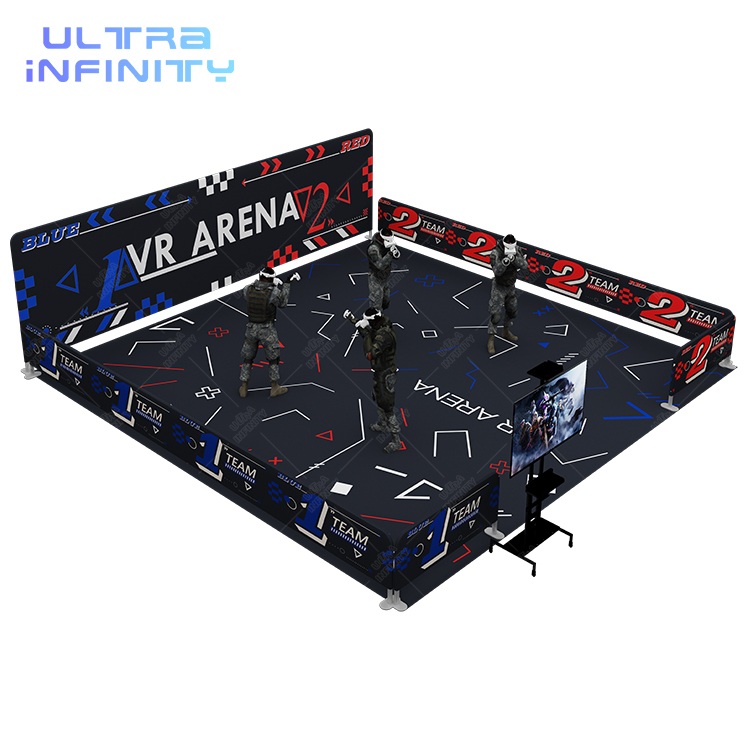
The VR category prices by zone rather than by machine. The published budget analysis in the VR cluster prices a single-seat 360 chair at roughly USD 6,000 to 12,000 or more with a first-seat all-in of about USD 10,000 to 18,000, and a free-roaming arena like the Free Roaming VR Arena 2.0 as a zone investment with its trackers, headsets and play volume. A sportainment center that wants an immersive category can therefore enter at the chair level and scale to the arena as the proven ride counts justify it, which keeps the equipment line phased instead of front-loaded.
The equipment line also carries its own sequencing rule from the buying guide (the sportainment equipment buying guide): buy the categories that share staffing and counter infrastructure first, because the lane category, the simulator bays and the active-play grid run on the same front desk and the same POS, and every shared system is a fit-out line the budget does not have to duplicate.
Fit-out is the line between the equipment invoice and an operating venue: flooring that survives cleats and carts, lighting and sound per zone, the counter and POS infrastructure, seating and the F&B strip that the revenue model counts on. The published space planning analysis (how many square meters each arcade machine needs) converts area into layout - each machine class carries its own square-meter allocation and a circulation share that keeps the floor at roughly 40 percent free - and the duckpin package analysis (the $30K package analysis) models the fit-out around a four-lane line as a second, smaller budget line behind the equipment.
Building readiness is the line landlords forget to mention and tenants discover first. The lane category needs slab flatness and depth for the lane bed; the immersive category needs ceiling clearance (roughly 3.8 meters for a rotating 360 platform) and dedicated electrical capacity; the active-play grid needs power distribution across the floor and clearance for the safety envelope. Every one of those checks is cheaper at lease negotiation than after equipment ships, and the published venue definition (what a sportainment venue is) makes the two-category minimum the moment to run them.
Opening working capital closes the stack: staffing for the first season, the marketing that fills the opening weeks, content licenses and the spare-parts shelf the maintenance routines assume. The published earnings model (what a sportainment center earns) prices the operating structure these reserves stand behind - labor, utilities and maintenance as the recurring lines the first months have to carry before the league calendar and the event pipeline fill in.
A build budget is only sound when the floor it buys can clear it, and the published earnings model (what a sportainment center earns) supplies the test: four equipment categories on one floor return USD 88 to 135 per square meter a month, with the lane and target category, the simulator bays, the active-play grids and the immersive systems each contributing their published benchmarks - archery bays near USD 960 per square meter monthly at 68 percent utilization, dart corners near USD 1,400 a month, duckpin pairs near USD 45 per lane-hour with the bar tab beside them.
The test runs in both directions. A compact two-category venue at the bottom of the build ladder needs a modest monthly revenue to pay itself, and the published payback comparisons in the bowling cluster put the two-lane builds at 14 to 18 months when utilization holds above 50 percent. A destination-scale park prices an order of magnitude higher on both sides - the build and the USD 88 to 135 per square meter ceiling it must reach - which is why the earnings model treats category count as the master variable: categories add both cost and revenue ceiling, and the plan that skips a category it cannot fill is the plan that protects the payback.
Sequencing keeps the build on budget: measure the room with the free 3D layout design, phase the equipment order against the categories the traffic can actually fill, and let the compact anchor - a duckpin pair like the duckpin bowling system or the interactive sportainment package (custom interactive sportainment equipment) - prove the floor before the arena-scale commitments land.
The questions entrepreneurs ask when they budget a sportainment center, answered with the published references.
It is a ladder the floor plan sets. The published floor anchors: a four-lane duckpin equipment line at about USD 30,000 with a total opening budget of USD 40,000-48,000 at the compact end; a two-lane string bowling build at USD 60,000-90,000 installed; and multi-category centers scaling upward with every category and square meter added. The honest budget is built line by line from the categories the floor will actually hold.
Two equipment categories on one floor: a lane-and-target sport beside a simulator bay, or an active-play grid beside an immersive zone. The published venue definition fixes that minimum, and every category beyond it moves both the budget and the revenue ceiling.
Four: the equipment package (priced by category, with published anchors from USD 30,000 duckpin lines to zone-level VR arenas), the fit-out (flooring, lighting, counter, seating, the F&B strip), building readiness (slab, ceiling, power) and opening working capital (staffing, marketing, licenses, spares).
The published earnings model benchmarks a four-category floor at USD 88 to 135 per square meter per month, with per-category benchmarks behind it. A build is sound when the floor it buys can reach its share of that range at realistic utilization.
The published payback comparisons put compact two-lane builds at 14 to 18 months when utilization holds above 50 percent; larger multi-category centers carry bigger budgets and bigger ceilings on the same USD 88-135 per square meter logic, so the payback depends on the categories the traffic fills.
Phase it. The buying guide sequences categories that share staffing and infrastructure first, the VR cluster prices the immersive category from a single chair to a zone arena, and the layout plan shows which category the floor fills first. Phasing matches each installment to revenue that has already arrived.
Five lines to carry into a sportainment center opening budget.
Start the budget where the build starts: drop the categories onto the actual room with the free 3D layout design, price the anchor category from the duckpin bowling system or the custom interactive sportainment equipment package, phase the Free Roaming VR Arena 2.0 against proven traffic, and read what a sportainment center earns for the revenue test the budget has to clear.
Send us the room size and the categories you are weighing: we will return the line-item opening budget, the category mix and the floor plan with the free 3D layout design - anchor the build with the duckpin bowling system, the custom interactive sportainment package or the Free Roaming VR Arena 2.0.