

Before buying commercial mini golf equipment, ask the supplier to connect the proposed game, the measured site and the delivery scope. These ten questions turn a product demonstration into information your buyer, installer and operating team can check.
1. What exactly is included in the quotation?
Request an equipment schedule that names the model and version of each hole. Put the physical units, balls and clubs, digital components and services into separate lines. Where the offer includes a layout or theme, describe its deliverables and how they relate to the equipment order.
Ask the supplier to mark optional items and work provided by others. A course price becomes easier to compare when reception equipment, site alterations, screens, software and installation have clear owners. Keep the assumptions attached to the quotation so a later design change can be priced against the same scope.
| Part of the purchase | Ask the supplier to identify | Keep with the order |
|---|---|---|
| Physical equipment | Models, versions, included accessories and quantities | An itemised equipment schedule |
| Digital components | Screens, controllers, software and licences | A system and account scope |
| Services | Design, installation, tests and training | Named deliverables and responsibilities |
| Work by others | Building work, connections and local services | An agreed exclusion and responsibility list |
A scope checklist without assumed prices or standard inclusions.
2. Can you show the selected equipment on our measured site plan?
Provide an internal drawing with doors, columns, level changes, ceiling obstructions and areas that must remain available. Ask the supplier to draw the actual proposed products with playing positions, waiting space, circulation and access for maintenance. Include the supporting facilities you expect within the unit.
Check what the area in the proposal measures. Product rectangles, local operating space and total venue area serve different purposes. For the detailed calculation process, see the indoor mini golf space guide. Have the relevant site professionals review the proposed installation and local requirements before committing to the arrangement.
3. Which specifications apply to the model we are ordering?
Ask for the specification and installation information for each quoted version. Identify dimensions, weight, electrical supply, connections, operating conditions and service access where relevant. Match those details to the product codes on the order rather than combining figures from several different models.
Have your site team compare the requirements with the available services. If an adapter, local connection, additional controller or building alteration is required, assign it to someone in the scope. Keep the confirmed drawing and instructions with the procurement record so the installer works from the agreed version.
4. What does the scoring system actually detect?
Ask for separate demonstrations of the functions included in the offer: ball events, player assignment, stroke counting and final results. Follow a player through a missed shot as well as a successful target. Record any manual entry or correction and identify who is allowed to perform it.
For a target-based example, NextPlay describes its Golf Target Shooting Hole in terms of scoring zones. Use that task in the demonstration, then ask which events the quoted system records and displays. The agreed scoring rules and included hardware should appear in the written specification.
5. How will the intended audience use the proposed holes?
Describe the people and sessions you expect: first-time visitors, mixed-age groups, organised events or supported participation. Ask for a trial that includes the explanation, the putting position and the transition to the next player. Observe where guests hesitate or staff need to help.
Choose a mix of tasks against that trial. For instance, NextPlay's published Bowling Golf Hole task is putting along a lane toward pin targets. Compare how that task is explained and played with the alternatives in your proposal. Agree any required adaptations and have them identified on the order.
6. Who handles delivery, assembly and the work at the site?
Ask for a responsibility schedule from dispatch to handover. Specify the delivery location, unloading arrangements, route through the building, assembly work and connections. The relevant delivery term and named place should be clear to the parties arranging transport and local services.
Check the delivery route against the actual packaged components and the assembly method. Confirm arrangements with the landlord or venue manager where access, working hours or neighbouring tenants are affected. An equipment drawing alone does not settle these site responsibilities.
| Stage | Responsibility to establish | Practical check |
|---|---|---|
| Transport | Delivery term, named place and parties arranging the movement | Confirm the agreed delivery boundary |
| Arrival | Unloading, temporary storage and site contact | Check equipment and access arrangements |
| Movement inside | Packaged dimensions and route to the installation | Compare with doors, lifts and restrictions |
| Assembly and connection | Installer, site work and service connections | Use the approved drawings and instructions |
| Handover | Tests, staff training and retained documents | Demonstrate the agreed acceptance tasks |
Use the schedule for your actual order; it is not a statement of the supplier's standard delivery terms.
7. What will our team do before, during and after play?
Watch a complete operating sequence. Include opening checks, explaining the game, dealing with a misplaced ball, resetting an interrupted turn and closing the hole. Record the staff actions and the equipment or instructions needed for each one.
Request cleaning, inspection and maintenance procedures for the quoted product. Clarify how staff isolate a faulty unit, report the issue and decide when it can return to use. Use these tasks to organise the operating role; any labour estimate should be based on the actual activity and assistance required.
8. What support, warranty and replacement-parts terms are written into the offer?
Request the terms that apply to this order, including coverage, exclusions, claim procedure and the information needed to diagnose a fault. Clarify who performs repairs, which costs each party bears and what arrangements apply to replacement parts. Keep the support contacts with the operating documents.
Discuss consumable and wear parts for the selected equipment. Ask which parts the venue should hold and how the team identifies the correct replacement. Where response or delivery times are important to your operation, agree them in writing instead of treating a general support statement as a service commitment.
9. What software, licences and connected services will we be responsible for?
List the included software, accounts and connected functions. Ask who supplies screens and controllers, what the network requires and which services depend on third parties. Describe the data or reports your venue actually needs and confirm how authorised staff access them.
Clarify licence terms, updates, recurring charges where applicable and the procedure for restoring operation after an interruption. If player information is collected, agree the purpose and responsibilities before enabling it. Keep these obligations separate from the physical equipment specification so they remain visible during the comparison.
10. How will we demonstrate that the delivered system matches the order?
Agree acceptance tasks before the final purchase decision. Identify the equipment version, operating modes, scoring functions, site arrangement and training to be demonstrated. Set out how outstanding items are documented and who is responsible for resolving them.
Carry the same scope through the brief, drawing, demonstration, quotation and handover. Where the design changes, update the affected documents together. This gives both parties a specific basis for checking delivery, rather than relying on the impression left by a successful showroom round.

Three products to review for your course
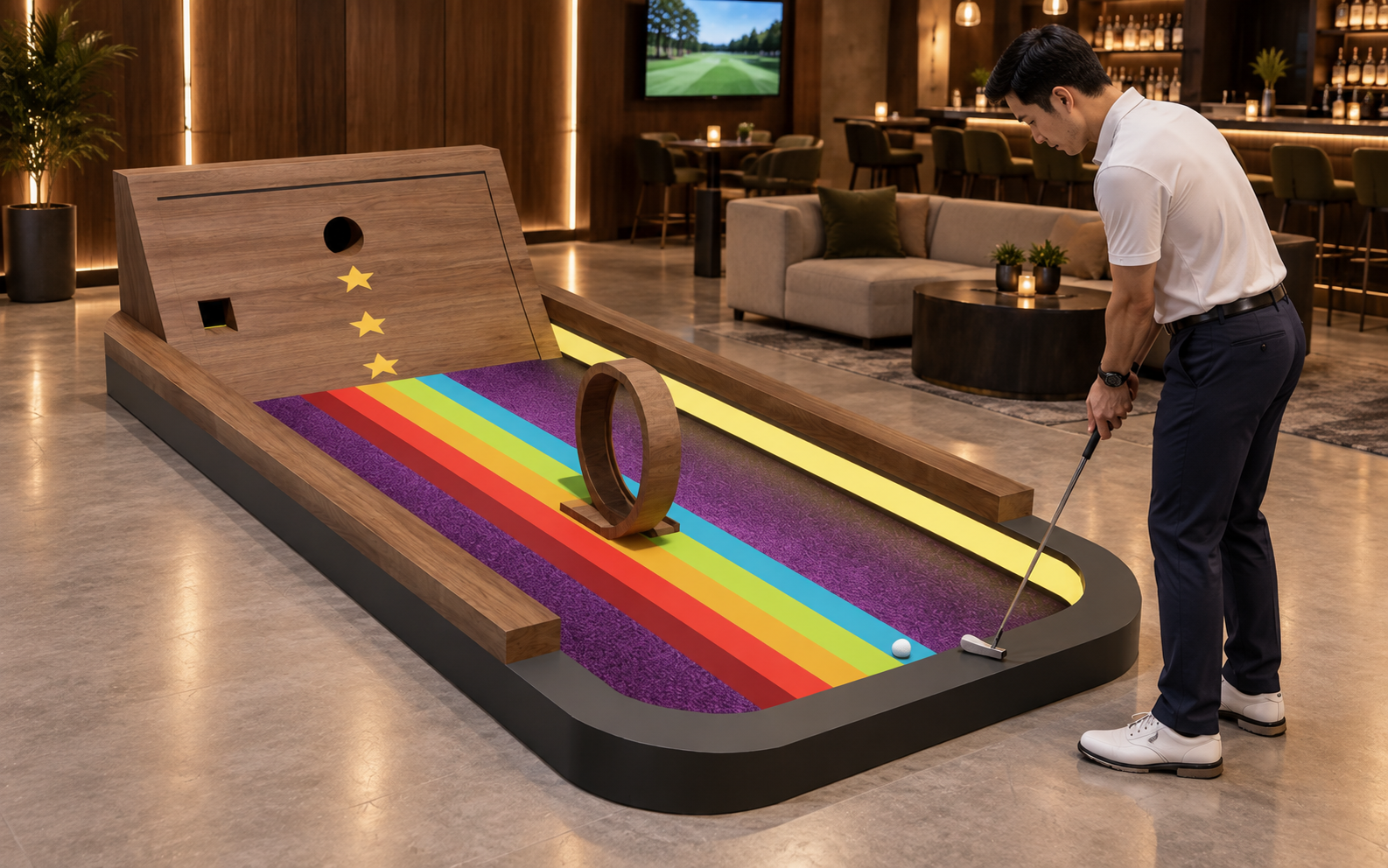
Golf Parkour Hole
Ramps, rings and obstacles form this parkour-themed route. Request the drawing, installation scope and included components for the exact version in the quotation.
View Details ›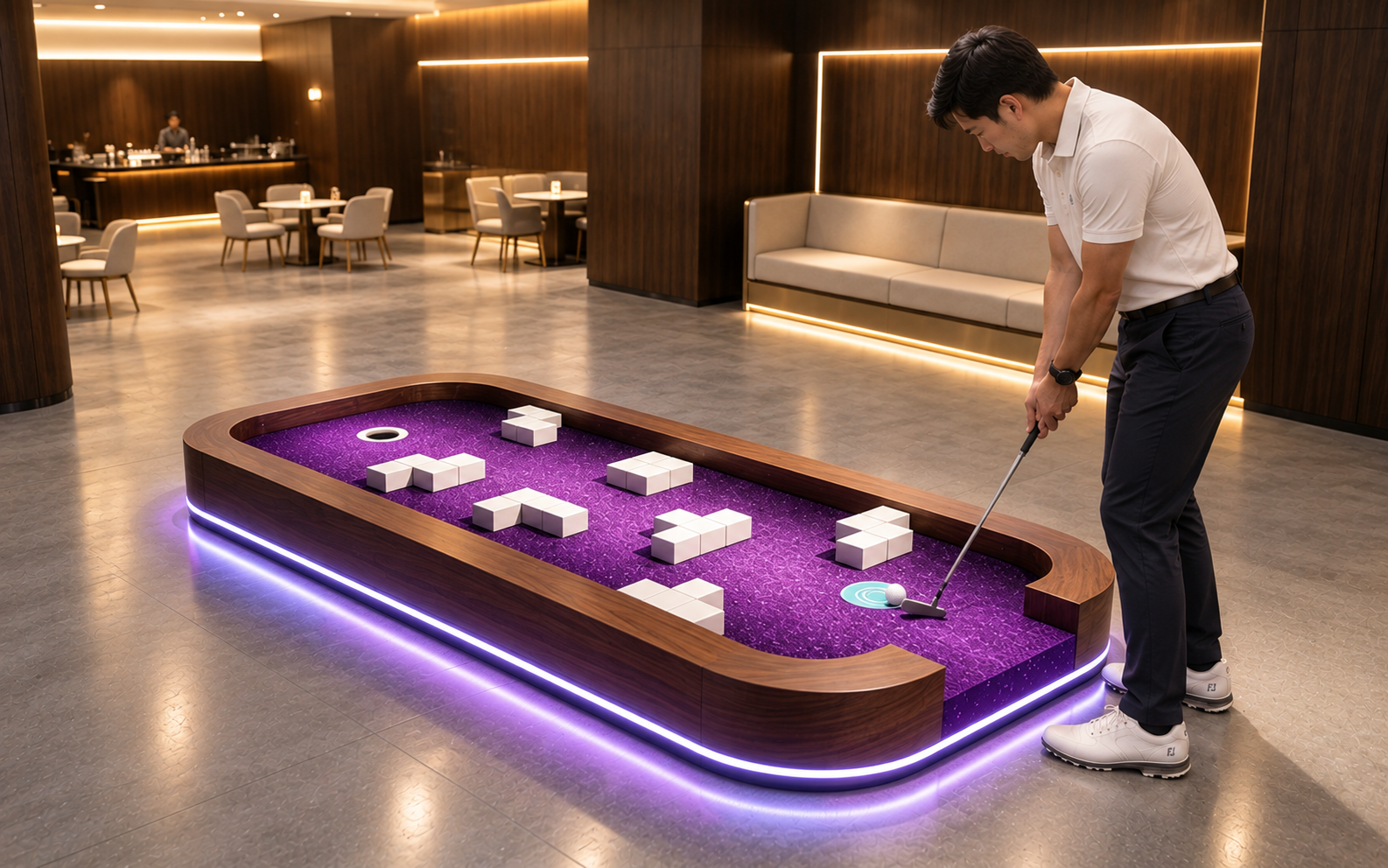
Cube Maze Golf Hole
Cube-shaped obstacles form a maze-like putting layout. Use the demonstration to clarify ball retrieval, service access and replacement parts before ordering.
View Details ›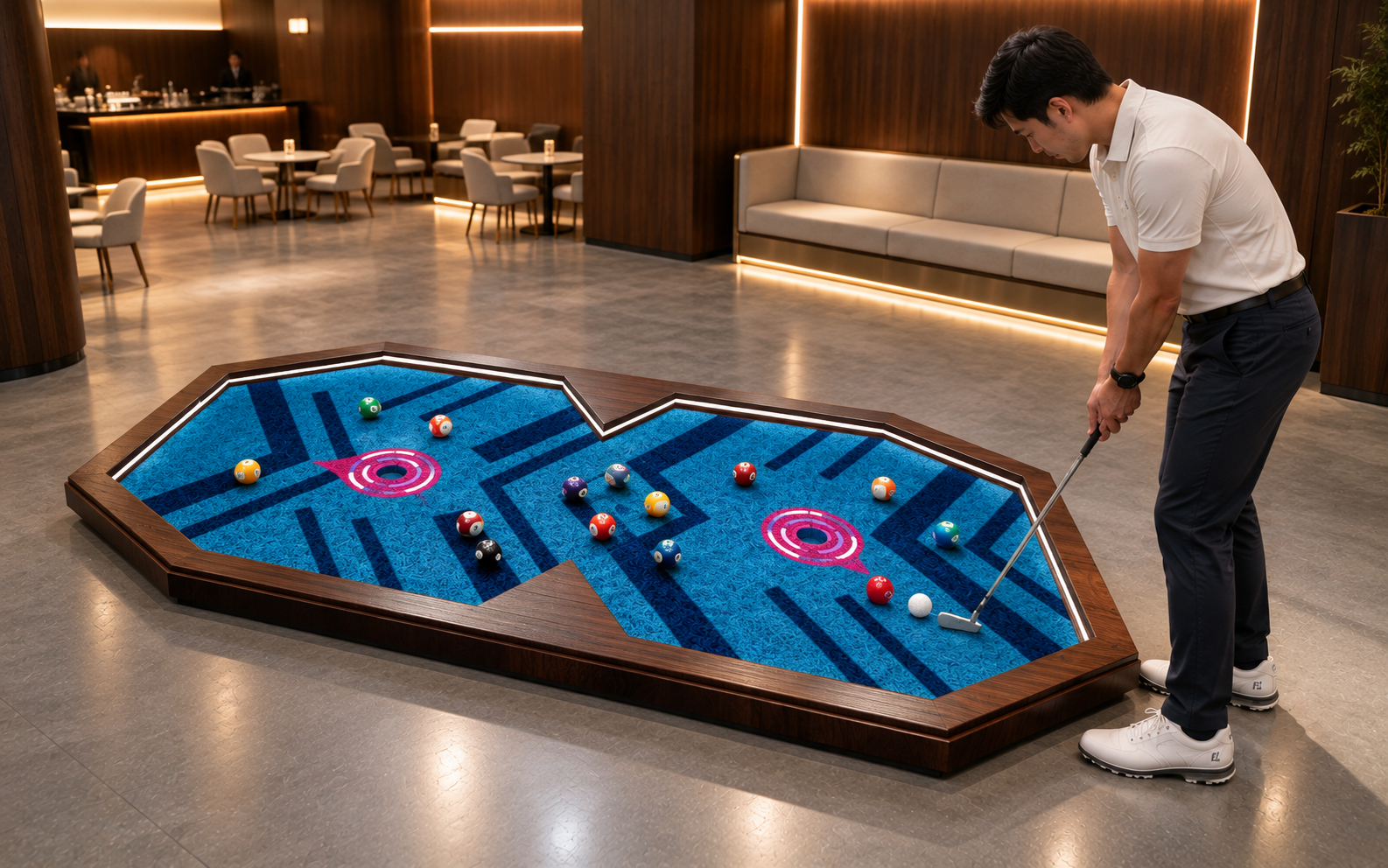
Billiard Golf Hole
A billiard-inspired layout combines putting with ball-shaped obstacles. Ask which instructions, training and support accompany the proposed equipment.
View Details ›Prepare a specification for your mini golf project
Send your measured plan, intended audience and proposed operating format. NextPlay can discuss equipment options and the product information and scope needed for a project quotation.