The 2026 machine news in one afternoon: the Arena 2.0 generation, the egg-chair comfort model year, and the Thunder racing-seat scoreboard - what is new, who each line is for, and how to choose.
The 2026 machine news is easier to read than most years because the catalog consolidated instead of sprawling. Three lines carry the new production: the free-roam arena moving to its 2.0 generation, the 9D egg-chair line owning the comfort entry, and the motorcycle-racing line sharpening the skill loop. Everything else in the market is a variant of one of these three - which makes an operator comparison genuinely finishable in an afternoon.
This piece is the who-is-it-for view: each line below gets the buyer profile, the operational signature, and the live product anchor. The rider-side feel of the same machines is covered in the published experience guide, and the budget view lives in the published 2026 cost guides - this one stays on what is new and who should care.
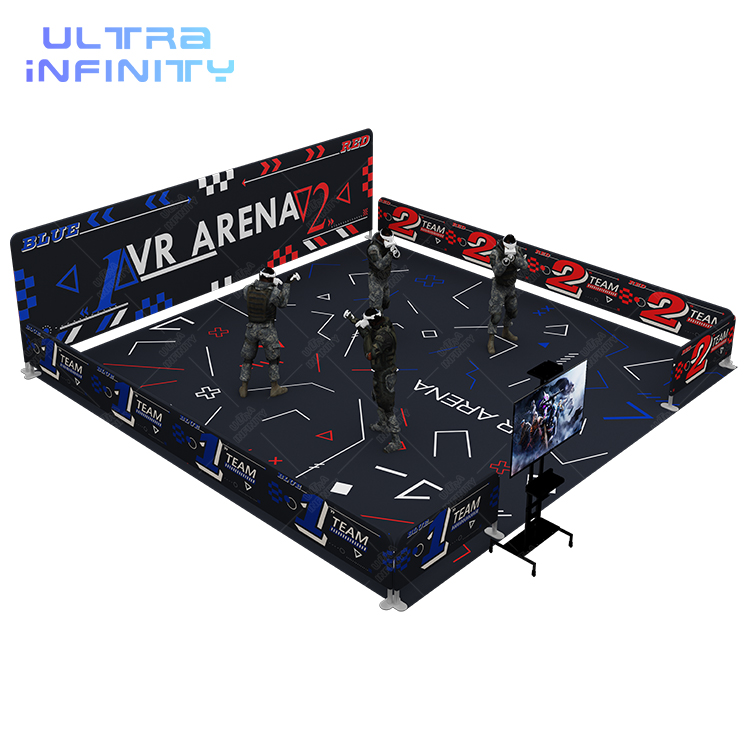
The arena is the line where 2026 news is genuinely generational. The Free Roaming VR Arena 2.0 formalizes what the first arena wave proved: the multiplayer walking-shooting session is the long-anchor slot of a venue week, and the floor plan itself is the level. The 2.0 generation packages the format - backpack compute, tracked space, mission rotation - so a buyer orders a known shape instead of negotiating a custom build, which is exactly the turnkey shift the published 2026 budget guide documents.
Who it is for: the birthday party that wants one unforgettable hour, corporate groups that outgrew bowling, and - the new buyer of 2026 - hybrid venues adding the group slot to floors that already host one. The operational signature is booking-led: sessions run 15-30 minutes with a briefing, and the published venue layouts price it as the reservation machine, not the walk-by machine.
The news in one sentence: the arena stopped being a project and became a product - and the buyer list widened the day that happened.
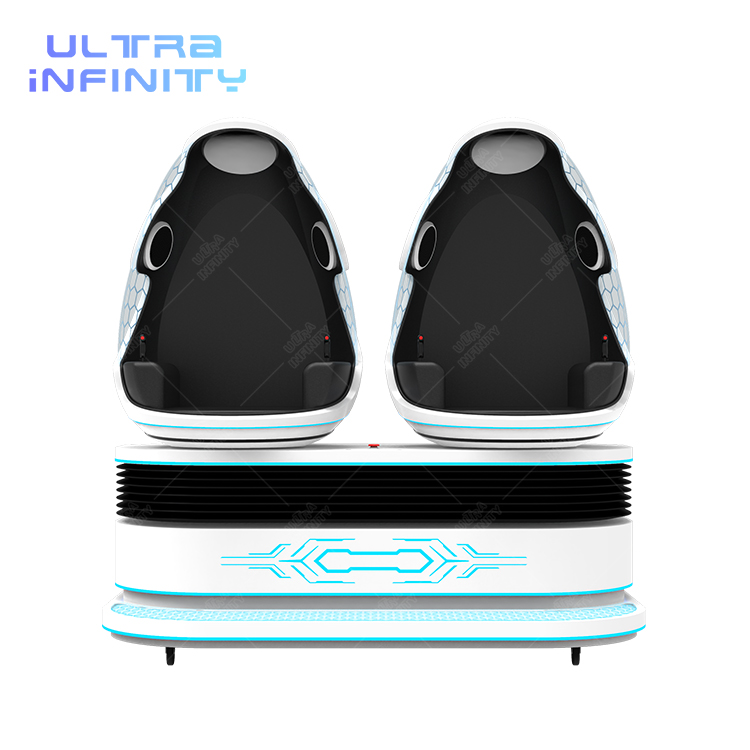
The Dino VR Egg Chair (9D Cinema VR Chair) is not new the way a platform launch is new - it is new the way a best-seller with a fresh model year is new. The 2026 refinements are operational: playlist control from gentle coasters to full 360 spins, faster rider cycling for queue-heavy floors, and the Match-Motion profile the published motion-sickness guide explains - the shell moves with the picture, so the rider skip list stays short and the queue keeps moving.
Who it is for: families with school-age kids, first-timers whose last VR was a cardboard experiment, and any venue whose revenue comes from walk-by traffic rather than bookings. The published 50-square-meter layout shows the volume case - six seats in the space an arena lobby would take - and the published impulse-ticket analysis shows why the format sits near the entrance: it converts the queue everyone else feeds on.
The VR Thunder Motorcycle Simulator (9D) is the specialist news of the year: the lean-to-turn loop - lean, throttle, counter-steer, hydraulic feedback - tightened into a qualifying-lap-plus-race session structure that gives the machine a scoreboard. The published experience guide describes the feel from the seat; the commercial story is that a scoreboard is a replay engine, and the rematch is the highest-margin ticket in the seated catalog.
Who it is for: teenagers and adults who play racing games, friend groups that want a result at the end of the night, and venues running league-style events. It is deliberately not the family first machine - the egg chair owns that - and the published layouts place the two lines side by side precisely because they hand off traffic: the queue the egg chair builds feeds the rivalry the Thunder monetizes.
The published sourcing coverage gives the framework this year machine news rewards. Question one: who is the rider - families take the egg chair, rivals take the Thunder, groups take the Arena 2.0. Question two: what is the room - the published 50-square-meter guide fits the seated lines into existing footprints, the arena needs the floor plan to become the level. Question three: what is the revenue shape - walk-by impulse takes seats, bookings take the arena, league nights take the scoreboard.
| 2026 machine line | Best buyer | Room it needs | Revenue shape |
|---|---|---|---|
| Free Roaming Arena 2.0 | Groups, celebrations, hybrid venues | The floor becomes the level | Booked long sessions |
| Dino VR Egg Chair (9D) | Families, walk-by traffic | A corner - six seats per 50 sqm | Fast impulse cycles |
| VR Thunder Motorcycle (9D) | Rival groups, league nights | Two seats side by side | Rematch + scoreboard |
Depth from the family: the 2026 arena budget guide prices the arena line, the launch ROI model frames payback per square meter, the VR chair guide walks the seat ladder, the expo sourcing guide gives the vendor checklist, and the rider-side feel of all three lines sits in the machine-by-machine experience guide.
The 2026 catalog updates cluster in three places: the arena line moving to its 2.0 generation (multiplayer walking-shooting with the space itself as the level), the 9D seat line consolidating around the egg-chair comfort format, and the motorcycle seat line sharpening the lean-to-turn racing loop. The machines on this site - the egg chair, the Thunder motorcycle seat and the Free Roaming Arena 2.0 - are the current production face of each line, with live pages a buyer can verify spec by spec.
For venues buying fresh, yes - it is the default. For existing single-game arena owners, the published 2026 budget guide frames the question correctly: upgrade only when the content library, not the hardware, is the constraint. The 2.0 line sells on multiplayer session throughput and re-runnable missions, so the upgrade case is strongest where group bookings repeat weekly and the same mission would otherwise rotate out.
The comfort formula is proven and the 2026 updates are operational rather than dramatic: playlist management (short coaster sessions to full 360 spins), faster rider cycling for queue-heavy floors, and the Match-Motion motion profile the published sickness guide documents - the seat moves with the picture, which keeps the skip list short. It remains the machine venues buy when the buyer is a family floor, not a gaming crowd.
The racing-seat buyer runs a scoreboard: rival friend groups, league nights, and any floor where the last lap is the social currency. The 2026 Thunder line sharpens the input loop - lean, throttle, counter-steer with hydraulic feedback - and structures sessions as qualifying lap plus race, which is the replay hook. It is the specialist buy of the three lines; the published experience guide covers how it feels from the seat.
Buy the rider and the room, not the machine: families and walk-by traffic take the egg chair, scoreboard crowds take the racing seat, groups and celebrations take the arena. The published 50-square-meter layout guide shows how the three coexist in one footprint, and the free 3D layout service tests the mix on your actual floor before an order moves.
The published expo sourcing guide gives the checklist: verify the content library ships with the machine (not sold per title later), confirm the footprint against your real floor plan, price the operator burden (staffed vs self-service per the published labor guide), and anchor every link to a live product page - which is exactly what the cards below provide.
The free 3D layout design tests which 2026 line fits your room before the order moves.