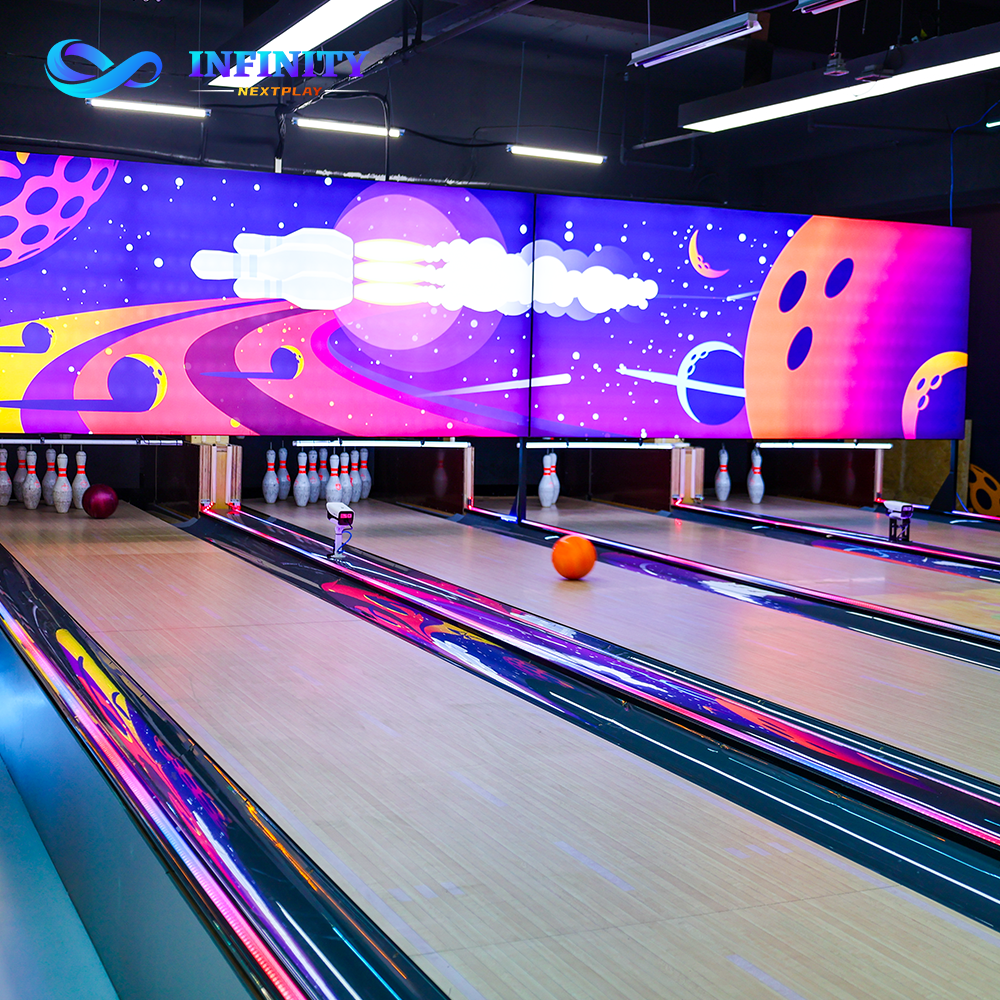
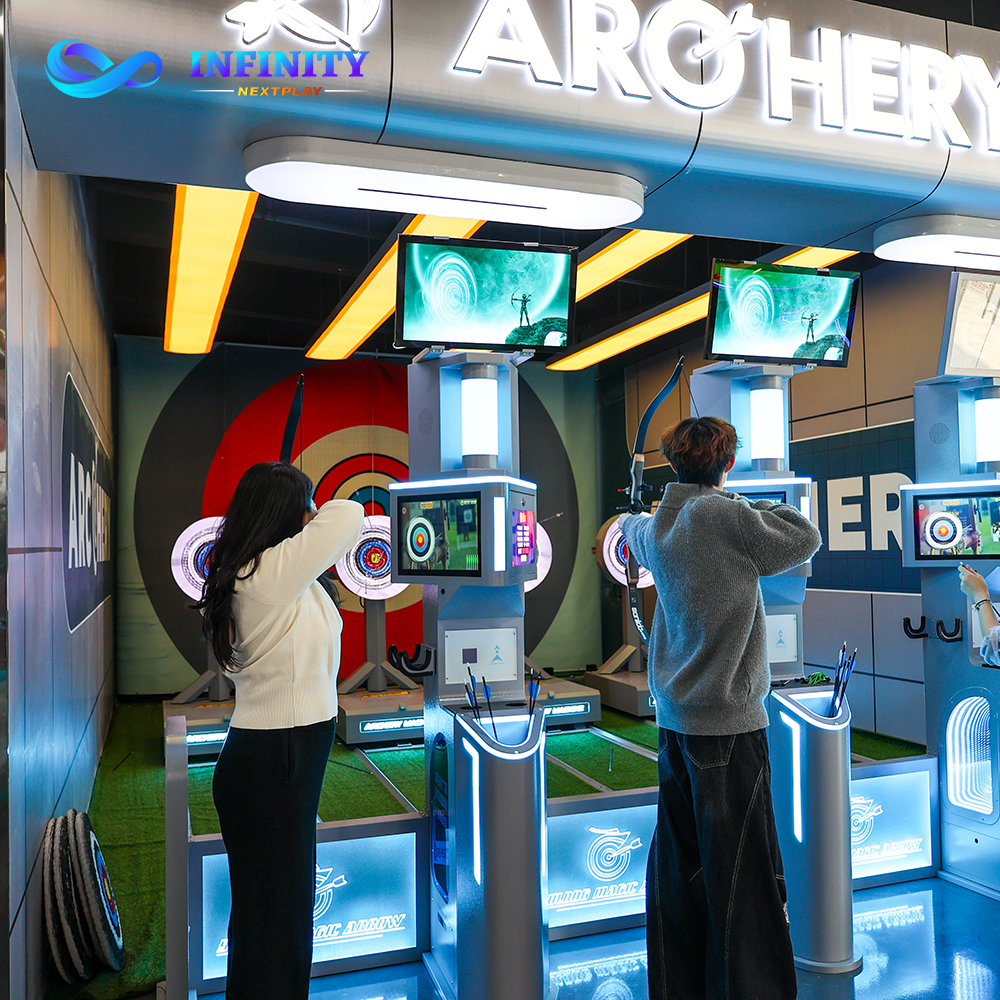
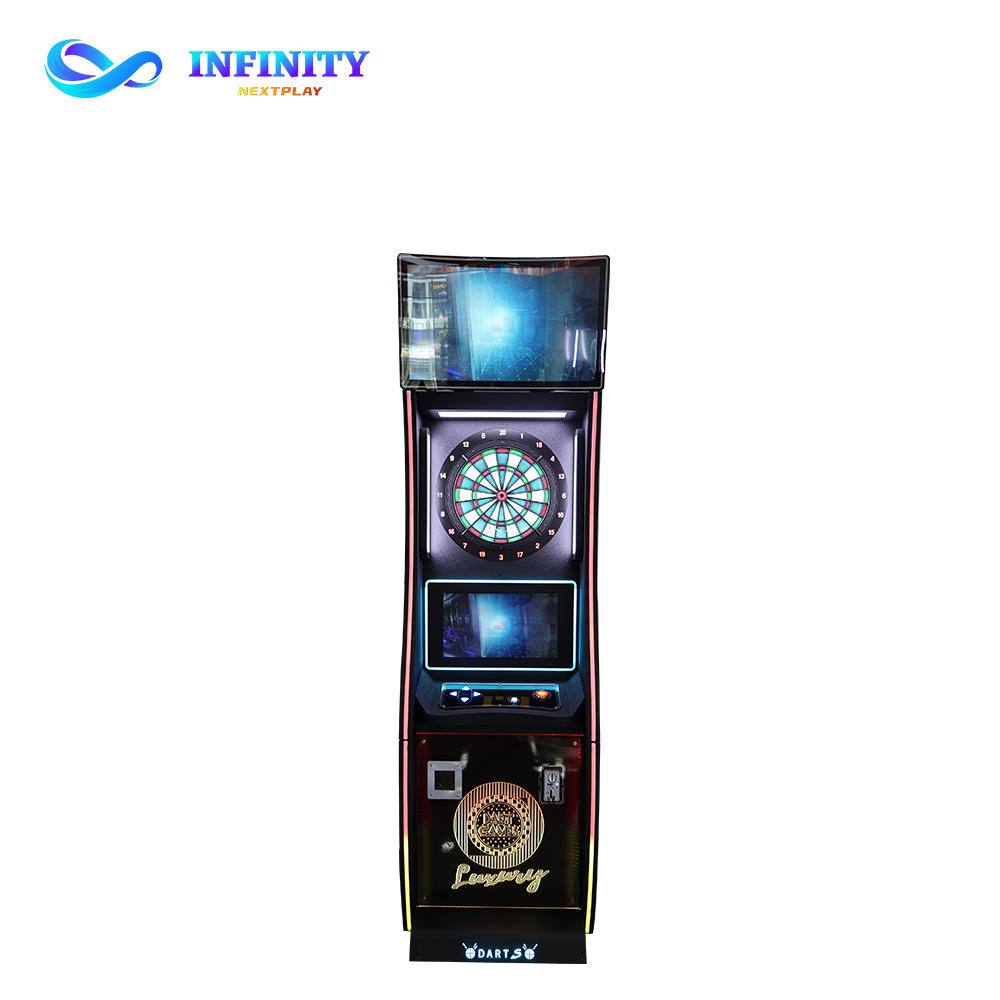
A sports hall does not hire staff - it hires coverage for zones, and the zones are not equal. A bowling pair needs a mechanic-minded attendant, an archery bay needs a safety host, twelve dart cabinets need nobody standing there, and the front desk needs exactly one person no matter how big the hall is. The published arcade labor formula already did the arithmetic for attraction venues: one to two staff per arena, one per eight to ten cabinets, a 15-20% labor share target, three-shift coverage. This playbook maps that formula onto the sports hall zone stack so the roster prices itself zone by zone instead of by gut feel.
The published zone-stack model splits a sports hall floor into five zones with back of house and circulation taking about 15%. Each zone carries a different staffing physics: hosted attractions price per attendant, self-play stations price per roving ratio, and the desk prices as a fixed cost per shift. The published equipment-mistakes analysis adds the constraint that shapes the roster - commercial-grade equipment engineered for 12-hour continuous shifts needs less repair chasing, and every repair call a consumer-grade machine generates is a staff hour the roster did not budget.
| Zone | Published Staffing Rule | What the Zone Demands |
|---|---|---|
| Bowling lanes | 1-2 attendants (arena-class) | Lane resets, shoe service, mechanical watch |
| Archery / shooting bays | 1 safety host per bay block | Briefing, harness checks, rotation control |
| Dart / self-play cabinets | 1 roving per 8-10 stations | Automatic scoring runs the games |
| Front desk / bookings | 1 per shift (fixed) | Bookings, groups, prize counter |
| Tournament overlay | +1 host +1 counter (event shifts) | The published Sunday model at 70%+ occupancy |
The published labor band of 15-20% of revenue is the number that arbitrates every hiring decision. A hall whose attended zones generate high ticket revenue can afford more hosts inside the band; a hall that leans on self-play stations spends less on labor but must win on volume. The published formula prices both: at three-shift coverage, the roster scales with the zone mix, not with floor area - a 1,000m2 hall that is half self-play can run leaner than a 600m2 hall that is all hosted bays, and the published archery and dart formats show why: a Digital Archery Simulator bay needs its safety host, while an Online Electronic Dart Machine X7 bank runs on automatic scoring and folds into the roving ratio.
Picture the published figures assembled into one Saturday shift. The hall opens at 10 AM with the baseline roster: one attendant on the Standard 10-Pin Bowling pair, one safety host covering the two archery bays, one roving staff member over the eight dart and shooting cabinets, one on the desk - four on shift, every zone covered by name. At 2 PM the published tournament overlay kicks in for the Sunday-league trial: a tournament host and a prize counter join for the event block, and the entry-fee structure funds them per the published self-funding model. Across the full day the shift pattern holds three-shift coverage, and the labor share lands inside the published 15-20% band because each hire maps to a zone that prices it.
The scenario is illustrative, but every number in it is a published reference: the per-arena and per-cabinet ratios, the zone-stack shares, the 15-20% band and the self-funding tournament overlay.
Every figure here is a published planning reference: the one-to-two-per-arena and one-per-8-10-cabinet ratios, the 15-20% labor share band and the three-shift coverage come from the published arcade labor formula; the five-zone stack with ~15% back of house comes from the published sports hall zone model; the 98%+ weekend uptime target and the 12-hour commercial-shift equipment constraint come from the published equipment-mistakes analysis; and the 70%+ occupancy self-funding tournament overlay comes from the published Sunday event model. All are planning references, not guarantees - restate each against your own floor plan, wage rates and zone mix before adopting them.
The questions operators ask about rostering a sports hall, answered with the published references.
The published labor formula starts at one to two attendants per arena attraction and one roving staff member per eight to ten self-play stations, with a labor share target of 15-20% of revenue and three-shift coverage across the operating day.
The published uptime analysis targets 98%+ weekend availability, which is equipment-driven - but the roster still flexes: weekday shifts run the baseline formula, while weekend and tournament shifts add the tournament-counter role the published league-night model calls out.
The published zone-stack planning model splits the floor into five zones with back of house and circulation taking about 15%. Staffed zones are the ones selling hosted play; self-play stations run on the published one-per-8-10 roving ratio.
Yes - stations with automatic scoring and online systems (the published dart and archery formats) drop out of the attended-station count and fold into the roving ratio, which is where the labor-per-attraction formula earns its keep.
The published Sunday tournament model runs a self-funding event at 70%+ occupancy - the roster adds a tournament host, the prize counter and one floater on top of the baseline shift, and the entry-fee structure covers the additional labor.
The published arcade labor analysis sets 15-20% of revenue as the healthy labor band across three-shift coverage; sports halls reuse the band because the zone economics are the same mix of hosted attractions and self-play stations.
Send us your zone list and operating hours: we will return the zone-by-zone roster map, the labor-share projection and the tournament overlay plan through the free 3D layout design - anchored with the Standard 10-Pin Bowling, the Digital Archery Simulator A4 or the Electronic Dart Machine X7.