The party segment as a packaged product: Wave, Party and Buyout tiers, per-head pricing anchored to published comparators, the day-of run sheet mapped to the session stages, the parents' side priced in, and upsells that live inside the wait.
A multiplayer VR shooting arena is the strongest party engine an FEC can buy, and it still sells badly when it is priced as a walk-in attraction. Parties buy outcomes - a booked slot, a hosted ceremony, a parents' side that works - and the packaging is what turns the published spec (24-40 players per hour on 100-200 square meters, 35-50 minute dwell, waves of four to ten) into a product a parent can put on a birthday invitation. This guide builds that product: package tiers, per-head pricing with its comparators stated, the day-of run sheet, and the upsells that monetize the party's own wait.
The planning anchors first: the published rates above, the published VR birthday playbook that structures the group experience, the wave economics in the published group-size guide, and the spectator-screen drink lift (+30%, published) that prices the parents' side. Per-visit comparators anchor the price band: karting at $6-9 per six-minute heat (published), laser at $11 per round (published), the grid at $80 per 15 minutes (published) - against the arena's much longer session.
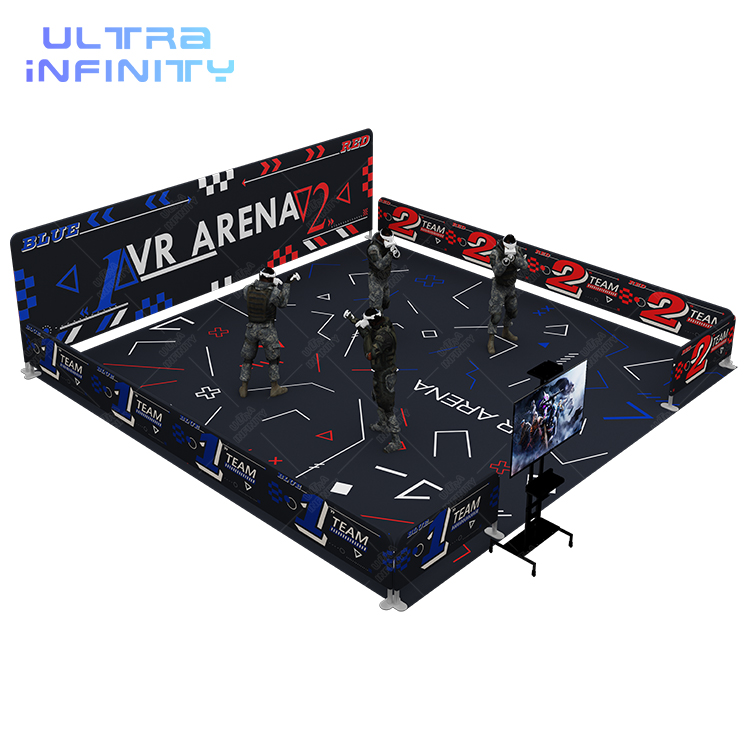
Tier one is the Wave package: one mission block for up to ten players, the briefing and gear-up handled by staff, fifteen minutes of scoreboard time - the format's entry product, bookable weekday afternoons. Tier two is the Party package: two to three waves across a 90-minute slot, a reserved parents' zone on the spectator line, the staged scoreboard ceremony, and F&B credit - the workhorse tier that fills Saturdays. Tier three is the Buyout: the arena block for a window, custom missions, the full ceremony, and the floor's side attractions opened for the group - the corporate and big-birthday tier the published layout guide reserves the flagship band for.
| Tier | Format (EXAMPLE frame) | Capacity basis (published) | Price structure |
|---|---|---|---|
| Wave | 1 mission block, up to 10 players, 15-min scoreboard | 1 wave of 4-10 players | Per head, 30-45 min |
| Party | 2-3 waves, 90-min slot, parents zone + ceremony | Waves of 4-10 across the block | Per head + flat room fee |
| Buyout | Arena block for a window, custom missions, side floor | 24-40 players per hour band | Flat window rate + per head |
Planning assumptions, stated in one place: the Example price bands below interpolate between the published per-visit comparators (karting $6-9 per six-minute heat, laser $11 per round) and the arena's 35-50 minute session - roughly four to eight times the heat length, which is where a $25-45 per-player party band lands as a worked frame, not a quote; weekend vs weekday splits follow the published build guide's calendar logic; deposits are set to cover the wave's staffing, not to profit on no-shows.
Pricing structure rule of thumb: never discount the mission content - it is the scarce, throughput-bound product (the published 24-40 players per hour is the ceiling); discount the shoulder instead. The weekday Wave tier, the sibling add-on and the return-visit coupon (the lever the published repeat-visit guide documents) all cut price where the calendar is empty, never where it is full.
The run sheet is the package's second half, and it maps to the published session-stages arc: briefing, calibration, rounds, scoreboard. Concrete scenario (EXAMPLE) for a twelve-guest Party package on a Saturday: minus 20 minutes the host walks the parents' zone and stages the ceremony props; slot start, wave A (six players) briefs while wave B holds on the spectator line; mid-slot, wave A scores while wave B calibrates - the two-door flow the layout guide plans so waves never cross; final 15 minutes, full-group scoreboard ceremony, medals, hero shot, and the next-visit coupon handed at the counter. One operator runs the arc; one host runs the room; the package prices both in.
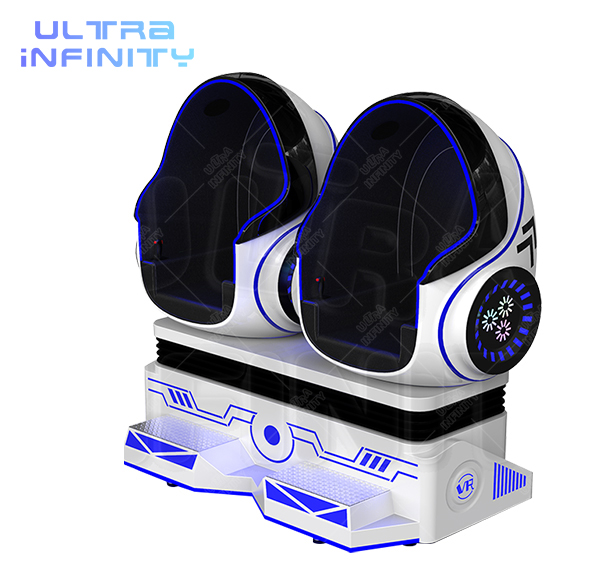
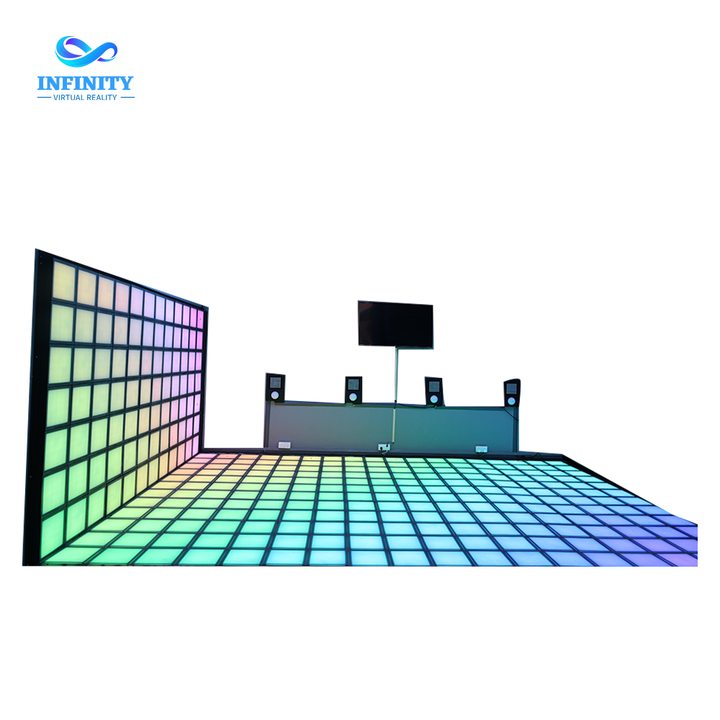
The parents' side earns its place in the tier: a sightline to the scoreboard, coffee within reach, and the watching line that converts to counter revenue - the published +30% spectator-screen drink lift is the mechanism, and the published spectator-screen study prices the screen that faces the seats. Siblings and non-playing guests route to the compact chairs and the grid rooms: the published $80 per 15-minute grid turns the between-wave gap into inventory, and the published karting guide shows the same wait-monetization logic at row scale.
The upsell stack completes the run sheet, and every item sits inside time the package already schedules: spectator drinks during waves, grid rooms between them, compact chairs for siblings, the ceremony photo as the take-home, and the coupon that converts the party into the next booking. Nothing on the list needs a new sales conversation - the published session-stages guide places each one at the stage where the guest is naturally idle.
Who it is for: the operator whose arena is built and laid out - the published birthday playbook staged the experience, this guide prices and schedules it - and whose weekends should be the anchor revenue the format was bought for. The same tiers travel: corporate team-building books the Buyout with a meeting room bolted on, schools book weekday Wave tiers, and the 57% multi-activity preference (n=600, published) means the party package sells the floor, not just the arena.
Where it fits: the party calendar is the demand curve the repeat system plugs into - every staged ceremony graduates guests into the ladder and league systems the published repeat-visit guide runs, and every parents' zone is a second sales conversation happening 40 minutes from the counter. Close the loop the practical way: name the tiers, print the run sheet, stage the ceremony, and let the wave patterns book themselves - the published numbers already repeat; the package just makes them buyable.
The published wave pattern runs four to ten players per mission on the 100-200 square meter block, and parties book in waves: two to four waves across a 90-minute to two-hour slot, which is why the packages here are built per wave rather than per hour. A twelve-guest party is two waves of six; a twenty-guest party is two waves of ten.
Per head for the mission content, flat for the room and ceremony. The Example tiers below interpolate between the published per-visit comparators - karting at $6-9 per six-minute heat, laser at $11 per round, the grid at $80 per 15 minutes - and the arena's longer 35-50 minute session, which is what carries the higher per-player band.
A sightline to the scoreboard and somewhere comfortable to hold a coffee for 40 minutes - the published spectator-screen pattern lifts arena-side drink sales by 30%, so the viewing line is revenue geometry, not hospitality. Add the grid or the compact chairs for siblings who are not in the wave.
Two to three weeks for weekends, with a deposit that converts the booking into a calendar slot - the party calendar is the arena's anchor revenue, and the published build guide treats it as the format's real business. Weekday slots absorb late bookings and feed the league-night system the repeat-visit guide documents.
It is the moment the whole party faces one screen, and the published session-stages arc ends there on purpose: medals, the hero shot, and the next-visit coupon handed while everyone is still looking at their own scores. The ceremony is where the 60-70% rematch pattern and the next booking both happen.
The three that sit inside the party's own wait: the spectator drinks (the published +30% lift), the grid rooms for the between-wave gap ($80 per 15 minutes, published), and the compact chairs for siblings - each one monetizes time the package already schedules instead of adding a new sales pitch.
Send us your wave sizes and weekend structure: we will return the tier sheet, run-sheet timings and pricing frame through the free 3D layout design - anchored with the Free Roaming VR Arena 2.0, the VR Egg Chair and the Infinity Grid LED Game.