The floor-vs-console question asks why the interactive gaming floor out-earns the row of screens, and the answer is the body. The console row sells the private session: the player sits at the screen, the game runs in the headset or the cabinet and the crowd watches the backs of the players; the row is the private experience. The gaming floor sells the shared moment: the players stand on the floor, the motion drives the game and the crowd sees the jumps, the throws and the scores live; the floor is the public spectacle. The console competes with the home: the player owns the same games on the home console, the home screen is free and the venue version must beat the sofa; the venue screen cannot win the price war. The motion floor has no home rival: the LED tile floor needs the 20 to 40 square meters, the lane needs the 20 meters and the dart board needs the group, and the home cannot copy the physical play; the motion is the venue moat. The economics follow the body: the console row earns the 30 to 60 minutes of the private session per seat, the floor earns the 60 to 90 minutes of the shared session with the food and the drink and the floor turns the same square meters into the three times the revenue per head; the floor is the yield engine. The venue that replaces the console row with the active floor changes the business model, and the venue that keeps the rows sells the time the guest can buy at home; the choice is the strategy.
The floor-vs-console answer also explains the arcade decline: the classic arcade cabinet ran on the novelty of the coin and the screen, the novelty faded as the home console matched the graphics and the cabinet became the museum piece. The motion floor runs on the physical and the social experience that the home cannot deliver, and the experience keeps the price.
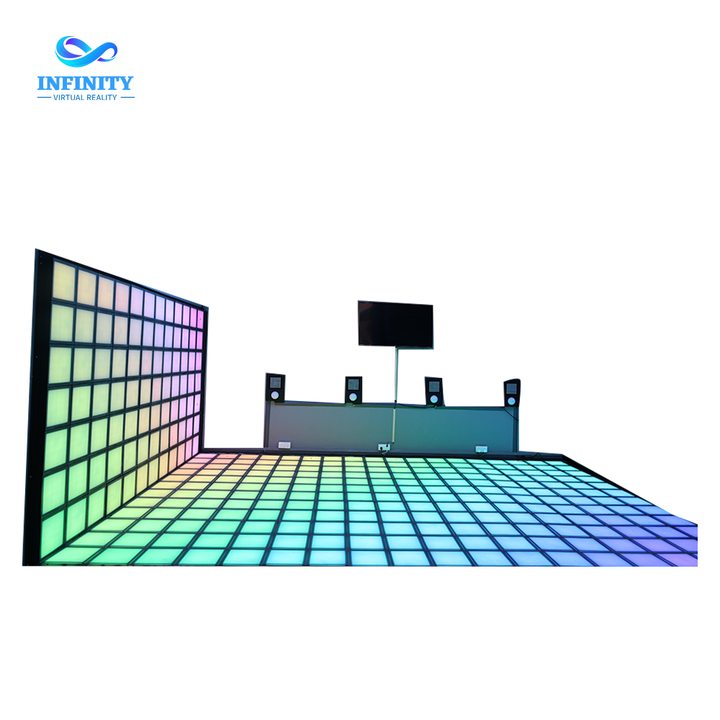
The physical motion is the core advantage of the gaming floor, and the advantage runs through the body of the player. The motion creates the feedback: the LED floor lights under the feet, the jump lands the score and the body feels the landing, so the physical feedback is stronger than the visual-only cue of the screen; the body is the controller. The motion creates the spectacle: the player on the jumping floor draws the eyes of the crowd, the crowd cheers the landing and the cheer pulls the next player, so the physical play is the self-marketing attraction; the spectacle is the draw. The motion creates the workout: the 10-minute session on the LED floor burns the energy of the 30-minute sitting session, the parents choose the active play for the kids and the adults buy the active hour for themselves, so the fitness angle widens the audience; the workout is the extra value. The Infinity Grid LED Dance Floor is the motion anchor: the Infinity Grid runs the multiplayer jumping tiles with the light-up challenge, the group plays the speed rounds and the floor records the steps and the scores, so the LED floor turns the game into the full-body event; the LED is the motion centerpiece. The motion also drives the duration: the player who moves stays engaged longer than the player who watches, the session runs the 60 to 90 minutes instead of the 30 and the longer session buys the food and the drink in the middle; the motion extends the visit. The venue that leads with the physical play wins the experience that the console cannot copy.
The motion also builds the safety story: the LED tiles run the padded and the low-impact surface, the dart board runs the soft-tip darts and the duckpin lane runs the light balls, so the active floor is designed for the family and the group without the injury risk of the traditional sport. The safety widens the audience to the parents and the seniors.
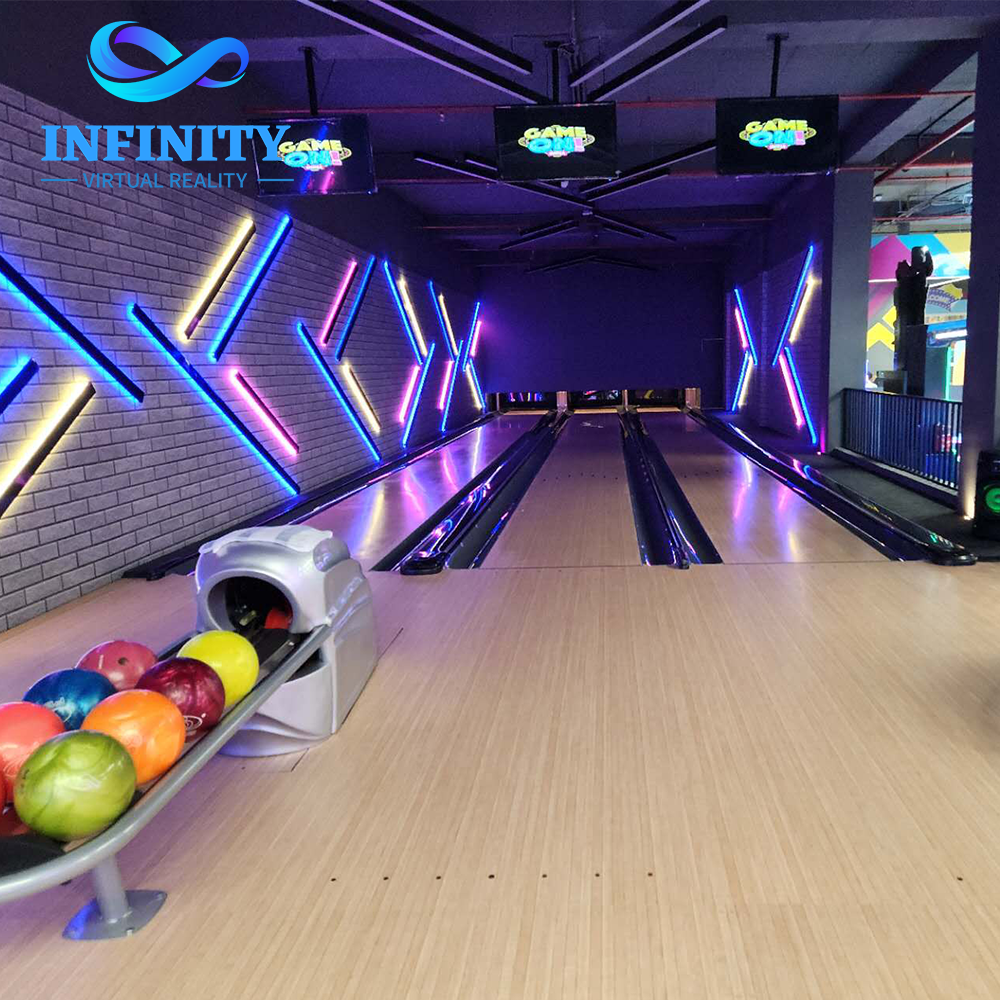
The social floor is the second advantage of the gaming floor, and the advantage runs through the group. The floor hosts the group: the 6 to 8 people play the LED challenge at once, the friends compete on the same floor and the scoreboard settles the rivalry, so the floor serves the group that the console row splits into the separate booths; the floor is the group host. The floor creates the conversation: the group watches the same jump, debates the same throw and celebrates the same win, and the conversation drives the food and the drink orders between the rounds, so the social play feeds the margin ledger; the conversation is the spend driver. The floor creates the return: the group that played together returns with the next group, the birthday party books the floor for the kids and the corporate team books the challenge for the off-site, so the shared experience is the repeat booking engine; the shared play is the retention. The Duckpin Bowling System is the social anchor: the duckpin lane runs the compact format beside the bar, the frames rotate the 4 to 6 players and the bar rail turns the frame breaks into the rounds, so the duckpin is the social hub that mixes the play and the pour; the duckpin is the group lane. The social math is simple: the console row serves the 1 to 2 players per booth, the floor serves the 6 to 8 per station and the group format multiplies the per-square-meter yield without the added staff; the social format is the capacity multiplier.
The social floor also solves the empty-hour problem: the private screens sit dark in the weekday afternoon, while the group floor fills with the school groups, the birthday parties and the team practices. The floor runs the bookings through the week, not only the weekend peaks.
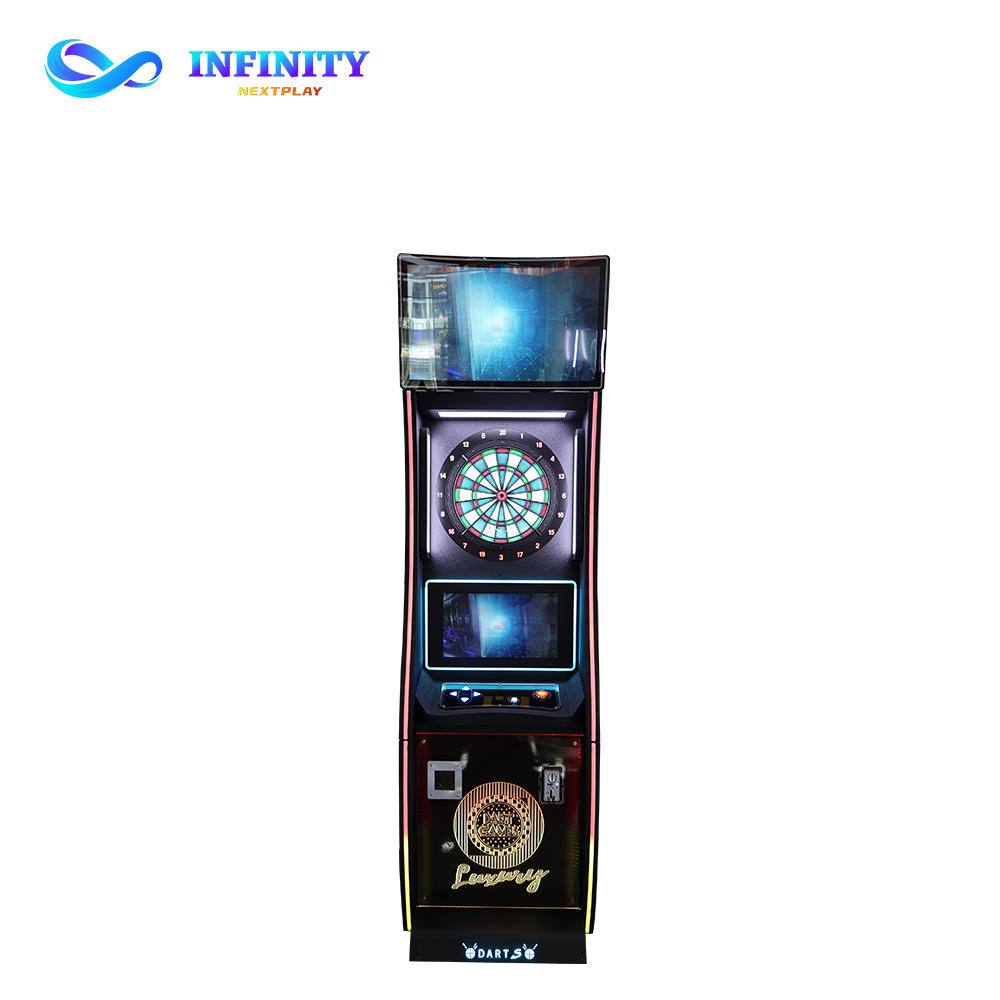
The repeat-visit math explains why the gaming floor builds the returning base that the console row cannot, and the math runs on the progress, the rivalry and the events. The progress is the first pull: the LED floor records the steps and the scores, the player beats their own number and the next visit is the chance to beat it again, so the personal record brings the player back; the progress is the repeat hook. The rivalry is the second pull: the dart leaderboard posts the weekly winners, the friends trade the top spot and the league table keeps the group engaged across the weeks, so the rivalry creates the recurring visit; the rivalry is the league hook. The events are the third pull: the LED challenge night, the duckpin tournament and the dart league run on the calendar, the event draws the committed players and the event fee covers the floor, so the calendar keeps the venue full on the quiet nights; the events are the schedule hook. The Online Electronic Dart Machine X7 is the repeat anchor: the X7 runs the global online league with the automatic scoring, the ranking of the player lives on the network and the weekly match brings the player back to the station, so the X7 turns the casual thrower into the recurring league member; the X7 is the retention machine. The repeat math: the 75 to 85 percent of the group visitors return within the month, the returner visits the 2 to 3 times per month and the returner spends the 18 to 25 dollars per visit, so the returning base delivers the 2 to 3 times the lifetime value of the one-time console player; the repeat is the value engine.
The repeat math also sets the membership: the monthly pass for the floor games, the league fee and the birthday club convert the returner into the committed member, and the member base smooths the revenue across the calendar. The membership is the revenue floor.
The floor mix is the conversion plan that turns the arcade space into the active zones, and the plan replaces the rows with the motion, the social and the competitive zones. The motion zone leads the front: the LED floor runs the entrance spectacle with the light-up challenge, the motion pulls the passers into the venue and the floor serves the first 20 to 30 minutes of the visit; the motion zone is the front door. The social zone anchors the middle: the duckpin lanes run beside the bar with the rail seating, the frames rotate the groups and the bar turns the breaks into the rounds, so the social zone is the dwell engine of the evening; the social zone is the middle. The competitive zone holds the regulars: the dart boards run the league and the leaderboard, the X7 posts the online rankings and the regulars return for the weekly matches, so the competitive zone is the retention wing; the competitive zone is the back room. The mix covers the visit: the first-time guest starts on the LED floor, moves to the lanes with the friends and returns for the league, so the zones build the journey from the spectacle to the loyalty; the mix is the journey map. The Infinity Grid LED Dance Floor anchors the front, the Duckpin Bowling System anchors the middle and the Online Electronic Dart Machine X7 anchors the back, and the three zones replace the console row with the active loop that earns on the play, the food and the return.
The mix also follows the space: the 100 square meters that held the 20 console booths holds the LED floor, the 2 duckpin lanes and the 4 dart stations, and the active layout serves the 3 to 4 times the guests of the booth row. The floor plan is the yield plan.
The operator playbook runs the active floor as the daily business, and the playbook covers the staffing, the pricing and the events. The staffing hosts the floor: the floor host starts the games, explains the rules, referees the challenges and converts the first-timer into the returner, so the host is the difference between the equipment and the experience; the host is the floor value. The pricing sells the session: the 20 to 30 minute LED pass, the 60 minute lane rental and the all-access evening band cover the play, while the food and the drink carry the margin; the pricing separates the play and the pour ledgers. The events fill the calendar: the LED challenge night on the Tuesday, the duckpin tournament on the Thursday and the dart league on the Sunday keep the floor busy through the week, so the events smooth the revenue; the events are the calendar engine. The floor also runs the safety check: the daily wipe of the LED tiles, the soft-tip dart inspection and the lane sweep keep the active play safe and the insurance low, so the maintenance protects the operation; the safety is the operating cost control. The operator that treats the floor as the hosted experience beats the console venue that treats the machines as the vending units, and the hosted experience is the repeat engine.
The playbook also tracks the numbers: the sessions per hour, the guests per station and the food per session show which zone earns the most, and the venue rebalances the mix and the pricing by the data. The data is the steering wheel of the active floor.
The floor sells the physical and the social experience that the home console cannot copy: the LED floor needs the 20-40 square meters, the lane the 20 meters and the dart board the group, so the venue wins on the motion and the spectacle instead of the graphics war.
The active floor serves the 3-4 times the guests of the booth row: the console booth holds the 1-2 players, the floor station holds the 6-8 and the group session runs the 60-90 minutes with the food and the drink against the 30-60 minute private session.
The progress, the rivalry and the events: the LED floor records the personal scores, the dart leaderboard posts the weekly winners and the challenge nights and the leagues fill the calendar. The 75-85 percent of the group visitors return within the month.
The motion zone leads the conversion: the LED floor runs the entrance spectacle and pulls the passers into the venue, then the duckpin lanes anchor the social middle and the dart boards hold the regulars with the league. The three zones build the active loop.
The floor host: they start the games, explain the rules, referee the challenges and convert the first-timer into the returner. The host is the difference between the equipment and the experience, and the hosted floor out-earns the vending row.
Yes: the LED tiles run the padded low-impact surface, the dart board runs the soft-tip darts and the duckpin lane runs the light balls. The daily wipe, the dart inspection and the lane sweep keep the insurance low and the audience wide.
The floor-vs-console question is answered by the body: the physical motion creates the feedback, the spectacle and the workout that the screens cannot copy, the social floor hosts the group that the booths split and the repeat math builds the returning base. The floor mix replaces the console row with the motion, the social and the competitive zones that earn on the play, the food and the return.
The Infinity Grid LED Dance Floor is the motion anchor, the Duckpin Bowling System is the social anchor and the Online Electronic Dart Machine X7 is the repeat anchor. The next step is the active floor kit: ask NextPlay for the motion-game mix, the social loop layout and the repeat-visit model for your venue.
Ask NextPlay for the active floor kit: the motion-game mix, the social loop layout and the repeat-visit model for the Infinity Grid LED Dance Floor, the Duckpin Bowling System and the Online Electronic Dart Machine X7.