The dwell question asks how long the guest stays, and the answer decides how much the guest spends, because every extra hour in the venue is the hour of extra tickets, rounds and food orders. The traditional arcade runs the short visit: the guest buys the credit bundle, plays the cabinets in the loop, runs out of the credits and leaves within the 60 to 90 minutes, so the arcade monetizes the visit once and the guest leaves with the time still available; the short visit is the single-sale format. The gaming lounge runs the long visit: the guest enters the floor, plays the short challenge on the LED grid, moves to the duckpin lane for the frame, joins the dart league leg and sits at the bar between the zones, so the visit stretches to the 2 to 3 hours and the venue sells the play, the rounds and the food across the evening; the long visit is the multi-sale format. The dwell gap is the 40 percent: the lounge groups stay the 40 percent longer than the arcade guests on the same evening, and the longer stay compounds because the extra 40 to 60 minutes carries the drink round, the snack order and the second play pass; the gap is the revenue multiplier. The venue that designs the floor for the long visit multiplies the per-guest revenue without adding a single square meter, and the venue that keeps the arcade loop sells the single pass; the dwell is the first design decision.
The dwell question also explains the venue type: the lounge floor with the mixed rhythms holds the group through the natural evening, the single-format floor loses the group when the session ends and the bar-only venue sends the guest home after the drink. The multi-zone floor is the retention architecture, and the architecture starts with the rhythm mix.
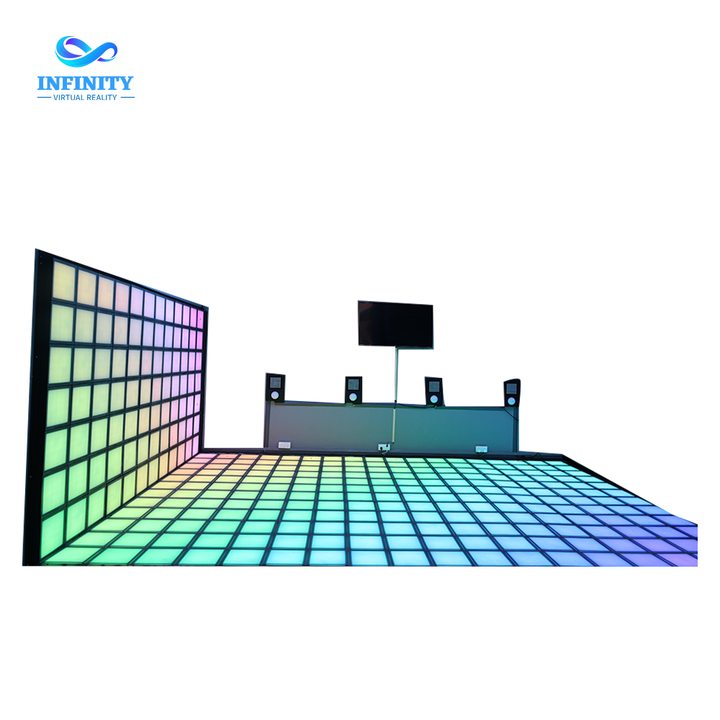
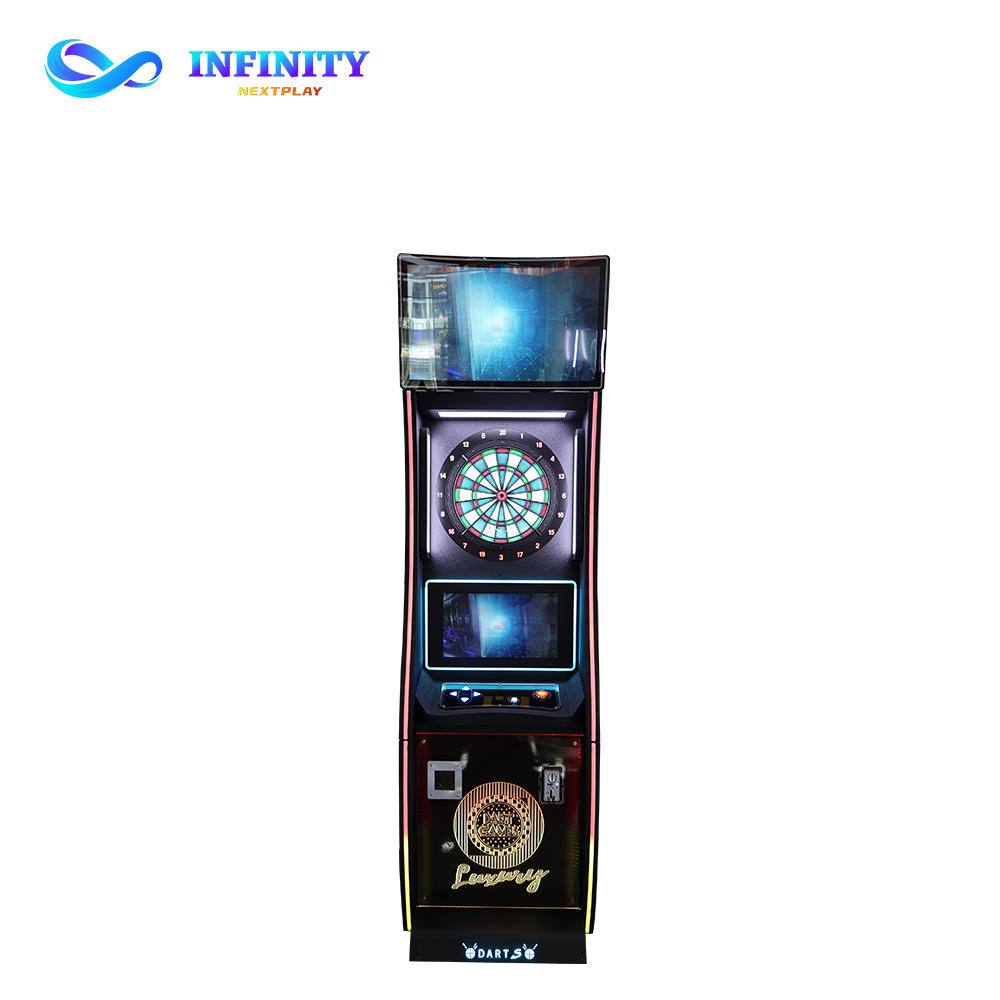
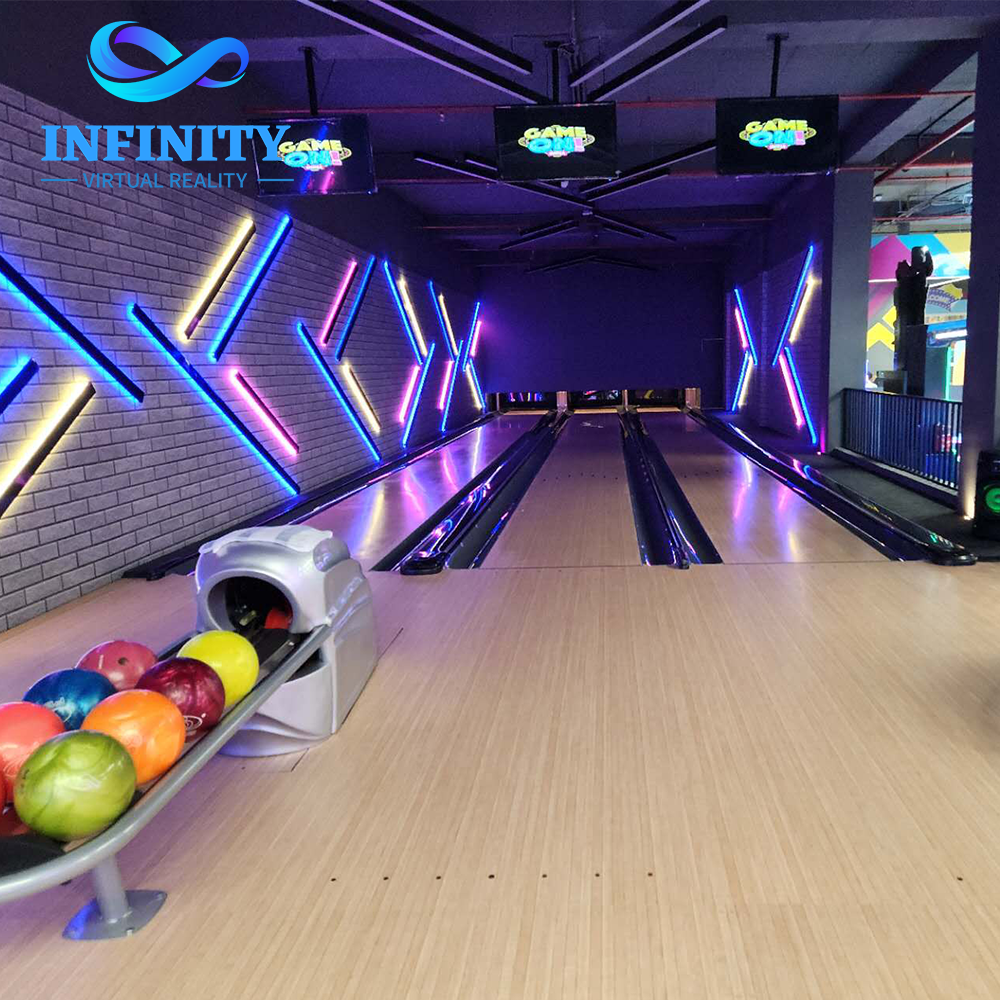
The three-rhythm floor is the mechanism that extends the visit, and the mechanism chains the short, the mid and the long sessions so the group never hits the empty moment. The short rhythm is the 5 to 10 minute challenge: the Infinity Grid LED Dance Floor runs the light-up tile game with the multiplayer challenge, the group races the pattern, the winner is crowned and the next challenge starts in the seconds, so the short rhythm fills the gaps and the group stays in the motion; the short session is the gap-filler. The mid rhythm is the 20 to 30 minute round: the Online Electronic Dart Machine X7 runs the global league leg with the automatic scoring, the leg finishes in the minutes, the leaderboard creates the rivalry and the group moves to the bar for the round before the next leg, so the mid rhythm holds the group through the social competition; the mid session is the rivalry engine. The long rhythm is the 60 to 90 minute session: the Duckpin Bowling System runs the frames with the seated breaks, the group plays the full string, the shoe and the lane fee cover the long play and the bar rail captures the rounds between the frames, so the long rhythm anchors the evening; the long session is the anchor. The chain is the retention engine: the group enters with the short challenge, holds through the mid legs, anchors on the long lane session and leaves after the 2 to 3 hours, so the floor that mixes the three rhythms turns the single visit into the full evening.
The zone-link design is the layout that moves the group from the zone to the zone without the dead time, and the dead time is where the visit dies. The dead moment is the empty walk: the guest finishes the session, looks around for the next game, sees the long queue or the unclear route and leaves; the dead moment ends the visit. The zone link removes the dead moment: the LED challenge zone sits beside the dart league wall, the dart wall feeds the duckpin lanes and the lanes wrap the bar, so the group finishes the pattern and steps directly into the leg, finishes the leg and steps into the frame, and the bar sits on the route between every zone; the link is the continuous route. The sightline is the second link: the guest sees the next zone from the current one, the light and the sound of the LED grid pull the eye, the leaderboard screens of the dart wall show the live match and the glowing pins of the lanes invite the group, so the venue sells the next game before the current one ends; the sightline is the pull. The routing is the third link: the single loop with the bar at the hub keeps the group circling the floor, the loop passes the cashier twice per hour and the second pass becomes the snack or the round order, so the layout that circles the floor extends the stay by design; the routing is the dwell architecture. The venue that links the zones with the sightlines and the loop keeps the group moving through the evening, and the venue that scatters the machines loses the group in the dead walk; the layout is the retention blueprint.
The group dynamic is the social mechanism that holds the party, and the mechanism works because the group extends the visit for every member. The solo player leaves on the personal rhythm: the single guest finishes the session, the credits run out and the motivation drops, so the solo visit ends with the machine; the solo is the short visitor. The group stays on the social rhythm: the six to eight players in the party rotate through the zones, the winner of the LED challenge picks the next game, the leaderboard of the dart wall creates the rematch demand and the duckpin string continues until the group finishes the frames, so no single member controls the exit and the group leaves only when the party decides; the group is the long visitor. The social pressure is the retention force: the player who wants to leave stays for the teammate who is mid-leg, the teammate who is mid-leg starts the next challenge and the party that stays together spends together, so the group converts the individual short sessions into the collective long evening; the group is the dwell multiplier. The venue designs for the group: the six to eight player tables, the team challenges on the LED grid, the league nights on the dart wall and the lane groups on the duckpin floor hold the parties that the solo cabinets cannot, and the party size lifts the per-visit check along with the time; the group format is the retention strategy.
The group also feeds the venue economy: the group that stays the extra hour orders the extra round, the party that celebrates the winner buys the second snack board and the league team that returns every Tuesday fills the midweek floor, so the group dwell builds the recurring revenue that the solo play cannot.
The evening curve is the hourly shape of the visit, and the shape decides how much of the peak window the venue captures. The peak window runs the 6 to 10 PM: the after-work groups arrive from 6, the dinner crowd mixes from 7 to 9 and the late groups leave after 10, so the venue monetizes the four hours when the floor is full; the window is the revenue peak. The traditional arcade loses the window in the middle: the guest arrives at 7, plays the credits for the 60 minutes and leaves at 8, so the venue sells one pass in the peak and the floor empties at 8:30; the arcade loses the curve. The multi-zone lounge holds the curve: the group arrives at 6:30, plays the LED challenge until 7, sits for the dinner round at the bar, plays the dart legs until 8:30, anchors on the duckpin string until 9:30 and leaves at 10, so the venue sells the play pass, the dinner, the rounds and the late snack across the window; the lounge captures the curve. The programming stretches the curve further: the Tuesday league night fills the 7 to 10 window with the dart teams, the weekend tournament holds the LED challenge bracket from 6 to 9 and the late-night duckpin special keeps the after-10 groups, so the venue that programs the evening extends the dwell beyond the natural window; the programming is the curve filler. The venue that designs the floor and the events for the 6 to 10 window multiplies the peak-hour revenue, and the venue that leaves the window to the walk-in rhythm loses the evening; the curve is the revenue calendar.
The dwell math converts the extra time into the extra revenue, and the math starts with the per-hour spend and the visit length. The per-hour spend is the first number: the active guest plays the 12 to 18 dollars per hour across the credits and the rounds, the guest orders the 8 to 12 dollars of food and drink per hour in the lounge format and the combined hourly yield lands at the 20 to 30 dollars; the hour is the yield unit. The visit length is the second number: the arcade guest stays the 1.5 hours at the 18 dollar yield for the 27 dollar visit, the lounge group stays the 2.5 hours at the 24 dollar yield for the 60 dollar visit and the gap is the 40 percent longer stay at the higher yield; the length is the revenue driver. The group math is the third number: the six-person party at the 60 dollar per-person visit produces the 360 dollars against the 162 dollars of the same party in the arcade format, so the multi-zone floor doubles the group revenue without the extra space; the group is the compounding factor. The table summarizes the dwell math:
| Format | Visit Length | Yield/Hour | Visit per Person |
|---|---|---|---|
| Traditional arcade | 1-1.5 hrs | $18 | $27 |
| Gaming lounge group | 2-3 hrs | $24 | $60 |
| Lounge party of 6 | 2-3 hrs | $24 | $360 total |
| League regular (weekly) | 3 hrs | $28 | $1,500+/year |
The dwell math guides the floor: the venue mixes the short, the mid and the long rhythms, links the zones with the sightlines and the loop and programs the evening curve, so the extra hour becomes the extra pass, the round and the snack. The dwell is the cheapest revenue the venue can build.
The multi-zone lounge group stays the 40 percent longer than the arcade guest on the same evening: the 2 to 3 hour visit against the 1 to 1.5 hours of the credit-based arcade. The three-rhythm floor keeps the group moving between the short LED challenge, the mid dart leg and the long duckpin session.
The solo player leaves when the credits run out, while the group stays on the social rhythm: the winner picks the next game, the leaderboard creates the rematch and the duckpin string continues until the party finishes. No single member controls the exit, so the group leaves only when the party decides.
The zone-link loop with the bar at the hub: the LED zone feeds the dart wall, the dart wall feeds the duckpin lanes and the lanes wrap the bar, so the group circles the floor and passes the cashier twice per hour. The sightline pulls the group to the next zone before the current session ends.
The Tuesday league night fills 7 to 10 with the dart teams, the weekend LED bracket tournament holds 6 to 9 and the late-night duckpin special keeps the after-10 groups. The programming extends the dwell beyond the natural window and fills the midweek floor.
The arcade guest yields about 27 dollars per visit against the 60 dollars of the lounge guest, and a six-person party produces 360 dollars in the lounge format against 162 dollars in the arcade. The extra hour compounds across the group and the evening.
The duckpin lane anchors the 60 to 90 minute session with the frames and the seated breaks, the dart machine holds the 20 to 30 minute rivalry legs and the LED grid fills the 5 to 10 minute gaps. The three products build the rhythm chain that extends the visit.
The dwell question is answered by the floor design: the three-rhythm mix chains the short LED challenges, the mid dart legs and the long duckpin sessions, the zone-link layout removes the dead time and the evening programming fills the 6 to 10 PM window, so the group stays the 40 percent longer and spends across the whole visit.
The Infinity Grid LED Dance Floor fills the gaps, the Online Electronic Dart Machine X7 runs the rivalry legs and the Duckpin Bowling System anchors the long session. The next step is the dwell floor plan: ask NextPlay for the three-rhythm zone layout, the group routing and the evening programming for your floor.
Ask NextPlay for the dwell floor plan: the three-rhythm zone layout, the group routing and the evening programming for the Infinity Grid LED Dance Floor, the Duckpin Bowling System and the Online Electronic Dart Machine X7.