The safety question decides how much the venue pays for the insurance and how often the incident report lands on the desk, and the answer starts with the physics of the play surface. The trampoline runs the bounce physics: the mat stores the kinetic energy, the jumper launches into the air and the landing returns the energy into the next bounce, so the risk window opens every time the feet leave the mat; the bounce is the unpredictable phase. The injury ledger follows the physics: the trampoline park records the sprained ankles, the wrist fractures and the collision injuries when the jumpers meet mid-air, the emergency visits run the 2 to 4 times the rate of the other indoor play formats and the serious cases end in the liability claim; the ledger is the premium driver. The solid-state floor removes the phase: the LED tile sits flat on the subfloor, the player steps and jumps on the hard surface without the launch, the tile carries no stored energy and the worst-case fall is the flat landing from the standing height, so the LED floor removes the airborne window entirely; the solid state is the safer physics. The Infinity Grid LED Dance Floor is the solid-state surface: the grid runs the light-up patterns on the flat tiles, the players chase the tiles with the steps rather than the flips and the challenge lives in the timing and the team play rather than the height, so the floor keeps the excitement without the launch; the LED grid is the controlled-motion format. The venue that replaces the bounce with the step moves the risk profile from the high-injury class to the low-injury class, and the move shows up first in the premium quote; the surface is the insurance decision.
The safety question also sets the venue audience: the family venue with the LED floor admits the younger children and the older adults that the trampoline floor excludes, the school groups book the floor without the waiver stack and the corporate events run without the height waivers, so the solid-state floor widens the bookable market while it narrows the risk.
The injury ledger is the claim history that the insurer prices, and the history runs against the trampoline format with the numbers the operator cannot argue. The incidence rate is the first number: the trampoline parks record the 0.5 to 1.0 injuries per thousand visits against the 0.1 to 0.2 of the solid-state play floors, so the bounce format carries the 2 to 4 times the injury rate; the rate is the risk baseline. The claim severity is the second number: the sprained ankle costs the 1,500 to 3,000 dollars in the medical and the admin, the fracture runs the 5,000 to 15,000 dollars and the collision case with the second jumper escalates toward the 50,000 dollar claim, so the severity compounds with the airborne risk; the severity is the premium weight. The premium math is the third number: the trampoline park pays the 3 to 6 percent of the revenue in the liability premium against the 1 to 2 percent of the solid-state floor, and on the 500,000 dollar annual revenue the difference lands at the 10,000 to 20,000 dollars per year; the premium is the recurring cost. The incident response is the hidden cost: the trampoline injury triggers the staff report, the parent call, the insurance filing and the safety audit, while the LED tile incident ends in the quick report and the tile reset, so the operational drag follows the risk class; the response is the quiet expense. The venue that swaps the bounce for the step cuts the incidence, the severity and the premium together, and the savings reappear in the margin every month; the ledger is the business case.
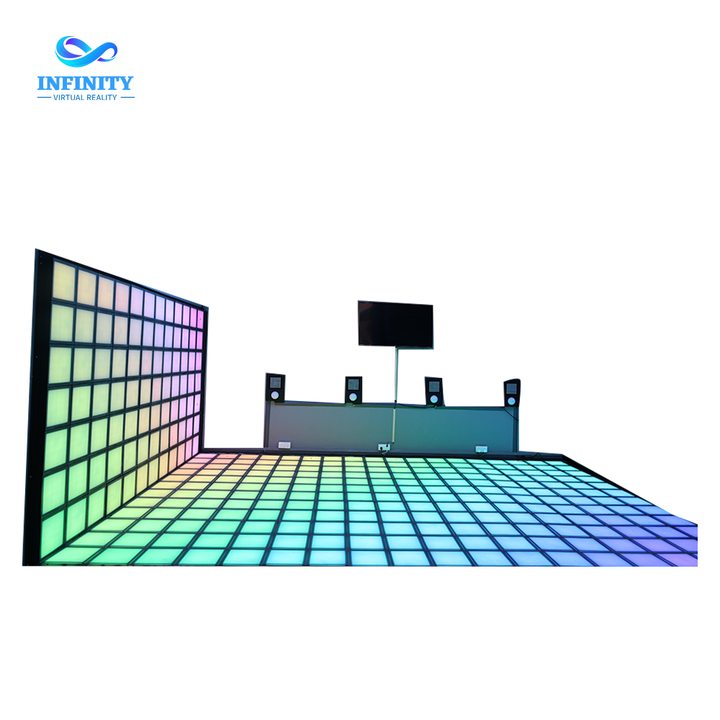
The ledger also shapes the brand: the venue with the low-injury record wins the school contracts and the corporate bookings that review the safety file, while the venue with the bounce history pays the higher quote and answers the questions, so the safety record becomes the sales asset.
The solid-state mechanics explain how the LED tile delivers the excitement that the trampoline sells without the risk that the trampoline carries. The bounce sells the air: the jumper pays for the height and the flip, the thrill comes from the launch and the risk comes with the same launch, so the trampoline sells the danger with the fun; the air is the double edge. The step sells the challenge: the Infinity Grid LED Dance Floor lights the target tiles, the players race the pattern with the steps and the jumps, the timing and the coordination decide the score and the highest jump stays under the two feet, so the challenge lives in the mind rather than the air; the step is the controlled thrill. The fall geometry is the safety math: the trampoline fall happens from the 1 to 3 meter launch with the stored energy, the LED fall happens from the standing height with the flat tile and the hands reach the floor, so the worst case drops from the fracture class to the bruise class; the geometry is the risk floor. The surface technology adds the layers: the LED tile runs the anti-slip texture, the edge profile sits flush against the neighboring tile and the module carries the low-voltage circuit that isolates the impact, so the floor removes the slip, the trip and the electric hazards along with the bounce; the layers close the remaining gaps. The venue that explains the solid-state mechanics to the insurer and the parents converts the fear into the confidence, and the confidence shows in the lower premium and the fuller bookings; the mechanics are the sales story.
The solid-state floor also hosts the longer session: the player runs the 20 to 40 minute challenge on the LED grid without the fatigue that the 10 minute bounce session brings, and the longer session holds the group through the evening that the trampoline loses to the rest breaks.
The maintenance math compares the lifetime cost of the two formats, and the comparison follows the wear patterns of the surfaces. The trampoline wears in the moving parts: the springs stretch and snap, the mats tear under the jump load, the padding compresses at the frame edge and the safety enclosure nets rip, so the bounce floor runs the constant parts replacement across the springs, the mats and the nets; the moving parts are the consumables. The maintenance cycle is the cost: the trampoline park budgets the 1,500 to 3,000 dollars per court per year for the parts and the labor, the inspection runs the daily mat check and the monthly frame torque and the worn court shuts down the section for the repair, so the bounce format eats the revenue during the downtime; the cycle is the drag. The LED tile wears differently: the solid-state module carries no springs and no mats, the tile surface cleans with the mop and the wipe, the firmware updates the game library and the occasional tile swap takes the 10 minutes with the spare module, so the solid-state floor runs the 500 to 1,000 dollars per year across the whole grid; the solid state is the low-wear format. The reliability is the uptime math: the trampoline court loses the 2 to 4 percent of the open hours to the repairs, the LED grid runs the 99 percent uptime with the hot-swap tiles and the uptime difference on the 3,000 open hours lands at the 60 to 120 hours of the extra sellable time per year; the uptime is the hidden revenue. The venue that trades the moving parts for the solid state cuts the parts budget and the downtime together, and the savings show in the maintenance ledger every quarter; the math is the cost case.
The maintenance labor also favors the solid state: the LED floor needs no certified inspector for the springs and the enclosure, the daily prep runs the wipe-down rather than the mat check and the staff training covers the tile swap rather than the net repair, so the venue runs the floor with the smaller, simpler team.
The insurance math is where the solid-state advantage becomes the hard dollar, and the math runs through the premium classes and the waiver stack. The premium class is the first number: the trampoline sits in the high-risk liability class with the 3 to 6 percent of the revenue premium, the solid-state floor sits in the low-risk class with the 1 to 2 percent and the active gaming floor with the mixed equipment lands in the middle, so the surface mix decides the class; the class is the premium driver. The waiver stack is the second number: the trampoline park needs the signed waiver for every jumper, the height and the weight limits at the gate, the supervised court rotation and the spotter training, while the solid-state floor runs the standard admission with the simple rules, so the venue trades the waiver paperwork for the open floor; the stack is the legal cost. The incident history is the third number: the clean year on the solid-state floor earns the 5 to 10 percent claims-free discount, the claims on the bounce floor push the quote up at the renewal and the three-year clean record moves the venue into the preferred class, so the floor choice compounds into the premium trajectory; the history is the compounding factor. The venue that presents the solid-state floor to the broker with the incident ledger, the maintenance records and the fall-geometry math negotiates the lower rate, and the 10,000 to 20,000 dollar annual saving becomes the margin line; the insurance math is the annual saving.
The insurance advantage also opens the venue types: the shopping mall lease requires the low-risk liability profile, the family entertainment center carries the children coverage that the bounce format loads and the corporate venue runs the events without the height waivers, so the solid-state floor clears the requirements that the trampoline struggles to meet.
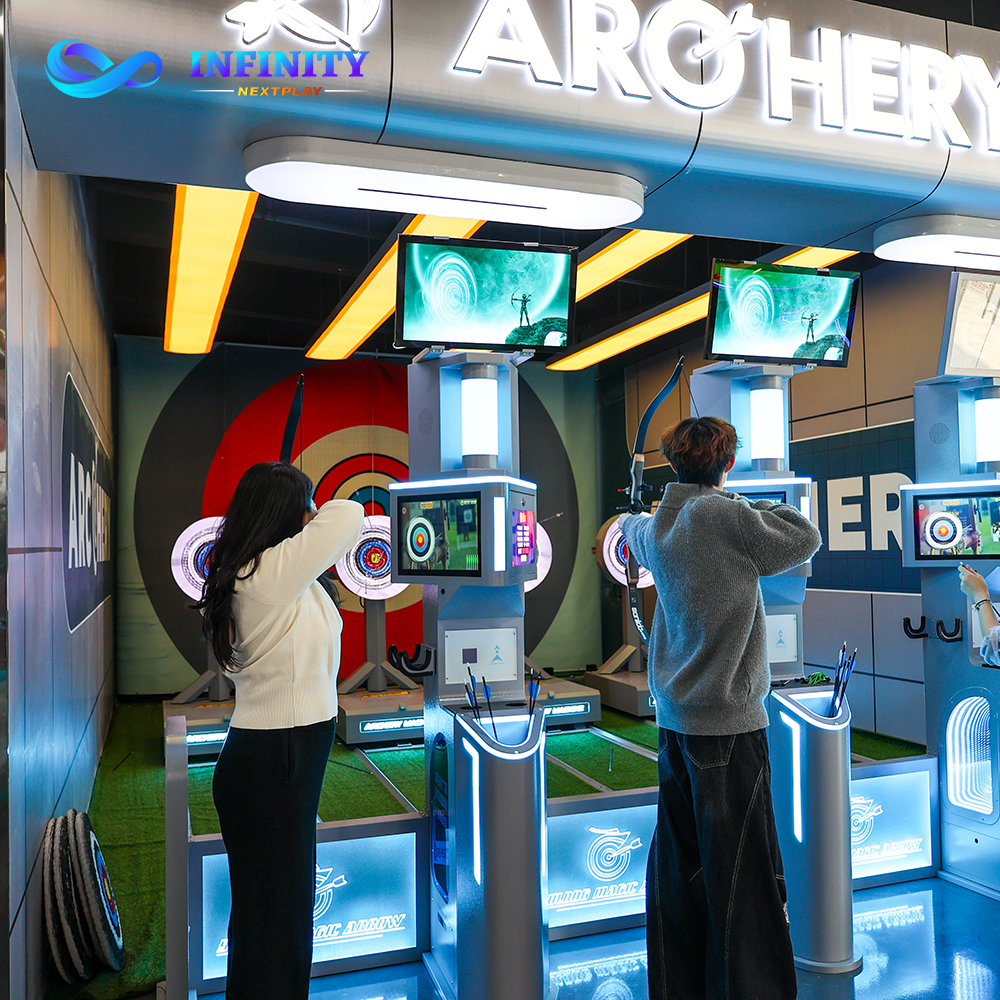
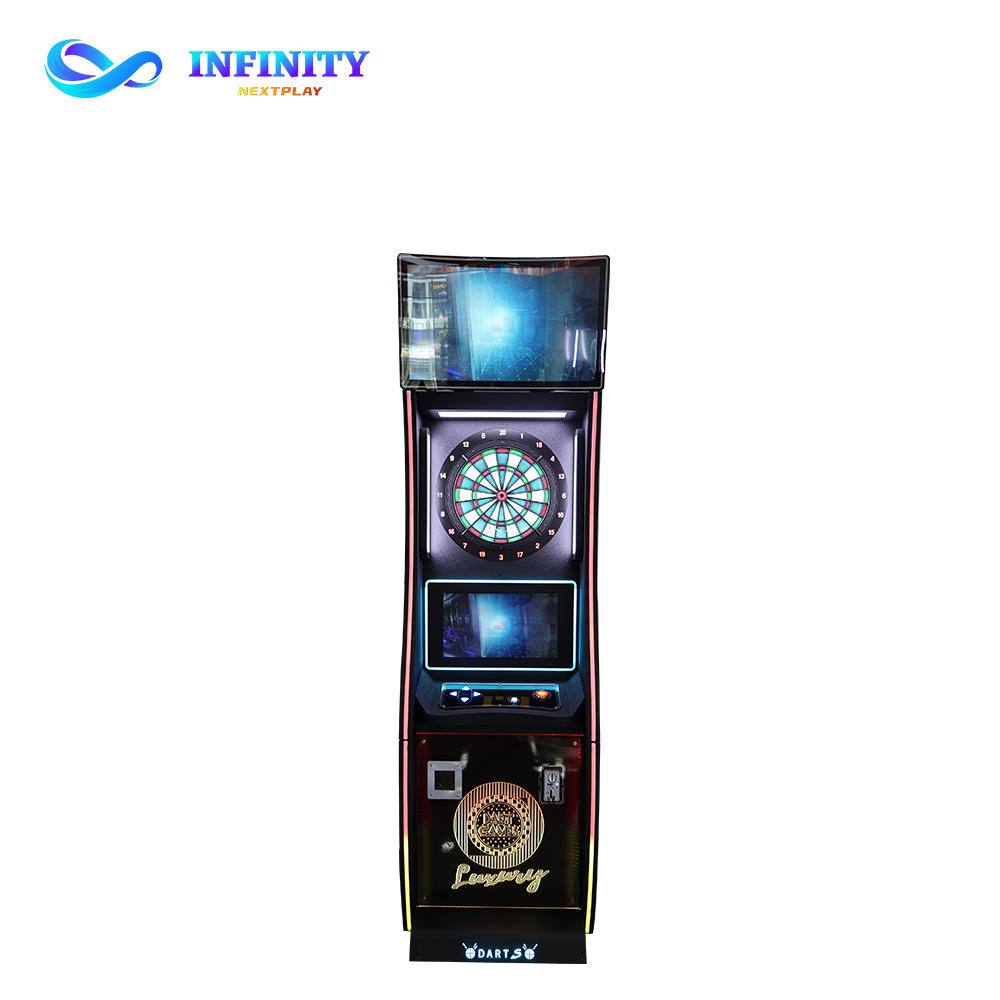
The play mix places the LED grid at the center of the low-risk floor and surrounds it with the formats that share the solid-state risk profile. The LED grid anchors the center: the Infinity Grid LED Dance Floor runs the multiplayer challenges with the tile patterns, the parties rotate through the 5 to 10 minute rounds and the floor carries the highest engagement with the lowest risk, so the grid is the safe anchor. The skill formats fill the zones: the Digital Archery Simulator A4 runs the projected target game with the foam-tip arrows and the fixed shooting lane, the Online Electronic Dart Machine X7 runs the soft-tip rounds with the automatic scoring and both formats keep the player in the controlled station with no airborne phase, so the zones add the variety without the risk class. The risk ladder guides the mix: the venue leads with the solid-state floor, adds the station-based simulators as the variety and reserves the higher-risk formats for the separated zones with the extra supervision, so the floor keeps the balance between the thrill and the liability; the ladder is the risk design. The venue that builds the floor on the solid-state principle presents the coherent safety story to the insurer, the parents and the mall operator, and the story converts into the premium saving and the fuller bookings; the mix is the safety architecture.
The play mix also protects the revenue: the low-risk floor admits the corporate groups, the school trips and the senior programs that the bounce floor excludes, and the wider audience fills the weekday hours that the trampoline park leaves empty.
The LED tile sits flat with no stored energy and no launch: the player steps and jumps on the surface without the airborne phase, so the worst-case fall is the standing-height landing instead of the 1-3 meter launch. The trampoline stores the kinetic energy in the mat and opens the risk window on every bounce.
The trampoline park pays the 3-6 percent of the revenue in the liability premium against the 1-2 percent of the solid-state floor, so on a 500,000 dollar revenue the difference lands at the 10,000-20,000 dollars per year. The incidence rate runs the 2-4 times the solid-state play floors.
The sprained ankles, the wrist fractures and the collision injuries when the jumpers meet mid-air. The emergency visits run the 2-4 times the rate of the other indoor play formats and the collision cases escalate toward the 50,000 dollar claims.
The solid-state grid runs the 500-1,000 dollars per year with the wipe-down cleaning, the firmware updates and the occasional hot-swap tile, against the 1,500-3,000 dollars per court per year for the trampoline springs, mats and nets. The LED grid also runs the 99 percent uptime.
No. The solid-state floor runs the standard admission with the simple rules, while the trampoline park needs the signed waiver for every jumper, the height and weight limits and the supervised court rotation. The LED floor removes the waiver stack.
Yes, and more: the LED grid runs the 5-10 minute multiplayer rounds with the tile patterns, the players stay in the motion without the fatigue breaks and the floor holds the 20-40 minute sessions that the trampoline loses to the rest. The solid-state floor also admits the groups the bounce format excludes.
The safety question is answered by the surface physics: the solid-state LED tile removes the airborne phase that drives the trampoline injury ledger, the maintenance runs the low-wear cycle and the insurance math converts the low-risk profile into the 10,000 to 20,000 dollar annual saving.
The Infinity Grid LED Dance Floor is the solid-state anchor, the Digital Archery Simulator A4 and the Online Electronic Dart Machine X7 are the controlled-station zones. The next step is the safety floor plan: ask NextPlay for the solid-state zone layout, the maintenance protocol and the insurance workbook for your venue.
Ask NextPlay for the safety floor plan: the solid-state zone layout, the maintenance protocol and the insurance workbook for the Infinity Grid LED Dance Floor, the Digital Archery Simulator A4 and the Online Electronic Dart Machine X7.