The staff question decides whether the kiosks and the leaderboards become the revenue engine or the idle screens, and the answer starts with the people who touch the equipment first. The kiosk is the self-service point: the guest taps the wristband, the screen shows the balance and the credit loads in the seconds, so the kiosk runs the admission without the counter queue; the kiosk is the front door. The leaderboard is the retention tool: the screen shows the weekly rankings, the league table and the tournament bracket, the guest sees the name on the board and the name pulls the guest back for the rematch, so the leaderboard converts the one-time player into the regular; the board is the loyalty engine. Both tools run on the staff: the untrained team leaves the kiosk in the error state and the leaderboard on the default screen, the guest queues at the counter and the league never starts, so the untrained floor turns the automation into the bottleneck; the staff is the operator. The trained team runs the full loop: the host resets the kiosk in the morning, the floor staff walk the guests through the first tap, the league referee starts the bracket on time and the cashier links the winner prize to the leaderboard, so the trained floor turns the tools into the events; the training is the switch. The venue that invests the one day in the staff training runs the tournaments that the equipment enables, and the venue that skips the training runs the idle screens; the people are the difference between the tool and the engine.
The staff question also sets the hiring bar: the venue needs the team that can greet, guide and referee rather than the team that only cleans and sells, so the training track doubles as the job definition that filters the right hires.
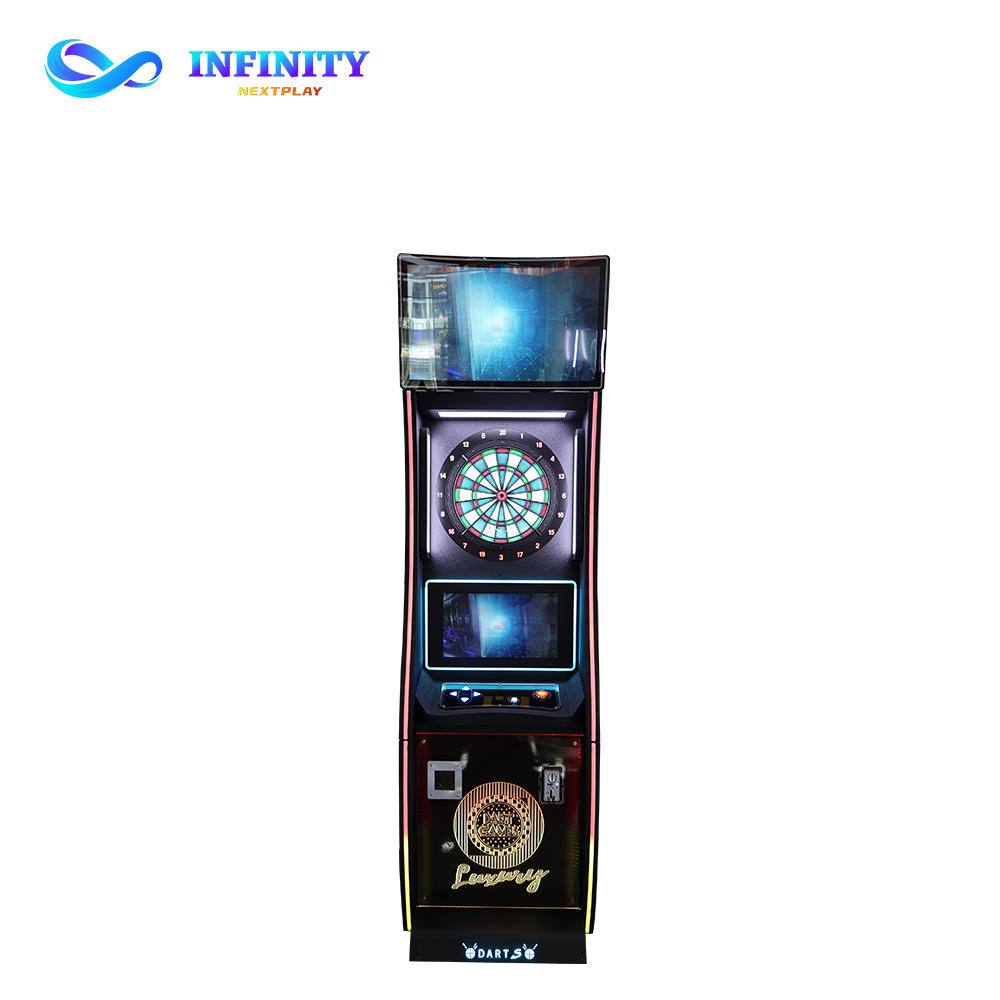
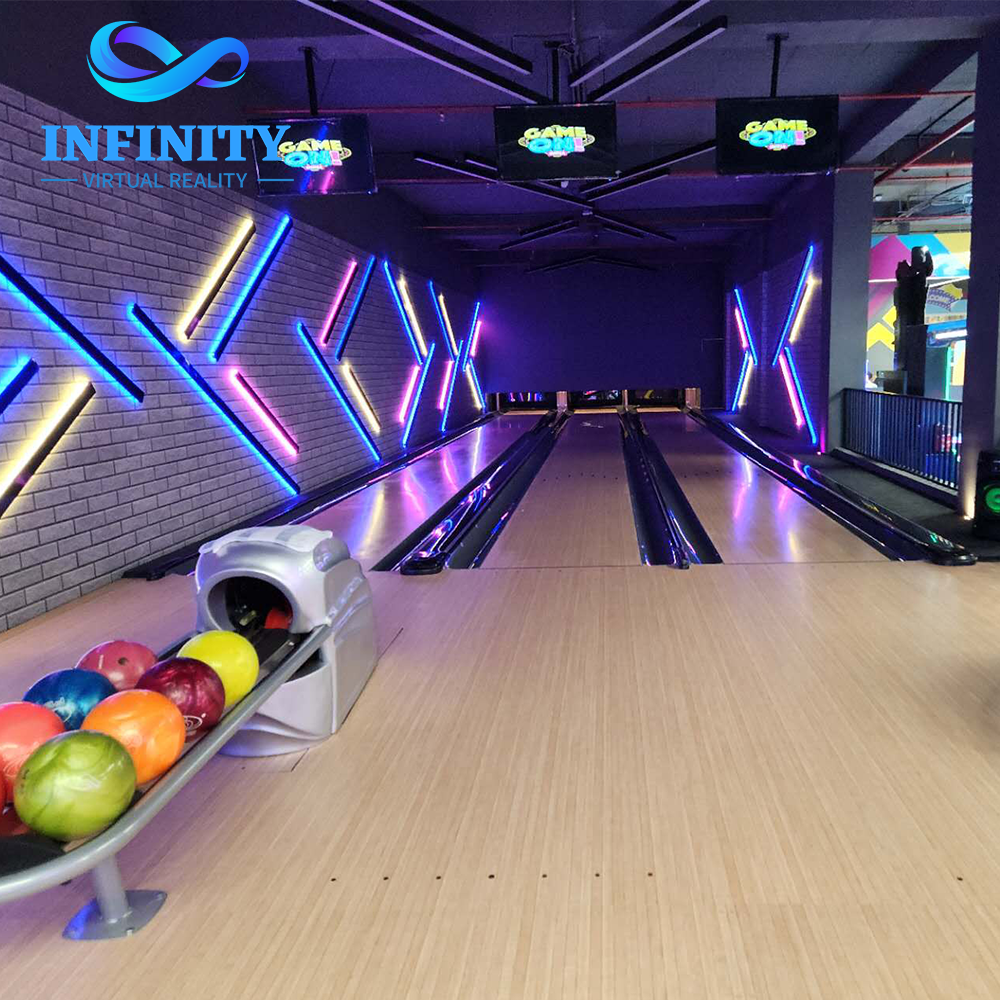
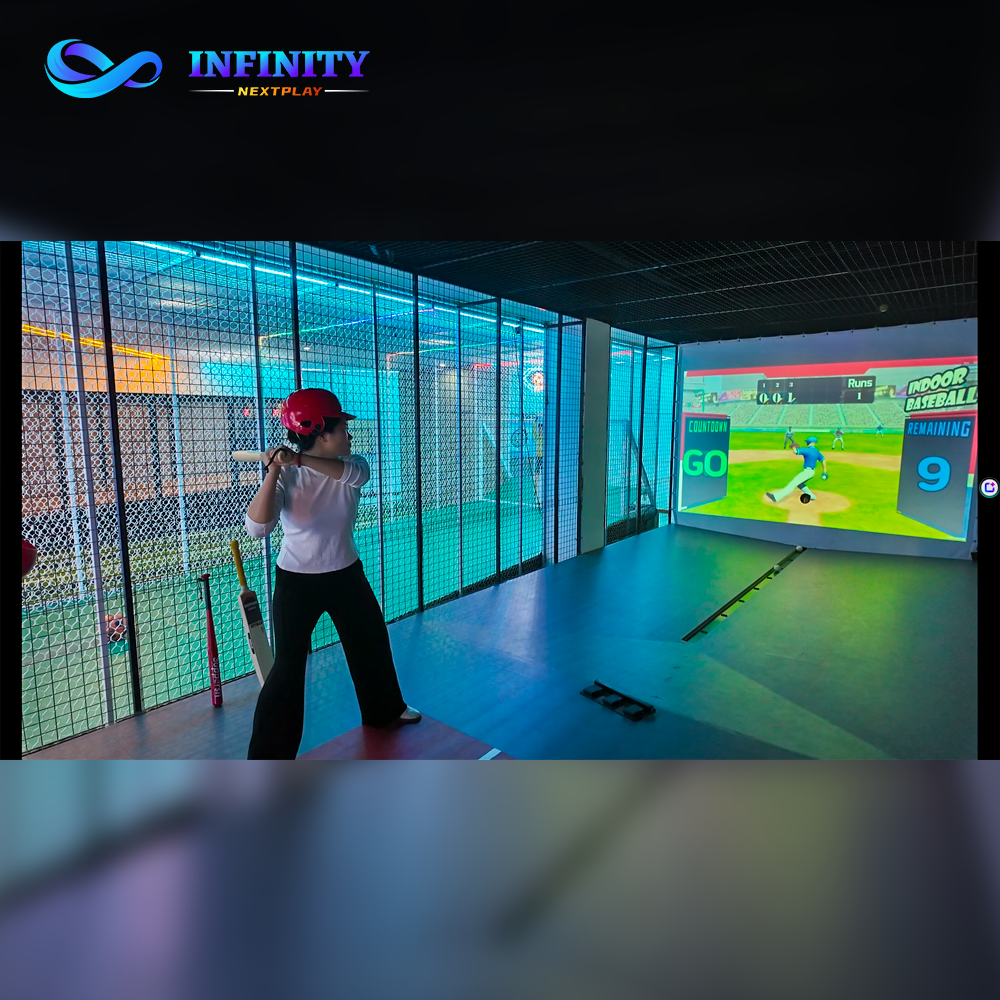
The one-day track is the training structure that moves the new hire from the kiosk reset to the tournament hosting within the single shift, and the structure runs the six steps in the morning and the afternoon. Step one is the kiosk basics: the staff member resets the terminal, loads the paper and the cards, runs the test transaction and clears the error codes, so the front door opens without the IT call; the kiosk step is the foundation. Step two is the wristband flow: the staff member issues the band, links the balance, tops up the credit and closes the session, so the cashless loop runs end to end; the band step is the revenue rail. Step three is the leaderboard reading: the staff member reads the weekly standings, explains the ranking rules and shows the guest how the name lands on the board, so the board becomes the conversation piece; the board step is the retention hook. Step four is the game mechanics: the staff member hosts the leg on the Online Electronic Dart Machine X7, runs the frame on the Duckpin Bowling System and calls the round on the Immersive Indoor Baseball Simulator, so the team can referee every format; the game step is the hosting skill. Step five is the tournament flow: the staff member seeds the bracket, starts the match, records the scores and advances the winner, so the league runs on the schedule; the bracket step is the event engine. Step six is the closing loop: the staff member posts the results, updates the leaderboard, announces the next event and hands the prize, so the tournament ends with the reason to return; the close step is the retention finish. The track fits the one day because every step runs on the equipment that the venue already owns, and the venue that blocks the six steps into the shift turns the hire into the host by the close; the track is the onboarding math.
The one-day track also standardizes the venue: the same six steps train the morning, the evening and the weekend teams, so every shift runs the kiosk, the leaderboard and the tournament the same way and the guest sees the consistent experience.
The tournament mechanics are the rules and the routines that the staff must run, and the mechanics cover the formats the venue actually hosts. The weekly league is the core format: the Online Electronic Dart Machine X7 runs the global online league with the automatic scoring, the staff registers the players, schedules the legs, records the wins and updates the standings, so the dart league runs on the staff rhythm; the league is the recurring event. The bracket tournament is the event format: the Duckpin Bowling System hosts the single-elimination bracket with the seeded teams, the staff seeds the draw, calls the frames, tracks the pins and advances the winner, so the bracket night fills the floor with the stakes; the bracket is the peak-night engine. The challenge round is the fill format: the Immersive Indoor Baseball Simulator runs the distance challenge and the accuracy contest, the staff sets the target, measures the results and posts the challenge leader, so the challenge fills the slow hours with the light competition; the challenge is the off-peak filler. The referee rules are the shared core: the staff starts the session on time, enforces the rotation, settles the score disputes with the machine data and announces the results with the ceremony, so the consistent refereeing builds the trust that brings the players back; the rules are the event quality. The venue that trains the mechanics for the three formats runs the event calendar with the same team, and the team that can referee the league, the bracket and the challenge fills the whole week; the mechanics are the event library.
The tournament mechanics also protect the fairness: the staff records every score on the machine ledger, the machine data overrides the disputed call and the printed bracket removes the favoritism, so the venue runs the events that the players trust and the players trust the venue that runs the clean events.
The league-night playbook is the hour-by-hour routine that the staff follows, and the routine turns the 7 to 10 PM window into the repeatable event. The 6:30 pre-shift runs the setup: the two staff members reset the kiosks, check the leaderboard screens, test the dart legs and the duckpin lanes and lay out the bracket sheets, so the floor opens ready; the setup is the readiness gate. The 7:00 registration runs the intake: the staff registers the players, issues the wristbands, loads the credits and seeds the bracket, so the event starts on time; the intake is the momentum opener. The 7:30 to 9:30 rotation runs the matches: the staff calls the legs, records the scores, updates the standings, resets the lanes between the groups and serves the rounds at the bar, so the two staff members run the whole floor; the rotation is the event engine. The 9:30 final runs the close: the staff tallies the standings, crowns the winner, hands the prize, updates the leaderboard and announces the next week, so the night ends with the return hook; the close is the retention finish. The staff roles split the work: the host runs the kiosk and the registration, the referee runs the matches and the scores, and the two swap at the halfway point so the energy holds, so the two-person team covers the league night without the burnout; the split is the staffing math. The venue that writes the playbook and drills the routine runs the league night the same way every week, and the consistent night builds the regulars that fill the floor; the playbook is the event repeatability.
The playbook also protects the off-peak: the same routine scaled down runs the Tuesday challenge night and the Sunday family bracket, so the venue fills the week with the events that the one-day training already covers.
The supervision routine is the daily maintenance that keeps the kiosks and the leaderboards alive, and the routine runs through the pre-shift, the mid-shift and the close. The pre-shift check runs the 30 minutes: the staff resets the kiosks, verifies the network links, tests the wristband readers, confirms the leaderboard displays and runs the single test transaction on each terminal, so the floor opens with the working tools; the pre-shift is the readiness gate. The mid-shift sweep runs the hourly loop: the staff walks the floor, checks the kiosk paper and the card stock, watches the leaderboard screens for the error states and confirms the game sessions on the lanes and the simulators, so the issues are caught before the guest notices; the sweep is the proactive watch. The close routine runs the shutdown: the staff settles the kiosk balances, exports the day rankings, backs up the leaderboard data, cleans the terminals and logs the incidents in the shift book, so the venue closes with the clean state and the data for the next morning; the close is the continuity handoff. The incident log is the learning loop: the staff records the kiosk error, the leaderboard glitch and the guest complaint, the manager reviews the log weekly and the repeated issue gets the fix, so the venue improves the operation from the floor notes; the log is the feedback engine. The venue that runs the supervision routine keeps the automation reliable, and the reliable tools free the staff for the hosting rather than the firefighting; the routine is the operational baseline.
The supervision routine also guards the revenue: the kiosk that runs without the errors keeps the top-up flowing, the leaderboard that displays the live data keeps the rematch pull active and the venue that logs the incidents fixes the small leaks before they become the big ones.
The training math values the one day against the event yield, and the math follows the staff hours and the tournament revenue. The training cost is the first number: the one-day track runs the 8 hours per hire, the two hires per venue train the 16 hours and at the 15 to 20 dollar wage the onboarding lands at the 240 to 320 dollars per hire; the cost is the one-time number. The event yield is the second number: the league night with the 24 players at the 15 dollar entry plus the rounds produces the 500 to 800 dollars per night, the weekly league runs the 40 to 50 nights per year and the tournament program adds the monthly bracket nights at the 1,000 dollar plus events, so the trained team multiplies the 300 dollar investment into the tens of thousands; the yield is the compounding return. The turnover math is the third number: the venue with the clear role and the training path keeps the staff the 12 to 18 months against the 6 to 9 months of the untrained floor, and the lower turnover saves the re-training cost and the service dip with each hire; the turnover is the hidden saving. The service effect is the fourth number: the trained host converts the walk-in into the league member, the league member returns weekly and the return visits compound across the year, so the training investment shows in the visit ledger rather than the single night; the service is the compounding factor. The table summarizes the training math:
| Item | Cost or Yield | Frequency | Annual Impact |
|---|---|---|---|
| One-day training | $240-320/hire | Per hire | One-time |
| League night | $500-800/night | Weekly | $26-40K/year |
| Bracket tournament | $1,000+/event | Monthly | $12K+/year |
| Lower turnover | 12-18 mo tenure | Continuous | Re-training saved |
The training math guides the hiring: the venue treats the one day as the investment rather than the cost, blocks the track into the first shift and runs the league from the first week, so the staff hours convert into the event revenue within the month.
Yes, with the six-step track: the kiosk basics, the wristband flow, the leaderboard reading, the game mechanics, the tournament flow and the closing loop. Every step runs on the equipment the venue already owns, so the new hire hosts the league by the end of the first shift.
Two: the host runs the kiosk and the registration while the referee runs the matches and the scores, and the two swap at the halfway point so the energy holds. The two-person team covers a 7-10 PM league night with 24 players.
The 30-minute pre-shift check resets the kiosks, verifies the readers and the leaderboard and runs the test transaction. The hourly mid-shift sweep watches for the error states, and the close routine settles the balances, backs up the data and logs the incidents.
The dart machine runs the weekly online league with the automatic scoring, the duckpin lanes host the bracket nights with the seeded teams and the baseball simulator runs the distance and accuracy challenges. The three formats cover the recurring, the peak and the off-peak events.
The one-day track runs the 8 hours per hire at the 15-20 dollar wage, so the onboarding lands at the 240-320 dollars per hire. The league night alone returns the 500-800 dollars per night, so the training pays back within the first event.
The clear role and the training path hold the staff for the 12-18 months against the 6-9 months of the untrained floor. The league-night playbook gives the team the defined job, the swap keeps the energy and the incident log gives the team the voice in the operation.
The staff question is answered by the training structure: the six-step track turns the new hire into the tournament host in one day, the league-night playbook runs the weekly event with the two-person team and the supervision routine keeps the kiosks and the leaderboards alive.
The Online Electronic Dart Machine X7 runs the league, the Duckpin Bowling System hosts the bracket and the Immersive Indoor Baseball Simulator fills the challenges. The next step is the staff training kit: ask NextPlay for the kiosk quick-start, the tournament mechanics and the league-night playbook for your venue.
Ask NextPlay for the staff training kit: the kiosk quick-start, the tournament mechanics and the league-night playbook for the Duckpin Bowling System, the Online Electronic Dart Machine X7 and the Immersive Indoor Baseball Simulator.