The family package question asks which equipment mix holds the whole family in the venue, and the answer starts with the two generations that walk in through the same door. The 8-year-old wants the motion: the child runs, jumps, races and repeats the physical challenge, the attention span runs the 10 to 15 minute bursts and the reward is the immediate score and the win, so the child needs the high-energy play with the short rounds; the child is the motion guest. The 35-year-old wants the social: the parent spends the weekend with the family but also wants the adult moments, the conversation, the competition and the drink, and the pure kid play leaves the parent standing at the edge watching, so the parent needs the social game and the bar point within the same floor; the parent is the social guest. The single-format floor fails the pair: the soft-play-only venue keeps the child busy and bores the parent, the bar-only venue excludes the child and the arcade-only venue fails both, so the one-format floor loses the family visit; the split is the core problem. The multi-attraction package solves the pair: the floor splits into the kid zone, the family zone and the parent zone, the child plays the challenge while the parent watches or joins and the parent plays the league while the child rests, so the two generations share the visit without sharing the boredom; the package is the two-generation architecture. The venue that builds the package for both generations wins the family spend: the family visit runs the 3 to 4 hours against the 1.5 hours of the single-format floor, and the longer visit carries the play passes, the food orders and the bar rounds; the package is the revenue multiplier.
The family package question also defines the venue position: the venue that serves the two generations competes against the mall play areas and the bar lounges at the same time, while the single-format venue competes only against its own format, so the two-generation package widens the market without the extra building.
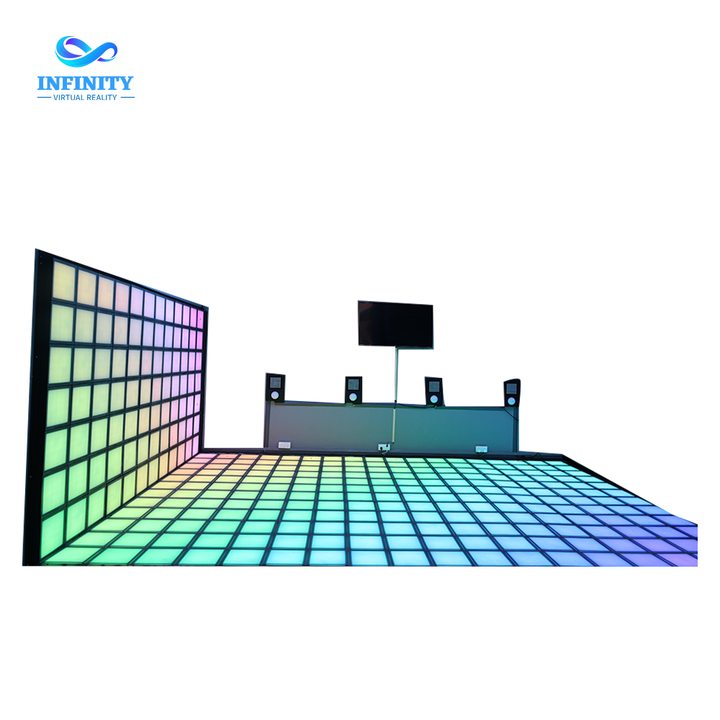
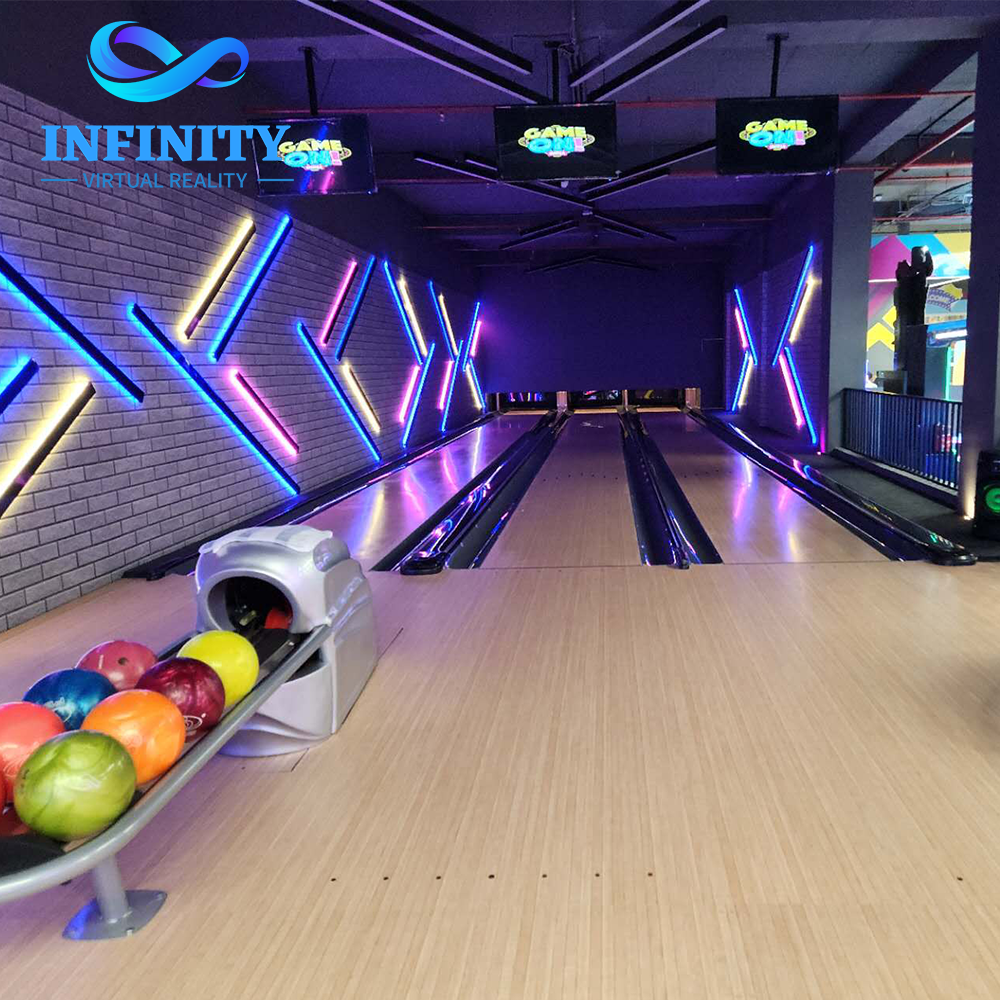
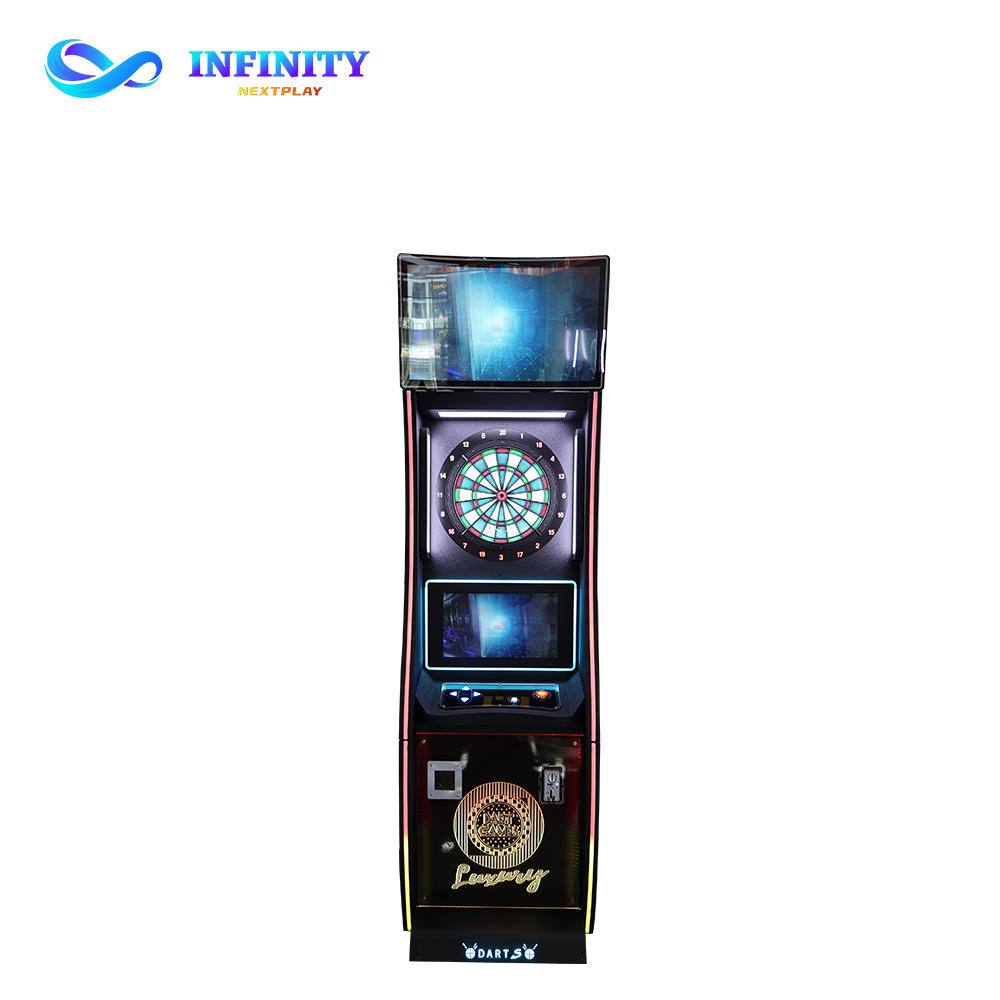
The three-zone split is the layout that serves the two generations without the dead end, and the split follows the needs of each group. The kid zone runs the high-energy play: the Infinity Grid LED Dance Floor anchors the zone with the light-up tile challenges, the 6 to 12 year old runs the patterns, races the friends and repeats the rounds, and the zone sits in the sightline of the parent seating so the child plays in the view; the kid zone is the motion core. The family zone runs the shared play: the Duckpin Bowling System anchors the zone with the frames that the child and the parent play in the same team, the compact lane fits the 20 to 25 square meters and the seating wraps the lane so the family stays together for the whole string; the family zone is the bridge. The parent zone runs the social play: the Online Electronic Dart Machine X7 anchors the zone with the league legs and the automatic scoring, the bar point sits inside the zone and the adult group plays the 20 to 30 minute rivalry rounds while the children rest in the family zone; the parent zone is the social core. The split math balances the floor: the 40 percent of the space runs the kid zone, the 35 percent runs the family zone and the 25 percent runs the parent zone, so the venue serves the child majority without starving the parent spend; the split is the space decision. The venue that lays out the three zones with the sightlines between them keeps the family together in the building while each generation plays its own game, and the togetherness is what brings the family back; the split is the retention layout.
The three-zone split also manages the safety: the kid zone runs the low-risk solid-state equipment, the family zone runs the supervised lanes and the parent zone runs the adult-focused games, so each zone carries the risk profile that matches its audience and the venue controls the whole floor with the one supervision plan.
The high-thrill side is the equipment that holds the child through the visit, and the design follows the child rhythm of the short bursts and the immediate rewards. The instant feedback is the first need: the child steps on the tile, the tile lights, the score climbs and the win appears in the seconds, so the child reads the result without the instruction manual; the instant feedback is the child language. The Infinity Grid LED Dance Floor delivers the feedback loop: the tile patterns flash, the players chase the lights, the timer counts down and the winner is crowned every 3 to 5 minutes, so the child cycles through the challenges without the boredom; the LED grid is the child engine. The physical motion is the second need: the child burns the energy on the floor, the jumping and the running replace the sitting play and the tired child sleeps on the ride home, so the motion is the parent-pleasing side effect; the motion is the package selling point. The safe boundary is the third need: the child plays on the solid-state floor with no bounce risk, the tile surface sits flat and the challenge lives in the timing rather than the height, so the child plays hard without the injury risk that the trampoline and the climbing frames carry; the safe boundary is the parent trust. The rotation is the fourth need: the child plays the 10 to 15 minute burst, moves to the family lane for the frame and returns to the grid for the next challenge, so the zone rotation holds the child through the 3 to 4 hour visit; the rotation is the child retention. The venue that equips the high-thrill side with the instant, the motion and the safety holds the child through the whole visit, and the child that stays is the anchor of the family spend; the thrill side is the family engine.
The high-thrill side also manages the party market: the birthday group of the 8-year-olds runs the LED challenge bracket, the party room wraps the grid and the parent group plays the dart league while the children celebrate, so the same package sells the birthday party with the two-generation program.
The social side is the equipment that holds the parent through the family visit, and the design follows the adult needs of the conversation, the competition and the drink. The adult competition is the first need: the parent wants the real rivalry with the scores that count, the league that runs weekly and the name on the leaderboard, so the social game with the ranking system pulls the adult back; the competition is the adult hook. The Online Electronic Dart Machine X7 delivers the rivalry: the X7 runs the global online league with the automatic scoring, the legs finish in the minutes, the leaderboard shows the standings and the weekly league builds the regulars, so the parent plays the real competition while the child plays the grid; the X7 is the parent engine. The bar integration is the second need: the bar point sits inside the parent zone, the league round runs beside the drink order and the parent converts the game break into the beverage, so the venue captures the adult spend that the kid zone cannot; the bar is the parent revenue rail. The supervision freedom is the third need: the parent plays the dart leg knowing the child is in the sightline of the kid zone, the family zone sits between the two and the staff watches the whole floor, so the parent relaxes into the game instead of hovering; the freedom is the parent comfort. The adult rotation is the fourth need: the parent plays the dart legs, joins the family lane for the frames and sits at the bar between the games, so the adult rhythm mirrors the child rhythm and the two generations move through the evening together; the rotation is the shared time. The venue that equips the social side with the competition, the bar and the freedom turns the tag-along parent into the paying adult, and the paying adult doubles the family ticket; the social side is the margin engine.
The social side also builds the adult program: the weekday parent league fills the off-peak hours with the adult regulars, the weekend family bracket combines the child and the parent teams and the corporate family day converts the venue into the team-building package, so the social equipment works the hours the kid zone cannot.
The family bridge is the equipment that the two generations play in the same game, and the bridge is what makes the visit a family event rather than two parallel visits. The shared game needs the level playing field: the Duckpin Bowling System runs the compact lanes with the lighter pins and the shorter approach, the 8-year-old reaches the ball and the 35-year-old competes on the same lane, so the age gap disappears in the frame; the duckpin is the level field. The family team format is the bridge structure: the family plays the two-person team against the other families, the child rolls the first frame and the parent closes the second, the score combines the two and the celebration lands together, so the game builds the family memory that the parallel play cannot; the team format is the bonding mechanism. The bridge extends the stay: the family that plays the lane together stays for the whole string, the frames create the natural breaks for the snack and the drink orders and the shared win sends the family home with the reason to return, so the bridge converts the shared minutes into the shared hours; the bridge is the dwell glue. The bridge also feeds the other zones: the family finishes the lane and splits into the child grid and the parent league with the shared baseline, the child knows the parent is nearby and the parent knows the child is playing, so the bridge opens the split play without the separation anxiety; the bridge is the confidence handoff. The venue that anchors the package on the family bridge keeps the generations in the same story, and the story is what the family tells the other families; the bridge is the word-of-mouth engine.
The family bridge also differentiates the venue: the soft-play center offers no shared game for the parent, the bar offers no game for the child and the arcade offers the separate cabinets, so the family lane is the one format that the whole group owns together and the ownership is the booking reason.
The package math sizes the floor and the equipment to the two-generation yield, and the math runs through the zone ratio and the equipment count. The zone ratio is the first number: the 300 square meter family zone splits into the 120 square meters of the kid zone, the 105 of the family zone and the 75 of the parent zone, and the split serves the child majority while the parent zone earns the higher margin per meter; the ratio is the space allocation. The equipment count is the second number: the core package runs the one LED grid, the two duckpin lanes and the two dart stations, the count supports the 60 to 80 guests at the peak with the 3 to 4 hour rotation and the 8 to 10 core units run the whole family program, so the count scales the floor without the clutter; the count is the capacity math. The two-generation yield is the third number: the family of four spends the 18 to 25 dollars per person on the play passes, the food and the drinks across the 3 to 4 hour visit, the family visit lands at the 72 to 100 dollars and the party of the 12 children plus the parents runs the 300 to 400 dollars, so the two-generation package multiplies the per-visit yield against the single-format floor; the yield is the revenue case. The table summarizes the package math:
| Zone | Space Share | Anchor Equipment | Yield Driver |
|---|---|---|---|
| Kid zone | 40% (120 m2) | LED Grid | Repeat challenges |
| Family zone | 35% (105 m2) | Duckpin lanes | Shared team play |
| Parent zone | 25% (75 m2) | Dart stations | League + bar rounds |
| Whole package | 300 m2 | 8-10 core units | $72-100/family visit |
The package math guides the build: the venue sizes the three zones to the two-generation traffic, counts the core units to the peak rotation and prices the all-in-one package to the family visit, so the floor converts the two generations into the full-evening spend.
The core package runs the three zones: the LED grid for the kid challenges, the duckpin lanes for the family shared play and the dart stations for the parent league. The 8-10 core units support the 60-80 peak guests with the 3-4 hour rotation.
The 40/35/25 split serves both: the 40 percent of the space runs the high-energy kid play, the 35 percent runs the family shared games and the 25 percent runs the adult social games with the bar. The balance keeps the child engaged and the parent spending.
The duckpin lane is the family bridge: the compact lanes with the lighter pins level the field, the family plays the two-person team against the other families and the combined score creates the shared win. The lane converts the parallel visits into the family event.
The parent spends the adult hours on the competition, the conversation and the drink. The bar inside the parent zone converts the league break into the beverage round and captures the 25 dollar adult spend that the kid equipment cannot.
The family of four spends the 18-25 dollars per person across the 3-4 hour visit, so the family lands at the 72-100 dollars. The party of the 12 children plus the parents runs the 300-400 dollars with the two-generation program.
The two-generation visit runs the 3-4 hours against the 1.5 hours of the single-format floor. The child cycles through the grid bursts, the family plays the lane string and the parent runs the league legs, so the three zones hold the family through the evening.
The family package question is answered by the three-zone architecture: the kid zone holds the 8-year-old with the instant high-energy challenges, the family zone bridges the generations with the shared duckpin play and the parent zone keeps the 35-year-old with the league and the bar, so the whole family stays for the 3 to 4 hours.
The Infinity Grid LED Dance Floor is the kid anchor, the Duckpin Bowling System is the family bridge and the Online Electronic Dart Machine X7 is the parent engine. The next step is the family package plan: ask NextPlay for the three-zone layout, the equipment count and the all-in-one pricing for your floor.
Ask NextPlay for the family package plan: the three-zone layout, the equipment count and the all-in-one pricing for the Infinity Grid LED Dance Floor, the Duckpin Bowling System and the Online Electronic Dart Machine X7.