The friction question asks where the guest pauses during the play, and the pause is where the revenue leaks. The wallet is the friction point: the guest plays the challenge, the round ends, the guest wants the next round but the wallet must come out, the card must be found, the payment must clear and the machine must restart, so the 20 to 60 second wallet pause interrupts the play rhythm; the pause is the leak. The pause costs the venue twice: the guest who stops to pay often stops to leave, and the guest who stays spends only after the friction, so the wallet moment converts the natural next round into the optional purchase; the friction is the conversion killer. The cashless wristband removes the pause: the guest taps the wristband at the attraction, the credit deducts in the instant and the game starts in the seconds, so the play never stops for the money; the tap is the friction killer. The frictionless design also protects the impulse: the child who wants the next LED challenge taps and plays without asking the parent for the card, the parent who wins the dart leg taps for the rematch without the wallet and the group that orders the round taps at the bar, so the venue captures the impulse spend that the wallet moment would have cooled; the impulse is the hidden revenue. The venue that removes the wallet from the play loop lifts the per-guest spend without the discount or the up-sell script, and the venue that keeps the wallet moment leaves the revenue on the table; the friction is the first design decision.
The friction question also shapes the guest experience: the tap-to-play floor runs the younger guests who cannot carry the cards, the international visitors who avoid the cash and the group guests who split the check without the awkward moment, so the cashless floor widens the paying audience along with the spend.
The wristband loop is the full cashless cycle that starts at the issue point and ends at the redemption, and the loop runs through the six stages. The issue stage runs the check-in: the guest buys the band at the front desk or the self-service kiosk, the staff loads the opening balance and the band links to the guest session, so the floor opens with the loaded wrist; the issue is the revenue lock. The top-up stage runs the balance: the guest adds the credit at the kiosk with the card or the cash, the balance shows on the small screen and the wristband stores the session value, so the pre-loaded balance spends before it runs out; the top-up is the float engine. The tap stage runs the play: the guest taps the band at the Infinity Grid LED Dance Floor reader to start the challenge, the credit deducts the round price and the game launches in the seconds, so the play starts without the wallet; the tap is the friction killer. The ledger stage runs the tracking: the system records every tap, the balance updates in the real time and the venue sees which attraction pulls the most taps, so the data shows the revenue map; the ledger is the steering data. The redemption stage runs the exit: the guest returns the band at the desk, the remaining balance refunds or rolls into the loyalty credit and the worn band recycles into the next issue, so the venue closes the loop without the cash drawer; the redemption is the clean exit. The reporting stage runs the review: the manager pulls the daily tap report, the per-attraction yield and the top-up pattern, so the venue tunes the pricing and the floor by the cashless data; the report is the decision engine. The venue that runs the six-stage loop removes the cash handling from the floor entirely, and the loop that runs clean keeps the guests and the staff on the play rather than the payments; the loop is the cashless architecture.
The wristband loop also scales with the venue: the same loop runs the 40-guest evening and the 200-guest weekend, the kiosk adds the capacity without the extra cashier and the wristband recycles across the sessions, so the system scales the operations without the proportional staff cost.
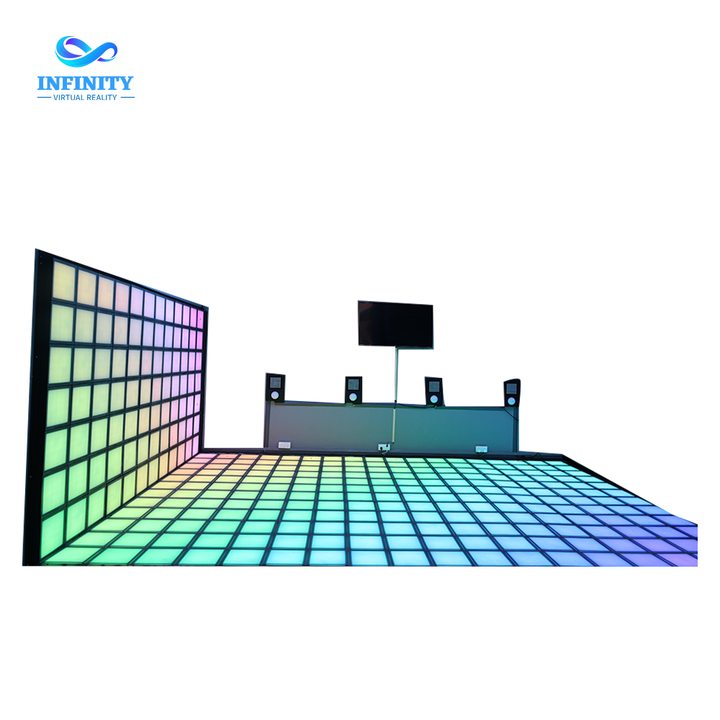
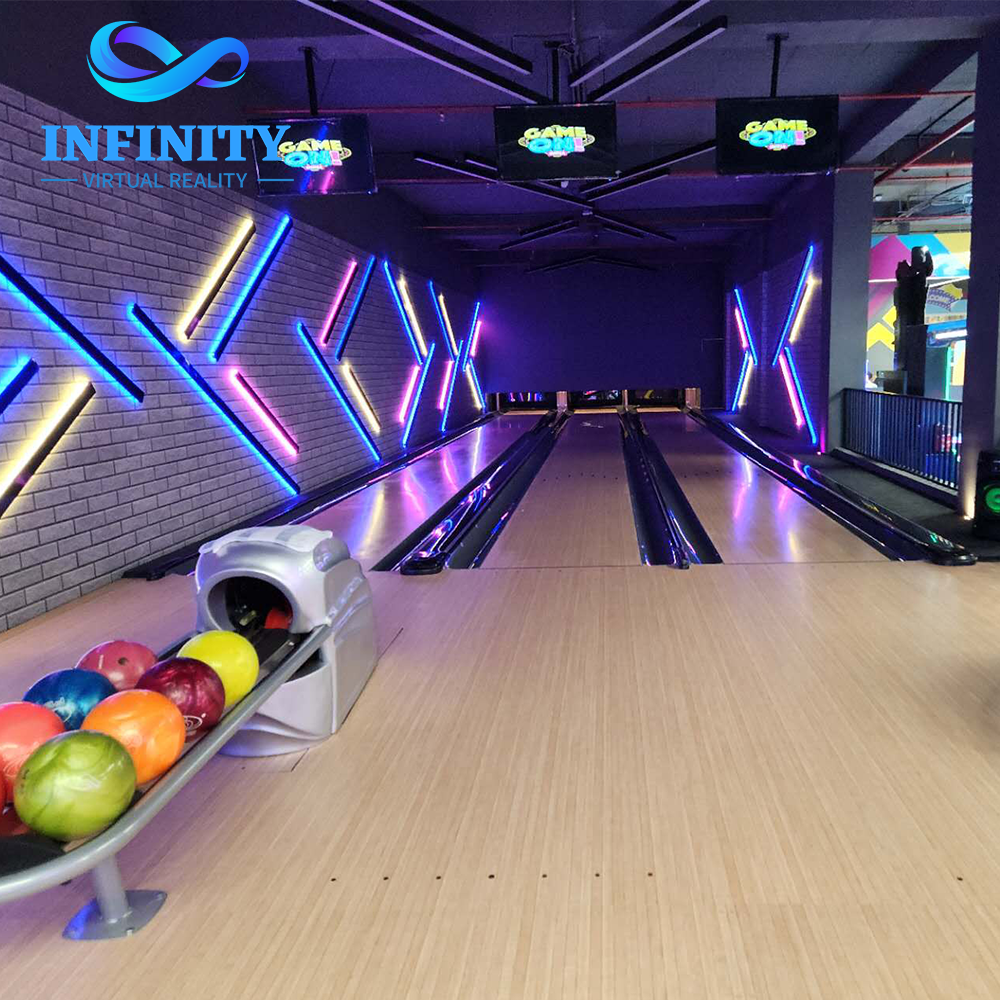
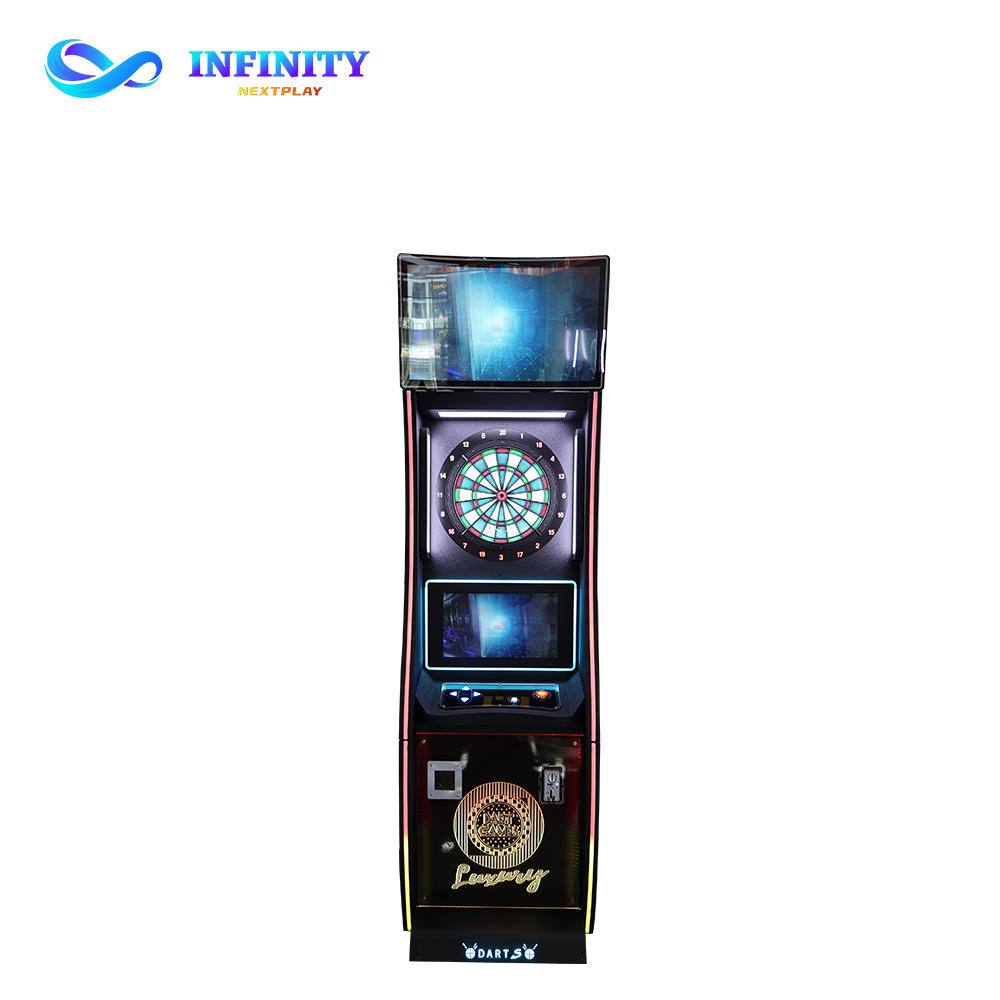
The attraction integration wires the reader into every play point, and the integration follows the natural tap moment of each format. The challenge zone runs the per-round tap: the Infinity Grid LED Dance Floor reader sits at the grid edge, the guest taps for the 5 to 10 minute challenge, the credit deducts per round and the repeat challenges tap again, so the LED grid monetizes the fast repeat play; the grid is the high-frequency tap. The lane zone runs the per-session tap: the Duckpin Bowling System reader sits at the lane console, the guest taps to open the lane, the system charges the per-frame rate and the shoe rental links to the same band, so the duckpin runs the longer session on the single tap; the lane is the session tap. The league zone runs the automatic tap: the Online Electronic Dart Machine X7 reader sits at the cabinet, the guest taps to join the league leg, the scoring runs the automatic and the credit deducts per leg, so the dart league charges without the interruption of the match; the dart is the silent tap. The bar point runs the F&B tap: the guest taps the band at the bar terminal, the round order links to the session ledger and the drink count feeds the per-guest report, so the same wristband carries the play and the food and beverage spend; the bar is the margin tap. The integration is the one-band story: the guest taps the same wristband across the grid, the lane, the dart cabinet and the bar, so the venue sells the whole floor on the single system and the guest never reaches for the wallet; the integration is the unified floor.
The attraction integration also removes the per-machine cash boxes: the reader replaces the coin slot and the bill acceptor on every unit, the cash removal cuts the float management and the shrinkage risk and the staff time moves from the cashier to the floor hosting, so the integration pays back beyond the spend lift.
The spending lift is the revenue effect of the frictionless tap, and the lift follows the impulse and the pre-loaded balance. The impulse capture is the first driver: the guest who taps the 5 dollar challenge without the wallet moment plays the second and the third round, the group that taps the rematch without the discussion orders the next round and the child who taps without the parent card plays the bonus challenge, so the frictionless tap converts the optional plays into the automatic plays; the impulse is the frequency lift. The pre-load is the second driver: the guest loads the 30 to 50 dollar balance at the issue, the loaded money spends across the floor and the guest spends the balance before the exit, so the pre-paid credit locks the spend that the pay-per-play guest would ration; the pre-load is the commitment lift. The bundle is the third driver: the venue prices the wristband packages at the 2-hour, the half-day and the full-day, the package guest taps without watching the balance and the flat-rate guest plays the whole floor, so the bundle lifts the session value along with the freedom; the bundle is the ticket lift. The combined effect lands the lift: the cashless venues report the 45 to 60 percent higher per-guest spend against the coin-operated floors, the lift comes from the frequency, the pre-load and the bundle together and the lift compounds with the repeat visits, so the frictionless tap is the single cheapest revenue tool on the floor; the lift is the business case. The venue that measures the before and the after of the tap rollout shows the lift in the first month, and the lift funds the system within the first year; the data is the proof.
The spending lift also steadies the revenue curve: the pre-loaded balance converts the walk-in into the committed session, the flat-rate package fills the slow hours with the value guests and the tap data shows the off-peak gaps that the promos can fill, so the cashless floor smooths the revenue across the week.
The operations side is where the cashless system changes the daily routine, and the change runs through the staff, the float and the ledger. The staff rebalancing is the first change: the venue replaces the 2 to 3 cashiers with the one issue-desk staff and the self-service kiosk, the freed staff move to the floor hosting and the tournament refereeing and the per-guest service improves without the added headcount, so the operations shift from the counting to the hosting; the rebalancing is the labor saving. The float removal is the second change: the coin-operated floor carries the 500 to 1,500 dollar float across the machines, the cash removal ends the daily collection, the float reconciliation and the shrinkage risk, so the venue closes the day with the digital ledger instead of the cash bags; the float removal is the security gain. The digital ledger is the third change: the system records every tap, every top-up and every redemption, the manager pulls the live revenue view and the audit runs on the report rather than the drawer, so the venue sees the money in the real time; the ledger is the control layer. The incident handling is the fourth change: the lost band freezes the balance and transfers it to the new band, the disputed charge resolves against the tap log and the refund runs the redemption flow, so the cashless system answers the disputes with the data instead of the argument; the incident handling is the trust layer. The venue that runs the cashless operations cuts the labor, the float and the shrinkage together, and the savings stack on top of the spend lift; the operations are the second business case.
The operations side also opens the remote tools: the venue tops up the guest balance from the bar terminal, the manager freezes the lost band from the phone and the owner reads the daily report from anywhere, so the cashless system runs the venue beyond the front door.
The rollout math sizes the system cost against the spend lift, and the math runs through the hardware, the software and the payback. The hardware cost is the first number: the wristband reader runs the 150 to 400 dollars per point, the wristbands run the 1 to 3 dollars each with the recycling and the 8 to 12 reader points cover the whole floor, so the hardware lands at the 2,000 to 5,000 dollars for the typical venue; the hardware is the upfront number. The software cost is the second number: the venue management platform runs the 100 to 300 dollars per month with the top-up, the ledger and the reporting, or the one-time 3,000 to 8,000 dollar license for the owned system, so the software runs the recurring or the one-time model; the software is the operating number. The payback math is the third number: the 45 to 60 percent spend lift on the 3,000 dollar monthly revenue adds the 1,350 to 1,800 dollars per month, the labor and the float savings add the 300 to 500 dollars per month and the combined gain pays the 5,000 dollar system back within the 12 to 18 months; the payback is the investment case. The table summarizes the rollout math:
| Item | Cost | Frequency | Payback Driver |
|---|---|---|---|
| Readers (8-12 points) | $2,000-5,000 | One-time | Spend lift |
| Wristbands | $1-3 each | Recycled | Re-issue |
| Platform | $100-300/month | Monthly | Ledger + top-up |
| Spend lift | +45-60% | Monthly | Funds the system |
The rollout math guides the build: the venue starts with the high-frequency zones, adds the readers to the floor in the phases and measures the before and the after, so the payback window stays under the 18 months and the system funds itself.
The system runs the wristband readers at the play points, the rechargeable wristbands, the top-up kiosk and the venue management platform with the ledger and the reporting. The 8-12 reader points cover the whole floor with the one band.
The hardware lands at the 2,000-5,000 dollars with the readers and the bands, and the software runs the 100-300 dollars per month or the one-time license. The 45-60 percent spend lift pays the system back within the 12-18 months.
The high-frequency zones first: the LED grid for the per-round challenges, the duckpin lanes for the per-session open and the dart machines for the automatic league charging. The bar point completes the loop with the F&B tap.
The frictionless tap captures the impulse plays that the wallet moment cools, the pre-loaded balance locks the committed spend and the flat-rate bundles lift the session value. The combined effect lands the 45-60 percent higher per-guest spend.
The cashless floor removes the coin boxes and the bill acceptors, the venue trades the 2-3 cashiers for the one issue desk plus the kiosk and the float and the shrinkage risk disappear with the cash drawer. The ledger shows the money in the real time.
The system freezes the lost band, transfers the balance to the replacement and answers the disputes with the tap log. The redemption flow refunds or rolls the remaining balance into the loyalty credit at the exit.
The friction question is answered by the wristband loop: the tap-to-play system removes the wallet pause from every zone, the pre-loaded balance and the impulse capture lift the per-guest spend and the cashless ledger replaces the cash handling with the real-time data.
The Infinity Grid LED Dance Floor runs the high-frequency taps, the Duckpin Bowling System runs the session taps and the Online Electronic Dart Machine X7 runs the automatic league taps. The next step is the cashless package: ask NextPlay for the wristband system plan, the reader layout and the operations playbook for your floor.
Ask NextPlay for the cashless package: the wristband system plan, the reader layout for every zone and the operations playbook for the Infinity Grid LED Dance Floor, the Duckpin Bowling System and the Online Electronic Dart Machine X7.