The off-peak question asks who fills the floor on the Monday to Friday morning and afternoon, and the empty room is the quiet revenue leak. The weekday window runs the empty hours: the active gaming floor peaks at the 6 to 10 PM evening and the weekend, the Monday to Friday 9 AM to 3 PM window sits below the 30 percent occupancy and the fixed costs of the rent, the staff and the power run whether the floor is full or empty, so the empty weekday hour is the pure cost hour; the window is the leak. The evening fill cannot reach the window: the league nights and the bar programs fill the night hours but the morning and the early afternoon belong to nobody, and the walk-in traffic on the weekday is too thin to cover the floor; the walk-in is the unreliable fill. The group fill is the answer: the school and the youth groups book the weekday window in the blocks, the 40 to 60 student group fills the floor in the single reservation and the booked group arrives on the schedule instead of the chance, so the group converts the empty window into the sellable product; the group is the reliable fill. The student demand is the natural fit: the school runs the team-building days, the class trips and the end-of-year celebrations on the weekdays, the youth groups run the birthday parties, the club outings and the holiday programs and both book ahead with the budget and the approval process, so the student demand matches the weekday window exactly; the fit is the scheduling match. The venue that packages the weekday window for the student groups sells the hours that the evening programs cannot touch, and the sold hours convert the fixed cost into the margin; the off-peak fill is the second revenue engine.
The off-peak question also steadies the staff: the student group fills the weekday morning and afternoon when the evening team is off, the group program runs with the same equipment and the booked sessions let the venue schedule the shifts to the known demand, so the off-peak fill smooths the labor curve along with the revenue.
The student demand is the group market that books the weekday window, and the market splits into the school side and the youth side. The school side runs the structured demand: the school books the team-building day for the class or the grade, the trip coordinator plans the 2 to 3 hour session, the teacher approves the venue and the budget and the school returns every term with the new classes, so the school contract is the repeatable anchor; the school is the recurring block. The team-building program is the school need: the class splits into the teams, the teams rotate through the challenge stations, the scores feed the friendly competition and the teachers watch the group work and the sportsmanship, so the school buys the venue for the program as much as the equipment; the program is the school product. The youth side runs the event demand: the parents book the birthday party for the 12 to 16 year old, the sports club books the season celebration and the youth organization books the holiday outing, so the youth events fill the Saturday and the school-break windows; the youth is the event block. The youth program is the celebration need: the group plays the LED challenges, runs the duckpin teams and finishes with the dart league final, the party room wraps the celebration and the cake and the snacks close the event, so the youth group buys the whole event package; the event is the youth product. The venue that serves both sides sells the weekday school blocks and the weekend youth events, and the two sides together fill the calendar from the Monday to the Saturday; the demand is the two-track fill.
The student demand also brings the word-of-mouth: the school that runs the successful team-building day tells the neighboring schools, the youth group that celebrates the great party tells the other parents and the venue that hosts the clean events earns the referrals without the ad spend, so the student market compounds its own demand.
The package design turns the weekday window into the sellable product, and the design runs through the structure, the pricing and the add-ons. The package structure is the first decision: the standard student package runs the 2 to 3 hour session with the all-floor access, the venue groups the students into the rotation through the LED grid, the duckpin lanes and the dart stations and the session closes with the leaderboard ceremony, so the package sells the time and the program together; the structure is the product skeleton. The pricing is the second decision: the per-student rate runs the 8 to 15 dollars against the 18 to 25 dollar peak guest, the 40 to 60 student group lands the 320 to 900 dollar session and the 30 to 50 percent off-peak discount still covers the fixed cost of the empty window, so the discounted rate converts the dead hour into the positive margin; the pricing is the fill economics. The add-on tiers are the third decision: the base tier runs the play only, the mid tier adds the pizza and the drink bundle at the 3 to 5 dollars per student and the top tier adds the party room and the prizes at the 8 to 12 dollars, so the venue builds the check with the food and the celebration add-ons; the tiers are the margin lift. The minimums and the booking rules are the fourth decision: the venue sets the 30 student minimum for the weekday package, requires the 7 to 14 day advance booking and takes the 20 to 30 percent deposit, so the group session guarantees the floor fill and the venue loses nothing to the no-show; the rules are the protection. The venue that designs the clean package structure with the tiered pricing sells the weekday window as the product, and the product that sells itself at the front desk earns without the discount wars; the design is the offer.
The package design also feeds the up-sell: the school that books the base package adds the food tier at the confirmation, the youth party that books the mid package adds the party room and the prizes and the group that enjoys the session books the return date before it leaves, so the package structure opens the revenue path beyond the entry rate.
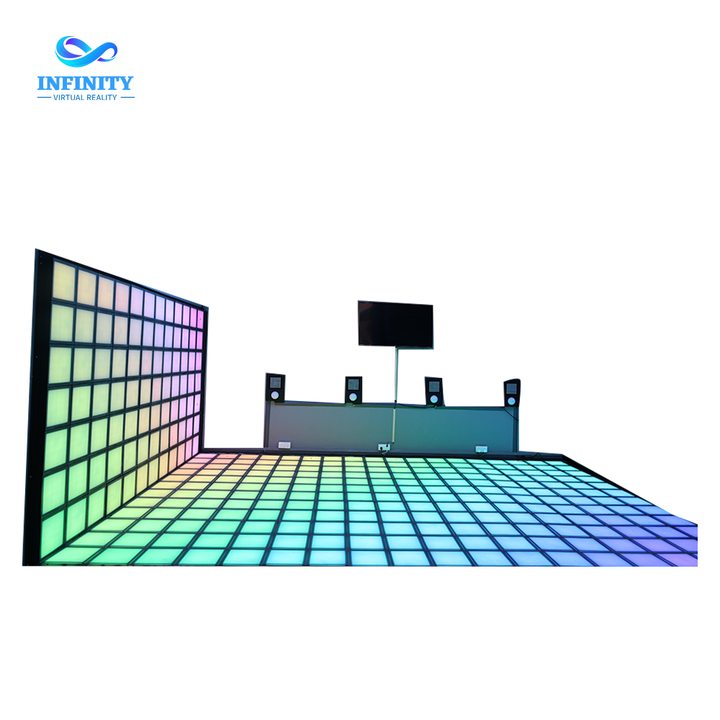
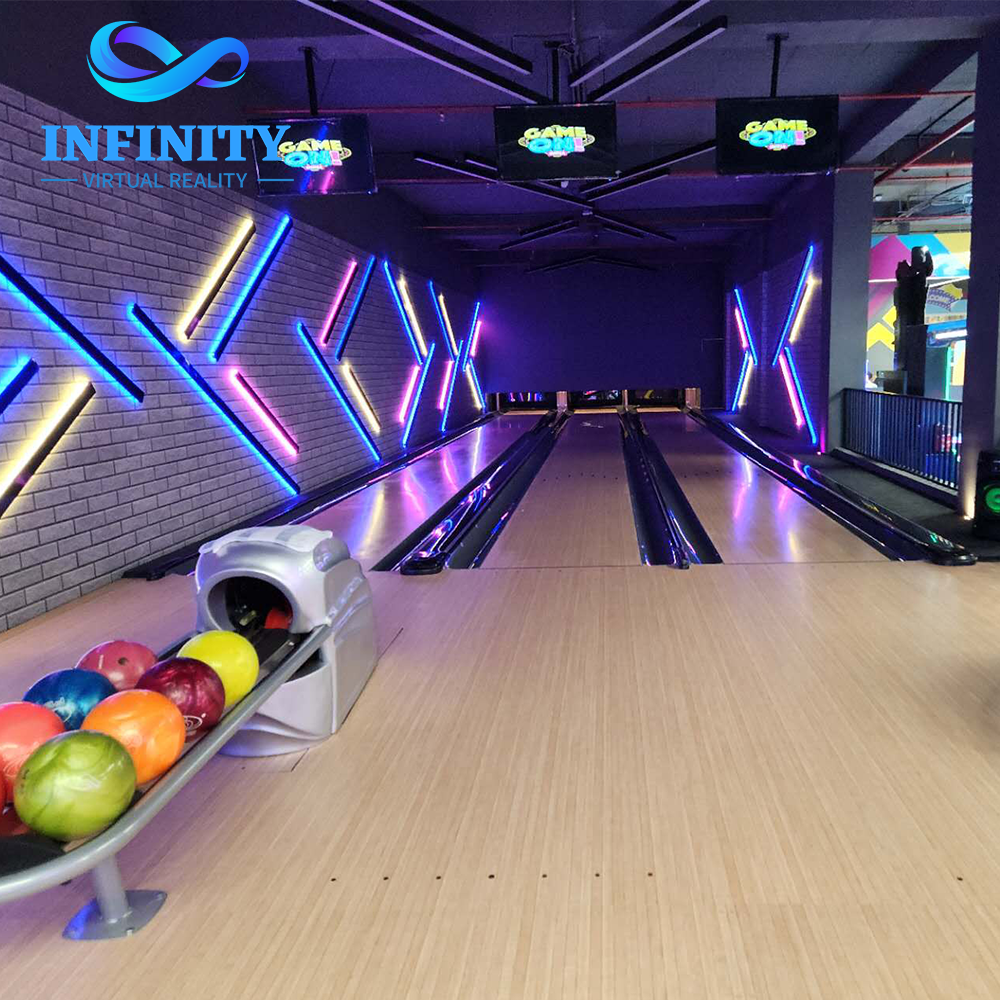
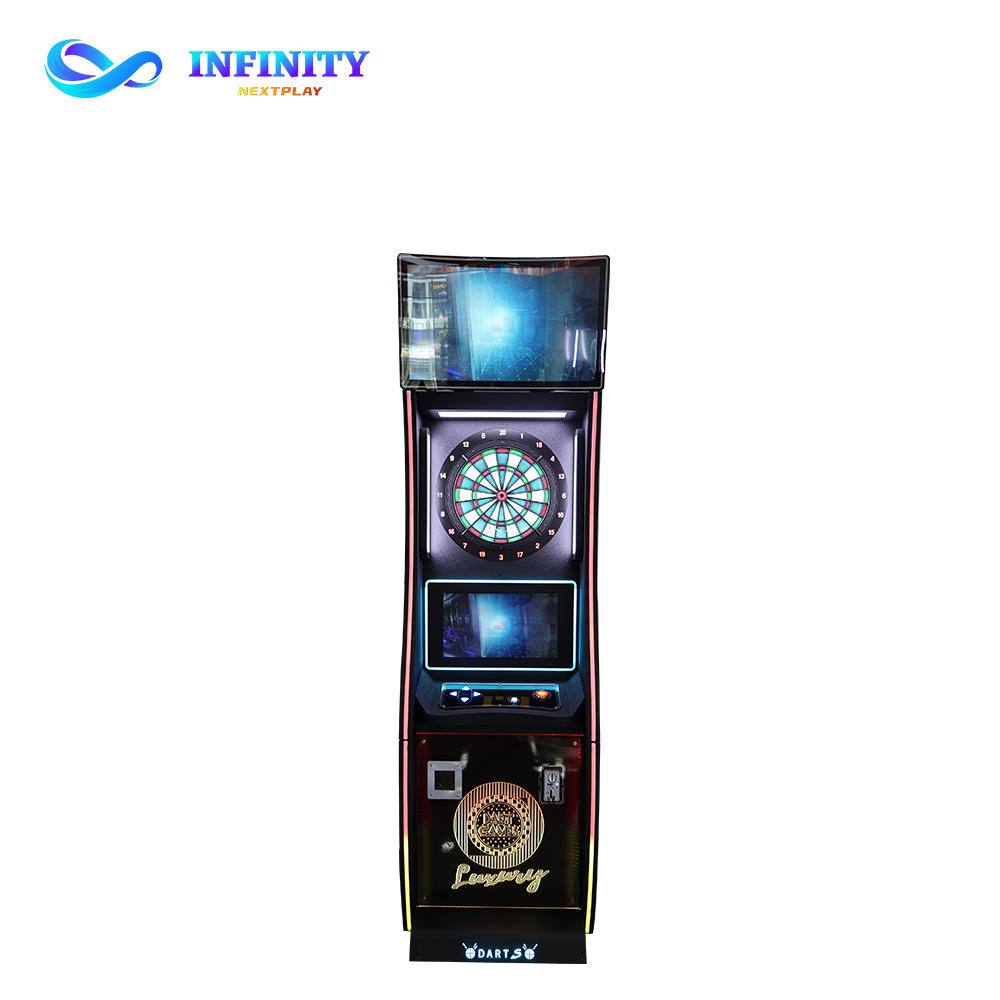
The program run is the session structure that hosts the student group on the schedule, and the run follows the rotation that keeps the whole group active. The arrival and the briefing run the first 15 minutes: the staff checks in the 40 to 60 students, issues the wristbands or the team cards, splits the group into the 4 to 6 teams and explains the rotation, so the session starts with the order instead of the chaos; the briefing is the control point. The station rotation runs the main block: the Infinity Grid LED Dance Floor runs the team relay challenges with the 5 minute rounds, the Duckpin Bowling System runs the 6 to 8 player team frames and the Online Electronic Dart Machine X7 runs the round-robin legs with the automatic scoring, so the teams cycle through the three stations and every student plays every format; the rotation is the active loop. The mid-session break runs the 15 minutes: the students take the snack and the drink break at the designated area, the staff resets the stations and the teams swap the rotation order, so the session holds the energy without the crowding; the break is the rhythm reset. The closing ceremony runs the final 20 minutes: the staff tallies the leaderboard, crowns the winning team, hands the small prizes and closes with the group photo, so the session ends with the memory that the students and the teachers take home; the ceremony is the retention finish. The staff ratio runs the supervision: the 3 to 4 staff members cover the 40 to 60 students with the 1 to 15 ratio, the stations stay supervised and the safety rules hold, so the group runs the session without the incident; the ratio is the control standard. The venue that runs the clean program converts the student group into the repeat booking, and the repeat booking fills the next weekday window; the program is the retention engine.
The program run also adapts to the group type: the school team-building runs the collaborative format with the mixed teams and the sportsmanship awards, the youth party runs the competitive format with the bracket and the winner ceremony and the younger group runs the shorter rounds with the easier challenges, so the same floor hosts the different groups with the adjusted program.
The sales loop is the outreach that turns the student demand into the booked contracts, and the loop runs through the contact, the trial and the retention. The contact stage builds the pipeline: the venue reaches the school activities coordinator, the youth center manager and the sports club organizer with the package flyer and the weekday availability, the school runs the budget cycle in the term and the venue follows up before the term starts, so the outreach seeds the pipeline before the demand lands; the contact is the pipeline builder. The trial stage closes the deal: the venue hosts the free or the discounted trial session for the coordinator and the teacher, the trial shows the clean floor, the organized program and the safety record and the coordinator books the full session from the trial, so the trial converts the contact into the contract; the trial is the conversion tool. The contract stage locks the repeat: the venue offers the term package with the 4 to 8 sessions at the locked rate, the school books the series and the venue holds the weekday slot for the term, so the contract fills the window for the whole season; the contract is the booked guarantee. The retention stage grows the account: the venue reviews the session with the teacher, collects the feedback, adjusts the program and offers the referral credit for the neighboring school, so the happy school returns every term and brings the next one; the retention is the growth loop. The venue that runs the sales loop treats the school not as the one-off walk-in but as the term account, and the account fills the weekday calendar with the scheduled certainty; the loop is the revenue calendar.
The sales loop also uses the existing data: the venue tracks the group size, the session timing and the add-on take-up from the past bookings, the data shows which schools return and which packages convert and the outreach targets the proven segments, so the sales effort spends on the highest-probability accounts.
The yield math values the student fill against the empty window, and the math runs through the session revenue and the calendar fill. The session revenue is the first number: the 50 student group at the 10 dollar base rate produces the 500 dollar session, the 60 percent add-on take-up adds the 150 to 250 dollars and the session lands at the 650 to 750 dollars for the 3 hours, so the weekday session covers the fixed cost of the window; the session is the margin unit. The calendar fill is the second number: the 3 student sessions per week across the 45 school weeks fill the 135 weekday slots per year, the 20 youth events fill the weekend windows and the combined calendar adds the 4,000 to 6,000 dollar monthly revenue to the off-peak hours, so the group fill builds the second revenue stream; the calendar is the compounding fill. The labor math is the third number: the group session runs with the 3 to 4 staff members at the 30 to 40 percent of the evening team, the booked sessions let the venue schedule the part-time staff to the known demand and the staff cost runs the 30 to 40 percent of the session revenue, so the group fill keeps the margin positive against the empty window; the labor is the cost guard. The table summarizes the yield math:
| Item | Value | Frequency | Annual Impact |
|---|---|---|---|
| 50-student session | $650-750 | 3x/week | Fill the weekday |
| Per-student rate | $8-15 | Per session | 30-50% off peak |
| Add-on take-up | +$150-250/session | 60% of groups | Margin lift |
| Group calendar | $4-6K/month | School terms | Second revenue stream |
The yield math guides the offer: the venue prices the package to the fixed-cost coverage, runs the add-on tiers to lift the margin and fills the weekday calendar with the term contracts, so the student group converts the empty window into the second revenue stream.
The school and the youth groups book the Monday-Friday 9 AM to 3 PM window in the blocks: the school runs the team-building days and the class trips on the weekdays and the group arrives on the schedule, so the booked session fills the hours that the walk-in traffic cannot.
The standard package runs the 2-3 hour session with the all-floor access, the team rotation through the LED grid, the duckpin lanes and the dart stations and the leaderboard ceremony. The add-on tiers add the food bundle, the party room and the prizes.
The per-student rate runs the 8-15 dollars against the 18-25 dollar peak guest, so the 40-60 student group lands the 320-900 dollar session. The 30-50 percent off-peak discount still covers the fixed cost of the empty window.
The program runs the 15-minute briefing, the station rotation through the three formats, the mid-session break and the closing ceremony. The 3-4 staff members cover the group at the 1:15 ratio with the supervised stations.
The sales loop runs the contact with the coordinator, the trial session for the teacher, the term contract with the 4-8 locked sessions and the retention review with the referral credit. The school becomes the term account rather than the one-off booking.
The 50-student session at the 10 dollar rate with the add-ons lands at the 650-750 dollars, and the 3 sessions per week across the school terms add the 4,000-6,000 dollar monthly revenue to the off-peak hours.
The off-peak question is answered by the group market: the school and the youth groups book the weekday window that the evening programs cannot touch, the package structure sells the time with the program and the sales loop converts the demand into the term contracts.
The Infinity Grid LED Dance Floor runs the team relays, the Duckpin Bowling System runs the team frames and the Online Electronic Dart Machine X7 runs the round-robin legs. The next step is the student group kit: ask NextPlay for the package template, the 40-60 student program and the school outreach plan for your venue.
Ask NextPlay for the student group kit: the package template, the 40-60 student program and the school outreach plan for the Infinity Grid LED Dance Floor, the Duckpin Bowling System and the Online Electronic Dart Machine X7.