The spend-per-head question decides how much each sports fan leaves behind, and the answer sits in the gap between the match and the play. The sports bar earns on the two ledgers: the drink and the food from the seated guest, and the play from the interactive floor that surrounds the screens; the match brings the crowd, the play extends the stay and the stay lifts the check. The per-head number is the unit of the business: the bar that raises the spend per head from the 12 to the 18 dollars lifts the revenue by the 50 percent without adding a single new customer, so the per-head is the leverage of the venue; the number is the growth lever. The half-time gap is the lost revenue: the sports fan arrives for the match, the halftime breaks the momentum and the fan who stares at the phone during the break orders nothing until the second half starts, so the gap is the empty till; the gap is the opportunity. The interactive floor fills the gap: the fan who steps onto the batting station or the dart board during the break plays, competes and orders the round while the match is paused, so the floor turns the dead minutes into the live spend; the floor is the gap filler. The venue that designs the play into the match rhythm raises the spend per head by the design, and the venue that leaves the floor dark leaves the half-time money on the table; the design is the answer.
The spend-per-head target also sets the venue type: the neighborhood bar runs the lower 10 to 15 dollars per head with the screen-only format, the interactive sports bar runs the 18 to 25 dollars with the play floor and the premium lounge runs the 30 dollars plus with the table service and the simulators. The venue picks the target and builds the floor to it.
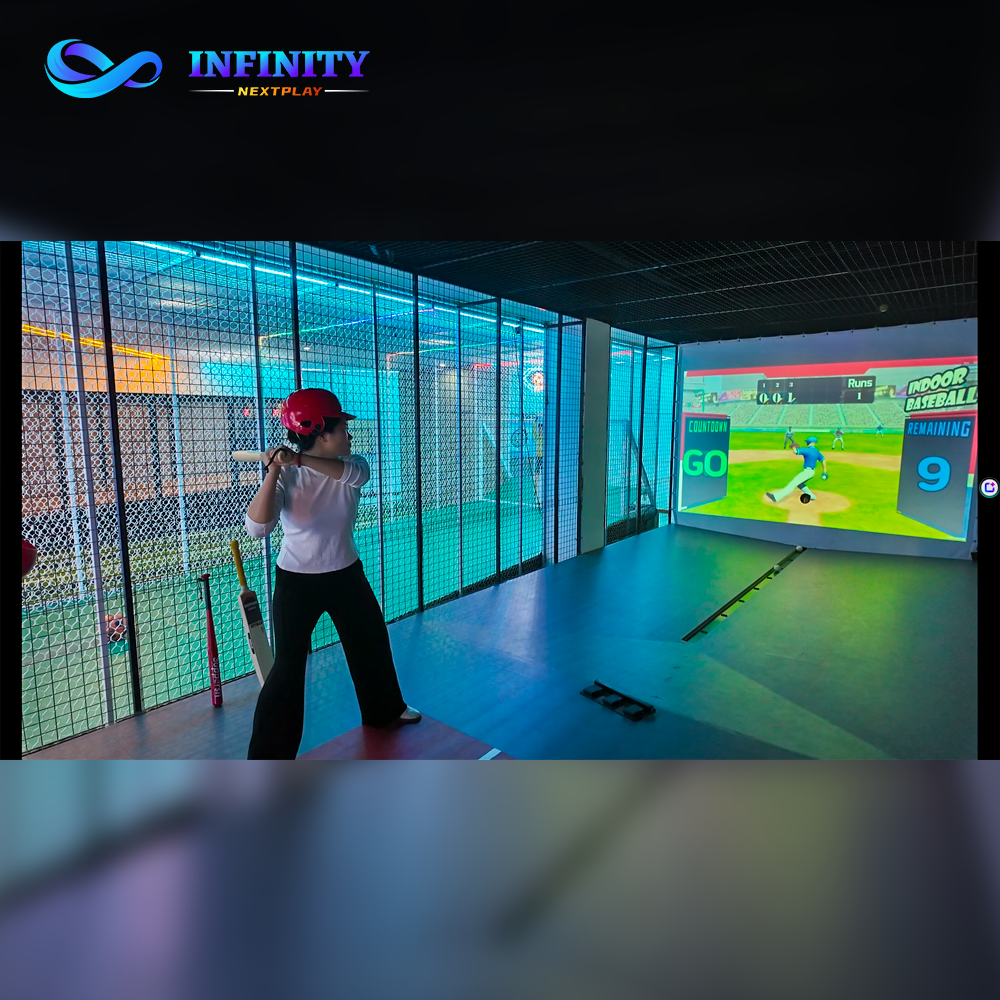
The half-time window is the revenue gap that the interactive floor is built to capture, and the window runs the 15 to 20 minutes of the break in the team sports. The match rhythm creates the windows: the football runs the 15-minute half-time, the basketball runs the 15-minute quarter breaks, the baseball runs the inning changes and the hockey runs the intermissions, so the match night produces the 2 to 4 windows of the dead time per game; the windows are the sales slots. The fan behavior in the window decides the capture: the fan with nothing to do checks the phone and waits, the fan with the game nearby walks over, plays the 3 to 5 minute round and orders the drink on the way back to the seat, so the play converts the window into the round; the play is the converter. The window math is simple: the 40 seated fans at the 50 percent participation and the 8 dollar round per participant produce the 160 dollars per window, and the match night with the 3 windows adds the 480 dollars to the bar ledger without the new guests; the math is the window value. The Immersive Indoor Baseball Simulator is the window machine: the baseball station runs the 3 to 5 minute batting round with the real-time ball tracking, the fan steps in during the break, swings and returns to the seat with the drink, so the baseball fits the window perfectly; the baseball is the half-time anchor. The venue that builds the short-round games near the seats captures every window, and the venue that fills the floor with the 20-minute sessions loses the break; the window design is the capture strategy.
The window also sets the staffing: the bar team runs the faster service during the breaks, the pre-poured options and the wristband ordering close the round inside the 5 minutes and the team returns to the prep work when the match restarts. The venue that staffs to the window rhythm serves the peak without the idle cost.
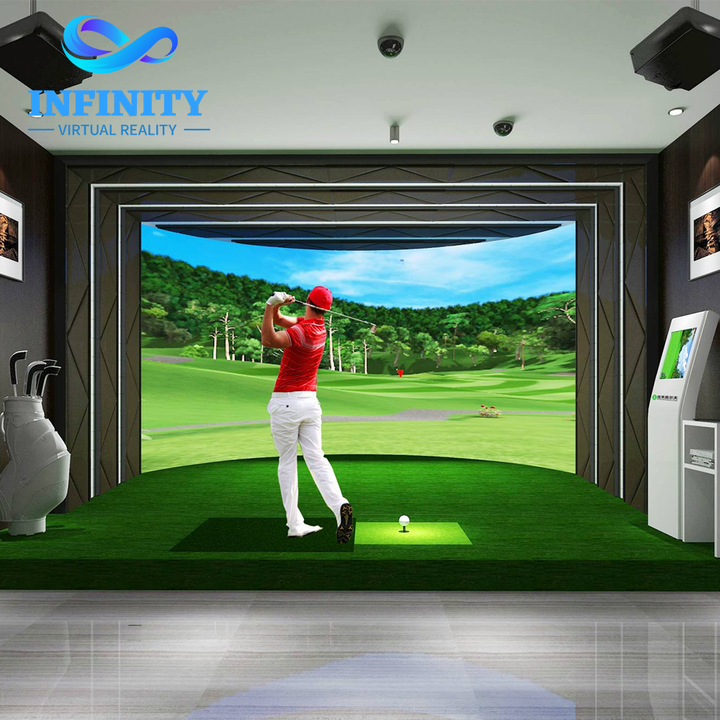
The interactive floor holds the sports fan by turning the spectator into the player, and the hold depends on the game format that fits the sports crowd. The competition format holds the group: the dart board runs the leg between the friends, the leaderboard posts the scores and the rivalry pulls the rematch, so the competitive game keeps the group at the station through the second window; the competition is the hold. The skill format holds the individual: the batting station runs the swing against the projection, the golfer plays the quick hole against the friends and the score against the par keeps the player at the next turn, so the skill game gives the individual the reason to stay; the skill is the repeat pull. The spectator format holds the room: the big screen shows the match, the play stations ring the screen and the fan alternates between the seat and the station, so the venue becomes the loop of the watch and the play; the loop is the dwell engine. The Indoor AR Golf Simulator is the skill hold: the AR golf runs the high-speed camera detection and the 4K laser projection, the friends play the quick nine on the rainy match day and the leaderboard ties the game to the next round at the bar; the golf stretches the stay past the match. The floor mix decides the hold: the venue runs the baseball and the darts for the short windows, the golf and the simulators for the longer sessions and the screens for the match itself, so the mix covers the full evening.
The hold also depends on the visibility: the play stations sit inside the sightline of the seated fans, the running scores show on the wall screens and the applause from the station pulls the next player. The venue that makes the play visible sells the participation without the staff pitch.
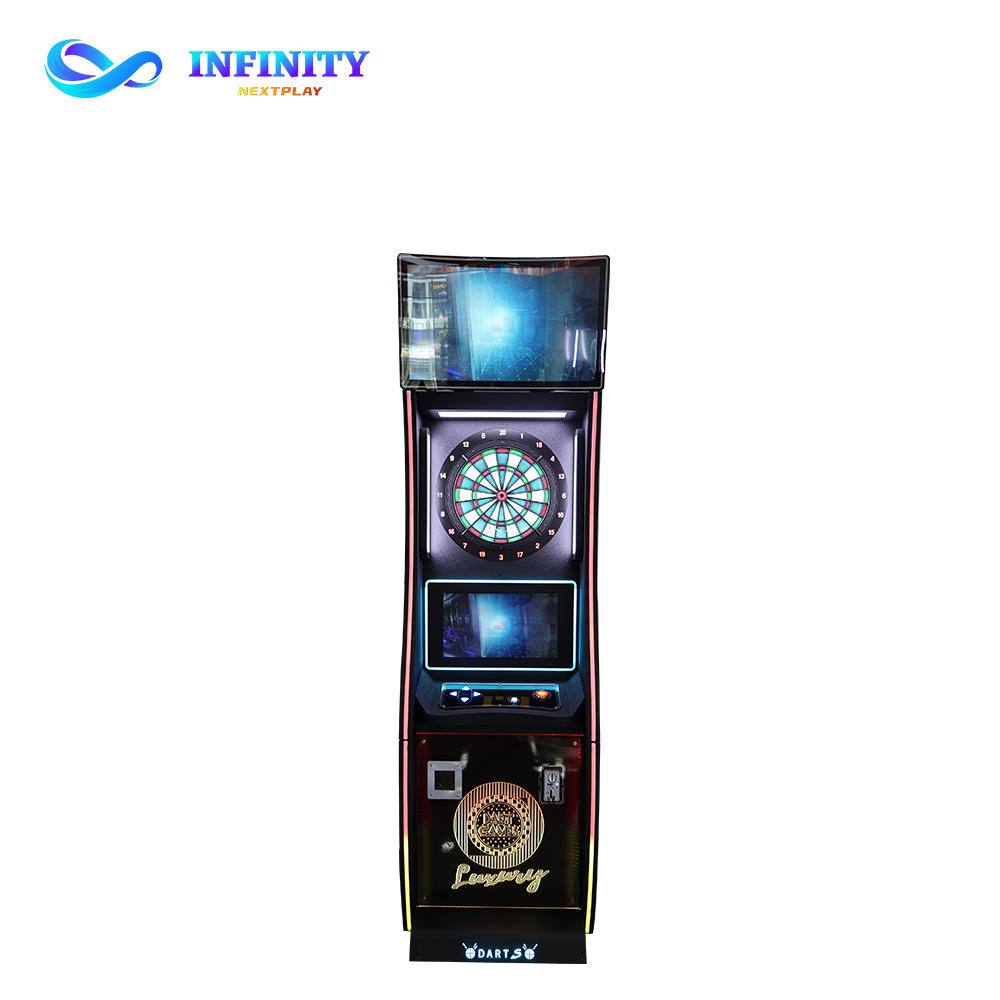
The game-to-round conversion is the bridge between the play and the bar ledger, and the bridge is built from the trigger, the route and the offer. The trigger is the moment: the fan finishes the batting round, the score posts and the adrenaline peaks, and the fan walks toward the seat past the bar rail; the peak moment is the order trigger. The route is the path: the bar sits between the play stations and the seats, the fan crosses the counter on the way back and the counter staff holds the eye contact with the ready pour; the route puts the order in the path. The offer is the hook: the round special tied to the game, the winner shot and the two-for-one during the break close the order at the trigger, so the offer converts the peak into the purchase; the offer is the closer. The conversion math: the 50 to 70 percent of the players order the round on the way back, the round runs the 8 to 12 dollars and the player converts into the 2 to 3 rounds per evening, so the play floor turns the 20 players into the 40 to 60 rounds per night; the conversion is the ledger bridge. The Online Electronic Dart Machine X7 is the conversion anchor: the X7 runs the automatic scoring and the global league play, the leg ends with the winner and the loser buys the round, so the X7 builds the round into the game itself; the X7 is the self-ordering game. The venue that designs the trigger, the route and the offer into the floor converts the play into the spend by the architecture, and the venue that leaves the bar at the edge depends on the fan walking over on their own; the design is the conversion.
The per-head math quantifies the lift that the interactive floor adds to the bar check, and the math runs from the base check to the play-led rounds. The base check is the first number: the screen-only sports bar runs the 10 to 15 dollars per head from the drinks and the snacks during the match, and the base is the floor the venue must beat; the base is the reference. The play-led rounds are the second number: the interactive venue converts the 50 to 70 percent of the guests into the play, the players order the 2 to 3 rounds at the 8 to 12 dollars and the play adds the 16 to 36 dollars per active guest; the play is the adder. The blended per-head is the third number: the 60 guests with the 60 percent play rate and the 20 dollar average play-led spend add the 12 dollars to the base, lifting the per-head from the 12 to the 24 dollars and the evening revenue from the 720 to the 1,440 dollars; the blend is the venue result. The margin on the added spend is the fourth number: the play-led drinks run the 75 to 85 percent gross margin and the play tokens run the 60 to 70 percent, so the added 720 dollars lands the 540 dollars of the gross profit on the margin ledger; the margin is the profit story. The per-head table summarizes the math:
| Guest Type | Base Check | Play-Led | Evening Total |
|---|---|---|---|
| Screen-only fan | $10-15 | None | $10-15 |
| Interactive player | $10-15 | $16-36 | $26-51 |
| League regular | $10-15 | $24-48 | $34-63 |
| Blended 60-guest night | $720 | +$720 | $1,440 |
The per-head math guides the investment: the venue that adds the 3 to 5 play stations lifts the per-head by the 40 to 60 percent and the stations pay back from the added margin, while the screen-only venue caps the per-head at the base. The floor is the per-head strategy.
The match-night operations run the play floor and the bar as one machine, and the machine needs the pacing, the service and the staff. The pacing follows the match clock: the games run the short rounds during the breaks, the stations free up when the match restarts and the play shifts to the longer sessions after the final whistle, so the floor matches the crowd rhythm; the pacing protects the play and the pour. The service closes the rounds: the wristband ordering links the play session to the bar tab, the runner delivers to the stations and the seated guests order from the table, so the service keeps the money moving without the queue; the service is the flow. The staff runs the dual role: the bartender doubles as the play host, the host starts the games and explains the rules, the score announcements come from the bar and the host converts the first-timer into the round; the staff is the conversion agent. The Immersive Indoor Baseball Simulator anchors the night: the batting challenge runs as the intermission event, the winner takes the bragging right and the loser buys the round, and the running score on the wall pulls the next batter through the evening; the baseball is the match-night engine. The venue that staffs the play and the pour as one team runs the 40 percent per-head lift, and the venue that treats the floor as the afterthought runs the dead stations; the operations are the delivery.
The operations also cover the league nights: the weekday league runs the darts and the bowling with the standing teams, the league fee covers the play and the rounds fund the margin, so the league night fills the slow weekdays with the committed spend. The venue runs the league calendar to balance the match nights.
The interactive floor lifts the per-head by the 40 percent or more: the base screen-only check runs the 10-15 dollars and the play-led rounds add the 16-36 dollars for the 50-70 percent of the guests who play, landing the blended evening check at the 18-25 dollars.
The match produces the 2-4 dead windows of 15-20 minutes per game, and the fan with nothing to do orders nothing. The short-round station turns the window into the 8 dollar round, and the 40 seated fans at the 50 percent participation add the 160 dollars per window.
The 3-5 minute rounds fit the break: the baseball batting station, the dart leg and the quick archery round run inside the window and send the fan back to the seat with the drink. The 20-minute simulator sessions belong to the after-match period.
The 50-70 percent of the players order on the way back to the seat when the bar sits between the stations and the seats, the round runs the 8-12 dollars and the player converts into the 2-3 rounds per evening. The trigger, the route and the offer drive the rate.
The bartender doubles as the play host: they start the games, explain the rules, announce the scores and convert the first-timer into the round. The wristband ordering links the play to the bar tab and the runner delivers to the stations.
The 3-5 play stations add the 40-60 percent to the per-head and the added margin covers the stations: the 720 dollars of the added evening revenue at the 75-85 percent drink margin lands the 540 dollars of the gross profit per night against the station cost.
The spend-per-head question is answered by the interactive floor: the half-time window creates the sales slots, the short-round games hold the sports fan through the break and the game-to-round conversion turns the play into the order. The per-head math shows the 40 percent lift that the play-led rounds add to the evening check.
The Immersive Indoor Baseball Simulator is the window anchor, the Indoor AR Golf Simulator is the skill hold and the Online Electronic Dart Machine X7 is the conversion anchor. The next step is the sports bar spend kit: ask NextPlay for the half-time engagement plan, the game-to-round conversion and the per-head model for your bar.
Ask NextPlay for the sports bar spend kit: the half-time engagement plan, the game-to-round conversion and the per-head model for the Immersive Indoor Baseball Simulator, the Indoor AR Golf Simulator and the Online Electronic Dart Machine X7.