The food margin question decides how much of the venue profit comes from the kitchen and the bar, and the answer starts with the attraction that surrounds the guests. The venue earns on two ledgers: the play revenue from the tickets and the machine cycles, and the food and beverage revenue from the rounds that the play triggers; the two ledgers run side by side. The food margin is the higher-margin ledger: the drink carries the 75 to 85 percent gross margin against the 50 to 65 percent of the play after the equipment cost, the consumables and the staff, so the venue that maximizes the food margin lifts the total profit faster than the venue that only sells the play; the margin is the profit lever. The attraction choice is the driver: the social game with the natural break creates the drink interval, the solo screen keeps the guest at the machine and the interval is where the bar sells; the attraction is the bar engine. The venue that picks the round-based games builds the food margin into the floor plan from day one, and the venue that picks the silent machines leaves the food margin to the foot traffic and the luck; the choice is the margin strategy.
The food margin question also sets the venue type: the sports bar runs the higher food share because the social games and the match rhythm pull the rounds, the family center runs the lower share because the kids buy the snacks rather than the drinks and the adult venue runs the middle share with the craft options. The venue designs the attraction mix to the food share it targets, and the mix decides the profit structure.
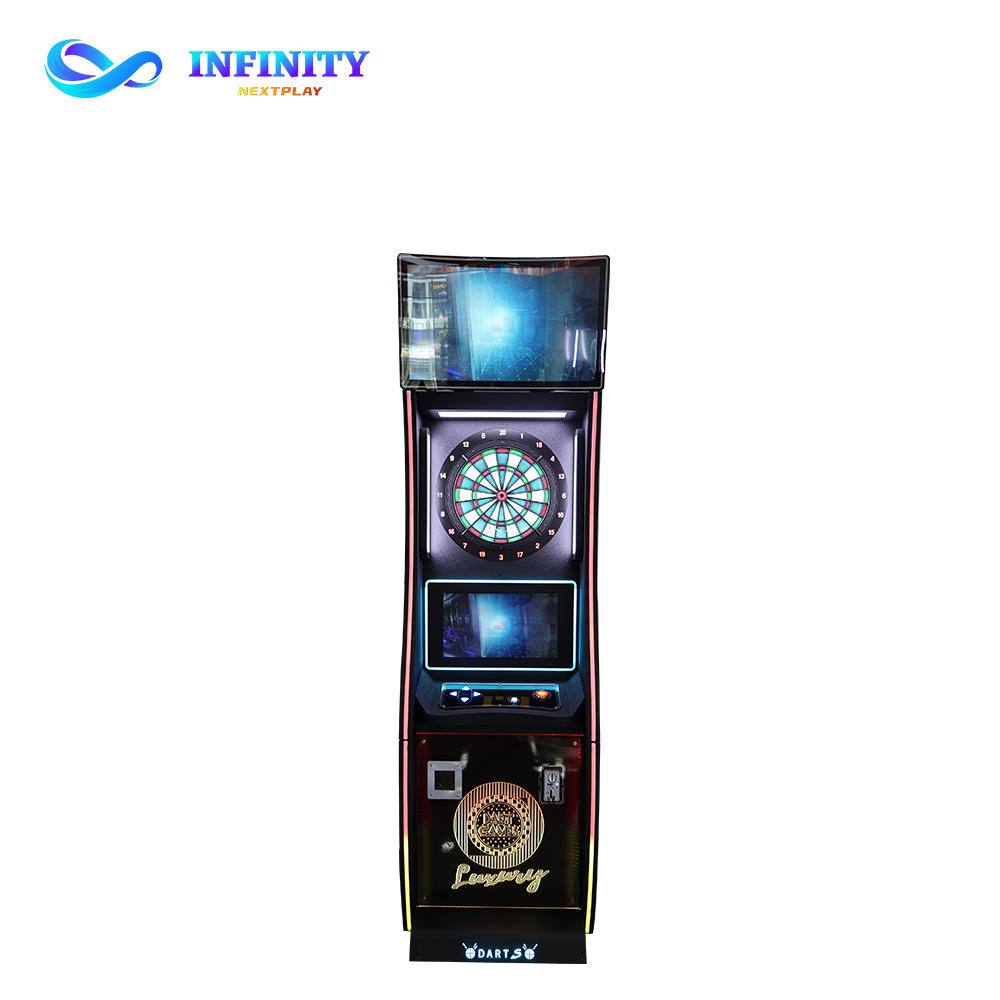
The round structure is the mechanism that turns the game into the drink order, and the mechanism runs on the natural breaks in the social game. The social game runs in the turns: the players throw, shoot or roll in the sequence, the turn ends and the next player steps up, and the wait between the turns is the natural pause; the pause is the sales window. The round-based game runs the 2 to 3 completed cycles per hour with the group: the four players at the dart board finish the leg, the winner is crowned, the players debate the score and the group moves to the bar for the next round; the cycle is the drink trigger. The solo game misses the interval: the single player at the screen plays the continuous session, the session holds the attention and the player leaves the machine for the drink only when the credits run out, so the solo format sells the play without the drink rhythm; the solo is the dry format. The Online Electronic Dart Machine X7 is the round engine: the X7 runs the global league play with the automatic scoring, the leg finishes in the minutes and the leaderboard creates the rivalry that holds the group at the station; the X7 is the interval machine. The round structure is the design decision: the venue that builds the breaks into the floor sells the rounds, and the venue that fills the floor with the continuous screens sells the time; the structure decides the margin.
The interval also needs the physical route: the bar point sits inside the play loop so the guest passes it between the turns, the counter tops the route and the service is fast enough to close the round before the next leg. The venue that routes the loop through the bar doubles the drink frequency without adding the staff.
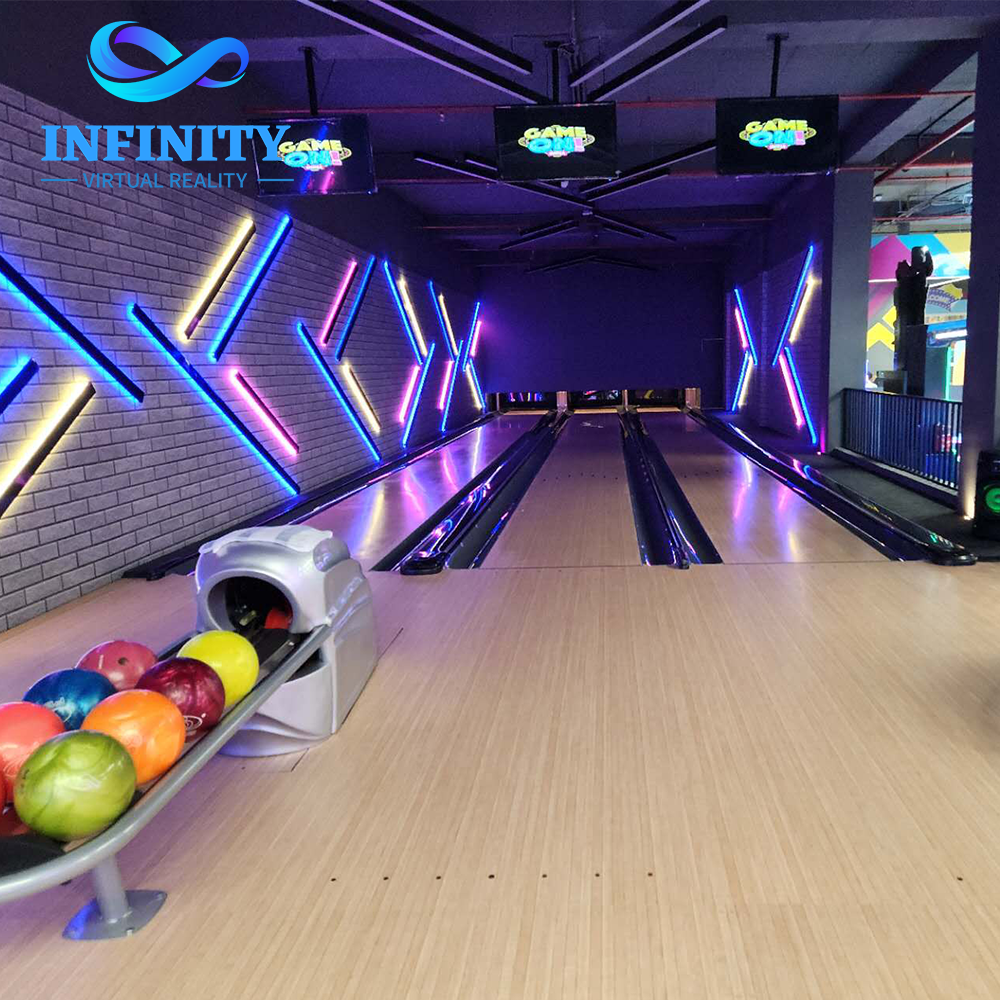
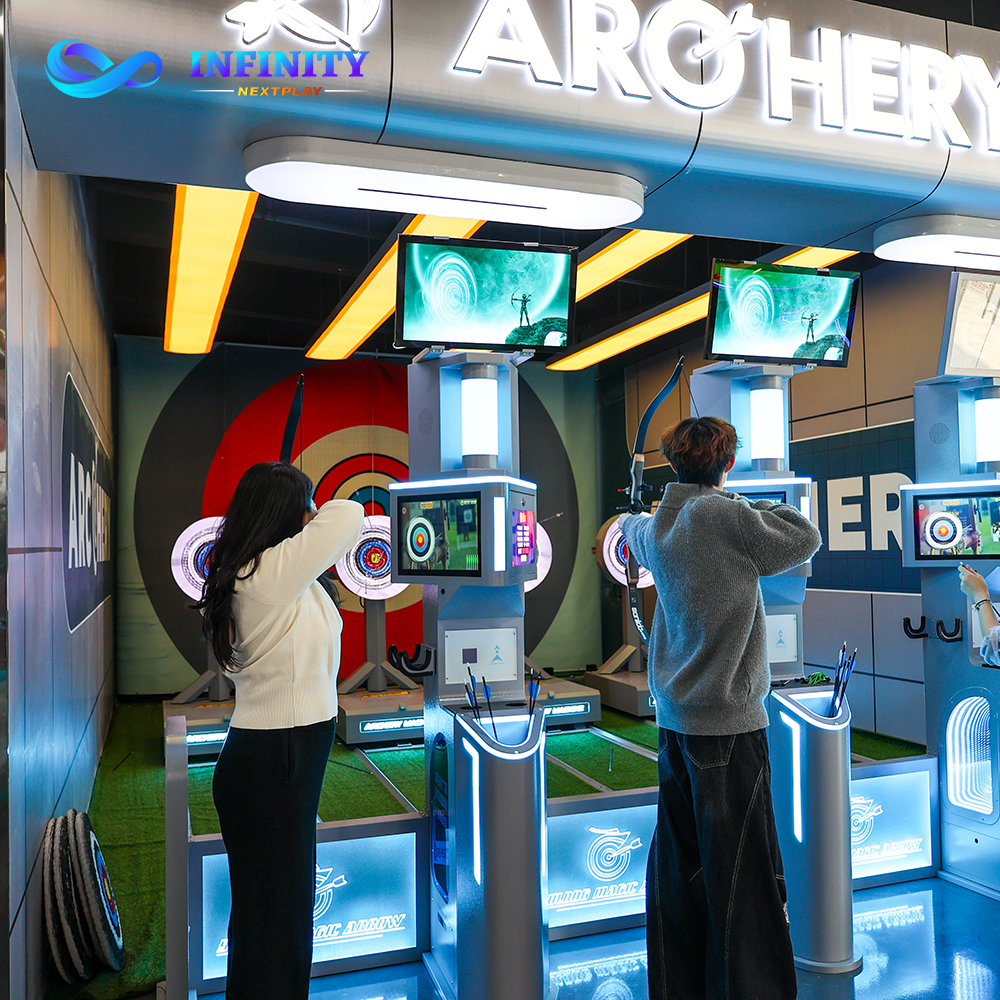
The margin ladder ranks the attractions by the food and beverage check they feed, and the ranking follows the dwell and the social rhythm of each game. The dart and the billiard games lead the ladder: the multi-player format, the seated breaks and the rivalry keep the group at the station for the hour, the group orders the round every 20 to 30 minutes and the check lands at the 15 to 25 dollars per person per visit; the social games are the top tier. The bowling games sit in the middle tier: the lane session runs the 60 to 90 minutes, the shoe and the lane fee cover the play and the bar sells the rounds between the frames, but the lane count limits the guests per square meter and the check runs the 10 to 18 dollars; the bowling is the steady tier. The simulator games run the lower tier: the baseball, the golf and the archery sessions hold the attention on the screen, the player focuses on the shot and the drink order happens in the break between the stations rather than between the turns, so the check lands at the 6 to 12 dollars unless the venue adds the bar service; the simulators are the tier to design around. The Duckpin Bowling System is the middle-ladder anchor: the duckpin lane runs the compact format in the bar footprint, the frames create the natural pauses and the bar rail beside the lane turns the pause into the round; the duckpin is the bar-compatible lane. The ladder decides the floor mix: the venue leads with the top-tier games near the bar, fills the middle with the lanes and adds the simulators as the variety, so the mix feeds the check from every zone.
The 15 dollar beverage ticket is the target check that the social game should produce, and the target is built from the round price and the round count. The round price is the first number: the craft beer runs the 6 to 9 dollars, the cocktail the 9 to 14 and the shareable snack the 5 to 8, so the two-drink plus snack round lands at the 15 to 25 dollars per person; the round is the check unit. The round count is the second number: the social group plays the 2 to 3 rounds per hour, the venue converts the 50 to 70 percent of the players into the round and the converted guest spends the 15 to 25 dollars per visit on the food and drink; the count is the frequency. The ticket math is the third number: the 60 active guests at the 60 percent conversion and the 18 dollar average check produce the 648 dollars of the food and beverage revenue per hour, and at the 75 percent drink margin that is the 486 dollars of the gross profit on the margin ledger; the math is the margin engine. The Digital Archery Simulator A4 is the check builder: the A4 runs the adjustable track and the dual screen with the leaderboard, the competitive session creates the rematch and the rematch creates the second and the third rounds at the bar; the A4 stretches the session into the ticket. The pricing strategy ties the game to the drink: the two-hour package with the drink voucher, the league night with the round special and the group deal with the snack board turn the game into the food and beverage event; the bundle is the check multiplier.
The ticket also scales with the menu: the venue that pairs the high-margin drinks with the game theme sells the story with the glass, the signature round for the league winner and the snack board that matches the rivalry keep the check in the upper range. The menu design is the second half of the ticket math.
The seat math ranks the attractions by the food margin per square meter, and the ranking combines the check, the turnover and the footprint. The dart station wins the compact math: the X7 cabinet runs the 2 to 3 square meters, the group of the 4 to 6 players rotates through the station at the 60 to 90 minute sessions and the station produces the 2 to 4 rounds per session, so the compact footprint with the high check lands the top margin per meter; the dart is the floor-efficiency winner. The duckpin lane runs the next math: the compact duckpin lane fits the 20 to 25 square meters with the approach and the seating, the lane produces the 3 to 5 rounds per hour across the frames and the bar rail captures the drinks, so the lane earns the steady margin per meter; the duckpin is the middle-efficiency format. The simulator runs the loosest math: the baseball and the archery stations need the 10 to 15 square meters for the projection and the lane, the session holds the 6 to 12 dollars of the check and the station needs the adjacent bar service to lift the margin, so the simulator earns the lower margin per meter unless the venue sells the add-ons; the simulator is the space trade. The margin table summarizes the math:
| Attraction | Footprint | Check | Margin Rank |
|---|---|---|---|
| Dart X7 station | 2-3 m2 | $15-25/person | Top |
| Duckpin lane | 20-25 m2 | $10-18/person | Middle |
| Archery simulator | 10-15 m2 | $6-12/person | Design-around |
| Bar point | 3-5 m2 | All rounds | Engine |
The seat math guides the floor: the venue packs the high-margin stations around the bar core, uses the lanes as the anchor zones and treats the simulators as the variety that the regulars rotate through. The mix keeps every square meter feeding either the play or the margin ledger.
The bar integration places the beverage point inside the play loop, and the placement decides how many of the breaks become the rounds. The bar sits at the center of the loop: the dart stations ring the bar, the lanes run along the wall with the rail seating and the simulators sit at the perimeter, so every guest crosses the bar zone between the games; the center is the hub. The service speed closes the round: the pre-poured options, the wristband tap and the two-person bar team serve the 60 guests per hour, the queue at the bar stays under the 3 minutes and the group returns to the game before the next leg; the speed protects the play. The ordering system captures the data: the wristband links the drink to the game session, the venue tracks the rounds per guest and the data shows which games feed the highest check, so the venue tunes the mix by the margin data; the data is the steering wheel. The Online Electronic Dart Machine X7 sits at the hub: the X7 leaderboard runs the league night with the round special, the winner celebration lands at the bar and the rivalry feeds the next round, so the X7 is the bar-integration anchor. The venue that designs the bar as the hub of the social loop turns every game into the food and beverage event, and the venue that hides the bar at the edge sells the drinks only to the walk-ins; the integration is the margin architecture.
The dart and the billiard games lead the ladder: the multi-player round format, the seated breaks and the rivalry keep the group at the station and the group orders the 15 to 25 dollar round every 20 to 30 minutes. The compact dart station with the bar hub earns the top margin per square meter.
The round price builds the 15 dollar plus ticket: the craft beer at 6-9 dollars, the cocktail at 9-14 and the snack at 5-8 land the two-drink round at 15-25 dollars per person. The league special and the group bundle stretch the check further.
The continuous session holds the attention at the machine and the player orders only when the credits run out. The round-based game finishes the leg, crowns the winner and sends the group to the bar between the turns, so the break structure is the drink trigger.
The compact duckpin lane runs the frames with the natural pauses, the bar rail beside the lane captures the rounds and the lane produces the 3-5 rounds per hour at the 10-18 dollar check. The duckpin is the bar-compatible lane that earns the steady middle-tier margin.
The food and beverage ledger carries the 40-60 percent of the venue profit on the margin structure: the drink gross margin runs the 75-85 percent against the 50-65 percent of the play after the equipment cost, so the social-game floor lifts the total profit fastest.
The bar sits at the center of the loop with the dart stations ringing it, the lanes running along the wall with the rail seating and the simulators at the perimeter. The two-person bar team serves the 60 guests per hour so the group returns before the next leg.
The food margin question is answered by the attraction mix: the round-based social games create the drink interval, the margin ladder ranks the dart, the duckpin and the simulator by the check they feed and the 15 dollar plus beverage ticket turns the round into the profit. The bar integration places the beverage point at the hub of the loop so every break becomes the round.
The Online Electronic Dart Machine X7 is the round engine, the Duckpin Bowling System is the bar-compatible lane and the Digital Archery Simulator A4 is the check builder. The next step is the food margin kit: ask NextPlay for the round structure plan, the margin ladder and the bar integration layout for your floor.
Ask NextPlay for the food margin kit: the round structure plan, the margin ladder and the bar integration layout for the Online Electronic Dart Machine X7, the Duckpin Bowling System and the Digital Archery Simulator A4.