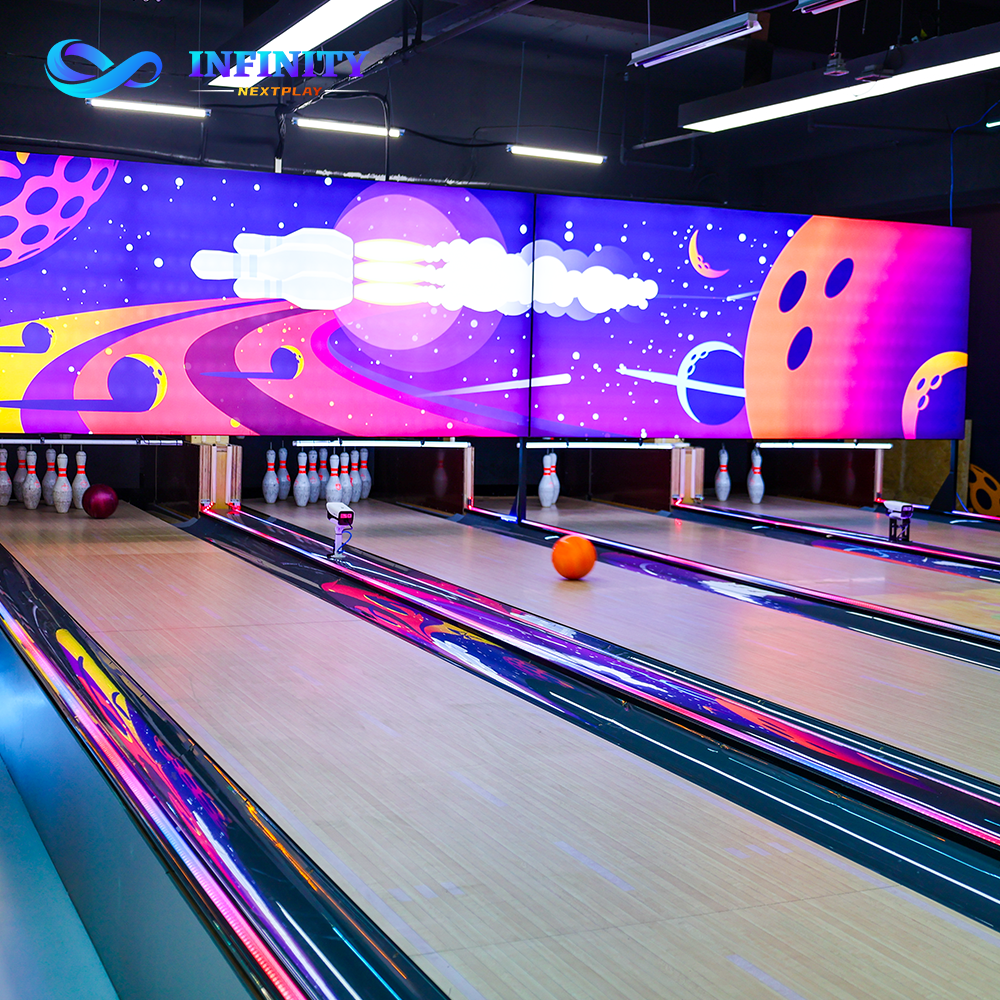
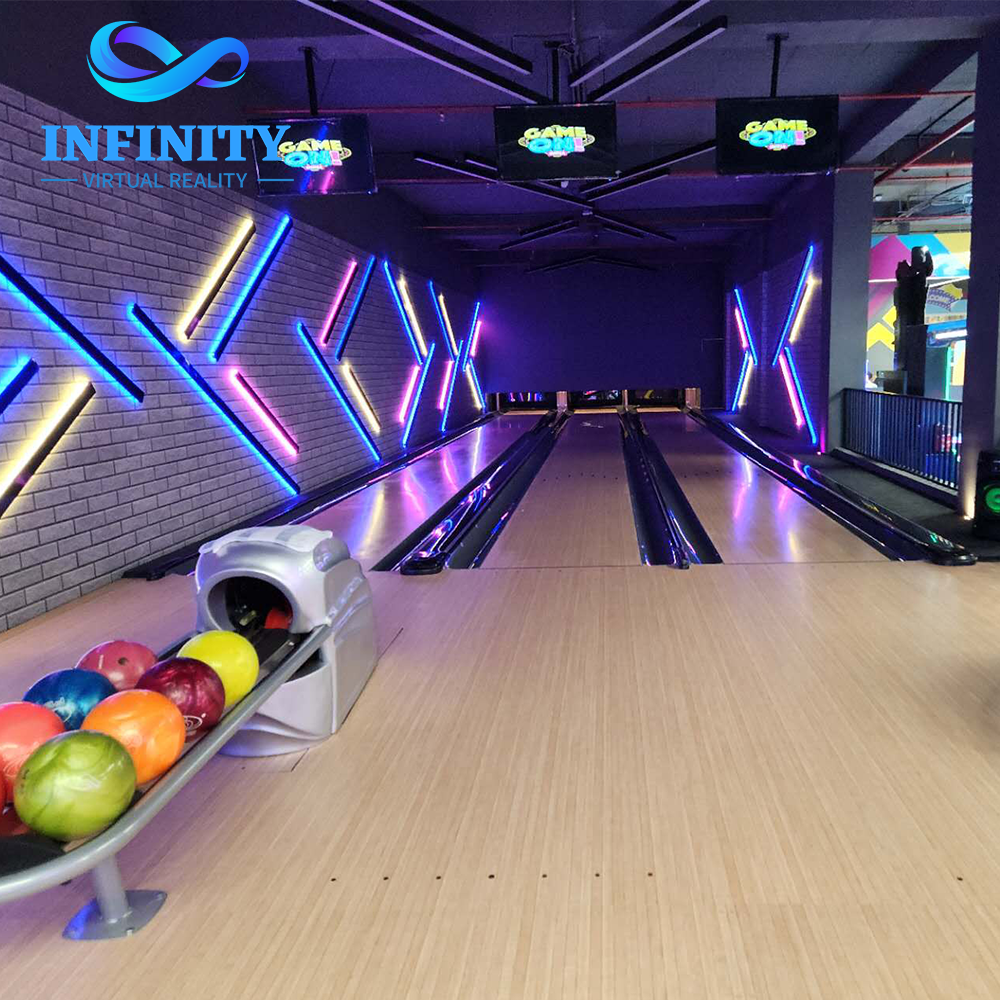
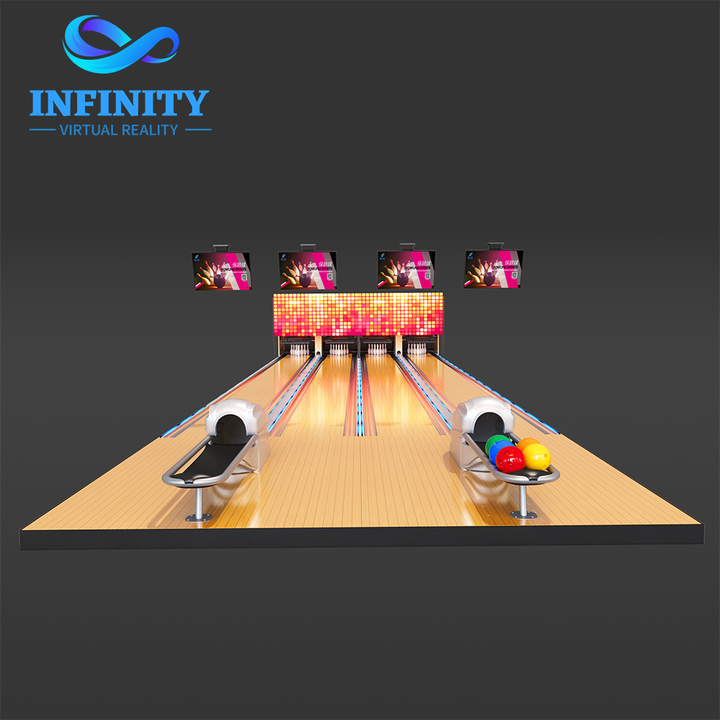
The honest answer to the cost question is that a bowling venue can open for $50,000 or for $1.5 million, and both budgets can be spent well or badly. The price of a bowling alley is set by three variables: the lane system chosen, the condition of the building shell, and the scope of the order. A two-lane string set with scoring, seating and installation sits at one end of the market, a four-lane ten-pin campus with full fit-out sits at the other, and every realistic project in between is a mix of the same three levers. This guide prices each system in 2026 terms, then builds three complete venue scenarios so an owner can compare against a real building.
The second reason prices vary is that most published quotes mix equipment with fit-out. The lane machines themselves are a narrow price band; the floor, power, lighting, shoe counter, seating and air handling around them can cost as much again. An owner comparing two suppliers must ask what the number covers: machines delivered, machines installed, or a venue ready to open. The breakdown below separates the equipment line from the fit-out line, because the equipment line is where systems compete on price and the fit-out line is where buildings differ.
The third variable is volume and timing. A single lane pair ships at list price; a four-lane order ships with quantity discounts, shared spares, and a single commissioning visit. Ordering before a container slot is booked can move the freight line by thousands, and bundling bowling with dart and shooting equipment in one order spreads the freight across more value. The ranges in this guide are 2026 benchmarks from NextPlay quotations, before regional freight and taxes, and each one is stated as equipment-only so the fit-out budget can be built on top.
The equipment line is the core of the project, and it is where the three systems separate. The table below gives the 2026 equipment ranges, including the machines, the automatic scoring, the ball returns, and installation and commissioning of the bowling hardware. What the ranges do not include is the building work around the lanes, which is covered in the next section.
| System | Package | 2026 Price Range | What It Includes |
|---|---|---|---|
| String Bowling | 2-lane set | $24,000 - $32,000 | Lanes, string pinsetters, scoring, seating, installation |
| Duckpin Bowling | Per lane | $6,500 - $8,000 | Lane, automatic pinsetter, scoring per pair, installation |
| 10-Pin Bowling | Per lane | $38,000 - $48,000 | Lane, pinsetter, foul-line, LED scoring, installation |
| Dart Machine X7 | Per unit | $6,500 - $9,000 | Machine, global play, automatic scoring, installation |
| Shooting Q4 | Per unit | $7,500 - $10,000 | Simulator, digital scoring, rewards screen, installation |
String bowling is the entry price because the pinsetter is simple and the lane ships as a complete room; the two-lane String Bowling set is the most common first installation in the market. Duckpin is the density play: the compact 12-meter lane of the Duckpin Bowling system costs roughly a sixth of a ten-pin lane, so a four-lane duckpin wing lands in the same budget as a single ten-pin lane pair. Ten-pin is the premium line, and the 10-Pin Bowling package price reflects the international lane geometry, the full-size pinsetter and the league-grade electronics that come with it.
Two price rules protect an owner in every negotiation. First, the scoring software and the booking platform are part of the equipment line in a NextPlay quotation, so there are no subscription surprises after opening. Second, the spare-parts kit and the first year of cloud diagnostics are itemized in the same document, so the true cost of ownership is visible before the order is signed.
The fit-out line is where most first-time budgets break, because the machines are only half of an openable venue. A converted retail unit needs its floor leveled to lane tolerance, a power supply sized for the pinsetters and scoring, air handling for the player zone, and the service areas that turn lanes into a business: the shoe counter, the seating, the lockers, the bar or redemption point and the toilet block. In 2026 pricing, a light conversion for a small venue runs $15,000 to $25,000, a medium fit-out for a mid-size venue runs $40,000 to $70,000, and a full build for a ten-pin campus runs from $120,000 upward depending on the shell.
The two largest fit-out items are the floor and the power. Bowling floors must sit level within a few millimeters across the full lane length, which often means a self-leveling screed over an existing slab, and the pinsetters and ball returns draw the 4.5 kW per lane pair quoted by the equipment specification. Ceiling height is the other hard constraint: ten-pin needs 4.5 to 6 meters of clear height, duckpin fits 3 meters, and string systems are built for ceilings from 3 meters as well. A building that already meets the ceiling and floor tests can save most of the conversion budget.
The third fit-out line is the player zone, and it deserves its own budget line because it pays for itself. Seating, the shoe counter, the waiting-area games and the food and drink rail decide how long a group stays and what it spends per head. A standard rule from NextPlay reference installations is to reserve 15% of the fit-out budget for the service and waiting zones, because that 15% typically carries 30% of the venue revenue.
The three scenarios below convert the equipment and fit-out ranges into complete opening budgets. Each scenario assumes a ready shell with the required ceiling height, and each one is a working configuration that NextPlay has installed in reference venues. The figures are equipment plus fit-out plus the first stock and marketing reserve, before rent and regional taxes.
| Scenario | Configuration | Equipment | Fit-Out | Opening Budget |
|---|---|---|---|---|
| Neighborhood entry | 2-lane string + shoe counter | $24,000 - $32,000 | $15,000 - $25,000 | $40,000 - $58,000 |
| Bar venue wing | 4-lane duckpin + bar rail | $26,000 - $32,000 | $40,000 - $55,000 | $70,000 - $90,000 |
| Sports center campus | 4-lane ten-pin + lounge | $152,000 - $192,000 | $120,000 - $180,000 | $280,000 - $380,000 |
The neighborhood entry scenario is the lowest-risk first step in the industry. For a budget of $40,000 to $58,000, an owner gets two operating lanes, the scoring and booking platform, and the shoe rental line, and can test the local bowling demand for a year before committing to a bigger capital number. The bar venue wing shows the density play: four duckpin lanes at roughly the price of a single ten-pin pair, fitted into a converted bar floor.
The sports center campus is the revenue anchor scenario. At $6.50 per game and 32 games per lane per day, the four-lane campus clears about $21,500 per month before shoes and leagues, which prices the equipment payback inside ten months at target utilization. The campus also anchors league nights and events, which the smaller scenarios cannot host. The right scenario is the one that matches the shell, the catchment and the operator''s risk appetite, not the largest number the lender will approve.
The cost question only matters against the revenue answer, and the cleanest comparison in the industry is revenue per square meter per month. A two-lane string room of about 180 square meters clears roughly $8,400 per month at $5.00 per game, which is about $47 per square meter per month. A four-lane duckpin wing of about 300 square meters clears about $9,000 per month at $4.50 per game, about $30 per square meter. A four-lane ten-pin campus of about 1,000 square meters clears about $21,500 per month, about $21.5 per square meter.
The ranking inverts the equipment ranking, which is exactly the point of the comparison. Ten-pin costs the most per lane and earns the most per lane, but its square meter return is the lowest of the three because the 26-meter geometry is land-hungry. String and duckpin earn less per lane yet far more per square meter, which is why the smallest floors in the market open with them. Every reference venue in NextPlay data stays above $20 per square meter per month regardless of system, which is the number a lender should be shown.
Payback follows the same logic. The equipment line of a string room pays back in 4.5 to 6 months at target utilization, the duckpin wing in 5 to 7 months, and the ten-pin campus in 8 to 10 months, before the fit-out line is added. Counting fit-out, the full project returns within 12 to 24 months across the three scenarios above, and the spread is explained less by the machines than by the shell quality and the operator''s pace of build-out.
A two-lane string venue opens from about $40,000 including equipment, fit-out and first stock; a four-lane duckpin wing in a converted bar runs $70,000 to $90,000, and a four-lane ten-pin campus runs $280,000 to $380,000.
String bowling is the lowest entry: a complete two-lane set with scoring and installation runs $24,000 to $32,000, and it fits ceilings from 3 meters and floors from about 180 square meters.
A ten-pin lane runs $38,000 to $48,000, a duckpin lane $6,500 to $8,000, and a string lane about $12,000 to $16,000 when bought as part of the two-lane set.
The fit-out line: floor leveling, power supply, ceiling works, shoe counter, seating and the waiting-zone games, which typically add 40% to 100% on top of the equipment price.
In a NextPlay quotation the scoring, booking, league and analytics platform is part of the equipment line, so there are no separate subscription surprises after opening.
Measure the shell against the system first, split equipment and fit-out quotes, confirm the power budget and the software scope, call two reference venues about service response, and agree a phased opening schedule.
The cost of a bowling alley in 2026 is a band, not a number: $40,000 opens a string room, $90,000 opens a duckpin wing, and $380,000 opens a ten-pin campus, and all three are viable businesses at the right location. The discipline is to price the venue in layers, with the equipment line, the fit-out line and the revenue model on separate pages of the same proposal.
The decision rule is simple. If the shell is small and the budget is tight, start with string or duckpin and prove the catchment. If the space and capital allow, build the ten-pin campus and let league and event revenue carry the fit-out. Whichever path fits, ask NextPlay for the equipment quotation, the fit-out checklist and the revenue model on the same sheet, so the lender sees the payback math behind the price.
Get the 2026 equipment quotation, fit-out checklist and revenue model from the NextPlay bowling engineering team.