The financing is part of the equipment decision because the machine that cannot be funded is the machine that never arrives, and the way it is funded decides the cash flow for years. The operator who compares the machine prices without comparing the financing compares only half the deal: the same arena costs different monthly lines under the cash, the lease and the loan, and the monthly line is the number that the venue's cash flow actually feels. The financing decision is a cash-flow decision first and an ownership decision second.
The financing also decides the pace of the floor: the venue that can only pay cash adds one machine at a time, the venue that uses the financing adds the full zone at once, and the full zone earns while the cash venue is still saving. The growth speed is a competitive weapon, and the weapon is loaded by the financing structure that the operator understands before the invoice arrives.
The financing rule: the equipment deal has two prices, the sticker price and the monthly line, and the operator who compares the monthly line across the financing options picks the structure that the cash flow can carry. The financing is the difference between the floor that grows on the plan and the floor that waits for the savings.
The cash purchase is the simplest structure and the one that the small venue defaults to, and its case runs on the ownership and the absence of the interest. The cash buyer owns the machine from the first day, the machine's revenue covers its own cost after the payback period and the venue carries no monthly payment to service. The cash case is the cheapest total cost, because the cash price is the price and the interest is zero, and the owner who can pay cash pays the lowest number on the invoice.
The cash case also carries the risk: the capital that buys the arena is the capital that cannot fix the roof, stock the bar or cover the slow month, and the venue that empties the cash reserve for the equipment runs on the thin cushion. The cash buyer also waits: the savings for the second machine take the months that the financed competitor uses to earn from the first one, and the waiting is the hidden cost of the cash case.
The cash rule: the cash purchase wins on the total cost and loses on the pace and the reserve, and the operator who pays cash buys the machine only when the reserve stays healthy. The cash case is the right answer for the established venue with the cushion, and the wrong answer for the growing venue that needs the floor now.
The lease case trades the ownership for the low monthly line, and the trade is the engine of the growing floor. The lease runs the fixed monthly payment over the 12 to 36 month term, the payment covers the use of the machine, and the operator books the payment as the operating expense that the machine's own revenue covers. The lease keeps the capital in the venue: the operator opens the arena, the dart row and the new VR zone without the large upfront, and the cash stays for the inventory, the staff and the marketing.
The lease also carries the upgrade path: the term ends with the option to buy, return or upgrade, and the operator who leases the format can rotate the fleet at the end of the term instead of selling the used machine. The lease is the structure for the formats that change fast, because the venue is not stuck with the machine that the market moved past.
The lease rule: the lease wins on the cash flow and the flexibility and costs more over the term, and the operator who leases matches the monthly line to the machine's monthly revenue. The lease is the right answer for the growing venue and the format that upgrades, and the operator who runs the lease math knows the exact revenue the machine must earn to carry its own payment.
The loan case sits between the cash and the lease: the operator pays the down payment, borrows the balance and owns the machine from the start, and the loan runs the monthly payment until the balance is paid. The loan builds the equity that the lease does not, because the machine that is owned after the term is the asset that keeps its resale value, and the owner who loans the purchase builds the fleet that the venue owns outright.
The loan also carries the ownership responsibilities: the maintenance, the repair and the disposal are the owner's, and the operator who loans the equipment carries the same ownership load as the cash buyer with the payment on top. The loan math runs on the down payment, the interest rate and the term, and the operator who compares the loan to the lease compares the equity and the flexibility against the monthly difference.
The loan rule: the loan wins on the ownership and the equity and carries the payment and the ownership load, and the operator who loans the equipment buys the asset that the venue will own. The loan is the right answer for the stable venue that wants the fleet without the upfront and without the lease premium, and the operator who runs the loan math knows the equity that the monthly payments build.
The three-year comparison is the honest way to price the structures, because the financing costs compound over the term. The cash purchase pays the full price up front and carries zero interest, so the three-year total is the sticker price plus the maintenance that the owner carries. The loan pays the down payment, the principal and the interest over the term, so the three-year total is the sticker price plus the interest, with the machine owned at the end.
The lease pays the monthly line for the full term with no ownership, so the three-year total is the sum of the payments, which runs above the purchase price, with the option to buy, return or upgrade at the end. The comparison lands on the numbers: the cash is the cheapest total with the highest upfront, the loan is the middle total with the ownership and the lease is the highest total with the lowest upfront and the flexibility.
The comparison rule: the three-year total, the upfront and the ownership are the three columns of the financing table, and the operator who fills the table for the actual machines, the arena, the chairs and the dart row, picks the structure that the cash flow and the growth plan support. The table is the document that the owner and the bank both understand, and the understood table is the one that gets the funding approved.
The deposit and the down payment are the first gate of the financing, and the math decides how fast the floor can move. The lease often runs the first and the last month as the deposit, a manageable number that the venue covers without the large reserve, and the low deposit is the reason the lease opens the floor the fastest. The loan runs the down payment at the typical 20 to 30 percent of the price, a larger gate that the venue must save or fund, and the down payment is the reason the loan takes longer to open the floor.
The down payment also shapes the monthly line: the larger the down payment, the smaller the loan balance and the lower the monthly payment, and the operator who can stretch the down payment cuts the monthly line that the cash flow carries. The deposit and the down payment compare against the reserve: the lease preserves the reserve with the small deposit, and the loan consumes the reserve with the large down payment, and the comparison is the cash-flow decision that the operator makes before the term.
The gate rule: the lease opens with the small deposit, the loan opens with the large down payment, and the operator who matches the gate to the reserve keeps the venue liquid while the floor grows. The gate math is the first page of the financing worksheet, because the operator who cannot pass the gate cannot reach the term.
The financing matches the format lifecycle, because the machine's earning life should outlast the payment term. The arena and the VR formats run the 5 to 7 year commercial life with the headset and the software upgrades along the way, and the long-lived format suits the loan or the longer lease that builds the ownership. The motion chairs run a similar band, and the seated formats with the lighter wear fit the same longer structures.
The cabinet and the dart formats run a longer physical life with the part replacements, and the longer-lived machines suit the ownership structures that build the equity. The formats that change fast, the VR content and the hardware generations, suit the shorter lease with the upgrade path, because the venue that leases the fast-changing format avoids the machine that the market passes. The lifecycle match keeps the payment term inside the earning life, and the match is the difference between the machine that pays for itself and the machine that is still being paid after it is obsolete.
The match rule: the long-lived formats take the ownership structures and the fast-changing formats take the flexible lease, and the operator who matches the financing to the lifecycle never carries a payment on a dead format. The lifecycle table is the second page of the financing worksheet, and the worksheet is the plan that the growing floor follows.
The financing checklist takes the growing floor from the machine list to the funded zone, and the checklist runs in the order that protects the operator. The first item is the revenue projection: the machine's expected earnings per week, because the projection is the proof that the payment is covered, and the proof is what the lender and the operator both need. The second item is the structure comparison: the three-year table for the cash, the loan and the lease against the actual machine list, and the table is the decision document.
The third item is the term match: the payment term inside the format's earning life, the 24 to 36 month lease for the upgrading formats and the longer loan for the stable machines. The fourth item is the gate check: the deposit or the down payment against the reserve, with the liquidity rule that the reserve stays healthy through the slow month. The fifth item is the exit review: the buy, return or upgrade option at the term, the resale value of the owned machines and the penalty terms, because the exit is the part of the contract that the operator signs without reading and regrets the most.
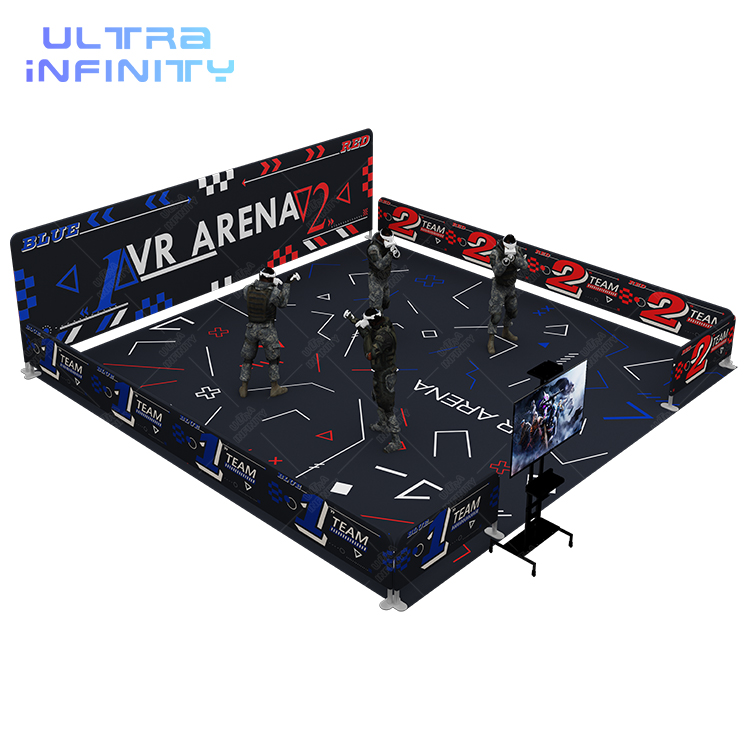
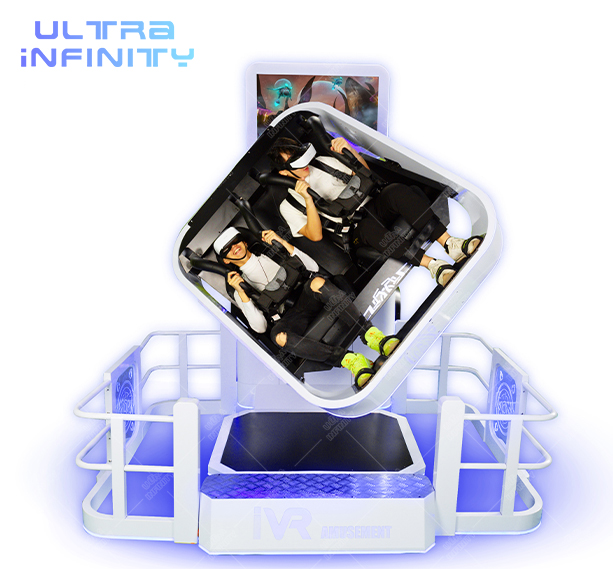
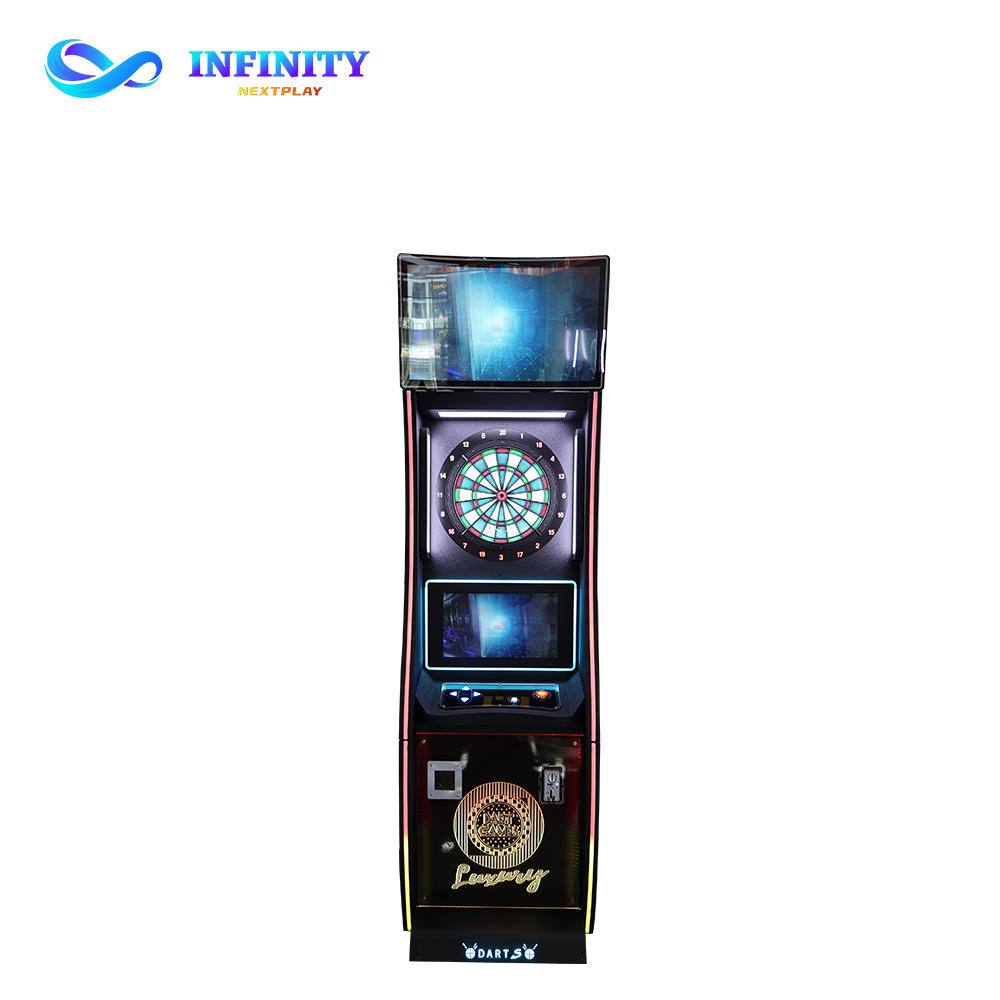
The checklist rule: the revenue projection, the structure comparison, the term match, the gate check and the exit review are the five items, and the operator who runs the five before the signature funds the floor on the plan. The growing floor, with the free-roaming VR arena as the flagship lease, the rotating VR chair under the loan and the dart machine row as the cash purchase, is financed by the structure that each format earns.
The decision runs on the cash flow, the ownership and the format lifecycle: the lease opens the floor with the low monthly line and the upgrade path, the loan builds the ownership with the down payment, and the cash is the cheapest total with the highest upfront. The three-year comparison picks the structure.
The 12 to 36 month term with the fixed monthly payment, the first and the last month as the deposit and the buy, return or upgrade option at the end. The lease is the structure for the growing floor and the fast-changing formats.
The typical 20 to 30 percent of the price, with the loan balance and the interest paid over the term. The larger down payment cuts the monthly line, and the operator matches the down payment to the reserve that stays healthy through the slow month.
Run the revenue projection: the machine's expected earnings per week against the monthly payment. The arena that earns more than its lease line covers itself, and the projection is the proof that the lender and the operator both need before the signature.
The operator chooses the buy, the return or the upgrade. The buy keeps the machine at the residual price, the return ends the relationship and the upgrade rotates to the newer format, which suits the fast-changing VR hardware.
Lease the high-capex and fast-changing formats, the arena and the VR hardware, for the upgrade path, and buy the long-lived formats, the dart and the cabinet machines, for the equity. The payment term stays inside the format's earning life.
Get the financing comparison worksheet, the three-year lease versus buy table and the revenue projection template for your machine list. Send your equipment wishlist and your weekly revenue estimates, and our team will return the financing plan that matches each format to its structure.