The atmosphere is the retention lever of the arcade because the visitor decides in the first ten seconds whether the zone is alive, and the decision is made by the senses before the brain: the sound that carries from the walkway, the light that makes the floor glow and the motion that shows the play. The dead zone reads as empty even when the machines work, and the alive zone reads as busy even when the floor is half full. The operator who designs the atmosphere controls the perception, and the perception is the first filter of the retention.
The atmosphere also carries the revenue: the visitor who stays the extra hour spends the extra round, the group that lingers orders the second drink and the family that feels the energy returns the next weekend. The dwell time is the direct product of the atmosphere, and the dwell time is the difference between the venue that sells the single session and the venue that sells the evening.
The atmosphere rule: the sound, the light and the motion are the three inputs of the perception, and the operator who specs the three the way the machines are speced builds the zone that holds the crowd. The atmosphere is not decoration; it is the retention infrastructure, and the infrastructure is the cheapest upgrade the floor can make.
The sound spec runs on the three dials: the volume, the zones and the music. The volume dial sets the baseline at the 65 to 80 decibel range, loud enough to feel alive and quiet enough to hold the conversation and the game sound, and the baseline is the difference between the zone that buzzes and the zone that screams. The operator who measures the decibels at the walkway and the machine sets the volume against the hearing comfort of the parents who hold the wallet.
The zones dial splits the floor into the sound zones: the active zone runs the higher volume with the game effects, the social zone runs the music at the conversation level and the family zone runs the softer volume that the parents accept, and the zone map keeps each part of the floor on its own level. The music dial runs the rotation: the upbeat rotation through the peak hours, the calmer rotation in the late evening and the tempo that matches the footfall, and the rotation is the sound layer that the operator controls without touching the machines.
The sound rule: the 65-80 decibel baseline, the three sound zones and the tempo rotation are the three dials, and the operator who runs the three keeps the floor alive without the noise complaint. The sound is the first thing the walk-by visitor feels, and the first feeling is the first retention decision.
The lighting spec runs on the same three-part logic: the levels, the color and the movement. The level dial sets the base brightness by zone: the machine areas at the level that reads the screens, the walkways at the level that guides the flow and the accent areas at the lower level that makes the machines glow, and the level map keeps the floor legible without the flat wash. The operator who lights the machines as the displays they are turns the hardware into the attraction.
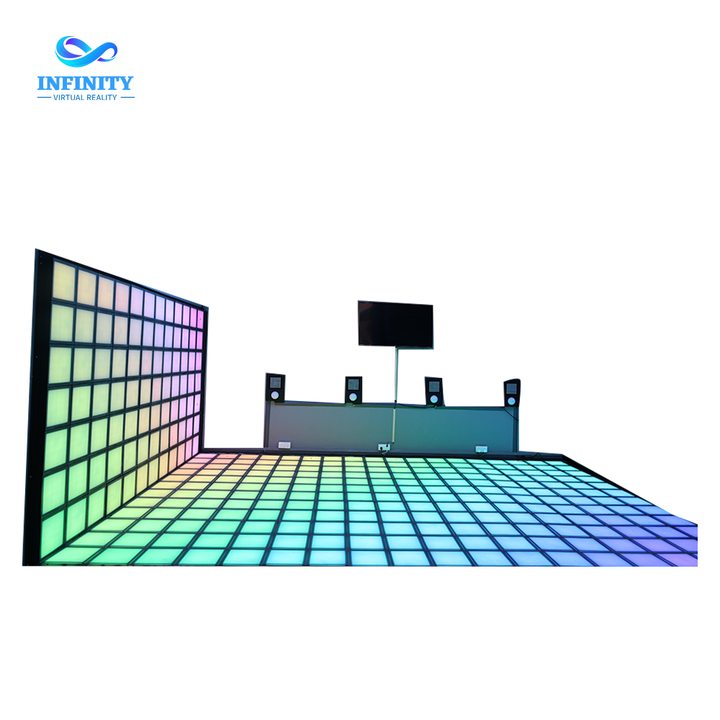
The color dial runs the identity: the cool tones over the VR and the tech zones, the warm tones over the social and the food edge and the brand color as the accent, and the color map ties the floor to the identity that the customer remembers. The movement dial adds the life: the LED floor tiles flashing under the players, the accent strips pulsing with the music and the screen walls broadcasting the play, and the movement is the layer that makes the zone feel alive rather than lit.
The lighting rule: the zone levels, the color identity and the movement layer are the three dials, and the operator who runs the three builds the floor that photographs and films well, because the shareable image is the marketing that the venue does not pay for. The lighting is the visual half of the atmosphere, and the visual half is what the walk-by crowd sees first.
The atmosphere map assigns the sound and the light to each zone of the floor, and the map is drawn before the levers are turned. The entry zone runs the invitation: the brighter light, the brand color and the sound of the active floor leaking to the walkway, and the entry zone is the first atmosphere statement that the arriving visitor reads. The VR and the tech zone runs the drama: the cooler color, the lower ambient light that makes the screens and the projections glow and the sound of the sessions, and the drama zone sells the premium ticket.
The social and the game zone runs the energy: the moderate light at the machine level, the warm accent over the seating and the game and the music at the conversation level, and the energy zone holds the groups for the second hour. The family and the walk-by zone runs the soft: the even light that the parents accept, the LED floor movement that the children follow and the sound at the level that does not overwhelm, and the soft zone converts the stroller traffic that the drama zone cannot.
The map rule: the entry invitation, the VR drama, the social energy and the family soft are the four zones of the floor, and the operator who draws the map before the install places the sound and the light where the retention happens. The map is the design document of the atmosphere, and the document is what makes the levers coherent instead of scattered.
The social proof loop is the mechanism that turns the atmosphere into the crowd, because the visible fun is the strongest advertising in the venue. The loop starts with the sound: the active zone's game effects and the crowd reactions carry to the walkway, the carried sound makes the passing visitor look, and the looking visitor sees the players and the screens and the LED floor in motion. The visible play is the proof that the venue is alive, and the proof converts the walk-by into the queue.
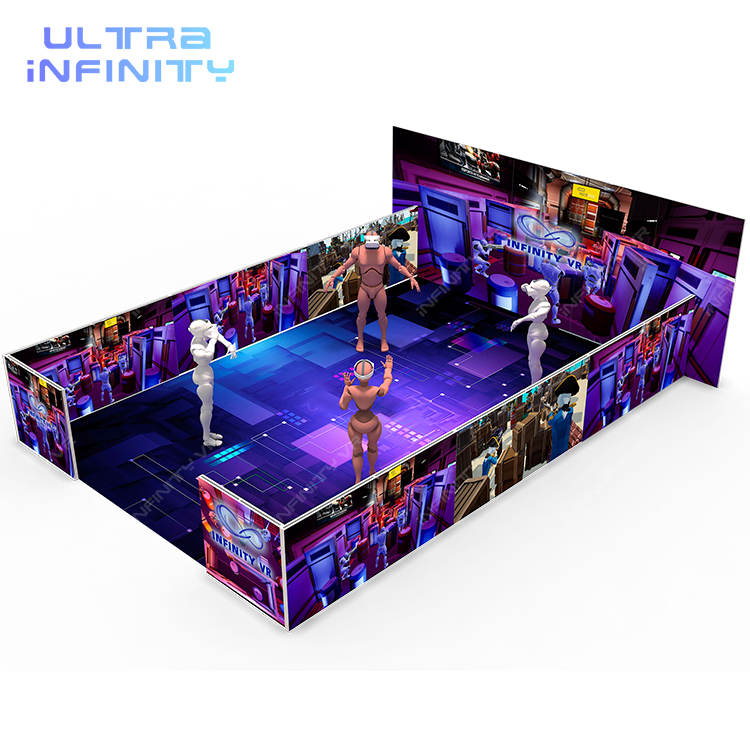
The loop continues through the layout: the screen wall that broadcasts the arena session, the LED floor that flashes at the walkway edge and the glass or the open edge that shows the VR players moving, and each visible element pulls the crowd deeper into the floor. The operator who positions the visible play at the walkway line turns the whole floor into the show window, and the show window is the social proof that no sign can replace.
The loop rule: the carried sound, the visible play and the open layout are the three elements of the social proof engine, and the operator who builds the three turns the crowd into the marketing. The atmosphere that draws the walk-by feeds the queue, and the queue is the perception that the venue is the place to be, which is the perception that holds the crowd.
The atmosphere budget starts with the cheap levers and spends toward the expensive ones, because the biggest atmosphere gains cost the least. The first lever is the order of operations: the music playlist, the volume settings and the light timing are configured before any hardware is bought, and the configured settings lift the atmosphere at zero cost. The second lever is the maintenance pass: the lamps that are burned out, the LED tiles that are dark and the speakers that are weak are repaired and replaced, and the repair of the dead elements lifts the atmosphere more than the new purchase.
The third lever is the repositioning: the LED floor moved to the walkway edge, the screen turned to face the corridor and the seating moved to the sound edge, and the repositioning changes the perception without the new equipment. The fourth lever is the incremental hardware: the accent strips, the music sync module and the extra LED panels are the purchases that build on the free levers, and the incremental layer is where the budget lands after the settings, the repairs and the moves are done.
The budget rule: the settings, the repairs and the moves come first and cost little, and the hardware comes last and spends on the foundation. The operator who runs the cheap levers first gets the atmosphere lift at the fraction of the budget, and the lift is the difference between the zone that feels alive and the zone that waits for the renovation.
The atmosphere runs on the daily routine, because the levers that are not operated are the levers that drift. The opening pass sets the scene: the music starts on the rotation, the lighting levels are confirmed per zone and the visible elements, the screen wall and the LED floor, are checked for the dark spots. The peak pass manages the sound: the volume is nudged with the crowd, the busy zone carries the energy and the family zone stays at the accepted level, and the peak pass keeps the floor alive without the complaint.
The rotation pass runs the music and the light changes through the evening: the upbeat rotation through the dinner hours, the calmer rotation at the late close and the lighting that follows the tempo, and the rotation keeps the atmosphere from going flat at the hour when the crowd thins. The close pass sets up the next day: the music stops on the schedule, the lighting drops to the night mode and the maintenance notes flag the burned lamp or the dark tile for the morning pass.
The routine rule: the opening set, the peak management, the evening rotation and the close pass are the four beats of the atmosphere day, and the operator who runs the four keeps the perception alive from the first walk-by to the last group. The atmosphere routine is the cheapest staff habit in the venue, and the habit is what the customer feels as the energy.
The atmosphere is measured in the behavior, not in the feeling, and the two numbers that matter are the dwell and the repeat. The dwell is the first measure: the time the visitor spends in the zone, measured against the zone that was quieter, and the atmosphere lift shows as the extra minutes that become the extra spend. The operator who measures the dwell before and after the atmosphere work prices the upgrade in the retention it adds.
The repeat is the second measure: the return visit rate of the visitors who came during the alive periods versus the flat periods, and the repeat lift is the compounding revenue that the atmosphere builds. The social proof is the third measure: the phones out, the photos taken and the shareable moments, counted at the sample hours, and the visible fun is the marketing that the venue does not pay for. The three measures together turn the atmosphere from the vague quality into the managed asset.
The measure rule: the dwell, the repeat and the social proof are the three numbers of the atmosphere report, and the operator who tracks the three against the zone map tunes the levers with the data instead of the taste. The atmosphere is the retention lever that the operator can spec, budget, run and measure, and the operator who runs the full cycle, with the LED dance floor flashing at the walkway, the free-roaming arena broadcasting the sessions and the gun platform sounding the action, builds the zone that holds the crowd.
The 65-80 decibel baseline: loud enough to feel alive and quiet enough to hold the conversation and the game sound. The active zone runs the higher end, the social zone the conversation level and the family zone the softer level.
The lighting spec runs the zone levels, the color identity and the movement layer: the machines are lit as the displays they are, the cool tones mark the tech zones and the LED movement adds the life that makes the zone photograph and film well.
The cheap levers come first: the music rotation and the volume settings configured, the burned lamps and the dark LED tiles repaired and the visible elements repositioned to the walkway. The settings, the repairs and the moves lift the atmosphere at the fraction of the hardware budget.
The sound carries the game effects and the crowd reactions to the walkway, the carried sound makes the passing visitor look, and the visible play, the screens and the LED floor, converts the look into the queue. The social proof loop is the venue's strongest free advertising.
Measure the behavior: the dwell time before and after the atmosphere work, the repeat visit rate and the social proof, the phones out and the photos taken. The three numbers turn the atmosphere from the vague quality into the managed asset.
The entry invitation, the VR and tech drama, the social and game energy and the family soft. Each zone runs its own sound and light spec, and the zone map is drawn before the levers are turned so the floor stays coherent.
Get the atmosphere spec worksheet, the zone sound and light map and the cheap-levers checklist for your floor. Send your floor plan and your current setup, and our team will return the atmosphere plan that lifts the dwell without the renovation.