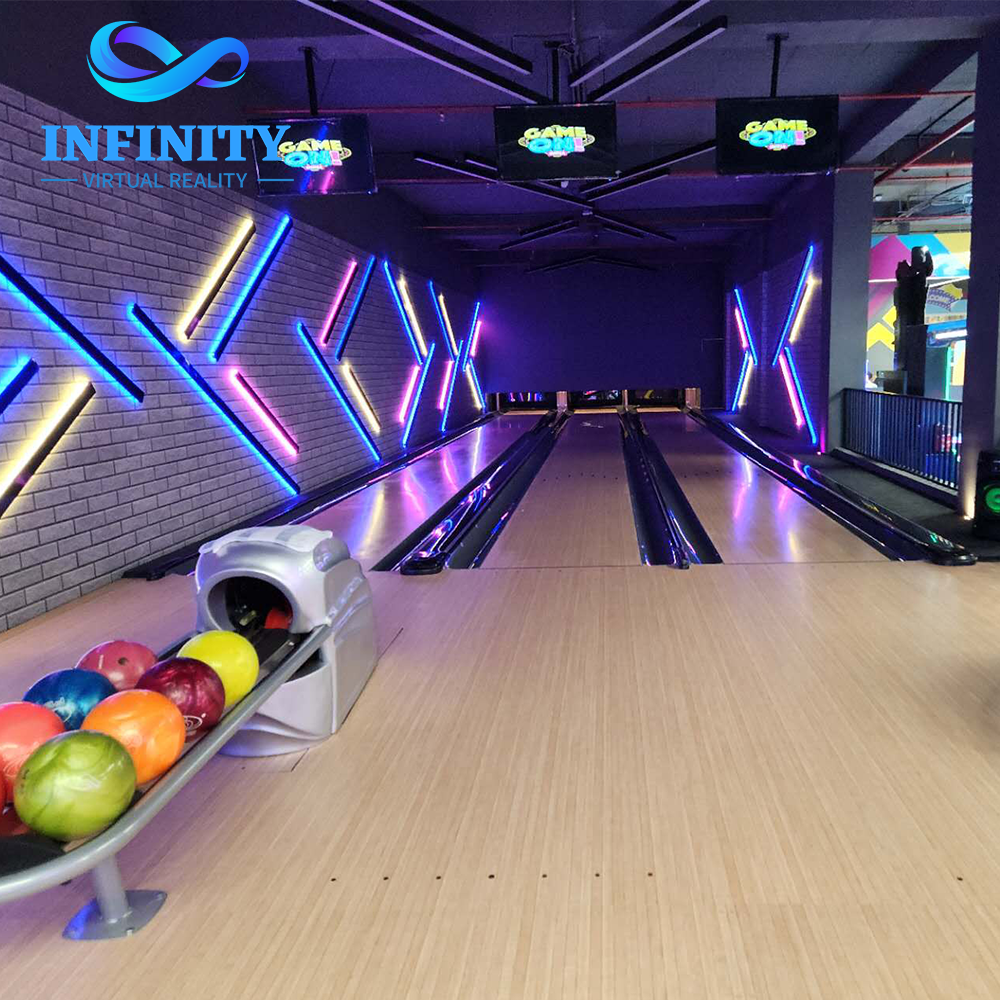
A jammed bowling lane does not cost the price of the repair; it costs the price of the hour. When a pinsetter jams on league night, the lane is dead for the repair time plus the waiting time, the league schedule slides, and the center pays the mechanic, the idle staff and the disappointed bowlers at the same moment. A center that counts only the parts invoice is undercounting every failure by a wide margin.
The real cost of downtime multiplies because leagues are booked in blocks. One jammed lane during a ten-lane league night forces either a lane rotation that slows every team or a shortened session that angers regulars, and the angry regular is the most expensive loss in the building. The maintenance question is therefore not how cheap the fix is; it is how often the lane stops, because every stop taxes the schedule, the staff and the relationship at once.
| Stop Event | Parts Cost | True Cost With Schedule |
|---|---|---|
| Minor jam | $40 part | $120 with staff time |
| Pinsetter rebuild | $900 | $1,900 with lost lane-hours |
| League-night failure | $300 | $2,500 with loss of regulars |
The same event is three different costs depending on when it happens. The morning jam is a parts problem; the league-night jam is a revenue problem wearing a parts invoice. Centers that log failures by time of day see the pattern instantly: the expensive failures are the predictable ones, and both are cut by the same mechanical change.
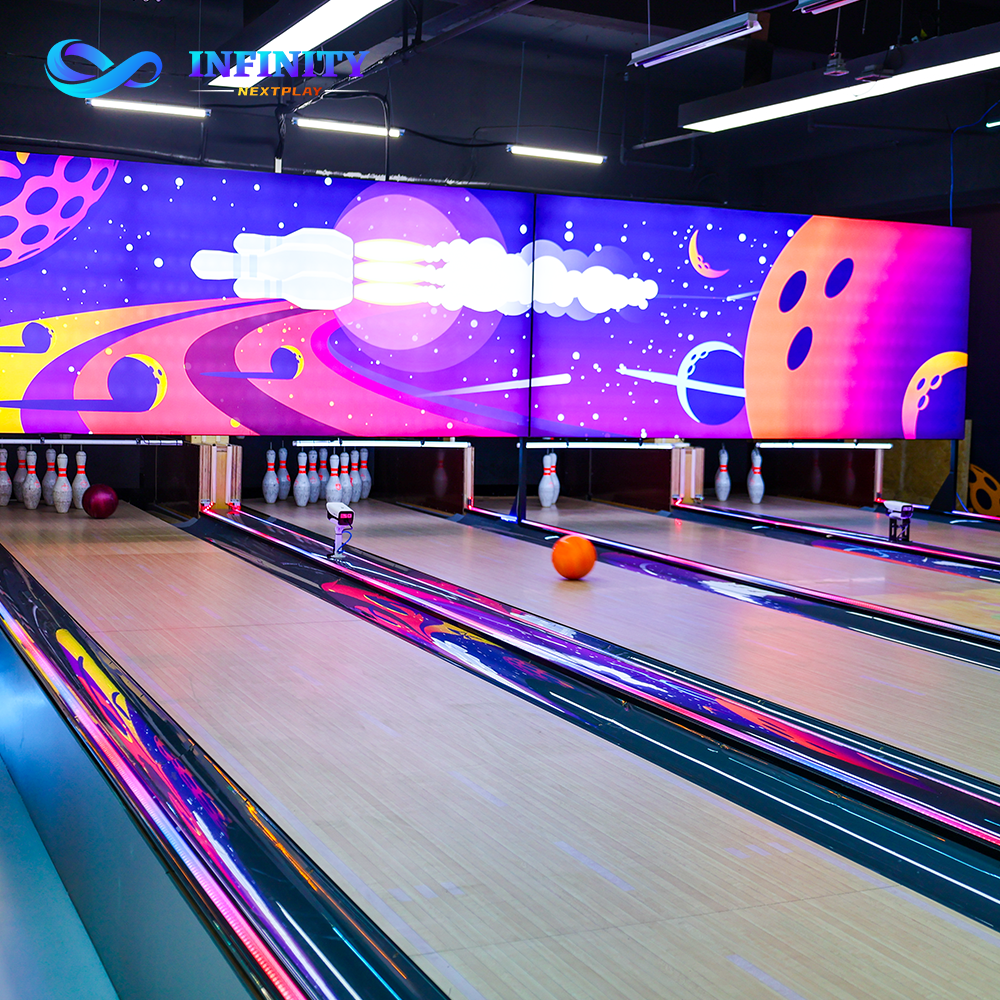
The string pinsetter replaces the mechanical sweep arm, the pin elevator, the moving deck and the spotting fingers of a free-fall machine with a simple nylon string attached to the top of every pin. The string lifts the pin, lowers it and resets it, and the machine has a fraction of the moving parts that conventional pinsetters carry. Fewer parts is not a marketing phrase; it is the entire maintenance thesis.
Every moving part on a pinsetter is a scheduled failure: the free-fall machine clears pins mechanically, resets them mechanically and recirculates them mechanically, and each subsystem has its own wear parts, its own adjustment and its own weekday repair call. The string machine compresses all of that into one motion, so the parts list shrinks, the adjustments shrink and the mechanic visits shrink with them.
The trade that matters is simplicity for adjustability: a free-fall machine can be tuned for the most authentic pin action, while the string machine trades that nuance for reliability. For a commercial center the arithmetic usually favors the machine that almost never stops, because an authentic pin action on a dead lane sells nothing.
The 75% figure is a line-item claim, not a slogan: centers that switch report the largest cuts in pinsetter labor and parts, the two most volatile lines in a bowling maintenance budget. The labor line drops because the string machine needs scheduled checks instead of weekly emergency calls, and the parts line drops because the string and the lift bracket are nearly the entire consumable list.
The line-by-line comparison that operators actually track runs across four lines: pinsetter parts, pinsetter labor, pin inventory and the electrical cost. Free-fall machines wear pins fast, lose pins to broken necks and spotter damage, and recirculate them through a dozen failure points; string machines kill the pin-replacement line almost entirely, because the pin never leaves its string.
| Maintenance Line | Free-Fall Machine | String Machine |
|---|---|---|
| Pinsetter parts / year | $2,800 | $700 |
| Pinsetter labor / year | $4,200 | $1,100 |
| Pin replacements / year | $1,500 | $300 |
| Electrical / year | $900 | $600 |
The four lines total about nine thousand four hundred dollars for a typical free-fall lane group versus about two thousand seven hundred for the string equivalent, which is the origin of the widely quoted seventy-five percent cut. The percentages vary by center and by labor market, but the direction is consistent because the string machine simply has less machinery to fail.
Hardly any center converts its whole house at once, and the smart conversion does not try. The reality of a mixed fleet is that the highest-rotation lanes, the league lanes and the weekend lanes, convert first, because their downtime cost is the highest; the corner lanes and the low-traffic lanes stay on free-fall until the payback numbers justify the next phase.
Ten lanes, four league nights a week, pinsetter jams twice a week at peak: the center that sees the downtime bill in the league schedule and converts the lanes in the rotation first, then the overflow lanes in phase two.
Four lanes, birthday traffic and casual bowlers, low rotation and low stress on the machines: the center that can wait, because its free-fall machines still run a full weekend without a stop.
The mixed-fleet rule is simple: convert where the failure frequency is highest, because the savings follow the failures. A center that converts its busiest six lanes and keeps its quietest four on free-fall captures most of the maintenance saving at a third of the conversion capital, which is why most operators describe the switch as a phased project rather than a single purchase.
Converting to string pinsetters does not mean buying new lanes. The string system fits the existing lane bed, the existing ball return and the existing approach, because the conversion is a pinsetter replacement, and the center reuses the lane structure it already owns. The capital number is therefore the machine cost, not the construction cost, which changes the payback math completely.
The scheduling advantage is that a lanes-conversion does not close the house: converting four lanes on a Monday stretches across a quiet window, and the remaining lanes cover the session. The center that sequences the work this way converts without a single closed weekend, which is why the total conversion cost is so often paid out of operating savings rather than a capital loan.
The payback model puts the argument on one page: two centers with identical revenue, identical hours and identical league schedules, running for five years on different pinsetter strategies. Center A keeps its free-fall machines and absorbs the repair, labor and pin lines every year; Center B converts with a phased string program using its traded-in machines as part of the capital.
| Five-Year Comparison | Center A (Free-Fall) | Center B (String) |
|---|---|---|
| Pinsetter maintenance total | $47,000 | $13,500 |
| League-night lane losses | 8 | 1 |
| Conversion capital | $0 | $36,000 |
| Net five-year position | -$47,000 | -$49,500 |
The five-year columns land close because the conversion capital offsets the maintenance saving in the first cycle, which is the honest version of the sales story: the string switch pays for itself inside five years and then runs ahead of the free-fall machine from year six on. The operator who plans the switch as a five-year statement gets the maintenance cut at approximately zero net cost and a younger fleet at the end.
The model is the decision tool every league-house owner needs, because it separates the marketing number from the operating number. The seventy-five percent line is a maintenance saving; the conversion is a capital decision; and the owner who runs the model knows both numbers before signing, which is the difference between a fleet upgrade and a hopeful purchase.
The line-item comparison supports it: the parts, labor and pin-replacement lines drop by roughly seventy percent on reported conversions. The exact number depends on labor market and rotation, but the direction is consistent because string machines have far fewer parts to fail.
The nylon string replacement and the lift bracket check dominate the list, followed by periodic tension verification. There is no spot-table timing and no recirculation system, which removes the two most common free-fall repairs.
Yes, the conversion replaces the pinsetter on the existing lane structure. The lane bed, ball return and approach stay in place, so the capital number is the machine cost instead of a construction project.
Operators report two to three times the run life between major rebuilds, because the string motion wears a fraction of the parts. Minor consumables still cycle, but the rebuild interval is much longer.
Slightly slower pin action and visible strings are the differences that bowlers notice, none of which affect scoring. League bowlers adapt in one session, while the center gains faster games and fewer interruptions.
The highest-rotation lanes, league lanes and weekend lanes, because their downtime cost is the highest. Converting the busiest six of ten lanes captures most of the saving at a third of the full conversion capital.
A jammed lane does not cost the parts invoice; it costs the hour, the league and the regular. The string pinsetter cuts the maintenance line by roughly seventy-five percent by removing the machinery that fails, and the payback model shows the switch funding itself inside five years when it is planned as a phased conversion.
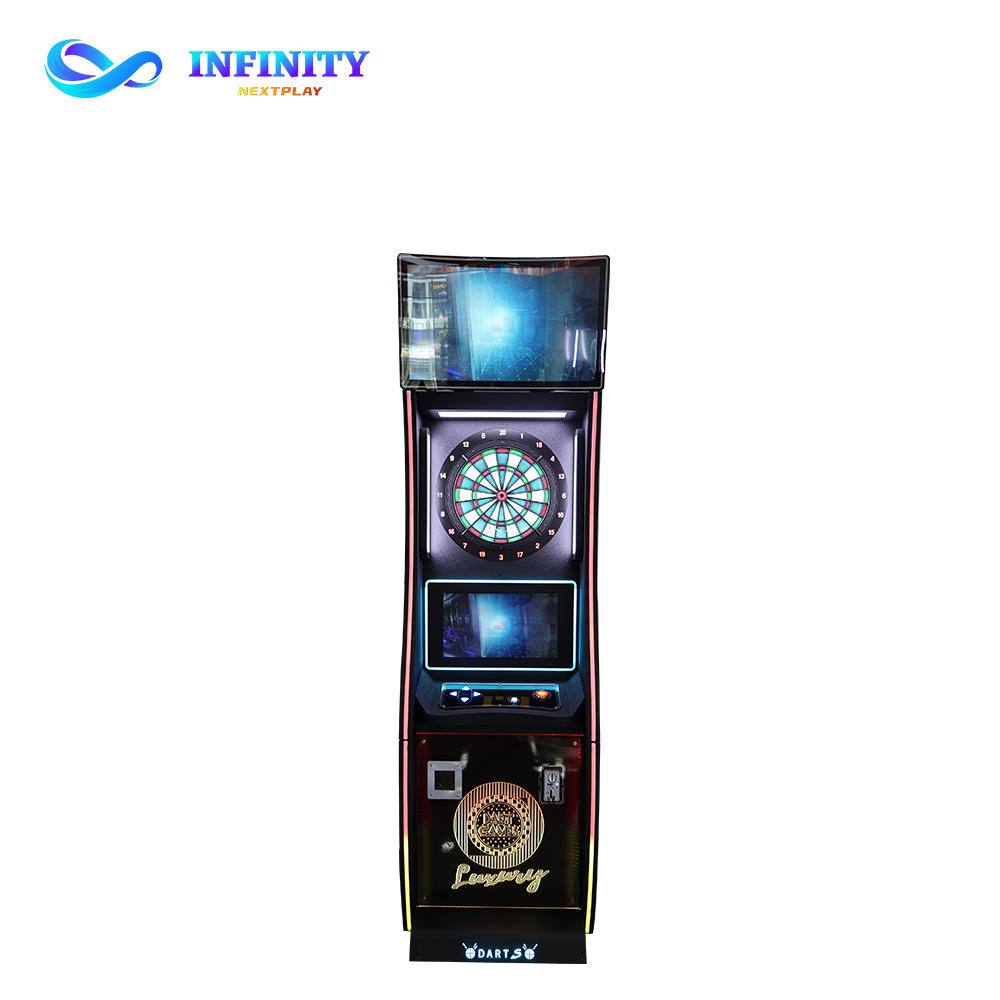
The formats fit the plan: the Duckpin Bowling system converts boutique spaces cheaply, the 10-Pin Bowling alley stays on the rotation that justifies its traffic, and the Online Electronic Dart Machine X7 keeps the floor sold on service windows. Contact NextPlay for the pinsetter comparison sheet and cut the line that eats league margins.
Ask NextPlay for the pinsetter comparison sheet: the downtime math, the maintenance calendar and the lane format that keeps your center open every league night.