The consumer walks in, buys a card and plays until the balance runs out. The corporate buyer walks in with a budget number, a date window, a headcount and a decision process managed by someone who is not paying from their own pocket. Every part of the sale changes: the buyer compares against off-site meetings, not against other arcade visits, and the decision is approved, not impulsive.
The biggest mistake venues make is selling the arcade card to an HR manager. The HR buyer is not buying games; they are buying a solved problem, a two-hour afternoon where the team does something together, feels valued and gets back to work without logistics. The package that sells is the one that removes every decision from the buyer: fixed price per person, fixed time block, food included and zero setup on their side.
| Buyer Type | Decision Basis | What Closes It |
|---|---|---|
| Consumer | Fun, card value, walk-in | Pay-as-you-play price |
| Party parent | Essentials included | Clear kids package |
| HR manager | Budget, logistics, ROI | Per-person all-in price |
The rows explain why the same floor sells three different ways: the product is identical, but the package is built around the decision the buyer has to make. The HR row is the one most arcades never write, which is why the same venue that sells out birthday weekends gets a four-word answer to every corporate inquiry: we do not do groups.
A credit card is a boundary the HR buyer must cross; a per-person price is a box they check. When the venue quotes cards, the buyer multiplies, divides, subtracts food and still cannot present a clean number to their manager. When the venue quotes forty dollars per person all-in, the buyer copies the number into an email and the negotiation starts from a finished price.
The per-person model also protects the venue from the worst corporate outcome, the group that buys light cards, hovers in the social zone and leaves a floor full of unsold play. A per-person package delivers the revenue per head before the group arrives, and the included play time is capped, so the venue keeps the floor economics instead of watching a crowd occupy the space for free.
The model has one rule that keeps it profitable: the per-person price must be built from the floor cost of the block, the staffing of the session and the food margin, then marked up for the day of week. Venues that price corporates the same as walk-ins are giving the biggest buyers the smallest price, which is the exact reverse of the margin arithmetic.
A single package forces the buyer to fit the venue into a budget that never matches; three tiers let the buyer sort their own budget into a tier, which is the fastest close in group sales. The ladder is priced so the middle tier is the default and the top tier exists to be compared against, not to be bought by everyone.
| Tier | Per Person | What It Includes |
|---|---|---|
| Silver | $15-18 | Two-hour block, play credit, soft drinks |
| Gold | $20-25 | Block plus food platters, host, team scoreboard |
| Platinum | $28-35 | All-inclusive, private zone, tournament format, gift cards |
The Gold tier is where the margin lives: the food markup, the host labor and the scoreboard are worth more than their cost, and the buyer perceives the difference as a complete event rather than an upsell. The Platinum tier converts the Gold decision by comparison, because every buyer who sees Platinum and Gold together walks out on Gold with the feeling of having bargained well.
The ladder text matters as much as the prices: the tier names, Silver, Gold, Platinum, let the buyer repeat the choice to their manager in one word. A package the buyer can name is a package the buyer can approve, which is why the tiers are never numbered and always named.
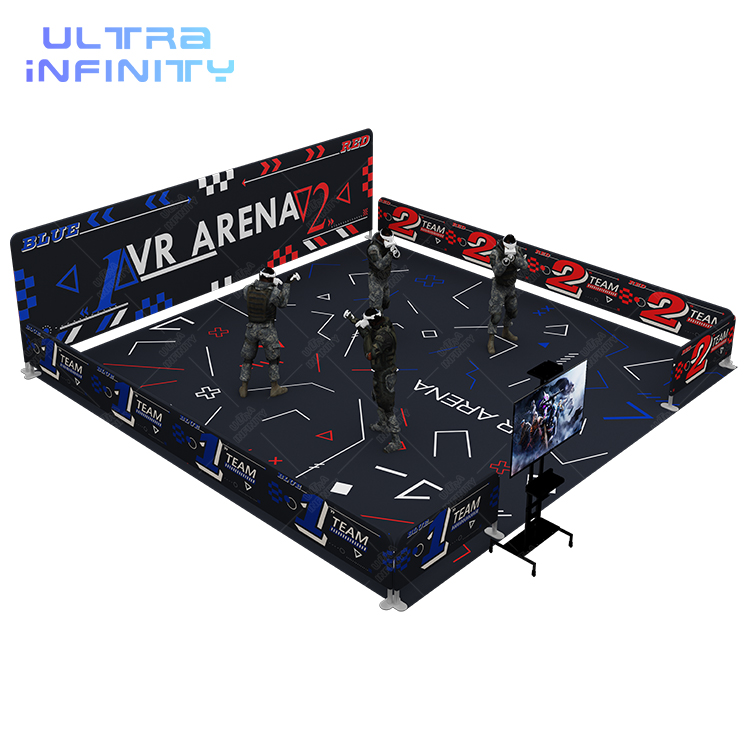
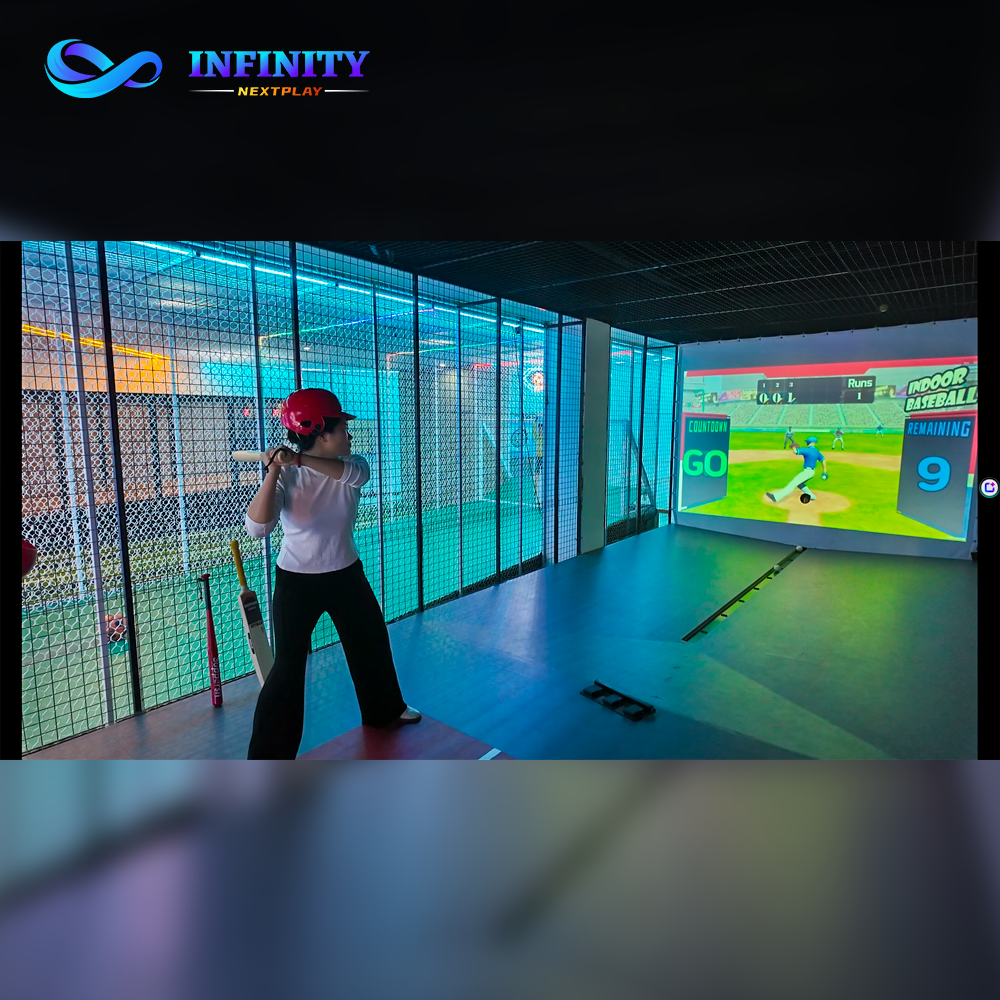
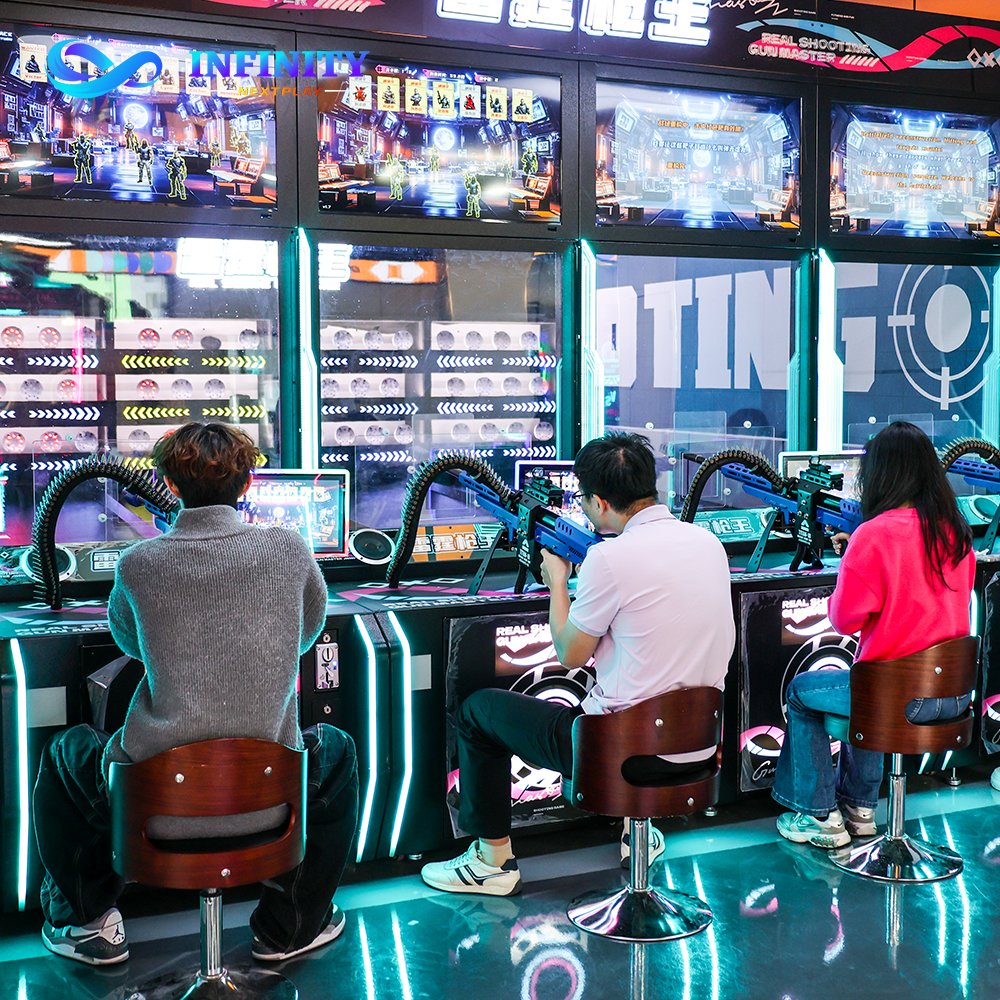
Corporate groups do not play alone; they compete, and the attractions that sell the package are the ones that turn a room full of coworkers into teams. The anchor formats are the multiplayer machines with a visible scoreboard: a free-roaming arena where the group splits into teams, a batting simulator where each employee takes a turn at the plate and a shooting lane where the moving targets decide the standings.
The anchor rule is that the session must produce a winner, because the corporate outcome is the conversation about the result on the ride home. Two hours of individual play is a pleasant room; two hours of team scores, a final table and a trophy moment is a story the department repeats on Monday, and the story is the repeat booking engine.
| Format | Group Use | Session Value |
|---|---|---|
| Free-roaming VR arena | Split into two teams, timed rounds | The team story winner |
| Baseball batting | Each player bats, scores a ladder | Individual glory, shared fun |
| Shooting lane | Moving targets, round robin | The quiet coworker can win |
The mix matters because corporate groups are not athletes: the attraction must be skill-light and drama-heavy, so a group of any fitness level can compete in the first ten minutes. Formats that need practice sessions exclude the very employees the buyer wants to include, which is why the package anchors on machines that take thirty seconds to learn and an hour to master.
The corporate inquiry arrives by email and dies by delay: the buyer asks five venues, and the first complete answer wins. The sales sheet is the tool that wins, one page with the per-person price, the three tiers, the included food, the capacity, the parking note and one photo per format, ready to send the same day the inquiry lands.
The sheet also sets the calendar: it states the weekday off-peak price that makes the venue the obvious value option, and it states the prime-time premium that makes the weekend quotes look fair. A sheet that shows both prices teaches the buyer to choose the off-peak morning, which is exactly the block the venue needs to fill.
Per-person all-in price, three tiers on one page, food named, capacity stated, testimonial included, answer sent on the same day: the quote that gets presented to a manager as a finished decision.
A reply asking for more details, then a card price per machine, then a maybe: the inquiry that takes three days and three emails, until the buyer books the venue that answered first.
The difference between the two venues is not the floor; it is the one page. The corporate buyer almost never compares game-to-game, because no manager approves an arcade on machine variety; they approve the venue that made the decision small, and the sales sheet is what makes the decision small.
The first corporate booking is a test; the repeat booking is the profit. The venue that treats every corporate session as the audition for the next quarter's booking captures the buyer twice: the deposit secures the date, and the session itself becomes the sales material for the follow-up call scheduled ten days after the event.
The follow-up loop is a calendar, not a hope: day ten after the event, send the team photos and the final scoreboard; day thirty, send a one-line offer for a quarter package with a fixed per-person rate; day sixty, call to hold the same week next quarter. The sequence is small work on a fixed schedule, and it converts a one-time group into the recurring revenue that makes the corporate line worth building.
The pricing logic of the repeat is the volume discount that is not a discount: the quarterly package holds the per-person rate, which protects the venue from the buyer's favorite request, the price cut for loyalty. The loyalty that costs money is not loyalty; the loyalty that books the same week at the same rate is the only corporate currency that pays.
The price is built from the floor cost of the block, the staffing of the session, the food margin and the day of week, with a small premium on prime time. Fifteen to twenty five dollars per person covers most markets, with the tier ladder doing the sorting.
Ten to twelve heads keeps the staffing math honest and the session social. Smaller groups can book a lighter quote, but the package price assumes a floor that fills a block.
Two to three hours is the working standard: enough for a welcome, a tournament and a food break without eating the evening. Extensions go pay-per-game after the block.
Multiplayer formats with visible scores: a free-roaming arena, a batting simulator and a shooting lane. The requirement is skill-light and drama-heavy so any fitness level competes in the first ten minutes.
Send the one-page sales sheet on the same day the inquiry arrives: per-person all-in price, three tiers, food named, capacity and a testimonial. The first complete answer wins.
Day ten after the event, send photos and the scoreboard; day thirty, offer a quarterly package at a fixed rate; day sixty, call to hold the same week. The calendar does the selling.
Corporate buyers do not buy games; they buy a solved afternoon. The per-person model gives the HR manager one number, the three-tier ladder sorts the budget, the multiplayer formats produce the winner the story needs, and the one-page sheet answers the inquiry on the same day it lands.
The formats anchor the package: the Free Roaming VR Arena 2.0 splits the group into teams, the Baseball Batting Simulator gives every employee a turn and a score, and the Shooting C4 lets the quiet coworker win. Contact NextPlay for the group pricing sheet and turn corporate inquiries into recurring blocks.
Ask NextPlay for the group pricing sheet: the per-person tiers, the multiplayer attraction mix and the booking checklist that turns quotes into signed contracts.