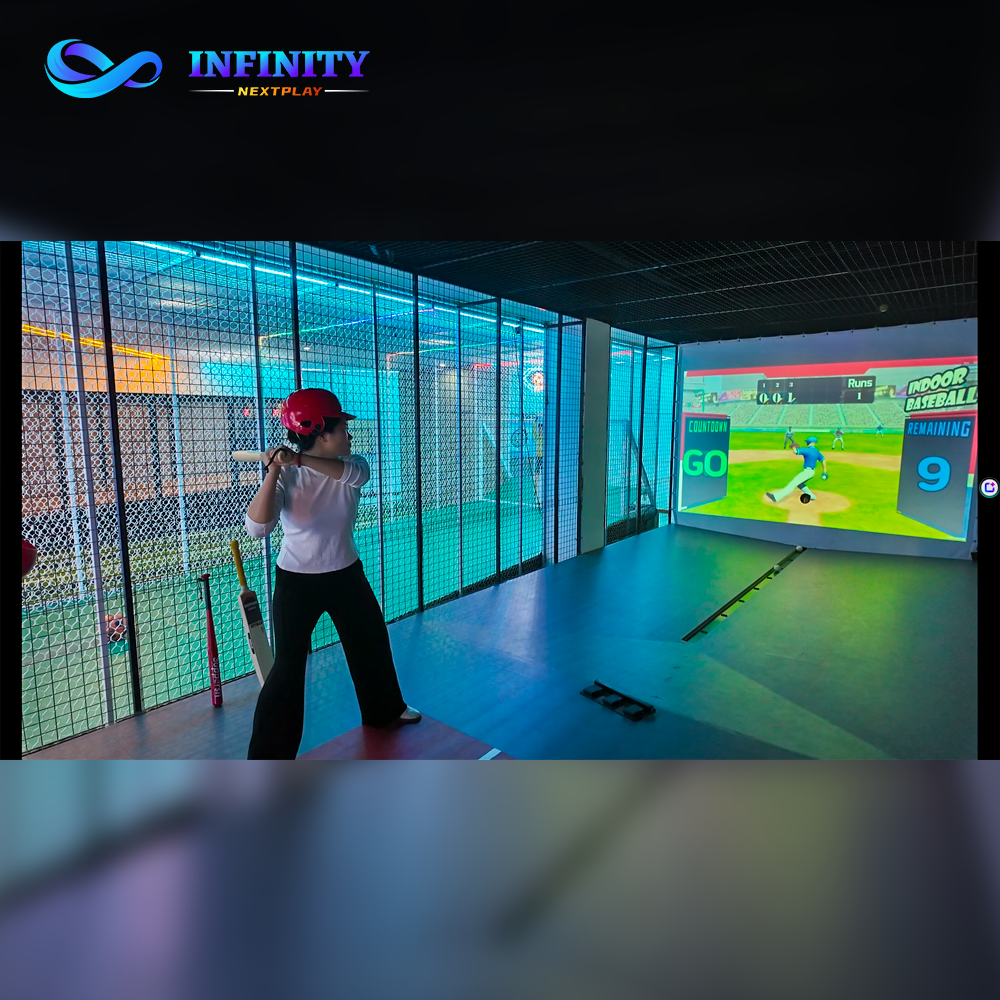
A batting cage is a net enclosure with a pitching machine in it. A baseball simulator is a projected game with real ball tracking. They share one idea and live in different worlds.
| Batting cage | Baseball simulator | |
|---|---|---|
| Footprint | 15-30 m long run-up | 6-10 m room |
| Setup cost | $20,000-$60,000 built | $8,000-$30,000 |
| Ball handling | Machine, buckets and retrieval | Automatic return, no buckets |
| Practice value | Real feel, full approach | Rep counts, launch angle data |
| Entertainment | Low, unless staffed | High, self-service |
| Revenue paths | Lesson time, hourly rental | Pay-per-play, events, leagues |
The cage wins on raw feel and full-swing fidelity. The simulator wins on everything that surrounds the swing: data, variety, uptime and ticket price. Which one is better is a question about your use, not about the hardware.
If the goal is serious hitting development, the answer is not either-or. The two tools train different layers, and the best setups run both.
Ask any hitting coach and the honest answer comes out the same: the cage builds the swing, the simulator refines it. A player who only cages develops feel without data. A player who only simulates develops data without feel.
The numbers that decide the choice are mostly space and the cost of that space. Run these two side-by-side before anything else.
| Line item | Batting cage | Baseball simulator |
|---|---|---|
| Floor area | 100-300 m2 for a real run-up | 20-50 m2 per unit |
| Ceiling | Usually 6-7 m for full swings | 3.5-4 m is enough |
| Build cost | Structure, netting, machine, lighting, permit | Room prep and install included |
| Staffing | Needs supervision and ball retrieval | Runs unattended |
| Downtime risk | Machine jams and net tears | Software and tracking updates |
The cage needs the building built around it. The simulator fits the building you already have. For a venue squeezed into an existing floor plan, that single difference settles the comparison in almost every case.
Three buyers dominate this question, and each gets a different answer. Find your column before you read the conclusion.
The only buyer where the cage clearly wins is the dedicated training business selling hourly slots to committed players. Everywhere else the simulator delivers more practice value and more revenue per square meter.
If the choice lands on the simulator, the products below are what the market actually runs, and all three are live on this site.
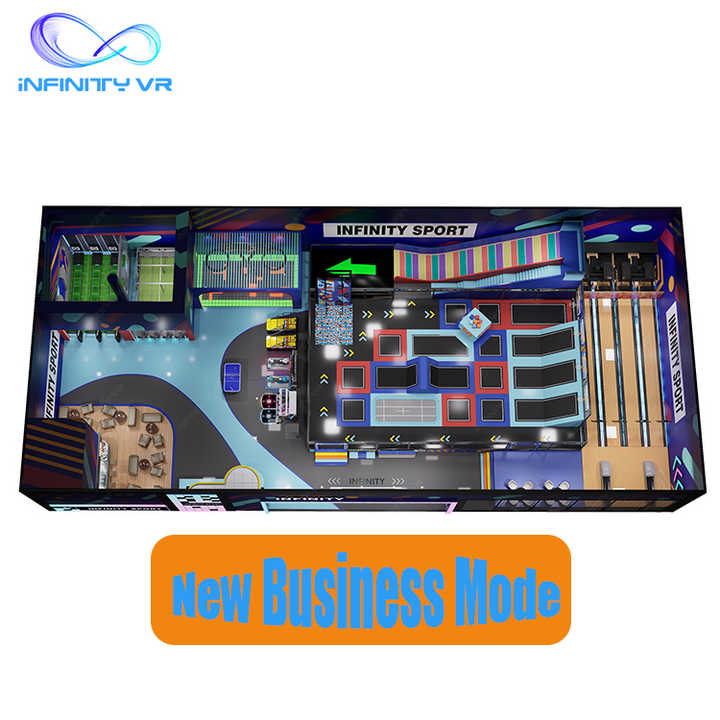
Before buying either, draw the zone into the floor. The free 3D layout design page maps the simulator, the queue and the seating into your actual space.
For entertainment and casual practice it is better: instant data, no ball retrieval, no staffing. For serious player development the real cage still leads on feel and approach, which is why training facilities run both.
A real cage needs 100-300 square meters with a 6-7 meter ceiling. A baseball simulator fits 20-50 square meters at 3.5-4 meters, which is why it works in existing buildings.
The simulator: $8,000-$30,000 installed against $20,000-$60,000 for a built cage. The simulator also saves on staffing and ball handling, which moves the real-world gap even wider.
The simulator. Pay-per-play, automatic scoring and leagues run unattended, while a cage needs supervision, retrieval and hourly bookings to hit the same revenue.
Yes. The cage gets the tall run-up zone and the simulator takes the low-ceiling area beside it, forming a complete hitting floor for a training facility.
Send us your space and your goal, training or entertainment. Our team recommends the right setup and, for venues, provides a free 3D layout design with clearances and revenue zoning.