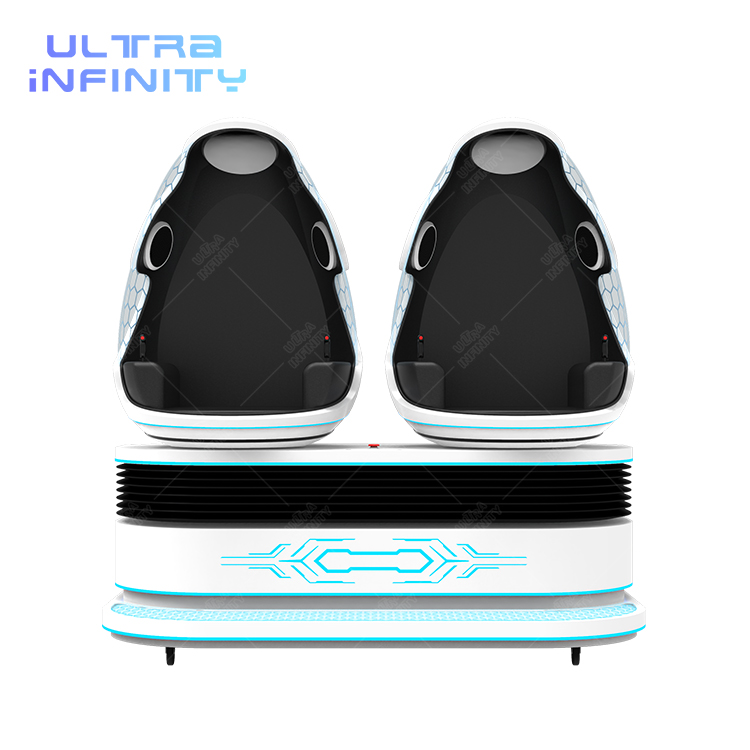
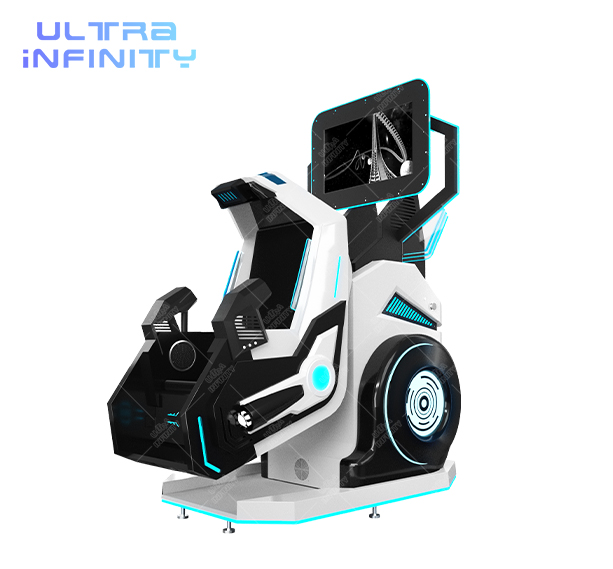
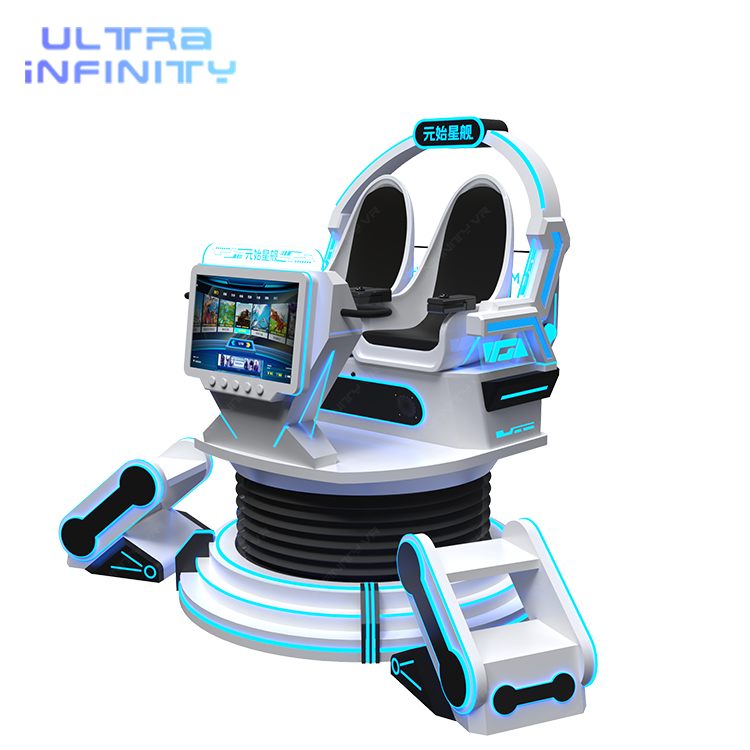
A VR chair is not a gaming chair with straps. It is a motion platform shaped like a seat: tilt, pitch, vibration, sometimes full rotation, coordinated with what the headset shows. The question is what that movement is worth to you.
| Setup | What it does | Price range |
|---|---|---|
| Stationary VR | Headset only, no movement feedback | $300-$1,500 |
| VR chair with motion | Tilt, pitch and vibration synced to the game | $2,000-$8,000 |
| Full motion platform | Multi-axis movement, high immersion | $8,000-$30,000 |
The practical rule before reading on: the chair multiplies what you already get from the headset. If the headset experience is mediocre on its own, the chair makes a mediocre experience move. It does not rescue bad content.
Cut the marketing copy in half and two effects survive contact with reality: motion puts your body in the scene, and motion cues calm the queasy brain. Everything else is garnish.
Notice what is not on the list: better graphics, better sound, better games. If you are shopping because the current setup is visually boring, a chair will not fix that. If the setup is immersive but static, the chair is the missing layer.
The chairs that end up in the corner were usually sold on the wrong expectation. Three failure modes cover most of them.
The common thread is expectations. A motion chair is a specialized appliance, not an upgrade to every game. Buyers who understood that are the ones still using theirs a year later.
The worth question has two completely different answers depending on who sits in it: one buyer races alone on weekends, the other lines up strangers for a living.
The venue math does not need the chair to be a home product. It needs it to be a durable ticket-seller. Commercial units are built heavier and cost more for that reason. If you are weighing a home purchase of a commercial machine, you are paying for durability you will not use.
The products below cover the normal decision path from home cinema chair to venue-grade motion unit. All three are live product pages on this site.
Room fit still decides the final choice. The free 3D layout design page places the chair in your actual space with clearance and power runs before you commit.
Yes only if motion content is most of what you play: simulators, coasters, flight and racing games. For general gaming, a good chair and a good headset deliver more value for the same money.
For many people yes. Matching subtle physical motion with visual motion settles the inner-ear conflict. It is not universal, so test one before committing if nausea is your main worry.
$2,000-$4,000 buys a credible home unit with real travel. Below that, check the actual movement range before buying. Weak travel turns the chair into a vibrating seat.
Yes, if you buy commercial units and price the ride right. A $5 ride on a $4,000 chair pays back in roughly 800 plays. The novelty of the motion is what sells the ticket.
Motion-optimized experiences: roller coasters, flight, racing, space rides and 9D cinema content. Static games do not feed the platform and the chair just vibrates.
Tell us your space, your content and your budget. Our team matches the right chair model and, for venues, provides a free 3D layout design with clearances and power runs.