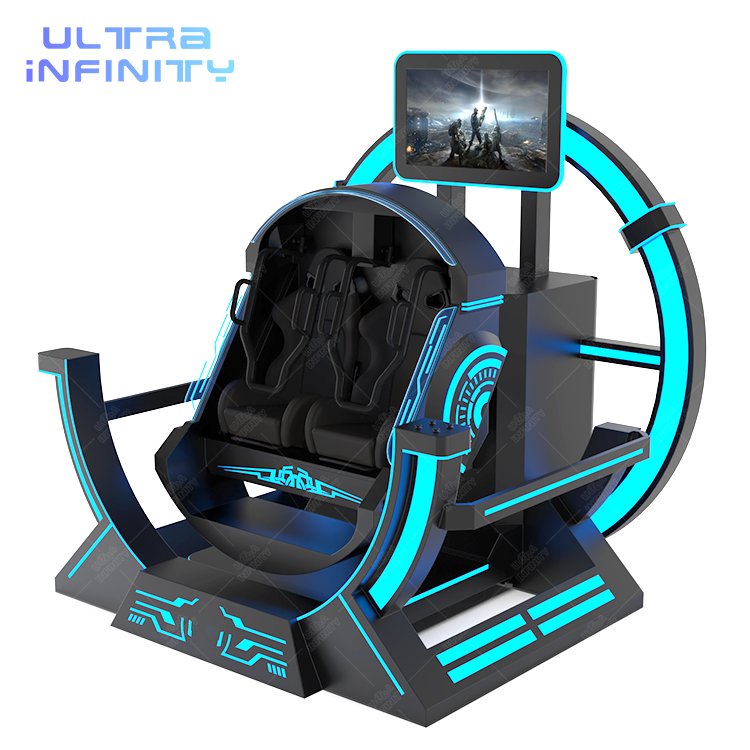
High-thrill 360-degree rotating virtual reality motion chairs are among the most lucrative active gaming attractions in shopping mall concourses, FECs, and sports lounges. However, installing dynamic 6-axis motion hardware without verifying physical facility clearances can lead to severe operational setbacks. Venue developers frequently ask the core technical question: what ceiling height and electrical power do 360 VR chairs need? Failing to audit vertical clearance and power distribution before machine delivery can halt opening day schedules.
Dynamic 360 motion chairs pitch, roll, and invert completely upside down during roller coaster simulation sequences. Operating the 360 Rotating VR Chair requires a minimum clear ceiling height of 3.6 to 3.8 meters above finished floor level. Overhead light fixtures, HVAC ducting, or fire sprinkler heads hanging below 3.5 meters create collision hazards when the chair executes full vertical inversions.
Electrical infrastructure is equally critical. Heavy electric motion actuators demand dedicated three-phase power drops capable of supplying 15 kW to 22 kW with stable voltage regulation. Running high-torque motion chairs on shared single-phase circuits leads to frequent circuit breaker trips, motion motor stalling, and customer dissatisfaction during peak operating hours.
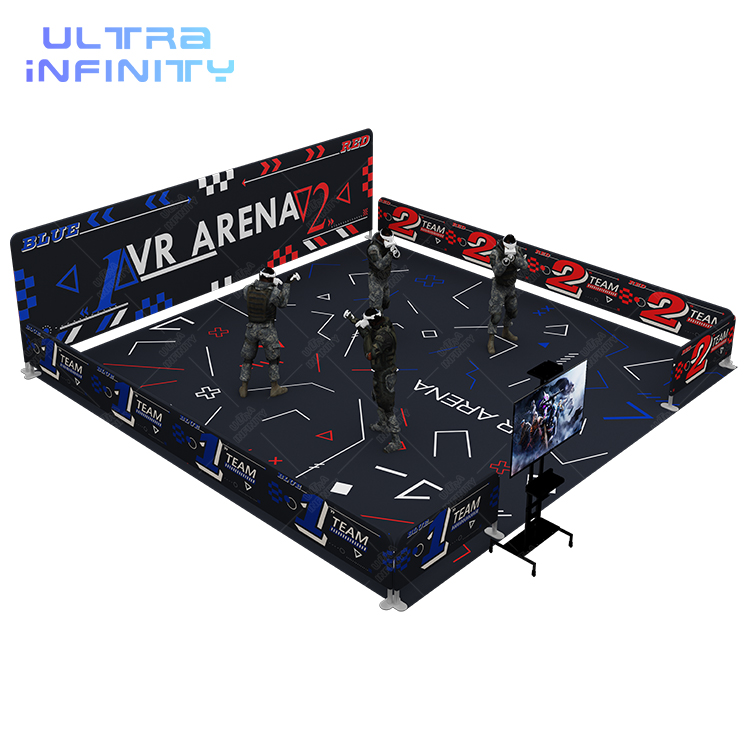
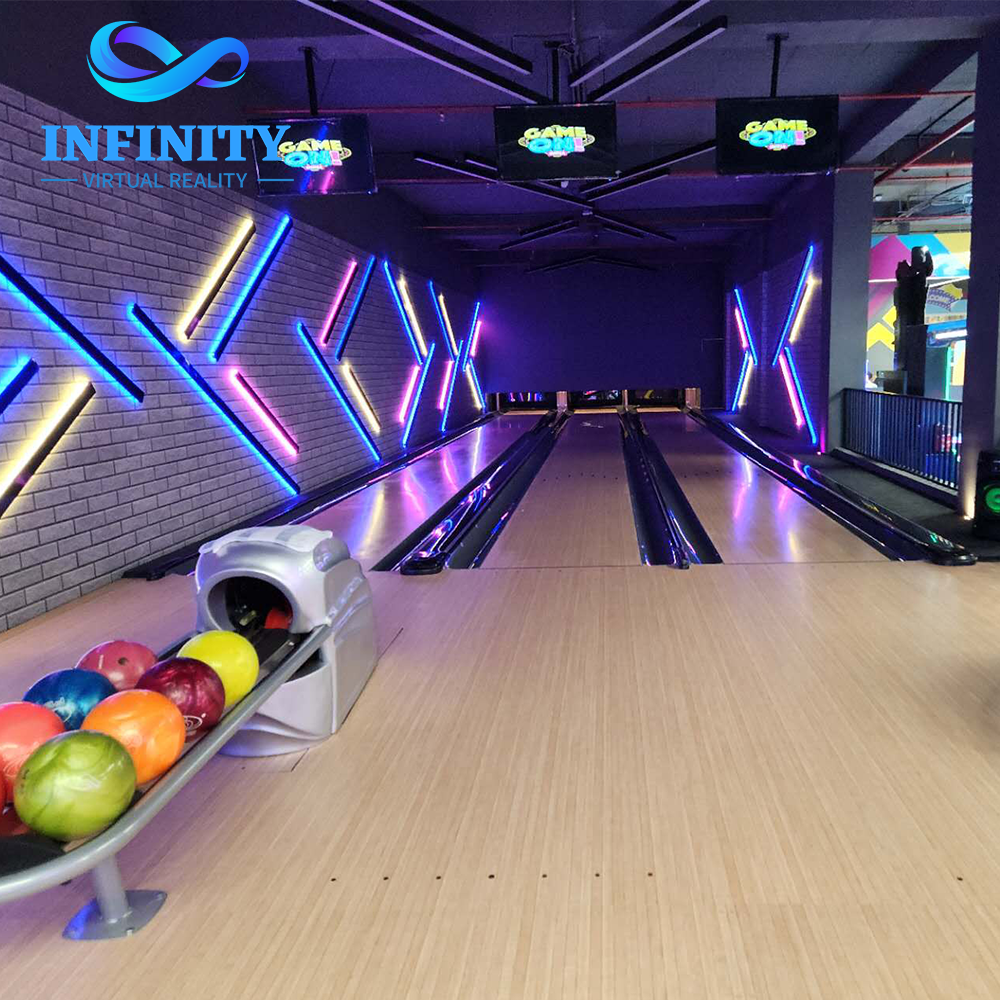
Integrating 360 VR chairs alongside adjacent attractions like Free Roaming VR Arena 2.0 or compact Duckpin Bowling lanes requires clear perimeter zoning to ensure guest safety and smooth operator workflow.
To prevent expensive post-delivery retrofits, venue operators must audit space clearances, floor load ratings, and electrical supply against equipment requirements. The table below outlines technical site specifications for commercial 360 VR installations.
| Technical Parameter | Minimum Facility Requirement | Recommended Operator Standard | Consequence of Missing Requirement |
|---|---|---|---|
| Clear Ceiling Height | 3.6 Meters (Finished Floor to Ducting) | 3.8 - 4.2 Meters Unobstructed | Top-end inversion collision with overhead HVAC or lights |
| Perimeter Safety Buffer | 1.2 Meters from Motion Arc | 1.5 - 2.0 Meters with Safety Fence | Spectators entering motion zone during 360-degree rotation |
| Electrical Power Allocation | 3-Phase 380V / 15 kW Dedicated | 3-Phase 380V / 22 kW with Surge Protection | Voltage drops, PLC reboots, and frequent circuit breaker trips |
| Floor Load Bearing Capacity | 350 kg / m2 Dynamic Load | 500 kg / m2 Reinforced Slab | Subfloor vibration, tile cracking, or structural flexing |
| Ambient Temperature Control | 18 C - 28 C Operating Temp | 20 C - 24 C Climate Controlled | Graphics PC overheating, VR headset fogging, sensor lag |
Meeting or exceeding these site parameters ensures smooth machine operation, prevents unexpected downtime, and protects rider safety.
Choosing certified commercial hardware equipped with optical safety light curtains and emergency stop interlocks ensures hassle-free mall operations.
Proper site preparation protects your capital investment and prevents revenue loss caused by installation delays. Consider the financial impact of a 60-square-meter VR simulator zone yielding 1,800 rides per month at $12.00 per ticket.
Verifying ceiling height and electrical specs before shipment eliminates costly field modifications and ensures your VR zone starts earning revenue from day one.
A clear height of at least 3.6 meters is required, with 3.8 to 4.2 meters strongly recommended to prevent rider foot or structure contact with overhead fixtures during full 360-degree vertical inversions.
A single 360 rotating VR motion chair requires 9.5 kW to 15 kW of three-phase electrical power during full motion dynamics.
Machines feature perimeter safety fences combined with optical infrared light curtains that automatically pause machine rotation if an onlooker crosses the safety perimeter.
Yes, provided the second-floor concrete slab meets a minimum dynamic load rating of 350 to 500 kg/m2 to handle motion rotation forces.
VR control PCs require climate-controlled ambient temperatures between 20 C and 25 C to prevent GPU thermal throttling and headset lagging.
On-site mechanical assembly, electrical wiring, safety curtain calibration, and test rides take 1 to 2 days with a trained technician.
Due to high $10-$15 ticket pricing and strong spectator appeal, commercial 360 VR chairs achieve full CAPEX payback within 4.5 to 6.5 months.
Deploying 360 VR motion chairs is a proven strategy for generating high floor yield, but success requires rigorous facility preparation. Auditing clear ceiling heights, securing three-phase power drops, and installing optical safety curtains eliminates operational risks and protects your opening timeline.
Partner with NextPlay to receive a complete site audit checklist, CAD layout drawings, and technical electrical specs for your venue. Contact NextPlay today to start your site evaluation.
Ask NextPlay for a technical installation audit: ceiling clearance verification, electrical drop planning, safety curtain layout, and floor loading specs.