Group bookings, birthday parties, and corporate team outings represent the highest-margin revenue segments for modern active entertainment venues. However, venue operators frequently struggle to engage non-playing spectators and family members who accompany active riders. Investors evaluating attraction upgrades ask the headline question: why are motion VR simulators so effective for groups? The answer lies in spectator buzz, multi-sensory immersion, and head-to-head competitive appeal.
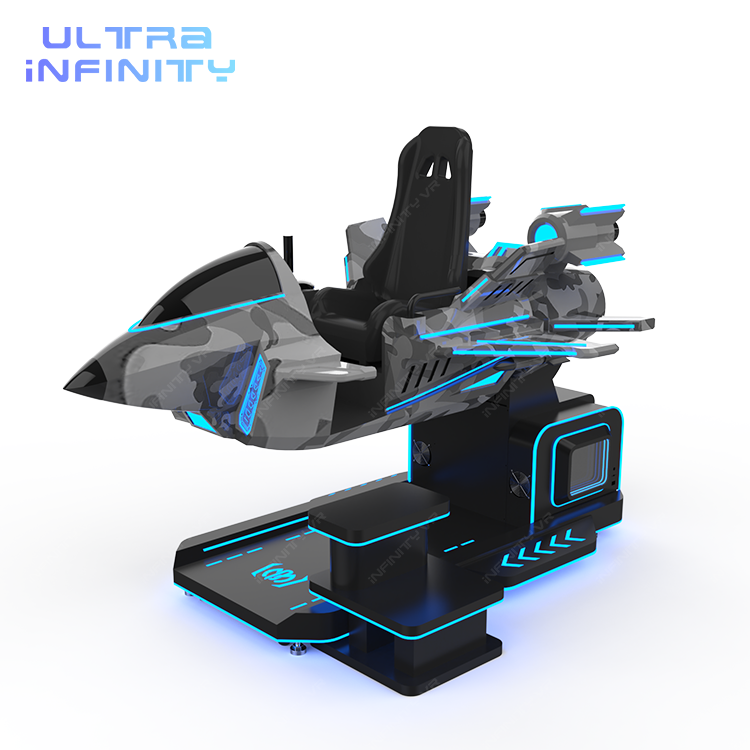
Motion VR simulators transform passive onlookers into active participants. High-dynamic flight and racing simulators, such as the VR Flight Thunder Fighter F2 and the VR Motorcycle Simulator, feature external high-definition monitor displays that project live rider gameplay to surrounding crowds. Watching friends pitch, roll, and lean into 360-degree turns creates infectious laughter, spectator encouragement, and immediate social media video sharing.
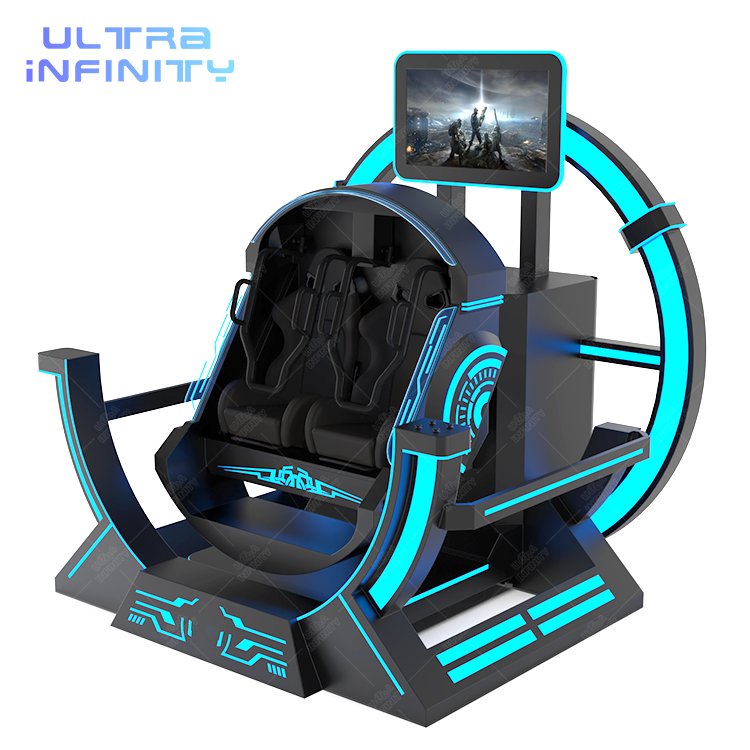
Furthermore, motion-based VR platforms appeal across all age groups and skill levels. While traditional twitch-reaction video games favor experienced gamers, 6-degree-of-freedom (6DOF) motion chairs like the 360 Rotating VR Chair rely on intuitive physical motion, wind feedback, and 3D sound. Parents, teenagers, and corporate colleagues enjoy the experience equally, driving combined group ticket purchases.
This guide explores how motion VR extends venue dwell time, presents a side-by-side group engagement comparison, outlines a high-yield motion VR simulator mix, and details a group booking marketing SOP.
The choice between static VR headsets and dynamic motion-based simulators directly impacts spectator engagement and ticket pricing power. The table below compares commercial operating metrics between static VR setups and dynamic 6DOF motion VR attractions.
| Performance Metric | Static VR Headset Stand | Dynamic Motion VR Simulator | Group Commercial Advantage |
|---|---|---|---|
| Spectator Buzz & Crowd Draw | Low (Rider stands still) | High (Dynamic motion + live screen) | 3x Higher Footfall Capture |
| Average Ticket Price per Ride | $4.00 - $6.00 | $10.00 - $16.00 | 2.5x Higher Ticket Yield |
| Social Media Video Sharing | 10% - 15% of riders | 60% - 75% of riders | 5x Organic Social Reach |
| Repeat Group Challenge Rate | 12% repeat rate | 38% repeat rate | 3x Repeat Group Visits |
| Average Dwell Time Extension | +15 Minutes | +45 to 75 Minutes | 3x Longer Guest Stay |
| Monthly Floor Yield per m2 | $50 - $75 / m2 | $140 - $225 / m2 | 2.8x Higher Floor Yield |
The operational metrics prove that dynamic motion feedback transforms VR from an isolated headset experience into a high-visibility social event that anchors group entertainment venues.
Selecting commercial motion VR hardware requires choosing reliable electric or hydraulic actuators, reinforced safety harnesses, and high-performance graphic processors.
To calculate monthly revenue for a motion VR group zone, consider a 50-square-meter installation combining one VR flight simulator, two network-linked VR motorcycles, and one 360 motion chair.
This financial model confirms that high-visibility motion VR simulators attract group traffic, command premium ticket pricing, and achieve rapid capital payback.
Motion VR simulators feature 6DOF physical motion and external live display screens that transform VR into a visible spectator event, drawing crowds and encouraging group competition.
Yes. NextPlay VR motorcycle simulators connect via local high-speed networks, allowing 2 to 4 riders to race simultaneously on the same virtual track.
Commercial operators typically charge $12.00 to $16.00 for a 5-to-7-minute motion VR flight or 360-degree roller coaster ride session.
Yes. Machines feature optical light curtains, emergency stop buttons, padded safety harnesses, and adjustable motion intensity profiles for different age groups.
Motion VR attractions attract spectators, encourage group competition, and pair naturally with food and beverage lounges, extending average guest visits by 45 to 75 minutes.
A 3-machine motion VR zone requires 15 kW to 24 kW of standard three-phase electrical power to operate electric motion actuators and display systems.
Due to high ticket pricing and strong weekend group party bookings, motion VR packages achieve full capital payback within 5 to 7 months.
Investing in commercial motion VR simulators is the most effective way to increase spectator engagement, boost group bookings, and maximize ticket revenue. By delivering dynamic 6DOF motion, live spectator displays, and head-to-head multiplayer racing, motion VR transforms passive visitors into repeat group customers.
Evaluate your floor space, analyze group booking demand, and partner with NextPlay to engineer an optimized motion VR simulator zone. Contact NextPlay today to request a customized motion VR proposal and floor plan.
Ask NextPlay for a motion VR group simulator proposal: interactive motion seats, competitive flight and racing setups, spectator display packages, and revenue projections.