A pure arcade floor is a game of peak hours. It runs hard from 5 PM to 9 PM, prints its revenue from afternoon families and teenagers, and goes quiet the moment the dinner hour ends. The ceiling is structural: an arcade sells a single guest a single experience, the guest leaves when the tokens run out, and there is no social reason to stay past the last round. The venue that adds a second loop after dinner, bowling a frame, throwing darts over a drink, or dancing on an LED floor, removes the ceiling entirely.
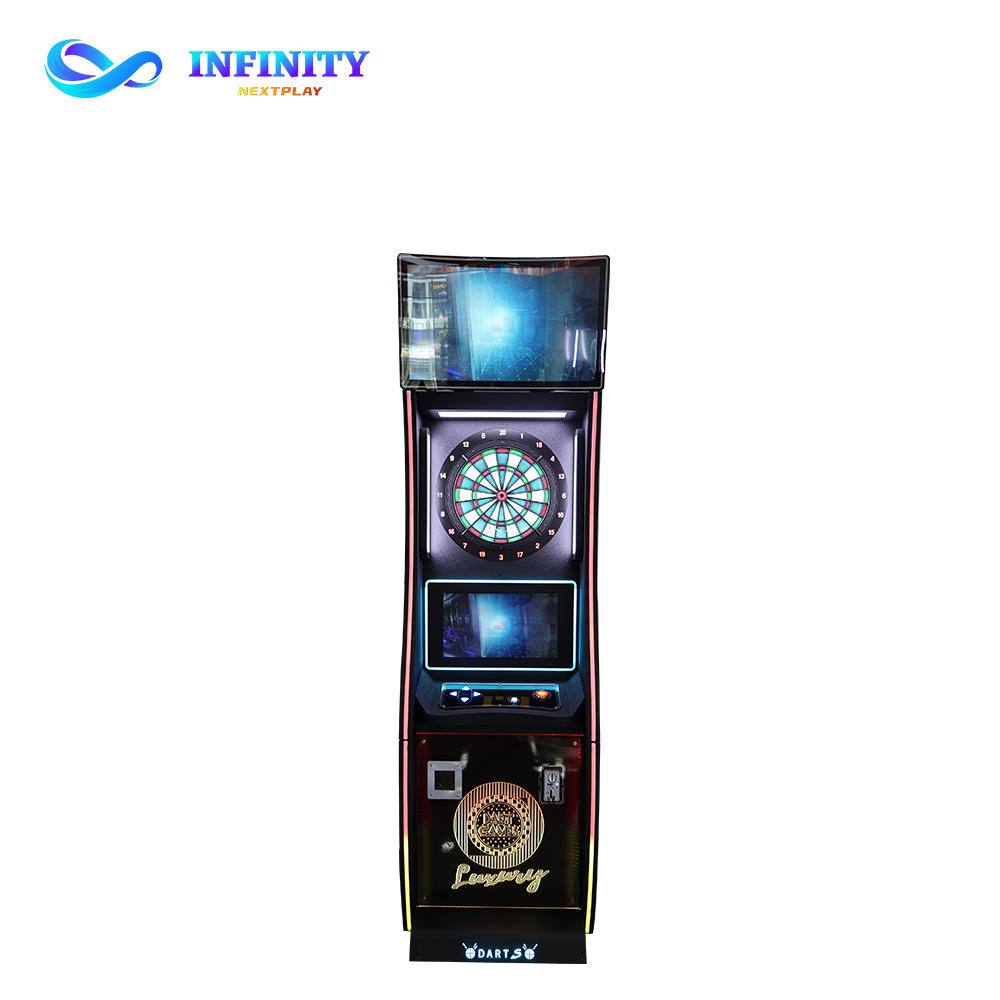
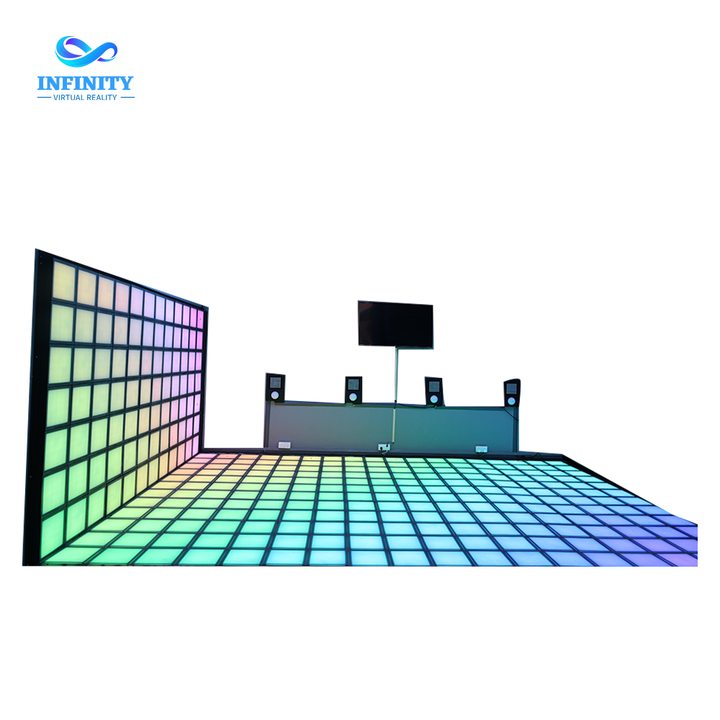
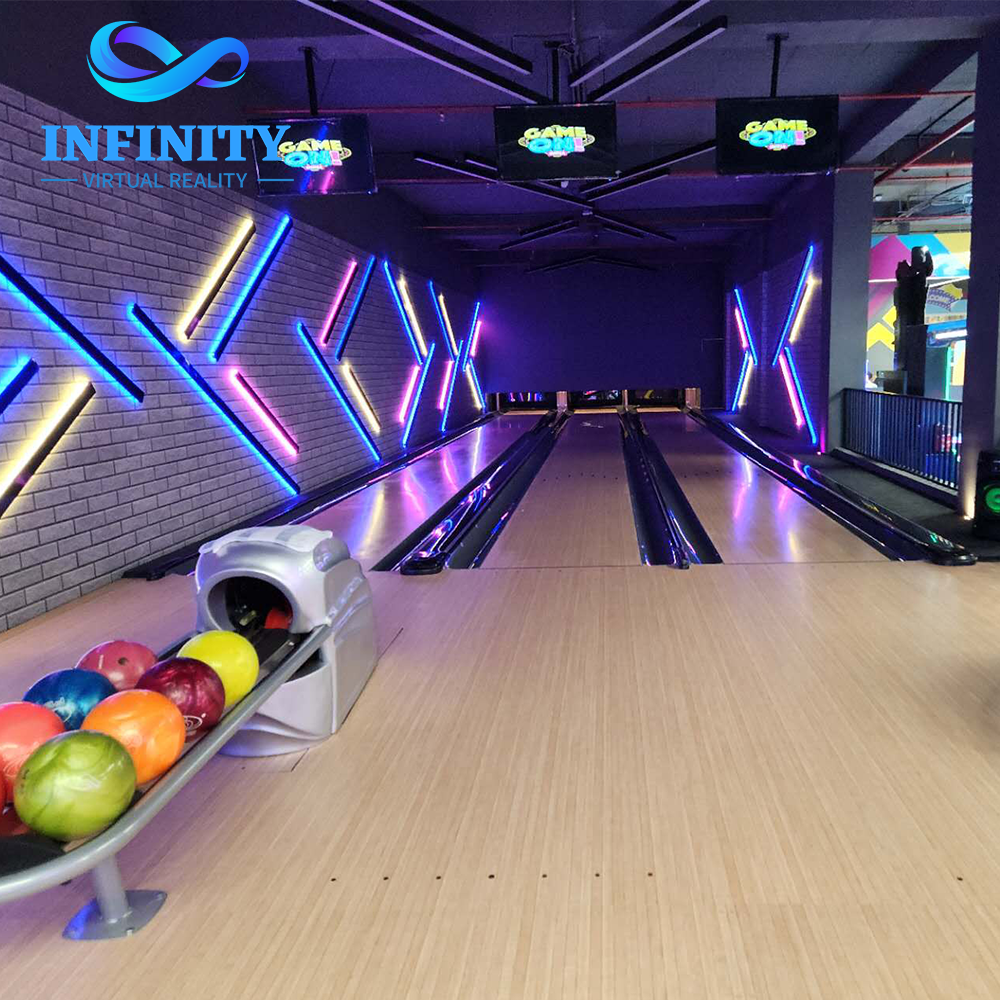
The decision comes down to the hardware on the floor. The VR arena anchors the layout, the duckpin bowling system drives the repeat visits and the electronic dart machine adds the premium layer, and each one is matched to the space and the budget this guide covers.
The multi-attraction venue out-earns the arcade for one reason: it is not selling a game, it is selling a night. A group of six arrives for a duckpin frame, orders drinks at the bar, moves to darts while the lanes reset, and only leaves when the LED dance challenge has decided the last winner. The average evening group spends 90 to 120 minutes and multiple tickets per person. On a per-hour basis the same floor space earns two to three times what it would earn as a pure arcade row.
This guide explains the revenue mechanics in order: the after-10 PM economy and its demand curve, why the social loop stretches dwell time, the revenue-per-hour comparison, the equipment that builds the loop, a deployment schedule, and the operating checklist that runs the peak without breaking costs.
The 10 PM hour is the dividing line between the two business models. An arcade floor at 10 PM has maybe two teenagers at the redemption counter. A multi-attraction venue at 10 PM is in its peak: the bowling lanes have waitlists, the darts throw off the bar rail and the LED floor pulls a crowd. The demand curve is inverted because the attraction mix matches the evening social pattern instead of fighting it.
The after-dinner guest is different from the daytime guest in three ways that change revenue. The evening guest arrives in a group, not alone; the group has already spent on dinner somewhere, so the venue is a second wallet; and the guest stays for a social reason, a rematch, a league, a bet, not for the game itself. Each difference pushes the average ticket up and the churn time down.
| Hour | Arcade Floor Revenue | Multi-Attraction Revenue | Driver |
|---|---|---|---|
| 17:00 - 19:00 | $120 | $180 | After-school and early families |
| 19:00 - 21:00 | $260 | $420 | Dinner-adjacent social groups |
| 21:00 - 23:00 | $90 | $540 | After-10 PM social peak |
| 23:00 - 01:00 | $30 | $360 | Late bar and league crowd |
| Daily Total | $500 | $1,500 | Same floor, different loop |
The table compares a 150m2 arcade row against a 150m2 social loop with duckpin, darts, LED play and a bar for a weekend night. The arcade crowds into the early evening and collapses; the social venue holds the curve into the 1 AM hour. The threefold daily total is the out-earn the question asks about, and it comes almost entirely from the after-10 PM hours.
Dwell time is the hidden revenue multiplier. A guest who stays four hours buys four times. The multi-attraction venue is engineered around a loop that hands each group from one attraction to the next, and the transfer handoffs are where the venue earns its premium.
The loop mechanics are simple to read once you watch a real group. The group books a duckpin lane as the anchor. While they bowl, a member orders the first drink round at the nearby bar rail. When the frame ends, the machine suggests the dart cabinet for a warm-up challenge, and the darts throw right beside the LED dance floor, so the next round of winners step onto the tiles. The chain is: bowl, drink, throw, dance, drink again. Each step resets the group clock and pushes the exit further out.
Tokens to credits to exit: one attraction, one guest, one exit decision after every play. The best arcade can stretch a guest 20 minutes, and the exit always comes back.
Lane to bar to darts to LED: each partner attraction hands the group to the next. The exit keeps receding because the next game is always one drink away.
The loop also spreads spending risk. An arcade earns the same $4 every play, so a quiet night halves revenue. The social venue earns from lanes, drinks, darts, dance challenges and possibly prize redemptions, so a weak night in one line is covered by the others. This mix resilience is a second reason multi-attraction venues out-earn arcades, not just on peak nights but across the whole week.
The out-earn is not a marketing claim; it is a math result. The table below builds a weekend night revenue case for the same 150m2 floor operated as a pure arcade and as a multi-attraction social loop. All figures are 2026 U.S. benchmarks for a mid-market venue.
| Metric | Pure Arcade Row (150m2) | Social Loop (150m2) | Difference |
|---|---|---|---|
| Weekend Evenings ([Hr avg) | $31/hour | $94/hour | 3.0x |
| Average Group Size | 1-2 guests | 5-6 guests | 2-3x |
| Average Ticket per Guest | $4 | $14 | 3.5x |
| Dwell Time per Guest | 20 minutes | 120-180 minutes | 6-9x |
| Revenue per Square Meter/Hour | $0.21 | $0.63 | 3.0x |
| Quiet-Hour Resilience | Collapses after 21:00 | Holds until 01:00 | Evening durability |
Two lines drive the whole gap. The first is group size: the social loop sells to groups of five or six instead of singles, so even at the same ticket price revenue per square meter triples. The second is dwell time: six to nine times longer residence at a venue converts the same footfall into six to nine times the buying windows. The $14 average ticket is the compounding result of the bar round, the second attraction and the rematch.
Costs stay roughly flat because the social loop uses the same square meters and the same number of staff hours. The added revenue lines (darts, LED challenges, higher bar spend) have near-zero marginal floor cost, which is why the 3x revenue multiplies into an even larger profit multiple.
Converting an arcade row into a social loop follows a known path. The sequence below assumes the venue already has a bar or liquor license and at least 150m2 of open floor.
The smart order is to install the anchor first (duckpin), then build the handoffs (darts beside the bar, LED in view), then monetize the peak (leagues, rematch mechanics). Each step is independently profitable, so the conversion never waits for the whole build to finish.
The peak is where most venues break, either by understaffing and losing the loop flow or by overstaffing and eating the margin. The checklist below keeps the balance.
The operating cost of the social loop is one extra floor host and one extra bartender on peak nights, roughly $35 per hour in labor for two staff. At the loop_revenue of $540 for the 21:00-23:00 block, labor is under 15 percent of the evening revenue, which is what keeps the 3x top-line multiple profitable on the bottom line.
Because it sells a night, not a game. Groups of five or six buy lanes, drinks, darts and LED challenges over a 2-3 hour night, while an arcade sells singles a 20-minute token run. The revenue-per-hour gap is roughly 3x.
In the bar-adjacent social loop: duckpin rematches, darts at the bar rail and LED dance challenges. The 21:00-01:00 block is the highest-revenue window of the day, completely different from an arcade that collapses by 21:00.
A 150m2 row run as a social loop earns about $1,500 on a weekend night versus $500 as a pure arcade, a 3x multiple that stacks higher on weekends and league nights.
No. One floor host and one extra bartender cover the peak, about $35 per hour in labor against an evening revenue block of $500+, keeping labor under 15 percent of evening sales.
Duckpin bowling. It books the group, runs a fast frame and hands the group to darts and the bar. It is the anchor that pulls the 10 PM crowd in the first place.
The eight-week schedule installs the anchor first, darts and LED second and the league monetization third. Every step is profitable alone, so the conversion pays for itself as it builds.
The multi-attraction venue out-earns the arcade because it removed the ceiling that afternoon token economics puts on floor revenue. The same 150m2 that collapses after dinner as an arcade row holds a three-figure hourly curve until 1 AM as a social loop, and the 3x top-line multiple survives to the bottom line because labor scales with just two extra staff on peak nights.
NextPlay supplies the loop equipment that builds that night: duckpin lanes as the anchor, online dart cabinets for the bar rail handoff and interactive LED dance floors for the crowd moment. Contact NextPlay for the evening-economy layout and upgrade plan for your venue floor.
Ask NextPlay for an evening-economy zone plan: the duckpin, darts and LED play layout, the bar-adjacent placement rules and the operating schedule that runs the 10 PM peak without extra staff.