Every first-timer walks up to the counter with the same six questions, and every one of them has a published answer. The venue that answers them at the door converts the walk-in; the venue that improvises loses the guest to the three published first-day killers - motion sickness, latency and hygiene doubt. This guide assembles the published answers with the numbers behind them, so a first-timer knows exactly what they are signing up for before the headset goes on.
A concrete scenario: a parent and two kids (9 and 12) approach the counter. The attendant confirms the sickness questionnaire, offers the free face mask, sets the 12-15 minute first-session expectation, and routes the family - 9-year-old to the free-roam round at 120cm, 12-year-old to the motion seat at 130cm, parent wherever they prefer. Six questions answered in two minutes, one family converted into three players - on the published zoning and briefing model.
Question 1 - will I get motion sick? It is the question that stops most first-timers, and the published first-day analysis answers it with a protocol rather than a promise: the first session runs 12-15 minutes at most, the extend option unlocks only after the first five minutes pass without symptoms, and the sickness risk peaks at minute five - which is why the gentle title comes first. The science is the sensory-conflict explanation documented in the published motion-sickness guide: your eyes report motion your inner canals do not, the canals lag 15-30 seconds behind, and the discomfort fades as the brain adapts. Free-roam formats dodge most of the conflict because you walk at your own pace, and motion seats counter it by moving with you - the published guide records matched-rotation designs cutting reported sickness by a third in the 2026 in-car study.
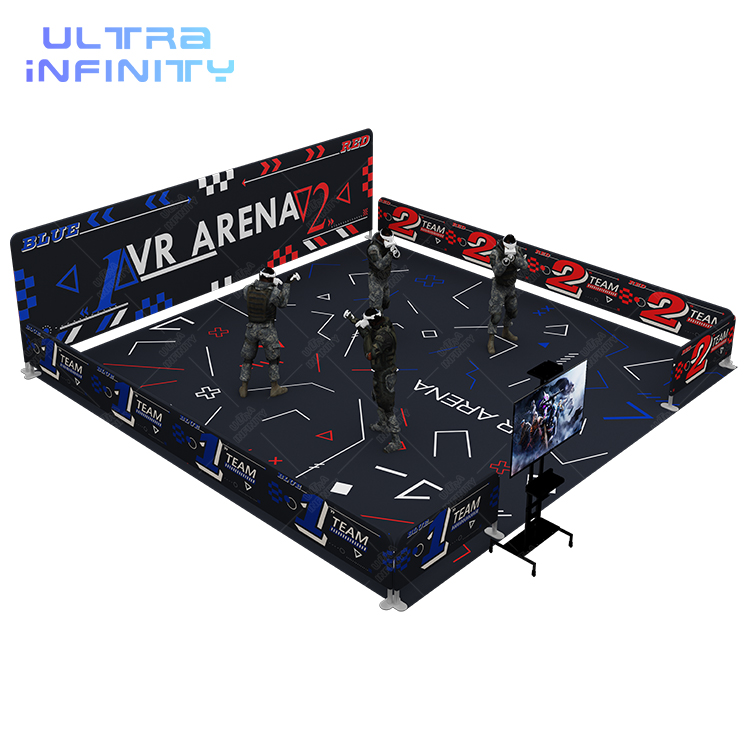
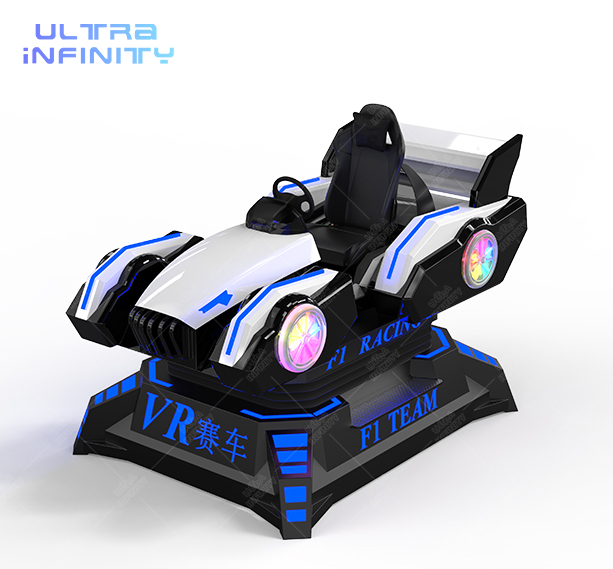
Question 2 - am I old enough (or tall enough)? The published zoning chart draws three lines: free-roam arenas at ages 8+ and 120cm and up, motion seats at 10+ and 130cm, seated cinema at 4+ and 100cm - one staff member per session and a 15-minute session cap on the active formats. Height matters as much as birthdays because headset fit and the safety envelope are sized to it. For the under-8 racing-curious crowd, the published kids-racing guide routes juniors to the kart row on the $6-9 per 6-minute heat - the VR Racing Simulator junior kart is sized and titled for exactly that bracket.
Question 3 - how long should my first session be? Twelve to 15 minutes, on the published first-visit model, with the extension earned after five symptom-free minutes. The cap is a service, not a limit: the published operator math prices the alternative - a 25-minute session sold to a first-timer is a guaranteed refund, because the guest who exits at minute ten carries the exit memory, not the game. Veterans run longer loops; the published dwell study shows group arena visits stretching to 35-50 minutes once players are past the first-visit curve, with 60-70% buying the rematch immediately. First session short, second session sold.
Question 4 - is the headset hygienic? The published first-day analysis sets the between-guest cycle at 6-8 minutes total: wipe-down, drying time, and the next guest's briefing - scheduled on that cycle so the attendant never skips the wipe to fit the queue. The free face mask at the counter closes the perception gap, and the perception gap is real money: the published model shows hygiene doubt stopping 8% of would-be first-timers from booking at all. A visible wipe is worth more than any sign that says the wipe happens.
Question 5 - what if it feels laggy? Latency is an engineering number, not a vibe: the published comfort threshold is 20 milliseconds or less of round-trip latency for head tracking and under 40 milliseconds for controller movement. Commercial systems are built to clear the 20ms bar, and the published first-day model attributes 10% of first-timer exits to latency complaints - so the counter answer is re-fit the headset, re-seat the player, and log the unit. The free-roam Free Roaming VR Arena 2.0 is specified at walking pace with 20ms-class latency design for exactly this reason.
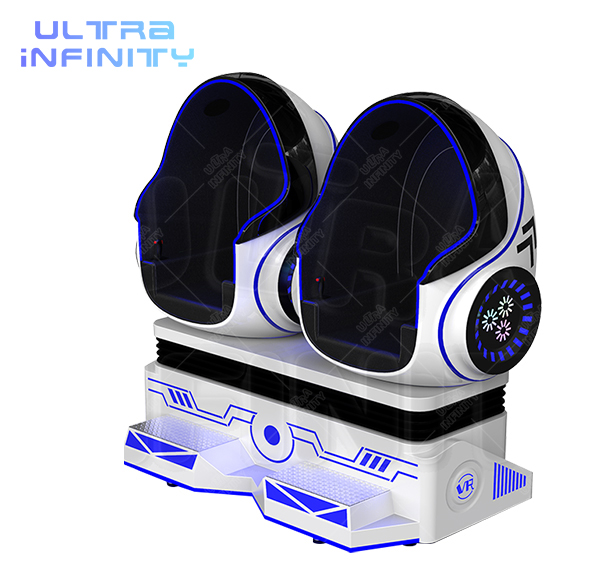
Question 6 - what should I play first? The published format ladder orders it: the seated cinema at 4+ is the gentlest entry, the motion egg chair runs a 2-5 minute ride loop across 70+ titles at 10+, the free-roam arena at 8+ delivers the social group match, and the racing row catches the junior bracket on junior karts. The published dwell study shows what the right first format unlocks: 60-70% of first-time groups buy the rematch immediately, and 65% carry repeat-visit intent out the door. The VR egg chair is the family-friendly motion entry on that ladder.
| First-Timer Question | Published Answer | Published Number |
|---|---|---|
| Will I get motion sick? | 12-15 min first session; extend after 5 symptom-free min | Sickness peaks at minute five (blog 1018) |
| Am I old/tall enough? | Cinema 4+/100cm; free-roam 8+/120cm; motion seat 10+/130cm | Zoning chart (blog 1091) |
| How long is a session? | 12-15 min first visit; 35-50 min once hooked | Dwell study (blogs 1018/963) |
| Is it hygienic? | 6-8 min wipe-dry-brief cycle; free face mask | First-day analysis (blog 1018) |
| What if it lags? | 20ms head-tracking / 40ms controller comfort bar | Comfort thresholds (blog 1018) |
| What do I play first? | Seated cinema, then motion seat, then free-roam | Format ladder (blogs 1091/2564/963) |
A concrete scenario closes the guide: the family from the opening finishes its two minutes at the counter. The 9-year-old walks out of the free-roam round demanding the rematch (the 60-70% published behavior), the 12-year-old spends the next ticket on the motion seat, and the parent books the birthday for next month - because every question was answered with a number before the headset went on. That is the first-timer playbook, and every published venue runs some version of it.
Maybe, and the published first-day analysis treats it as manageable rather than fatal: sickness tends to peak around minute five, which is why a first-timer runs a 12-15 minute session at most, with the option to extend only after the first five minutes pass without symptoms. Motion chairs cut the conflict by moving with you - the published motion-seat guide documents matched rotation cutting reported sickness by a third in a 2026 in-car study - and free-roam rooms are the gentlest format because you walk at your own pace.
The published zoning chart draws the lines by attraction: free-roam arenas take ages 8 and up at 120cm and above, motion seats take 10+ at 130cm, and seated cinema takes 4+ at 100cm. Kids karting formats run junior rows for the under-8 crowd on a $6-9 per 6-minute heat ticket. The height rule matters as much as the age rule, because headset fit and the safety envelope are sized to it.
Twelve to 15 minutes on the published first-visit model - with the option to extend after the first five symptom-free minutes. The published operator math shows why the cap is a feature: selling a full 25-minute session to a first-timer is selling a guaranteed refund, because the sickness risk peaks at minute five and the guest who leaves at minute ten remembers the exit, not the game.
The published first-day analysis sets the between-guest cycle at 6-8 minutes total - wipe-down, drying time and the next guest's briefing - and schedules sessions on that cycle so the wipe never gets skipped to fit a queue. First-timers are offered a free face mask at the counter, which solves the perception problem the published data shows stops 8% of would-be first-timers from booking at all.
Say something immediately - latency is measurable. The published comfort thresholds are 20 milliseconds or less of round-trip latency for head tracking and under 40 milliseconds for controller movement, and modern commercial systems are engineered to clear the 20ms bar. A first-timer who reports lag gets re-fitted or re-seated in minutes; the published first-day model attributes 10% of first-timer exits to latency complaints, and re-fitting is the whole fix.
The published zoning logic answers by format: a seated cinema ride if you are four or older and want the gentlest entry, a kids kart row if you are under eight and racing-curious, a motion egg chair for the 2-5 minute ride loop, and the free-roam arena at 8+ for the social group match. First-timers who start seated or walking and graduate to motion rarely meet the sickness wall at all - and the 60-70% who finish a free-roam match buy the rematch on the spot.
Planning a family visit or a first VR session? Send us your group ages and heights: we will match every player to the right format through the free 3D layout design - the Free Roaming VR Arena for groups, the VR Egg Chair for motion riders, and the junior kart row for the under-8 racers.