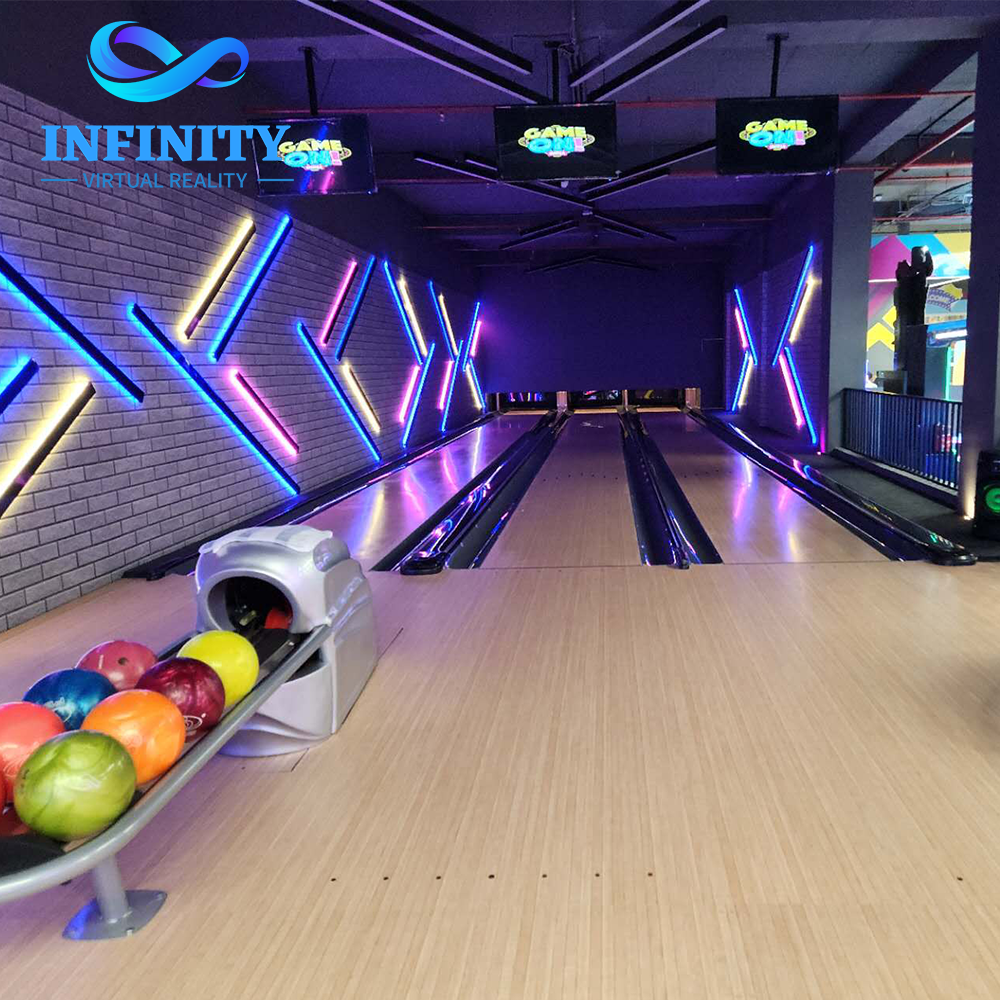
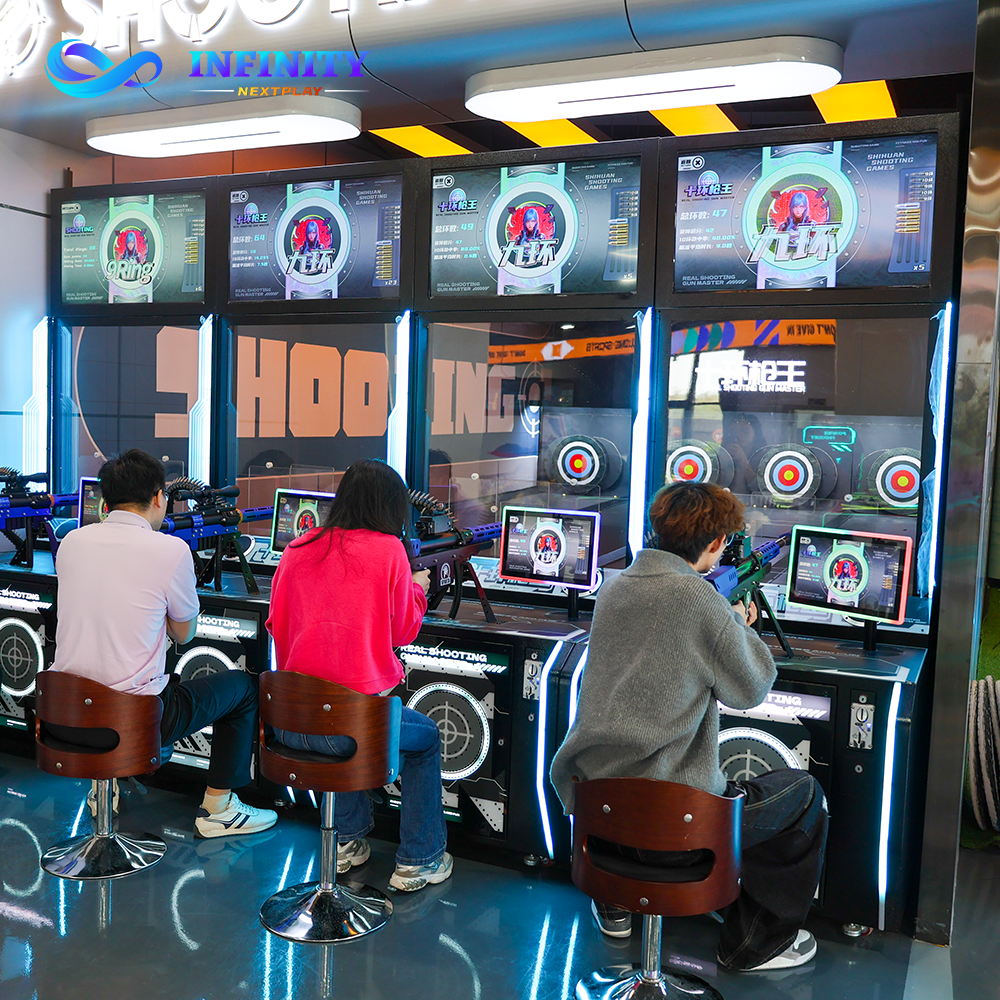
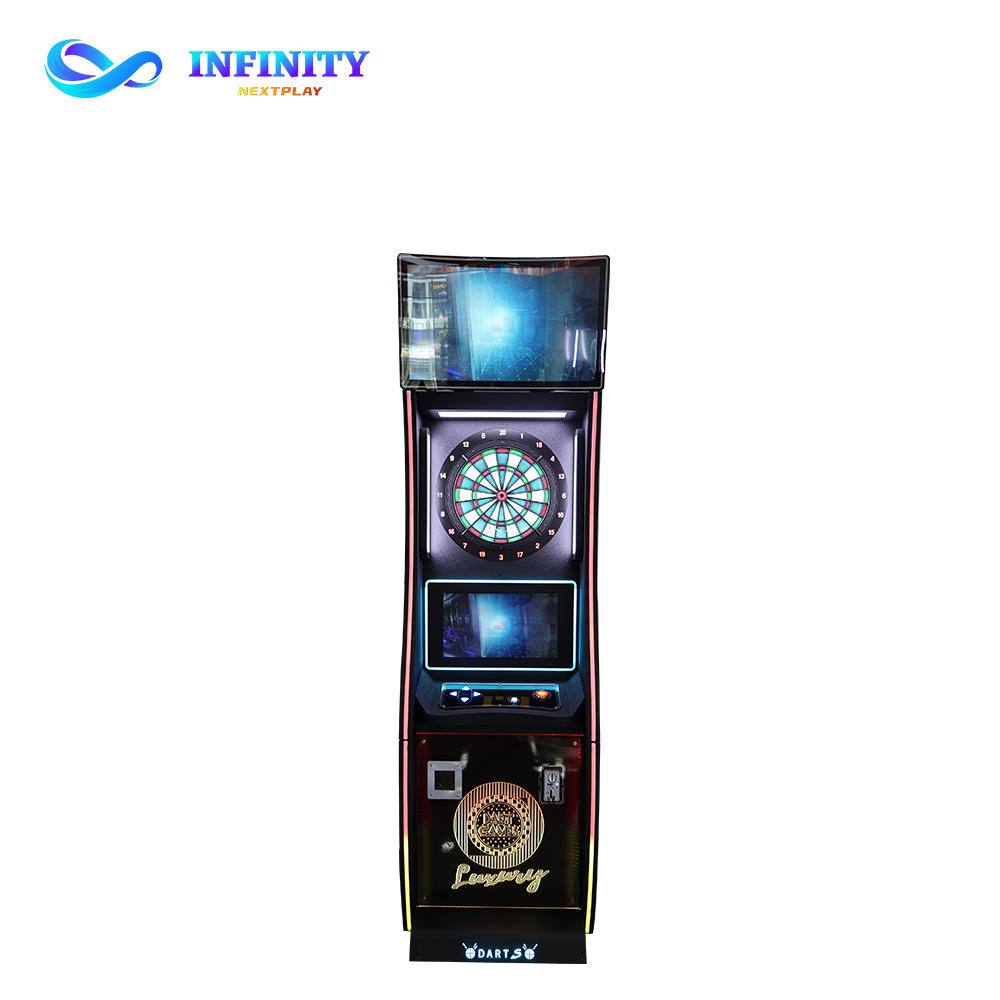
The following equipment units form the primary revenue-generating hardware for the commercial venue described in this guide.
Explore the equipment referenced throughout this guide: Duckpin Bowling System Digital Scoring Shooting Simulator Q4 Online Electronic Dart Machine X7. Each unit is engineered for commercial-grade reliability and backed by full factory support.
Every hour an attraction sits offline is revenue you cannot recover. A well-maintained indoor entertainment center holds 98% uptime, while neglected venues lose 10-15% of weekly capacity to preventable breakdowns. Maintenance should be treated as a revenue function: preventive schedules protect the asset, preserve guest experience and extend equipment life. Operators who invest in structured maintenance consistently outperform those who repair only after failure.
Maintenance ROI: Target Uptime 98%; Neglect Capacity Loss 10-15%; Breakdown Cost -45%; Equipment Life Extension 30%; Guest Trust Preserved.
Establish a preventive maintenance rotation that covers every unit on a fixed cycle. A 2-week rotation is the industry benchmark for high-traffic equipment: weekly visual and cleanliness checks, bi-weekly functional tests, and monthly deep inspections. Document every PM task with checklists, dates and technician initials. Preventive maintenance catches wear before it becomes failure, keeping units online during peak hours.
PM Rotation: Weekly Visual Check; Bi-Weekly Functional Test; Monthly Deep Inspection; Documented Checklist; Technician Initials; Peak Hour Protection.
Sensors drive accuracy in shooting simulators, archery, darts and interactive floors. Calibration drift causes missed scores, frustrated guests and false claims. Establish a calibration schedule: verify sensor alignment weekly, run diagnostic tests bi-weekly, and recalibrate after any impact or relocation. Log calibration results and train staff to recognize drift symptoms. Precision equipment earns trust through consistent, accurate play.
Calibration: Weekly Alignment Check; Bi-Weekly Diagnostics; Recalibrate After Impact; Drift Symptom Training; Calibration Log; Accuracy Standard.
Motion rides, simulators and moving attractions depend on motors that run under continuous load. Monitor motor temperature, vibration and duty cycle, and follow the manufacturer's lubrication schedule. Replace worn belts and bearings before failure. Confirm power quality with surge protection and stable voltage. Mechanical care is the difference between a 5-year motor and an 18-month motor.
Motor Care: Temperature Monitoring; Vibration Check; Lubrication Schedule; Belt & Bearing Replacement; Surge Protection; Duty Cycle Tracking.
Modern entertainment equipment runs on software that needs regular updates. Maintain a software update schedule covering game content, firmware and security patches. Test updates on a single unit before rolling out venue-wide, and keep a rollback plan. Manage digital content libraries to keep attractions fresh and drive repeat visits. Outdated software causes crashes, glitches and declining replay value.
Software Management: Update Schedule; Single-Unit Test; Rollback Plan; Content Refresh; Security Patches; Replay Value Maintenance.
Dust, moisture and debris are the silent killers of entertainment equipment. Establish cleaning protocols per equipment type: lens and sensor cleaning with approved solutions, cabinet dusting, and airflow vent maintenance. Protect electronics from moisture and static. A clean unit runs cooler, reads more accurately and fails less often. Schedule cleaning during off-peak hours to avoid revenue loss.
Cleaning Protocol: Lens & Sensor Cleaning; Cabinet Dusting; Vent Maintenance; Moisture Protection; Static Control; Off-Peak Scheduling.
A spare parts inventory is your insurance against extended downtime. Stock critical spares for every unit: sensors, motors, control boards, screens, buttons and power supplies. Maintain a 7-day dispatch agreement with your supplier and track inventory levels monthly. A venue with critical spares on hand recovers from most failures in hours, not weeks. Prioritize spares for your highest-revenue attractions.
Spares Strategy: Critical Spares Per Unit; 7-Day Supplier Dispatch; Monthly Inventory Review; High-Revenue Priority; Recovery In Hours; Stock Levels Tracked.
Your staff are the first line of maintenance. Train every attendant to recognize warning signs: unusual noise, error codes, abnormal temperature and calibration drift. Establish a reporting protocol where staff log issues immediately with photos. Train one technician per shift on basic diagnostics and part replacement. An informed team catches problems early, when they are cheap to fix.
Staff Training: Warning Sign Recognition; Error Code Basics; Issue Reporting Protocol; Photo Documentation; Shift Technician; Early Detection.
When an attraction fails, response speed determines revenue impact. Establish a 15-minute triage protocol: assess the fault, decide repair versus replace versus escalate, and communicate expected downtime to guests. Keep a documented fault history for each unit to identify recurring patterns. A structured response turns a potential revenue-draining outage into a controlled, brief interruption.
Triage Protocol: 15-Minute Assessment; Repair vs Replace Decision; Guest Communication; Fault History Log; Pattern Identification; Controlled Downtime.
Track warranty status for every unit and component. Register equipment with the manufacturer, maintain warranty documentation, and use the service-level agreement for repairs within the coverage period. Confirm response times and parts dispatch commitments. Warranty management protects your maintenance budget and ensures you are not paying for repairs that should be covered.
Warranty Management: Equipment Registration; Documentation File; SLA Utilization; Response Time Tracking; Parts Dispatch; Budget Protection.
Budget maintenance at 3-5% of equipment value annually for preventive care, plus a reserve for unexpected failures. Track maintenance costs per unit to identify high-cost assets early. A structured budget prevents the emergency spending that comes from neglect. Compare actual spend against the budget quarterly and adjust the preventive schedule based on real failure data.
Budget Rule: 3-5% Annual Preventive; Failure Reserve; Per-Unit Cost Tracking; Quarterly Review; Data-Driven Schedule; Emergency Spend Avoidance.
Schedule heavy maintenance during low-traffic periods and reserve peak hours for revenue. Plan deep cleaning, software updates and major repairs for weekday mornings or off-season windows. Before peak seasons, run a full venue equipment audit. Aligning maintenance with demand protects revenue while keeping equipment in peak condition exactly when guests are most numerous.
Peak Planning: Heavy Work Off-Peak; Pre-Season Audit; Deep Clean Scheduling; Peak Hour Protection; Revenue Alignment; Demand-Based Planning.
Maintain complete maintenance documentation: PM logs, calibration records, repair history and inspection certificates. These records support warranty claims, insurance requirements and safety compliance audits. Digitize the records for easy retrieval and trend analysis. A documented maintenance history also strengthens your venue's credibility with landlords, insurers and equipment manufacturers.
Documentation: PM Logs; Calibration Records; Repair History; Inspection Certificates; Digital Archive; Compliance Ready.
Track maintenance performance with a simple dashboard: uptime percentage, mean time between failures, repair cost per unit and preventive completion rate. Review the dashboard monthly to identify trends and adjust strategy. A data-driven maintenance operation demonstrates clear ROI, justifies budget and keeps every attraction contributing to venue revenue.
Dashboard Metrics: Uptime %; MTBF; Repair Cost Per Unit; PM Completion Rate; Monthly Review; Data-Driven Strategy.
Contact our commercial team for the preventive maintenance schedule template, calibration log and spare parts checklist for your entertainment center, plus equipment proposals engineered for low-maintenance operation.