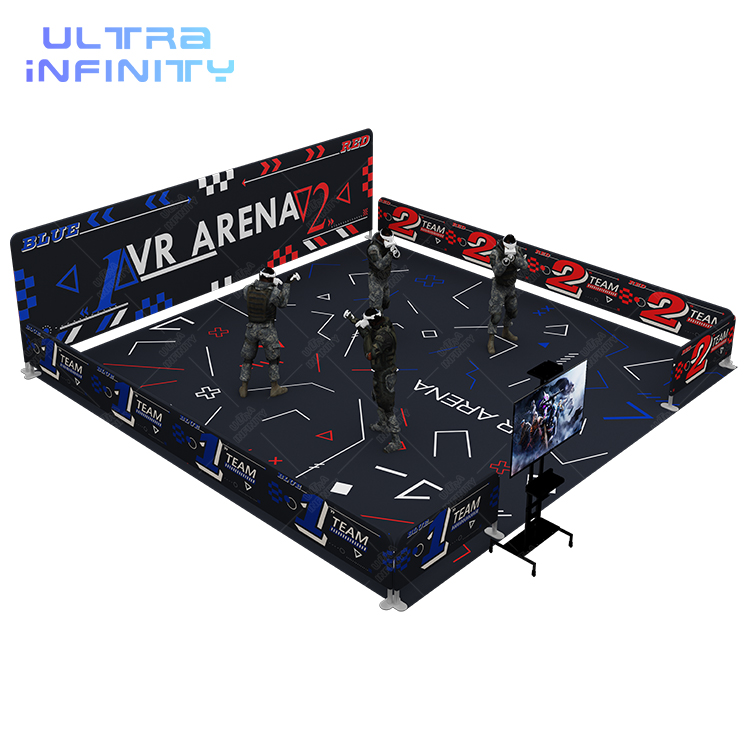
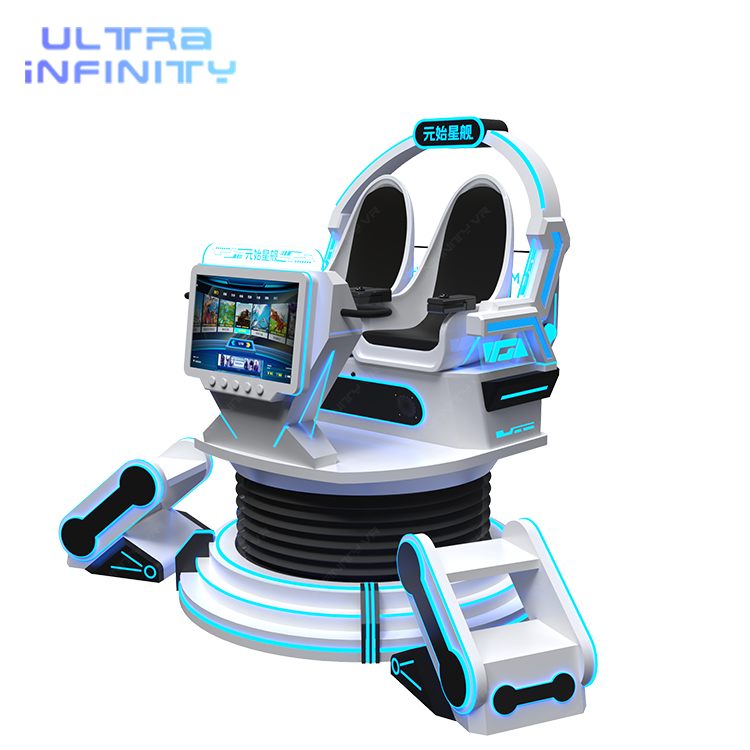
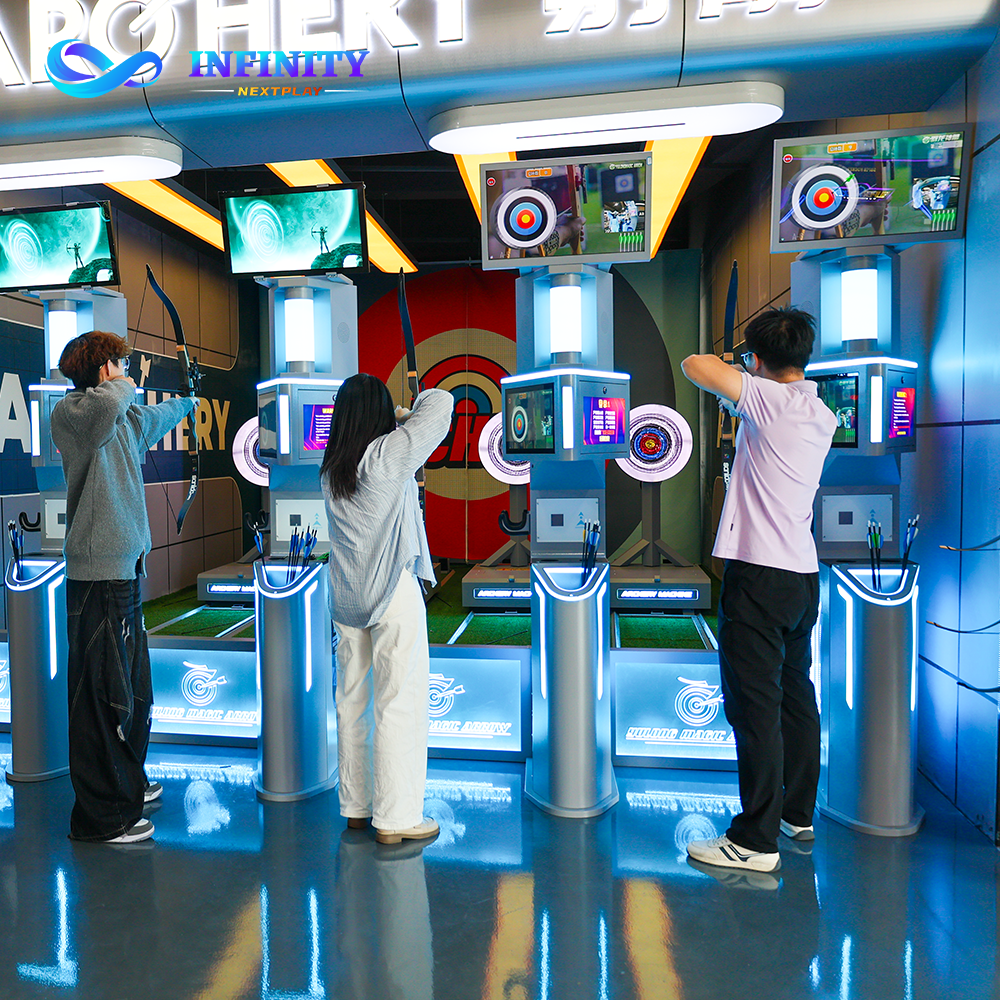
The following equipment units form the primary revenue-generating hardware for the commercial venue described in this guide.
Explore the equipment referenced throughout this guide: Free Roaming VR Arena 2.0 VR Starship U2 9D Cinema Professional Arcade Archery System A6. Each unit is engineered for commercial-grade reliability and backed by full factory support.
A 200m2 pop-up arcade is the fastest way to test an entertainment market without committing to a long-term lease or large capital build. At roughly $4,200 in daily revenue potential, a well-executed pop-up can recover its equipment investment in 6 weeks and validate demand before a permanent location. Empty retail units, mall atriums and event spaces offer short-term leases that make the pop-up model financially attractive and strategically low-risk.
Pop-Up Economics: Daily Revenue Target $4,200; 6-Week Payback Window; Short-Term Lease; Market Validation; Capital Risk Reduction; Exit Flexibility.
Start with a precise floor plan that zones the 200m2 into high-traffic, social and quiet areas. Allocate 40% to anchor attractions, 30% to social games, 15% to redemption or snacks and 15% to circulation. Draw the plan to scale, mark power outlets and emergency exits, and verify walkways are at least 1.2m wide. A clear zoning plan makes the remaining 11 days of installation efficient and safe.
Zoning: 40% Anchors; 30% Social; 15% Redemption; 15% Circulation; 1.2m Walkways; Power & Exit Mapping.
Select a 12-unit initial mix that balances anchor attractions with high-margin social games: one VR arena, two 9D cinema chairs, one archery system, two shooting simulators, two dart machines and four redemption or skill games. Prioritize equipment with short installation times and proven reliability. Source from a manufacturer with fast delivery and on-site commissioning to hit the 14-day window.
12-Unit Mix: 1 VR Arena; 2 Cinema Chairs; 1 Archery; 2 Shooting; 2 Darts; 4 Skill Games; Fast Delivery; On-Site Commissioning.
Power planning is the critical infrastructure step. Confirm the unit's power capacity, add dedicated circuits for high-draw attractions, and install surge protection. Plan networking for online games, leaderboards and cashless systems with wired connections where possible. Verify ventilation and lighting meet equipment requirements. Infrastructure done right on days 5-7 prevents shutdowns on opening day.
Infrastructure: Power Capacity Check; Dedicated Circuits; Surge Protection; Wired Network; Ventilation; Lighting Specs.
Install equipment in the zoned layout, starting with heavy anchor attractions. Follow manufacturer installation guides, secure all units and complete on-site commissioning with the supplier's engineer. Run functional tests on every unit, calibrate sensors and confirm software is updated. Document the installation with photos and test logs. A fully commissioned venue is ready for staff training and marketing.
Installation: Anchor First; Manufacturer Guide; On-Site Commissioning; Functional Tests; Sensor Calibration; Test Logs.
Hire and train a lean team for the pop-up format: one floor manager, two attendants and one technician. Train staff on equipment operation, cashless systems, guest flow and safety protocols. Establish opening and closing checklists, shift schedules and a clean-up routine. A small well-trained team keeps operating costs low while delivering the guest experience that drives repeat visits.
Staffing: 1 Manager; 2 Attendants; 1 Technician; Equipment Training; Cashless Training; Opening Checklist; Shift Schedule.
A pop-up arcade should run cashless from day one. Set up a POS system with prepaid cards or wristbands, configure pricing tiers and connect the system to all attractions. Test the full guest journey: purchase, play, redeem. Confirm the system generates real-time revenue reports. Cashless operation speeds throughput, reduces theft and provides the data you need to measure the pop-up's performance.
Cashless Setup: POS System; Prepaid Cards; Pricing Tiers; Attraction Integration; Full Journey Test; Real-Time Reports.
Build anticipation before opening with a 5-day marketing sprint: local social media, influencer previews, and a grand opening offer. Create shareable moments inside the venue, from the VR arena to photo spots. Partner with nearby businesses for cross-promotion. A strong launch fills the first weekend, generates word-of-mouth and validates the pop-up's revenue model from day one.
Marketing Sprint: 5-Day Countdown; Social Media; Influencer Preview; Grand Opening Offer; Shareable Moments; Cross-Promotion.
On opening day, follow the full operations checklist: equipment on, sensors calibrated, cashless system live, staff briefed and safety walkthrough complete. Monitor foot traffic and revenue in real time. Collect guest feedback and adjust staffing or pricing for the weekend rush. A smooth opening day sets the operational rhythm for the entire pop-up period.
Opening Day: Full Checklist; Equipment Live; System Verified; Staff Briefed; Safety Walkthrough; Real-Time Monitoring.
Track daily revenue, per-unit performance and peak-hour patterns to optimize the mix. Shift underperforming units or adjust pricing based on real data. Run weekly promotions and events to sustain foot traffic. The pop-up period is a live experiment: every data point informs the decision to extend, relocate or commit to a permanent venue.
Optimization: Daily Revenue Tracking; Per-Unit Performance; Peak-Hour Analysis; Pricing Adjustments; Weekly Promotions; Data-Driven Decisions.
A 200m2 venue fills quickly during peak hours, so manage flow aggressively. Use timed sessions for the VR arena and cinema chairs, stagger game starts and keep queues moving. Assign staff to high-traffic zones and monitor capacity. Peak-hour management maximizes per-square-meter revenue and prevents the crowding that drives guests away.
Peak Management: Timed Sessions; Staggered Starts; Queue Control; Zone Staffing; Capacity Monitoring; Per-m2 Revenue.
A pop-up arcade must meet the same safety standards as a permanent venue. Verify fire egress, electrical safety and equipment certifications. Post clear safety signage and ensure staff know emergency procedures. Check insurance coverage for the short-term lease and event operation. Compliance protects guests, your capital and your ability to extend the pop-up lease.
Compliance: Fire Egress; Electrical Safety; Equipment Certification; Safety Signage; Emergency Procedures; Short-Term Insurance.
The pop-up model gives you three exit options at the end of the lease: extend if revenue justifies it, relocate to a better-performing site, or convert to a permanent venue. Prepare a decision framework with revenue thresholds for each option. The pop-up's data tells you which path maximizes ROI with minimal risk.
Exit Options: Extend If Revenue; Relocate to Better Site; Convert to Permanent; Revenue Thresholds; Decision Framework; Risk-Minimized ROI.
Consolidate the entire process into a 14-day checklist: days 1-3 zoning, days 3-5 equipment, days 5-7 infrastructure, days 7-9 installation, days 9-11 staffing, days 11-12 cashless, days 12-13 marketing and day 14 opening. Print the checklist and follow it day by day. A disciplined 14-day execution turns an empty shop into a revenue-generating arcade on schedule.
14-Day Recap: 1-3 Zoning; 3-5 Equipment; 5-7 Infrastructure; 7-9 Install; 9-11 Staffing; 11-12 Cashless; 12-13 Marketing; 14 Opening.
Contact our commercial team for the 14-day launch checklist, 12-unit equipment mix proposal and fast-delivery arcade package with on-site commissioning for your 200m2 space.