The headset is the hidden capex line of the VR zone because it sits inside the purchase price and nobody budgets for it separately. The operator buys the arena package, the standing platform or the motion chair, the invoice lists the machine, and the headsets inside the machines are treated as part of the hardware instead of the consumables they are. The headsets wear faster than any other component in the zone, and the wear shows up at the worst moment, the weekend peak when the third headset dies and the session that needs six headsets runs with four.
The headset replacement is not a maintenance item; it is a fleet operation. The zone with ten machines runs twenty to thirty headsets, the headsets are handled by every rider, dropped, sweated into and knocked against the frames, and the replacement cycle of twelve to eighteen months is a rolling expense that the operator either budgets or discovers. The operator who treats the headset as a consumable from day one plans the replacement before the failure, and the operator who treats it as hardware buys the failures at the peak-hour price.
The headset also decides the experience quality, and the experience quality decides the repeat visit. The lenses that scratch, the straps that stretch and the screens that lose the brightness turn the premium ride into the disappointing ride, and the disappointing ride is the review that costs more than the headset. The headset rule: the headset is the interface between the customer and the product, and the interface that is not budgeted for replacement becomes the interface that fails in front of the customer.
The wear inside a commercial headset is concentrated in four components, and each wears on its own clock. The lens coating wears first: the daily cleaning wipes, the dust grit and the knocks against the frames scratch the coating, and the scratched lens blurs the image long before the screen fails. The foam interface wears second: the facial foam absorbs the sweat and the oil of every rider, the compression flattens the cushion and the hygiene becomes the smell that the next rider notices.
The strap system wears third: the elastic and the ratchet are stretched by every head fit, the adjustment loosens and the loose headset shifts during the motion, and the shifting headset is the motion-sickness trigger that the operator blames on the game. The display and the electronics wear fourth: the screens lose the brightness with the hours, the cables chafe at the connector and the tracking cameras degrade, and the degraded electronics fail the session at the peak instead of in the test.
The wear model also counts the invisible damage: the drop that cracks the internal mount without cracking the shell, the sweat that corrodes the connectors and the heat that degrades the batteries. The operator who inspects the four wear points on the schedule catches the degradation before the failure, and the inspection is the difference between the planned replacement and the emergency purchase.
The per-session cost turns the headset lifecycle into the number the business plan needs. The math runs on three inputs: the headset purchase price, the expected session count and the residual life after the cycle. A headset at 300 dollars running 400 sessions before the replacement carries a wear cost of roughly 0.75 dollars per session, and the same headset stretched to 600 sessions with the maintenance drops the per-session cost to 0.50 dollars, so the maintenance that extends the cycle cuts the operating cost of every single session.
The full per-session picture adds the accessories: the foam replacement at 15 dollars every hundred sessions adds 0.15 dollars per session, the cable replacement adds its share and the cleaning consumables add a small line, so the honest per-session wear cost lands in the 0.15 to 0.35 dollar range depending on the format and the care. The number matters because the operator multiplies it by the sessions: a busy zone running four hundred sessions a day carries a daily headset cost in the tens of dollars, and the monthly line is a real operating line, not a rounding error.
The per-session cost also feeds the pricing decision: the ticket that does not cover the headset wear plus the electricity plus the labor is the ticket that eats the equipment. The operator who knows the per-session cost prices the session against the full stack, and the pricing rule: the wear cost is the floor of the session price, and the floor that is not calculated is the floor that the operator discovers in the first year's losses.
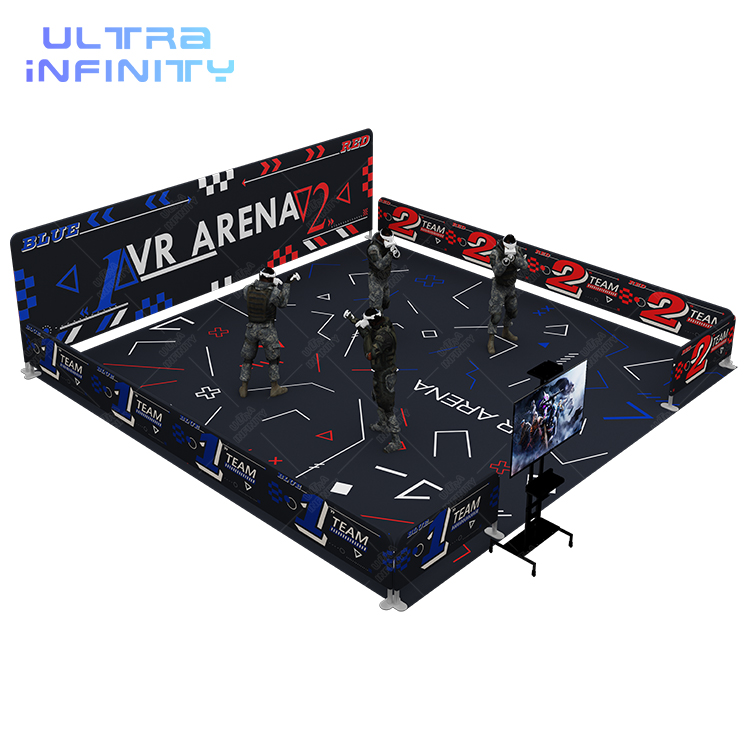
The replacement cycle varies by format because the formats use the headsets differently. The free-roaming arena runs the highest wear: the headsets move with the walking players, the players reach and duck and bump, and the arena session rate of four to eight players per cycle puts the headsets through the full range of motion every session. The arena headsets land in the 12-18 month cycle at the high-session venues, and the arena operator carries the largest spare pool on the floor.
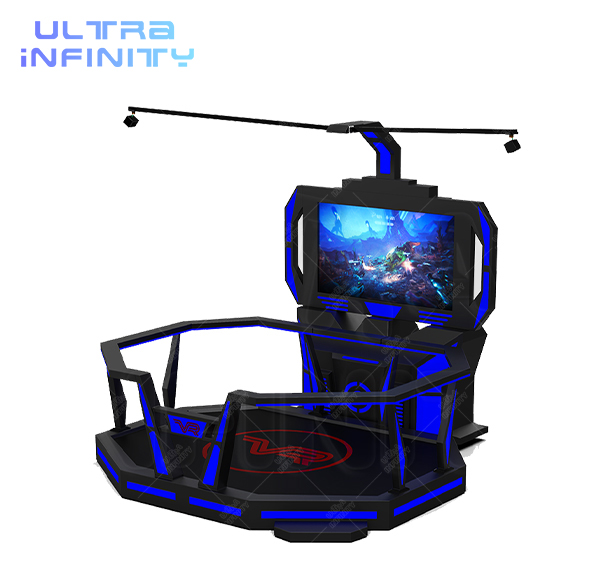
The standing platform runs a moderate cycle: the players move within the station, the reach is contained and the headset sees less impact, so the standing format extends the cycle toward the 18-24 month band with the proper care. The motion chair runs the lightest wear: the rider stays seated, the headset moves with the chair but not with the rider's body, and the seated format pushes the cycle toward the 24-month mark, though the foam still needs the scheduled replacement for the hygiene.
The cycle table gives the operator the fleet math: the arena formats need the 12-18 month replacement and the largest spare pool, the standing formats run the mid band and the seated formats run the longest. The operator who matches the replacement cycle to the format budget is the operator who never runs a session short, and the cycle table is the first page of the fleet plan.
The maintenance routine is the cheapest extension of the headset cycle, and the routine runs on four passes. The daily pass cleans the lenses and the foam, checks the straps and docks the headsets in the charging position, and the daily pass removes the grit that scratches and the sweat that corrodes. The weekly pass inspects the cables and the connectors, tests the tracking and replaces the worn foam, and the weekly pass catches the degradation before the weekend peak.
The monthly pass runs the deep inspection: the display brightness, the battery health, the internal mounts and the firmware, and the monthly pass flags the units that are approaching the end of the cycle so the replacement is planned instead of emergency. The quarterly pass rotates the fleet: the highest-use headsets swap with the spares, the used units get the deeper service and the wear spreads evenly across the pool, and the spread is the difference between the fleet that fails one unit at a time and the fleet that fails the whole batch at once.
The maintenance also covers the storage: the headsets charge on the schedule, the batteries never run flat and the units are stored away from the heat and the sun. The maintenance rule: the daily, weekly, monthly and quarterly passes extend the cycle by thirty to fifty percent, and the extension is the cheapest operating saving the zone can make, because it cuts the biggest consumable line without cutting the sessions.
The buy versus replace decision is the moment the operator either plans the fleet or starts the scramble. The replace decision runs on the wear math: the headset that has passed its cycle and fails the inspection is replaced, because the repair of the worn-out unit costs more than the replacement and the repaired unit never matches the new performance. The buy decision runs on the format roadmap: the operator who is adding the arena or the standing platform buys the headsets with the machine, and the operator who is standardizing the fleet buys the same headset across the machines to pool the spares.
The upgrade decision is the third case: the new headset generation with the better resolution and the better tracking lifts the experience quality, and the operator who upgrades the headsets while the machines stay current gets the experience lift at the fraction of the machine replacement cost. The upgrade is the cheapest way to refresh the zone, because the customer experiences the headset, not the chassis, and the headset refresh reads as a new attraction.
The buy versus replace rule: replace on the wear math, buy on the roadmap and upgrade on the experience. The operator who runs the three decisions against the fleet data keeps the zone current without the capex panic, and the fleet data is the headset log that the operator maintains from the first unit.
The fleet budget turns the headset cycle into the annual line that the owner approves. The budget starts with the inventory: the headsets per machine, the spares per format and the total pool, and the inventory is the base of the whole plan. The budget then applies the cycle: the 12-18 month arena headsets, the mid-band standing units and the long-cycle seated units, and the annual replacement count falls out of the cycle table.
The budget adds the accessories line: the foams, the cables, the lenses and the cleaning supplies, and the accessories line is the recurring spend that the owner must see because it never stops. The budget also adds the spare pool: the 10-15 percent of the fleet held as spares keeps the zone running through the weekend without the session shortage, and the spare pool is the insurance that the operator either buys or pays for in the lost sessions.
The fleet budget rule: the inventory, the cycle, the accessories and the spares are the four lines of the headset plan, and the plan is approved once a year and reviewed quarterly against the actual wear data. The operator who budgets the fleet like the machines instead of like the consumables gets the capital approved when it is planned, and the planned capital is the difference between the zone that replaces the headsets on schedule and the zone that patches them until the peak-hour failure.
The headset budget belongs in the business plan from the first draft, because the first year is when the headset cycle is the most surprising. The opening plan budgets the headsets with the machines, the first replacement cycle lands in the 12-18 month window and the second-year plan carries the full replacement line. The operator who puts the line in the plan from the start presents the capital ask to the owner or the bank with the numbers, and the numbers are the headset log, the session count and the per-session cost.
The plan also carries the format roadmap: the arena that is added in year two brings its headset pool with it, the standing platform that is added in year three extends the fleet and the upgrade cycle refreshes the experience on the schedule. The roadmap turns the headset plan from the replacement cost into the investment plan, and the investment plan is the version the owner approves.
The closing rule: the headset is the most handled component in the zone, the per-session cost is the smallest number that decides the biggest line, and the operator who budgets the fleet from the first session runs the arena formats, the walking arena, the VR Space Plus standing experience and the shooting arena with the headsets that never run short.
The typical cycle is 12-18 months for the arena formats, 18-24 months for the standing platforms and up to 24 months for the seated formats, driven by the sessions, the impact and the care. The replacement is planned on the wear data, not the calendar alone.
The per-session wear cost lands in the 0.15 to 0.35 dollar range including the foam, the cables and the cleaning, before the headset replacement itself. A busy zone multiplying the sessions by the wear cost carries a real monthly operating line.
The foam, the cables and the lenses can be replaced as parts, which extends the cycle, but the headset that fails the deep inspection, the scratched coating, the degraded display or the failing tracking, should be replaced because the repair never matches the new performance.
The 10-15 percent spare pool keeps the zone running through the weekend: a ten-machine zone carries three to four spares across the formats. The spare pool is the insurance that the operator either buys or pays for in the lost sessions.
Yes, the customer experiences the headset, not the chassis, so the headset upgrade with the better resolution and tracking reads as a new attraction at the fraction of the machine replacement cost. The upgrade is the cheapest experience refresh in the zone.
Maintain the headset log: the purchase date, the session count, the maintenance passes and the inspection flags per unit. The log feeds the per-session cost math and the fleet budget, and the fleet budget is what gets the capital approved on schedule.
Get the headset lifecycle template, the per-session wear calculator and the fleet budget model for your zone. Send your machine list, your session counts and your format mix, and our team will return the replacement plan that keeps your rides running short-free.