Electrical design is usually handed to the contractor and forgotten until opening night. In an active entertainment venue the math is less forgiving than in a shop or an office: twelve VR simulators, four bowling lanes, an interactive LED floor, thirty dart and arcade cabinets and a kitchen all draw from the same service, and they peak at the same time on Saturday night. When the main breaker trips at 8:45 p.m., the venue does not lose one circuit; it loses the entire floor during the busiest hour of the week.
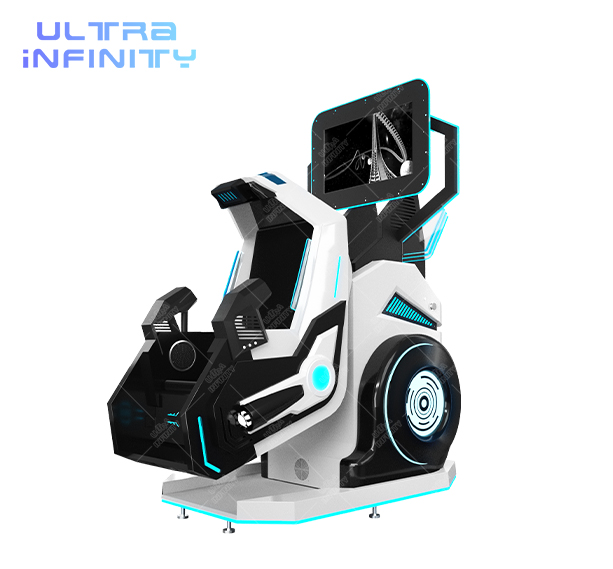
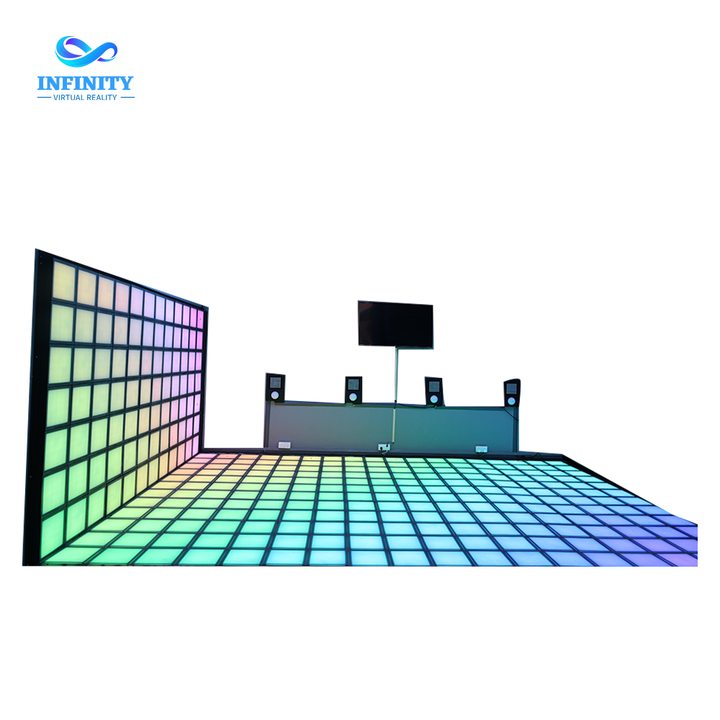
The decision comes down to the hardware on the floor. The VR arena anchors the layout, the LED dance floor drives the repeat visits and the electronic dart machine adds the premium layer, and each one is matched to the space and the budget this guide covers.
This guide sizes the electrical system for a representative 1,000m² venue built from NextPlay equipment zones. It walks through the zone-by-zone load schedule, explains the three-phase feed decision, models the annual power bill and the demand charges, and closes with a seven-step power plan you can hand to your electrical contractor before the lease is signed.
The headline numbers: the model venue carries about 140 kW of connected load, consumes roughly 263,000 kWh per year, needs a three-phase 380V service, and every circuit should run under an 80 percent continuous-load ceiling.
The table below is the master load schedule for the 1,000m² model venue. Connected load is the nameplate total of every device in the zone; running hours are the realistic daily operating window; the annual consumption figure uses a typical duty cycle rather than full-nameplate operation.
| Zone | Connected Load | Running Hours/Day | Annual Consumption |
|---|---|---|---|
| VR simulator zone (12 units) | 30 kW | 6 h | 64,800 kWh |
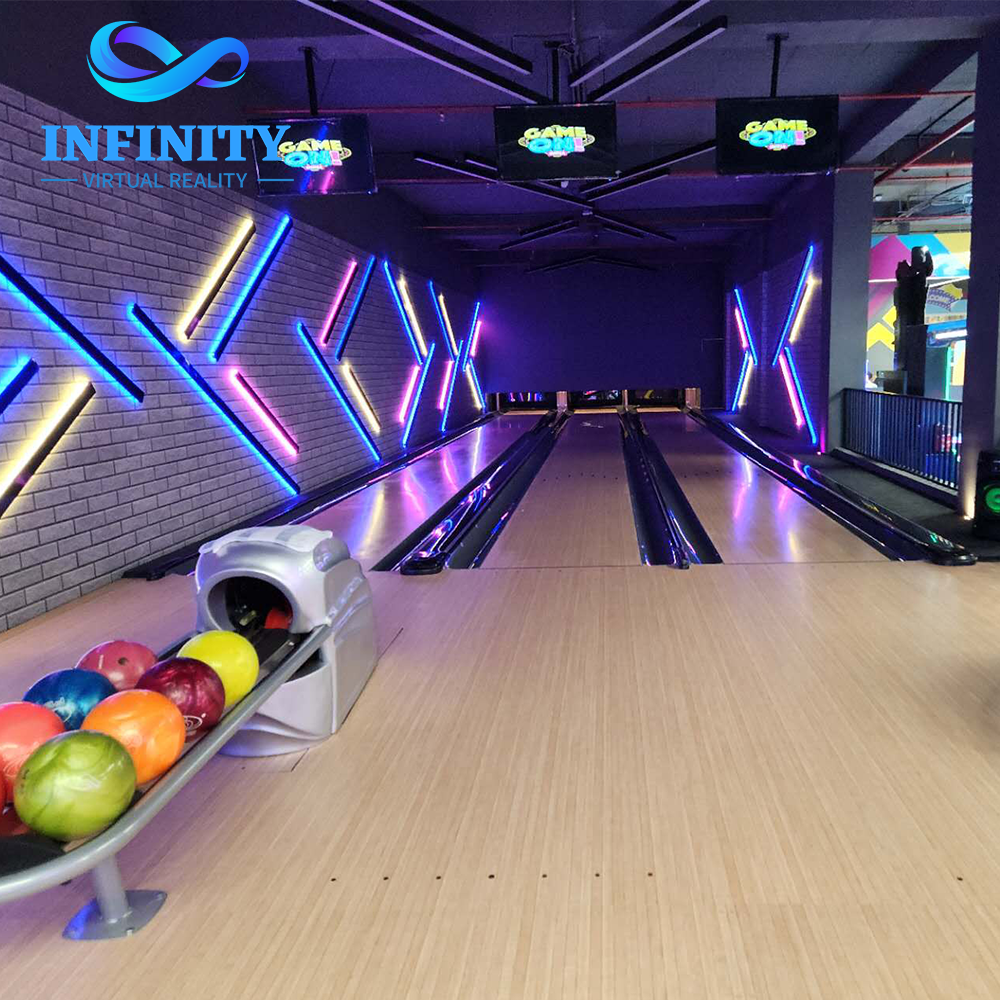
| Duckpin bowling (4 lanes) | 16 kW | 8 h | 46,080 kWh |
| Interactive LED grid (40 m²) | 5.2 kW | 4 h | 7,488 kWh |
| Arcade and darts (28 cabinets) | 9.8 kW | 8 h | 28,224 kWh |
| HVAC and ventilation | 45 kW | 10 h | 64,800 kWh |
| Lighting and signage | 14 kW | 10 h | 30,240 kWh |
| Kitchen and beverage service | 20 kW | 6 h | 21,600 kWh |
| Total | 140 kW | - | 263,232 kWh |
Three observations matter before you call the utility. First, HVAC is the single largest line: 45 kW of connected load and about 65,000 kWh per year, more than any entertainment zone. Second, the VR zone is the densest: thirty kilowatts packed into a few hundred square meters, which is why it gets its own subpanel. Third, the LED grid looks small at 5.2 kW but draws hard on one circuit, so it needs a dedicated feed rather than a shared branch.
A connected load of 140 kW does not mean the venue draws 140 kW constantly. The diversified peak, when every zone runs at high duty on a Saturday evening, lands near 118 kW. Feed sizing starts from the connected total, not the average.
The single decision that shapes the whole installation is the service type. A single-phase 220V service works for a small lounge with a dart machine and two arcade cabinets. At 140 kW of connected load it is not an option: the current on each leg would exceed the capacity of any practical cable, and the breaker panel would need dozens of parallel circuits.
The model venue requests a three-phase 380V service with a main feed sized at 160 kW, about 15 percent headroom over connected load. Three-phase spreads the load across three legs, cuts the current per conductor by roughly a third, and is the standard industrial feed that entertainment equipment, HVAC packs and kitchen loads are designed for.
A single-phase service caps practical connected load around 15-20 kW. Every zone beyond that forces parallel circuits, undersized breakers and a panel that trips the instant the LED grid and the VR zone start together.
A three-phase 380V service carries 140 kW of connected load with clear per-zone subpanels, standard industrial breakers and room to add a zone later without re-feeding the building.
Confirm the local utility's three-phase availability and tariff before signing the lease. In many regions the application window is four to eight weeks, and the site survey, transformer sizing and meter placement must all be locked before fit-out starts.
Every zone in the load schedule maps to a product line with documented power requirements. The three systems below are the anchors of the model venue.
At a blended commercial rate of about 12 cents per kWh, including demand charges, the model venue spends roughly $31,600 per year on electricity, close to $2,640 a month. The line is not optional, but the way the service is sized decides whether it stays a fixed cost or becomes a recurring risk.
The asymmetry is the point. Sizing the feed once costs tens of thousands; re-feeding a live venue costs more than the original installation and cannot be done at peak hours. The cheapest electrical upgrade in the industry is the one installed during fit-out.
Hand this checklist to the electrical contractor and the utility contact together. Every step is a decision that cannot be reversed after opening.
The plan converts electrical design from a contractor's guess into a numbered contract item. When the contractor can price each step, the venue gets a predictable install and a service that survives its first peak weekend.
Roughly 0.14 kW of connected load per square meter for a mixed venue: the 1,000m² model carries about 140 kW including HVAC, lighting and kitchen.
At more than about 30-40 kW of connected load, yes. Three-phase 380V cuts per-conductor current by a third and is the standard feed for VR simulators, bowling lanes, HVAC packs and commercial kitchens.
Yes. A two-lane duckpin bar with a few cabinets stays under 15-20 kW and runs comfortably on a properly bonded single-phase service with dedicated circuits.
A circuit breaker rated at 20 A should carry no more than 16 A continuously. The 80 percent rule is the margin that stops nuisance trips during peak duty cycles.
Demand charges typically add $8-$15 per kW of monthly peak. A 118 kW peak at $12 per kW adds about $1,420 per month on top of energy consumption.
If subpanels were sized with spare slots and the main feed carries headroom, yes. That is exactly why the feed is sized at 160 kW for a 140 kW venue.
Every zone in an active entertainment venue is a machine that draws power at the exact hour guests are most excited. The venues that stay online on Saturday nights are not the ones with lucky breakers; they are the ones whose load schedule, feed size and breaker ceilings were decided before the first wall went up.
NextPlay supplies the equipment zones behind this load model: VR simulators, interactive LED floors, duckpin and full-size bowling, all documented with their power requirements so the electrical contractor can price the installation accurately. Contact NextPlay for the zone-by-zone equipment and power plan for your venue.
Ask NextPlay for the zone-by-zone equipment plan with power requirements: load schedule, feed sizing and a fit-out timeline that keeps opening night on schedule.