The boutique hotel question always starts the same way: the owner wants bowling, the architect says there is no room, and the conversation dies because everyone pictures a regulation alley. A standard 10-pin lane with the approach, the pinsetter pit and the back room runs about 26 meters, needs a deep machine pit and demands a 3.2 meter clear ceiling, which eliminates most hotel basements, former ballrooms and retail shells before the first drawing is made. The owner then walks away thinking bowling is a city-center fantasy, when the real problem is not bowling, it is the format.
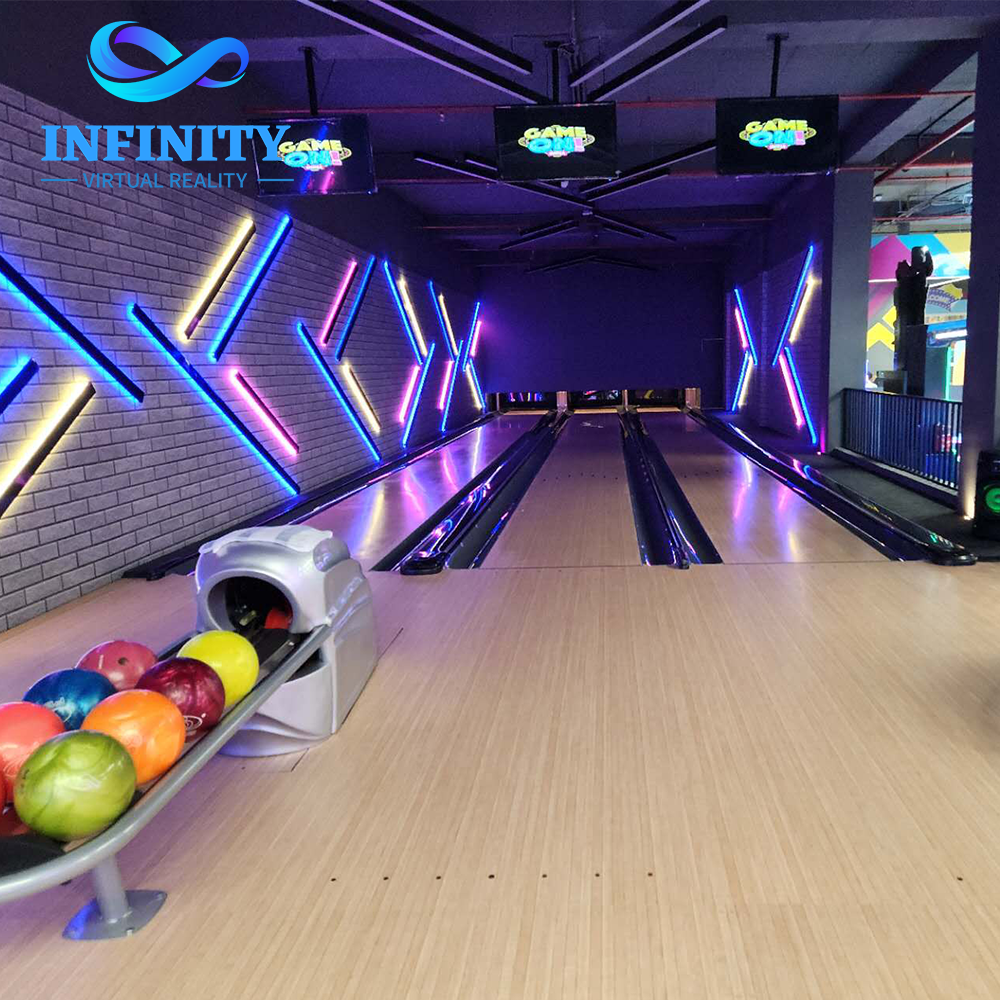
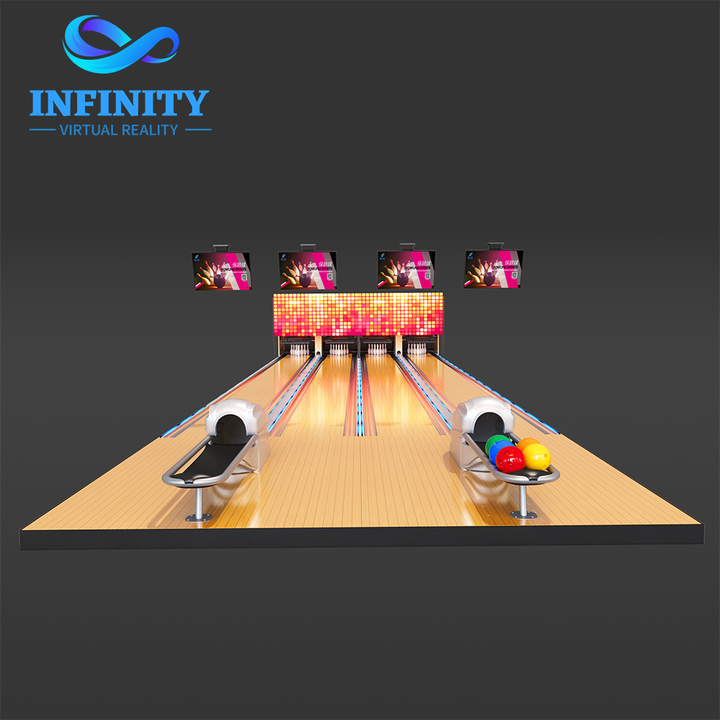
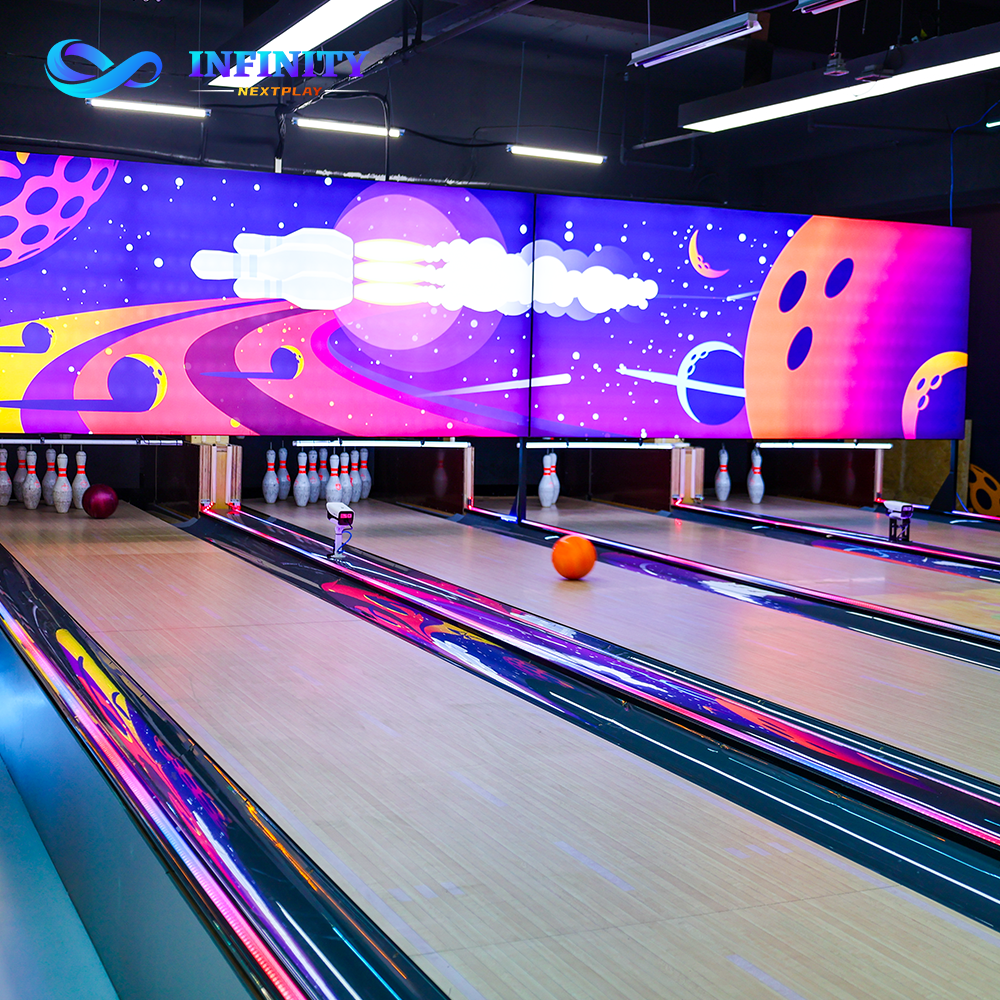
The decision comes down to the hardware on the floor. The duckpin bowling system anchors the layout, the 10-pin bowling alley drives the repeat visits and the string bowling equipment adds the premium layer, and each one is matched to the space and the budget this guide covers.
This guide answers the hotel question with the formats that actually fit. I have fit bowling into hotel basements in Dubai, repurposed conference rooms in London and rooftop decks in Miami, and the pattern is always the same: the duckpin lane at 14 meters total, the string pinsetter at 2.6-2.8 meters ceiling and the 2-lane module that drops into a 60-70 square meter footprint. The decision is not whether a boutique hotel can host bowling, it is which of the three formats matches the hotel''s space, its ceiling and its guest profile.
The numbers that matter up front: duckpin and string bowling run at roughly half the length of a 10-pin lane, the string pinsetter removes the deep pit and most of the mechanical maintenance, and two compact lanes return $120 to $160 per peak hour when priced like a premium hotel amenity rather than a bowling center. This article walks through the space math, the format comparison, the install requirements and the revenue model, so the hotel board can approve the project with real dimensions instead of a wish.
The space conversation changes the moment the hotel team sees real dimensions instead of the regulation lane they remember from childhood. A duckpin module is a 14 meter total run including the approach and the pin deck, compared to the 18.3 meters of the lane itself plus 4.5 meters of approach and the pit for a standard 10-pin game, and the difference of 8 to 10 meters is the difference between a hotel basement and a warehouse. The duckpin lane also uses smaller balls and pins, which shortens the approach, narrows the lane width and lets the designer wrap the pair in a lounge instead of a machine hall.
Ceiling height is the second filter, and it disqualifies more hotel projects than floor area. The standard 10-pin pinsetter needs roughly 3.2 meters of clear height above the pin deck, while the duckpin and string systems clear at 2.6 to 2.8 meters, which matches the finished ceiling height of most hotel basements, converted ballrooms and ground-floor retail spaces. I measure the ceiling at the pin end, not the lane end, because the pinsetter is the tallest component, and the measurement includes the light fixtures, the sprinkler heads and the suspended ceiling grid, not just the structural slab.
The third constraint is the floor, and here the hotel has an advantage most operators do not. The compact duckpin and string systems spread the ball impact across a laminated lane bed and a steel frame instead of a massive concrete pit, so the floor loading lands around 300 kilograms per square meter at the pinsetter support points, which standard hotel slabs handle without structural work. The acoustic package is more important than the concrete: the lane bed sits on isolation pads, the pinsetter housing is enclosed and the wall toward sleeping rooms gets a double-layer partition, and with that package a basement bowling lounge stays under 55 decibels at the guest floor above.
The usable floor area for the module comes out at 140 to 190 square meters for a 4-lane duckpin or string pair with the lounge seating, the shoe counter, the corridor behind the pinsetters and the storage room. A 2-lane starter module with a compact lounge fits 70 to 95 square meters, which is smaller than most hotel ballrooms, and that is the number the revenue model depends on.
The format decision is a three-way trade between authenticity, maintenance and footprint, and each hotel weights the three differently. The standard 10-pin lane owns the authenticity, the string system owns the maintenance story and the duckpin system owns the space story, and the table below compares them on the dimensions that decide a hotel project.
| Revenue line | Monthly contribution | Assumptions |
|---|---|---|
| Frame and per-hour play | $5,500-7,000 | 35-40 peak hours x $150-180 per hour |
| Event lane rental | $2,500-3,500 | Corporate and social lane hires, 6-8 events per month |
| F&B uplift in lounge | $4,000-5,500 | Guests order 45-60 minutes of drinks and food per visit |
| Room-rate conversion | $1,500-2,000 | Direct bookings credited to the amenity and event packages |
| Total monthly revenue | $13,500-18,000 | Two lanes plus the lounge, 1 FTE manager |
The string system deserves the remark most owners miss: it uses regulation 10-pin balls and pins, so the guest experience matches the bowling they grew up with, while the pins hang on strings above the deck and reset without the deep pit and the heavy mechanics. That combination is why string bowling is the most common pick for hotel projects with a 15-18 meter run and a 2.8 meter ceiling, and why the maintenance budget drops by roughly 75 percent against a classic free-fall pinsetter.
The duckpin system is the pick for the tightest footprints and the fastest pace: the smaller set shortens the lane, speeds the frame and creates the craft-bowling story that boutique hotels sell as a differentiator. The 10-pin lane remains the right call only when the hotel has a 26 meter shell, a 3.2 meter ceiling and a real entertainment venue behind it, which describes the resort case rather than the boutique case.
In practice the decision rule I hand to hotel teams is simple: under 15 meters of run, choose duckpin; between 15 and 18 meters with a 2.8 meter ceiling, choose string; above 22 meters with full height, consider the classic lane. The models below are the three systems the boutique hotel market actually installs.
The three systems share the scoring software, the wall board and the lounge integration, so a hotel that starts with two duckpin lanes can add a string pair later without changing the operations model. The format choice locks the footprint, but it does not lock the growth path.
The hotel installation lives or dies on the site checklist, because hotels are occupied buildings with guests, kitchens and night shifts, and the install window is measured in days, not weeks. The critical requirements split into four groups: the ceiling profile at the pin end, the acoustic envelope, the power feed and the delivery route. I run the checklist during the site walk and again before the container arrives, because the two visits catch different problems.
The checklist exists because hotels cannot afford the rework cycle of a mall venue. A mall operator closes early and fixes the slab; a hotel with a wedding booked upstairs cannot fix the slab on Saturday. The requirements are not heavy, they are just early: the ceiling, the acoustics and the delivery route decisions happen at the design stage, and the install then becomes an assembly job rather than a construction job.
The revenue model for hotel bowling is different from the bowling-center model, and the difference is why the format decision matters. A bowling center sells low-margin frames all day; a boutique hotel sells the lane as a premium amenity on top of the room rate, priced like a spa treatment or a private dining room rather than like a game. The lane becomes the reason the corporate group books the hotel, the wedding party stays for the second night and the local community drives 20 minutes for the league night.
The model below is the one I built for a 120-room boutique hotel in Dubai with two duckpin lanes in the basement lounge. The lanes run at 45 to 55 percent utilization across the week, peak at the evening and weekend windows, and combine the frame charges, the lane rental for events and the F&B uplift that the lounge captures while the guests wait and play.
The operating cost side is where the compact format earns its keep. The string and duckpin systems cut the pinsetter maintenance budget by up to 75 percent against a classic lane, the lounge runs with one manager and one attendant at peak, and total monthly operating cost lands around $3,500 to $4,500 including the maintenance reserve, the utilities and the staff hours. The net contribution of $9,000 to $14,000 a month typically pays back the $120,000 to $180,000 investment for a two-lane module with the lounge fit-out in 12 to 18 months, which is the payback the hotel board recognizes.
The honest caveat: the revenue holds when the hotel operates the lanes as an amenity venue, not as a leftover corner. The lanes need the host, the shoe service, the score-board wall and the reservation system, because the guest who books the lane before arrival is worth three times the guest who wanders in.
The ordering process for a hotel install follows a fixed path, and a well-prepared brief saves two rounds of drawings. The supplier needs the floor plan with the ceiling heights, the power availability, the delivery access and the guest-count targets, and the brief then comes back as a layout drawing, a bill of materials and an install schedule that the architect can coordinate.
The path is deliberately short because the hotel side of the project is about coordination, not invention. The supplier brings the engineering, the hotel brings the shell and the calendar, and when both arrive prepared, the lane opens on the date in the contract instead of the date in the delay report.
Yes. The duckpin format runs 14-15 m total with a 2.6-2.8 m ceiling requirement, which fits most hotel basements, converted ballrooms and retail shells. A 2-lane module with a compact lounge needs roughly 70-95 m2 of usable floor.
Duckpin uses smaller balls and pins, runs the fastest frames and fits the tightest footprints. String bowling uses regulation 10-pin balls and pins with a string-mechanical reset, so the play feels familiar while the ceiling and maintenance stay at the compact level.
The acoustic package controls the guest impact: the lane bed sits on isolation pads, the pinsetter is enclosed and the party wall toward sleeping rooms is double-layered, which keeps the level at roughly 55 dB at the guest floor.
A two-lane duckpin or string module with the lounge fit-out, the acoustics and the scoring runs roughly $120,000 to $180,000, with a 12 to 18 month payback at 45-55 percent utilization.
The mechanical install completes in 2-4 weeks including the lane beds, the pinsetters, the scoring and the acoustic package, and the work is scheduled across the low-occupancy season.
Yes. The three formats share the scoring software and the lounge integration, so a hotel that starts with two duckpin lanes can add a string pair in the next phase without changing the operations model.
The boutique hotel answer is not whether bowling fits, it is which format fits, and the compact formats have turned the answer from impossible to routine. The duckpin lane fits a 14 meter basement run, the string system fits a 2.8 meter ceiling with regulation play, and both return $120 to $160 per peak hour as a premium amenity rather than a game. The footprint, the ceiling and the acoustics are known quantities, and the install is a scheduled assembly rather than a construction project.
The ordering path is short: send the shell survey, confirm the format, review the layout, approve the timeline and schedule the kickoff window. NextPlay ships the duckpin, string and 10-pin systems with the layout drawing, the install crew and the scoring setup, so the hotel board approves the project from a real dimension sheet and guests walk into a lounge that makes the booking email worth sending.
Send NextPlay your floor plan and ceiling profile for a free layout drawing, format recommendation and install schedule that matches your low-occupancy window.