Cashless is usually sold as a convenience story: guests stop fumbling for coins, queues move faster, the counter gets quieter. All of that is true, and all of it is the smaller half of the story. A prepaid wallet changes the revenue equation itself, because the guest who loads a balance at the start of the visit is a different economic actor from the guest who pays per play, and the difference shows up in the floor's core numbers: average spend, visit time and margin.
| Lever | What It Changes | The Measured Effect |
|---|---|---|
| Prepaid uplift | Average spend per visit | +20-30% vs cash |
| Breakage | Unplayed balance | 5-10% of load, pure margin |
| Speed of play | Rounds per guest hour | Faster counter, more play |
| Data layer | Membership conversion | Retention and re-targeting |
The core effect of a wallet is the prepaid uplift, and it shows up reliably across FECs, arcades and family entertainment venues. The mechanism is behavioral: a guest who pays five dollars per game makes a purchase decision at every game, and each decision is a chance to stop; a guest who loads thirty dollars at the door has already made the decision, and each game afterwards is drawn from a balance that feels spent already. The load converts the friction of each purchase into one decision at the start of the visit.
The numbers follow the psychology. Venues that switch to prepaid balances typically see average spend per guest rise between twenty and thirty percent within the first quarter, with the largest lift on the mid-spend guest who would have bought three games and left. The lift also extends the visit: loaded credit pulls the guest toward one more round.
| Guest Profile | Cash Average Spend | Wallet Average Spend |
|---|---|---|
| Casual guest | $6-10 per visit | $12-15 per visit |
| Mid-spend guest | $15-20 per visit | $22-28 per visit |
| Heavy player | $30-40 per visit | $35-45 per visit |
| Group or party | $40-60 per visit | $55-75 per visit |
Breakage is the balance that is loaded and never played: the last two dollars on a card that goes home in a pocket, the twenty cents that cannot buy a game, the credit abandoned when a guest moves cities. In a cash economy this money never exists, because the coin is either played or it is still in the pocket. In a wallet economy it exists on the ledger, and a predictable slice is never redeemed.
The industry range for breakage is typically five to ten percent of load value, and the rate is shaped by the design: low minimum loads and small residual balances push breakage up, while credit rollover, sharing and gifting push it down. The venue sets the policy, and the policy is a margin decision: a floor with high breakage is earning margin on play that never happens, at the cost of guest goodwill if the policy feels like a trap.
| Breakage Source | Typical Share | Policy Lever |
|---|---|---|
| Residual balance | 3-5% of load | Minimum load design |
| Abandoned cards | 2-4% of load | Rollover window |
| Expired credit | 0-2% of load | Expiry policy |
| Shared or gifted | Negative breakage | Gifting feature |
The third lever is the quietest and the most mechanical: transaction time. A cash transaction runs through a decision, a wallet, a coin count and change, which on a busy night can take forty-five seconds or more per guest. A prepaid wallet transaction is a tap, two seconds, and the difference does not just shorten the queue, it lengthens the night: less time at the counter means more time playing.
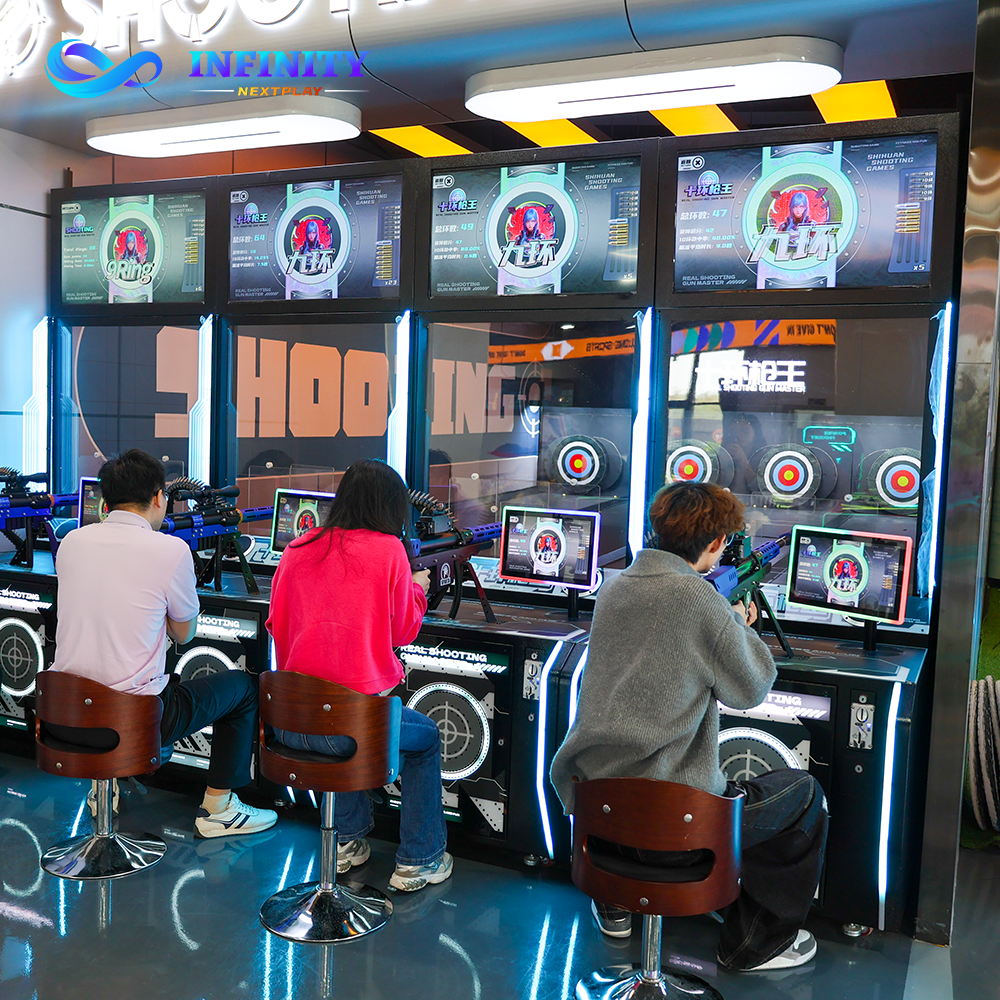
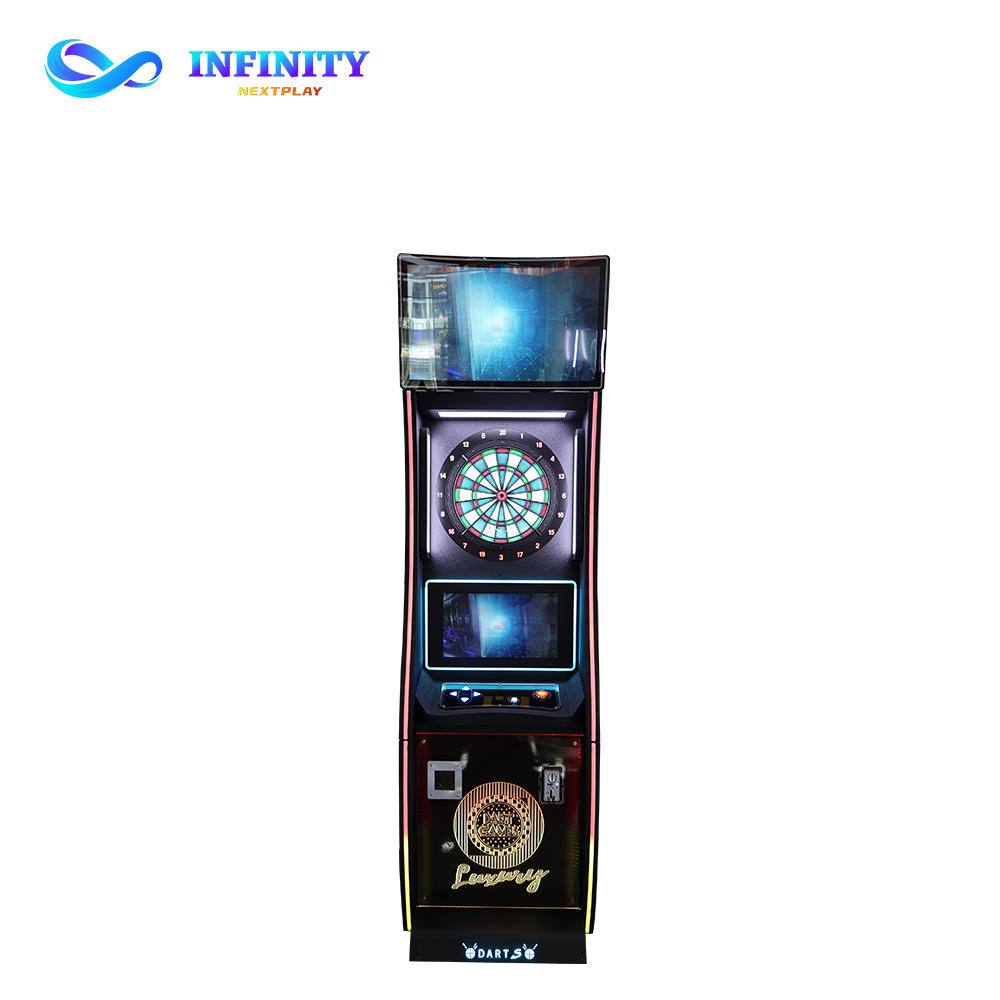
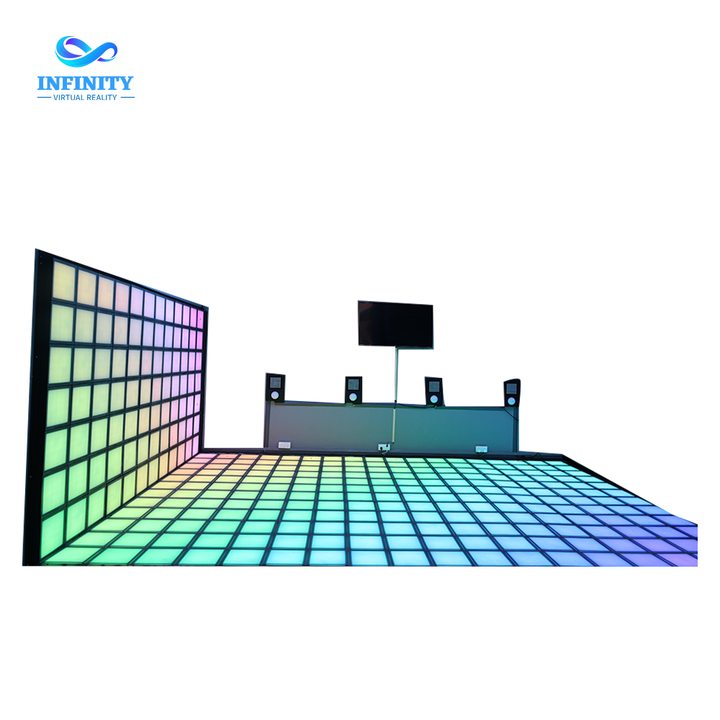
The per-guest effect compounds across the floor. A busy Friday that processes three hundred counter visits saves hours of queue time, and the saved minutes go back into play: on a floor with a Shooting Q4 leaderboard, a Online Electronic Dart Machine X7 league station and an Infinity Grid LED Dance Floor party zone, the guest who finishes a round re-loads from the balance and starts the next one without walking to the counter.
| Transaction Type | Time at Counter | Rounds Lost Per Visit |
|---|---|---|
| Cash purchase | 30-45 seconds | 1-2 rounds |
| Card reload | 15-25 seconds | 0-1 rounds |
| Wallet tap | 2-5 seconds | 0 rounds |
| Auto top-up | 0 seconds | 0 rounds |
The speed lever also changes staffing math: the counter that needed two cashiers on peak night can run one, or the same staff can run a second revenue line like redemption or party sales. The wallet does not just move money faster, it moves labor toward the parts of the floor that make money.
Cash is anonymous, and anonymity is the most expensive thing a floor sells: every cash transaction is a guest that arrives, plays and leaves without a trace, so the venue cannot know who its best guests are, reach them or bring them back. A wallet changes that: the account holds a name, a contact, a balance history and a play pattern, the raw material of membership and retention.
The wallet turns the visit into a profile: the guest who plays darts every Thursday, the family that buys the dance-floor party package every month, the shooter who chases the Q4 leaderboard every weekend. With the profile, the floor can target the message that actually applies, the league night invite to the dart player, the party special to the family, the new-challenge alert to the leaderboard chaser. The same marketing budget that bought generic posters now buys specific visits.
A wallet moves money through payment rails, and the rails charge: card fees, wallet platform fees and reconciliation costs that the cash economy never had. The honest math of going cashless includes the fee line, and the fee line is why load design matters: the floor that accepts five-dollar micro-payments pays a larger fee percentage than the floor that pulls a twenty-dollar load, because the fixed card fee spreads over a bigger transaction.
| Cost Line | Cash Economy | Wallet Economy |
|---|---|---|
| Transaction fees | Near zero | 2-4% of load |
| Cash handling | Counting, banking, loss | Near zero |
| Counter time | 45 s per guest | Seconds per guest |
| Float income | None | Interest on loaded balance |
The prepaid uplift does not happen by itself, it is designed through the load menu. The load tiers are the prices the guest sees before the first game, and they set the anchor for the whole visit: a menu that offers ten, twenty and fifty dollars frames the twenty as the normal choice, where the mid-spend guest lands. The bonus structure then rewards the anchor, ten percent extra on the twenty-dollar tier, fifteen on the fifty, making the bigger load feel like a deal instead of a demand.
The design rules are simple and proven. The tiers should ladder so each one is a clear step up. The bonus should be structured so the effective price per credit falls as the load rises, which is what makes the mid-spend guest trade up. And the floor should never offer a load below the price of a full session.
| Load Tier | Bonus | Effective Per Credit | Who It Serves |
|---|---|---|---|
| $10 | None | 1.0x | First-time guest |
| $20 | +10% credit | 1.10x | Mid-spend guest |
| $50 | +15% credit | 1.15x | Regular player |
| $100 | +20% credit | 1.20x | League and party |
The load menu should be reviewed like a price list, because it is one: the tiers that were right at launch drift as the guest base matures, and the wallet is the only machine on the floor whose pricing the venue can change without touching a single cabinet.
The rollout is where wallets fail, not in the software but in the transition: the floor that flips to cashless overnight loses the walk-in guest, and untrained staff makes every load a slow negotiation. The launch plan should be a glide path, not a switch.
Dual rails, a low entry load, a trained counter script and a launch bonus that converts the first wave of guests.
An overnight switch, a ten-dollar minimum that rejects the casual guest and a counter that cannot answer the balance questions.
The rollout ends when the cash drawer is a rounding error: the floor that runs both rails until the wallet is the natural choice has converted its guests by preference, and the preference survives. The machines that reward the switch, the Shooting Q4 leaderboard that only makes sense with an account, the Online Electronic Dart Machine X7 online league that needs an identity, and the Infinity Grid LED Dance Floor party bookings that live in the wallet calendar, are the features that make the cash habit feel like the old way.
The typical lift is twenty to thirty percent on average spend per guest within the first quarter, driven by the prepaid effect: the guest who loads a balance stops making a purchase decision at every game.
Breakage is the loaded balance that is never played, typically five to ten percent of load value. It books as pure margin, and the rate is shaped by the minimum load, the residual policy and the expiry rules.
Fees run about two to four percent of load, but they are offset by the float on loaded balances, the end of cash-handling cost and the larger load sizes that shrink the fee percentage per dollar.
Yes, for the first two to four weeks. A dual-rail glide path converts guests by preference, keeps the walk-in guest from being rejected and lets the cash habit fade naturally.
Ladder the tiers so each is a clear step up, offer the biggest bonus on the tier that serves the mid-spend guest and never offer a load below the price of a full session.
The data layer: the wallet turns anonymous guests into addressable accounts with play patterns, which is the raw material of membership, retention and targeted campaigns that compound across years.
The cashless wallet is the highest-margin machine on the floor, and it is not a game: the prepaid uplift raises average spend, the breakage books margin on balance that is never played, the speed of play lengthens the guest night and the data layer builds the membership engine that compounds across years. The floor that runs the wallet math ends with a spend curve the cash floor cannot reach.
The machines make the wallet make sense: the Shooting Q4 leaderboard that rewards the named shooter, the Online Electronic Dart Machine X7 online league that needs an identity, and the Infinity Grid LED Dance Floor party zone that lives in the wallet calendar. Contact NextPlay for the wallet-readiness kit and go cashless with the math, the tiers and the rollout already designed.
Ask NextPlay for the wallet-readiness kit: the card-ready machine list, the load-tier template and the migration plan that raises average spend without losing a guest at the counter.