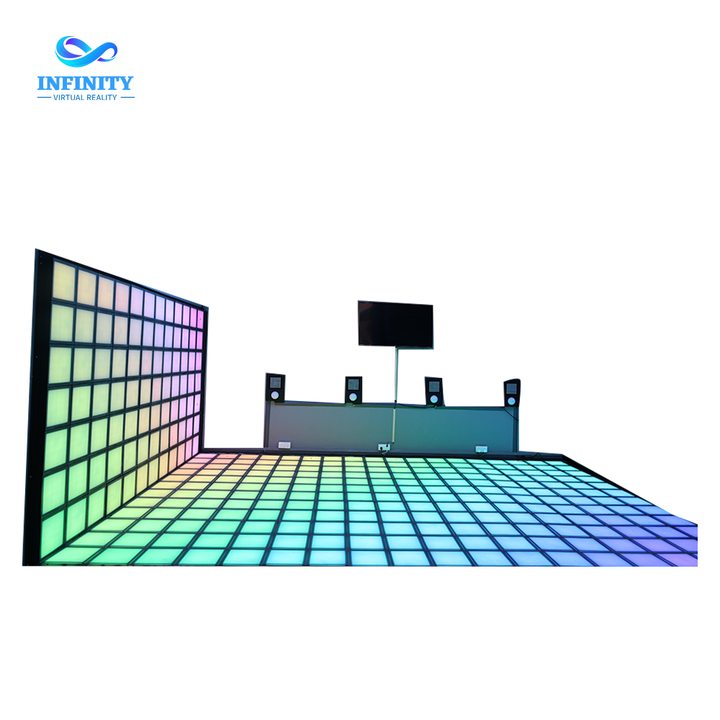
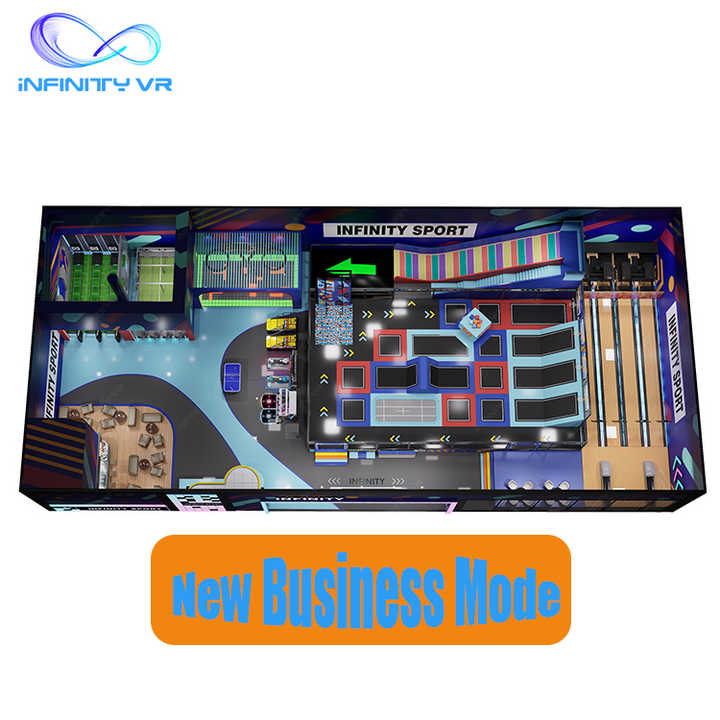
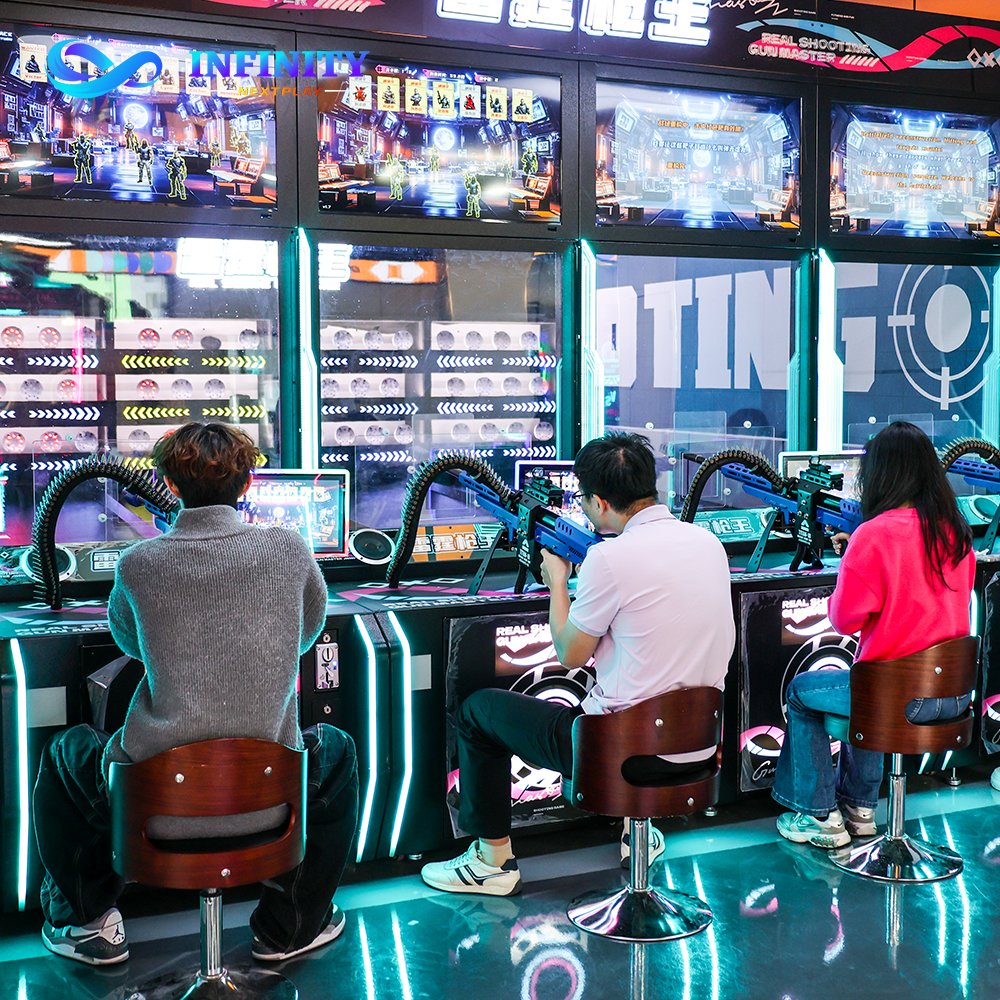
The challenge room dies a slow death when the games stay the same: the player masters the first game in weeks, the score stops moving and the visit stops happening, and the venue that once drew the weekend crowd starts drawing the empty room. The freshness is not a nice-to-have; it is the core asset of the challenge room, because the challenge product is the content, and the content that does not change stops being a challenge. The Infinity Grid LED Dance Floor, the Custom Interactive Sportainment Equipment and the Rubber Bullet Shooting Machine C4 all carry a game library, and the library is what the player comes back for.
The repeat-visit curve makes the case: the player returns for the first month while the game is new, the return rate drops in the second month as the mastery sets in and the third month without new content loses the player to the next venue. The software update is the counter that flattens the curve: the new game mode, the new level set and the new leaderboard season restart the novelty clock, and the venue that updates monthly keeps the player in the repeating cycle instead of the decay curve.
| The Freshness Curve | No Updates | Monthly Updates |
|---|---|---|
| Month 1 | New-game novelty | New-game novelty |
| Month 2 | Return rate drops | Return rate holds |
| Month 3 | Player churns | New mode restarts novelty |
| Month 6 | Empty challenge room | 3x repeat visit base |
| Hardware | Needs new machines | Same machines, new content |
The content model also changes the capex: the venue that treats freshness as a software problem buys the game library once and updates it forever, while the venue that treats freshness as a hardware problem buys the new machine every 18 months. The cloud update turns the challenge room from a depreciating asset into a renewable one.
The cloud update architecture has three layers that the venue sees as one button. The first layer is the game library: the LED floor and the sportainment units pull the game catalogue from the cloud, and the catalogue carries the classic games plus the new releases, so the venue picks the rotation from the full catalogue without touching the hardware. The second layer is the firmware: the update brings the performance fixes, the sensor calibrations and the new game modes to the unit itself, and the firmware update runs over the network during the closed hours.
The third layer is the leaderboard and the settings: the scores, the player profiles and the season standings live in the cloud, so the season reset and the new leaderboard are a configuration change, not a machine change. The three layers stack into one workflow: the operator opens the dashboard, selects the games for the coming month, schedules the firmware window and presses the update, and the units are ready at opening with the new content loaded.
| Update Layers | Layer | What Changes |
|---|---|---|
| Game library | New games from the cloud catalogue | Venue picks the rotation |
| Firmware | Performance, sensors, game modes | Runs in closed hours |
| Leaderboard | Scores, profiles, seasons | Config change, not hardware |
| Dashboard | One-click schedule and push | Operator control |
The architecture is what makes the 30-minute swap possible: the venue that used to swap the game by swapping the machine now swaps it by pressing update, and the swap happens at closing time so the play hours are never lost. The cloud model is the reason the challenge room stays fresh on a content budget instead of a hardware budget.
The updates work only on a rhythm, and the rhythm is the content calendar. The monthly drop is the anchor: the new game or the new mode lands on the first Tuesday of the month, the venue announces it with the social post and the leaderboard season, and the announcement itself is the marketing event that brings the lapsed player back. The calendar covers the full year in advance: the summer drops carry the family games, the autumn drops carry the competitive modes, and the holiday drops carry the seasonal themes that the regulars expect.
The season reset is the second beat of the rhythm: the leaderboard runs in 8-week seasons, the season ends with the finals and the prizes, and the new season opens with the standings cleared and the new games in the rotation. The reset creates the two moments the player needs, the moment to close the old season and the moment to start the new one, and both moments are a reason to visit. The venue that pairs the monthly drop with the season reset gets two freshness events every month.
| Content Calendar | Cadence | Player Effect |
|---|---|---|
| Monthly drop | 1st Tuesday | New game announcement |
| Season reset | Every 8 weeks | Finals + new standings |
| Holiday theme | Seasonal | Themed content |
| Firmware window | Monthly closed hours | Zero play-hour loss |
| Community vote | Quarterly | Players pick the next game |
The repeat-visit model runs on the return trip, not the first trip: the first visit pays the acquisition, the second and the third visits pay the rent, and the player who comes back after the new content drops is the revenue the venue can predict. The cloud update builds the repeat base in three steps: the monthly drop gives the lapsed player a reason to return, the season reset gives the active player a reason to stay and the leaderboard gives the competitive player a reason to come every week.
The 3x number comes from the comparison: the venue without the content program sees the average player visit 1.5 times a month and fade, while the venue with the monthly drops and the season resets sees the same player visit 4 to 5 times a month across the season. The threefold lift is not the same player coming three times as often in one week; it is the player staying in the repeating cycle for the whole season instead of churning after the first month.
| Repeat Math | Visits per Month | Result |
|---|---|---|
| No content program | 1.5 visits, then fade | Churn in month 3 |
| Monthly drop only | 2.5 visits | Holds the active base |
| Drop + season reset | 4-5 visits | 3x repeat base |
| Drop + reset + vote | 5+ visits | Community habit |
The economics multiply the margin: the returning player needs no new marketing, walks past the food counter and books the group session, so the repeat visit is worth two to three times the first visit in contribution. The content program is the cheapest growth engine the challenge room has, because it spends on the software and the calendar instead of the acquisition.
The renewal decision comes down to the 18-month math. The hardware route buys the new machine or the new floor every 18 months to bring the novelty, and the cost includes the machine price, the install, the staff retraining and the old machine write-off. The software route keeps the same hardware and buys the content, and the cost is the subscription or the per-drop fee plus the staff hour for the calendar. The comparison at the 18-month mark is the new machine price against the 18 months of content fees, and the content fees usually land at a fraction of the machine price.
The comparison is not only price; it is the risk. The new machine brings the novelty but also the install risk, the break-in period and the downtime; the software update brings the novelty with zero install, zero downtime and a swap that happens in the closed hours. The venue that runs the hybrid model gets the best of both: the software updates carry the freshness for the first two years and the hardware upgrade lands only when the underlying platform genuinely ages, not when the content goes stale.
| Renewal Options | Software Route | Hardware Route |
|---|---|---|
| Cost | Content fees, low | Machine + install, high |
| Downtime | Zero, closed-hour swap | Install window |
| Risk | Low, reversible | Break-in period |
| Novelty | Every monthly drop | At install only |
| Lifespan | Renews the same units | Depreciating asset |
Monthly at minimum, paired with the 8-week season reset. The monthly drop gives the lapsed player a reason to return and the season reset gives the active player a reason to stay, and together they keep the novelty clock running.
The firmware window runs in the closed hours, usually overnight, and the game library swap takes about 30 minutes at closing. The play hours are never lost, and the units are ready with the new content at the next opening.
The content subscription or the per-drop fee plus the staff hour for the calendar, which usually lands at a fraction of a new machine price over the same 18 months. The software renews the existing hardware instead of replacing it.
No, the catalogue keeps the classic games alongside the new releases, and the venue picks the rotation from the full library. The community vote can retire the least-played games while the favorites stay.
Track the repeat-visit rate and the average visits per player per month: the venue with the content program should hold or lift the visits across the season, and the rate below the target for two months is the signal to change the drop or the season format.
Only when the underlying platform genuinely ages, which for a well-built LED floor is measured in years, not months. The software route carries the freshness for the first two years, and the hardware budget stays in the bank until the platform, not the content, needs it.
The challenge room stays fresh when the content stays new, and the software update is the tool that keeps it new without the hardware cycle. The cloud architecture delivers the library, the firmware and the leaderboard in one workflow, the calendar gives the monthly drop and the season reset a rhythm, and the repeat-visit economics turn the returning player into the predictable revenue base.
The Infinity Grid LED Dance Floor carries the cloud game library, the Custom Interactive Sportainment Equipment runs the multi-game rotation and the Rubber Bullet Shooting Machine C4 updates its modes over the network. The next step is the kit: ask NextPlay for the content freshness kit, the cloud update workflow, the monthly content calendar and the repeat-visit playbook for your venue.
Ask NextPlay for the content freshness kit: the cloud update workflow, the monthly content calendar and the repeat-visit playbook for the Infinity Grid LED Dance Floor, the Custom Interactive Sportainment Equipment and the Rubber Bullet Shooting Machine C4.