Single-category entertainment venues, such as traditional standalone video arcades or plain pool halls, face a fundamental commercial limitation: low visitor dwell time. When guests visit a single-attraction space, average visit duration rarely exceeds 45 to 60 minutes, capping per-person spending at $8.00 to $12.00. Investors looking to maximize commercial returns frequently ask the headline question: why are multi-attraction venues more profitable? The answer lies in the dwell time multiplier and cross-attraction spending mechanics.
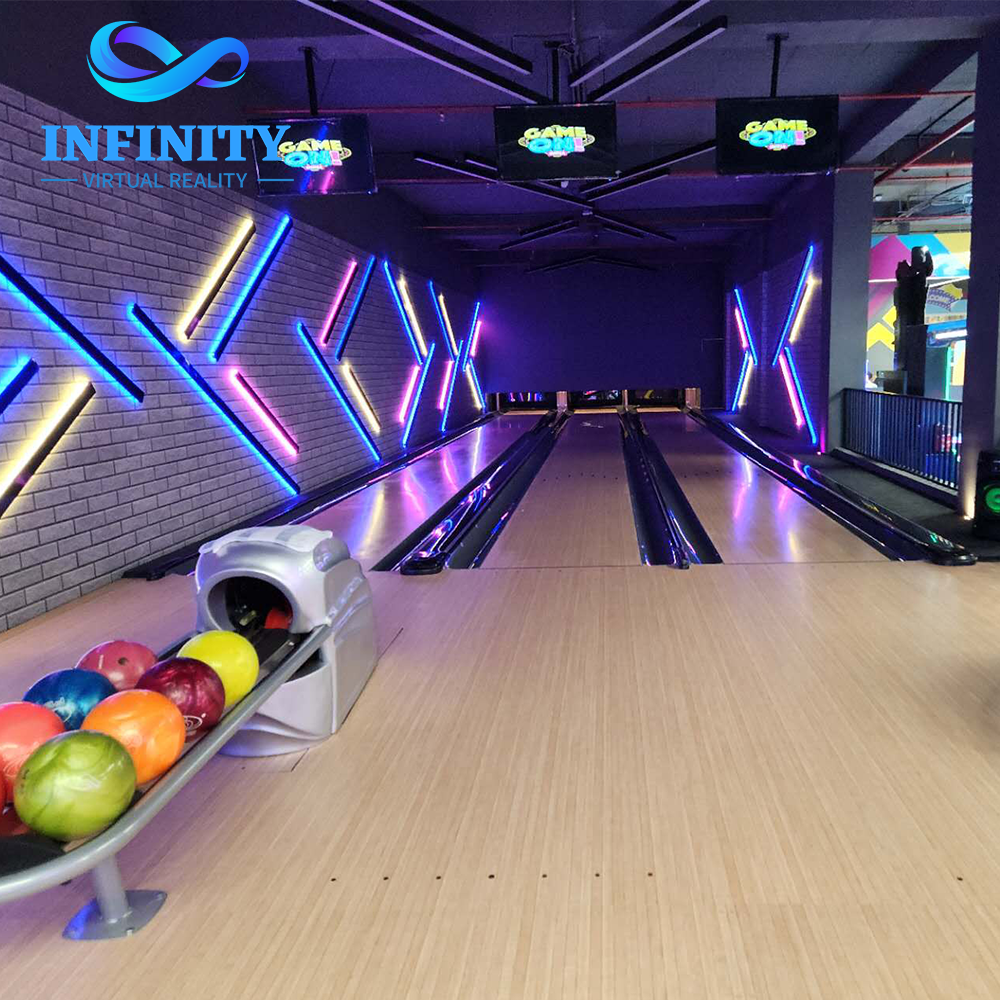
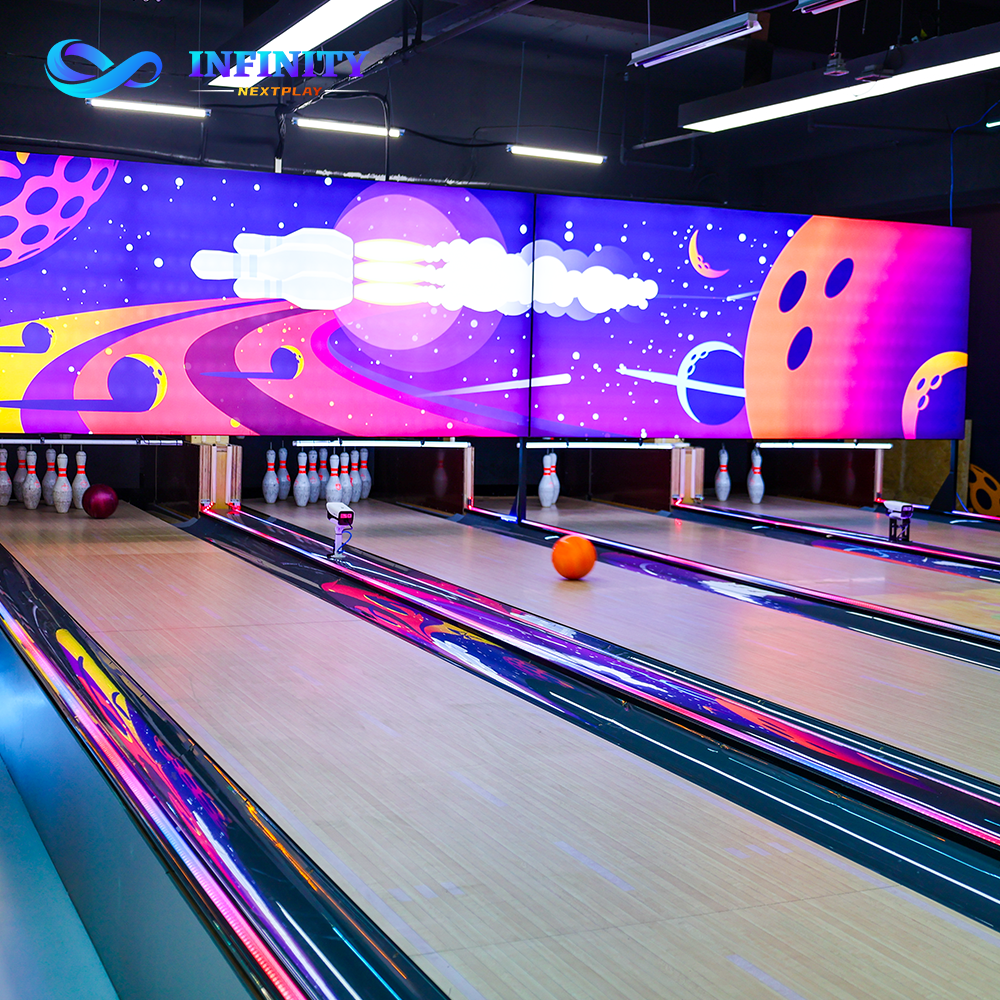
A multi-attraction venue combines a primary anchor with secondary social and active gaming zones. Combining an anchor like Duckpin Bowling or full-scale 10-Pin Bowling with secondary social attractions extends guest stay from 45 minutes to over 2.5 hours. During this extended stay, per-visitor spend increases from $10.00 to over $28.50, driven by continuous gameplay and high-margin food and beverage consumption.
Furthermore, multi-attraction venues appeal across broader demographics. While pure video arcades attract predominantly younger gamers, a venue pairing String Bowling with competitive social games caters to corporate team-building events, family weekend outings, and adult evening social gatherings. This multi-demographic appeal keeps floor occupancy high throughout both weekday evenings and weekend peak hours.
This guide details the financial mechanics of multi-attraction floor plans, provides a side-by-side revenue comparison, and outlines a practical zoning blueprint for venue operators.
Floor yield measures revenue generated per square meter of commercial space. The table below compares operating metrics between a traditional single-attraction arcade and a modern multi-attraction active entertainment center.
| Operating Metric | Single-Attraction Arcade (600 m2) | Multi-Attraction Center (600 m2) | Commercial Impact Multiplier |
|---|---|---|---|
| Average Dwell Time per Visit | 45 - 60 Minutes | 120 - 180 Minutes | 2.5x Longer Stay |
| Average Spend per Visitor | $8.50 - $11.00 | $24.00 - $32.00 | 2.8x Higher Spend |
| Food & Beverage Capture Rate | 5% - 10% (Snacks only) | 35% - 50% (Full Bar / Dining) | 5x Higher F&B Revenue |
| Corporate & Birthday Bookings | 10% of total revenue | 35% - 45% of total revenue | 3.5x Event Revenue |
| Repeat Visit Rate (30 Days) | 15% - 20% | 40% - 55% | 2x Customer Retention |
| Monthly Floor Yield per m2 | $45 - $65 / m2 | $135 - $210 / m2 | 2.5x Floor Yield |
The comparison illustrates why investors choose multi-attraction floor plans. By anchoring the floor with bowling and complementing it with social games, total monthly revenue per square meter increases by over 150 percent.
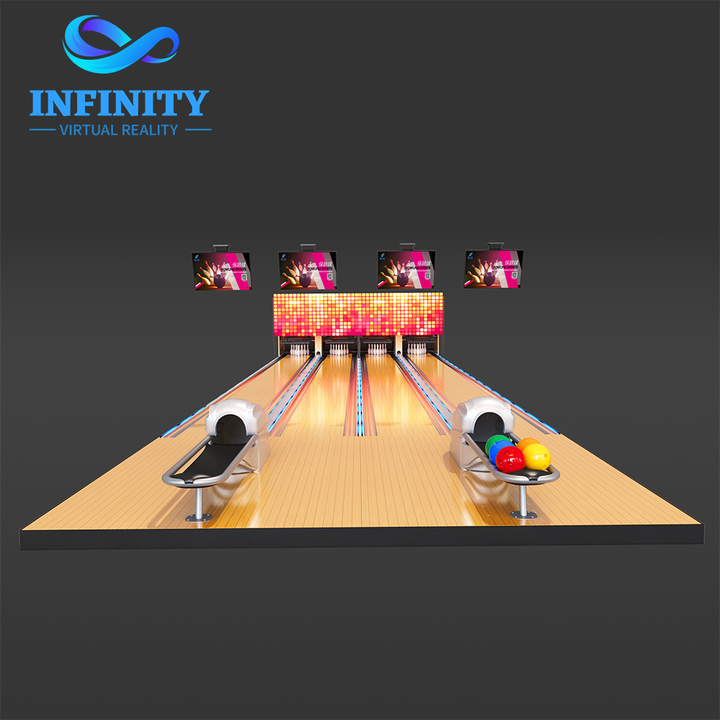
Synergy between attractions is essential for maximizing traffic flow. Featured below are NextPlay anchor attractions that form the foundation of high-yield multi-attraction venues.
To calculate the revenue advantage, consider a 800-square-meter multi-attraction venue combining 4 duckpin bowling lanes, competitive dart machines, a digital shooting simulator, and a central social lounge.
This financial model confirms that extending visitor dwell time through multi-attraction floor plans delivers industry-leading profit margins and rapid equipment CAPEX recovery.
Multi-attraction venues extend visitor dwell time from 45 minutes to over 2.5 hours, increasing average spend per visitor from $10.00 to over $28.50 through game play and food and beverage consumption.
Multi-attraction concepts operate successfully across 400 m2 boutique spaces up to 4,000 m2 sports complexes, with 800 m2 to 1,500 m2 representing the sweet spot for community centers.
Pairing a primary anchor (bowling or duckpin) with high-margin secondary social games (darts, shooting, VR) delivers the highest floor yield and repeat visit rate.
In well-designed multi-attraction venues, food and beverage sales account for 35 to 50 percent of total gross revenue due to extended guest dwell times.
Corporate groups seek venues offering diverse activities suitable for all skill levels; combining bowling, darts, and social lounges fulfills corporate team-building needs.
Yes. Replacing underperforming single arcade cabinets with compact duckpin bowling or VR arenas increases floor yield without expanding physical venue dimensions.
Most multi-attraction equipment packages achieve full capital payback within 5 to 8 months due to higher per-visitor spend and corporate event bookings.
Transitioning from a single-category arcade to a multi-attraction revenue model is the most effective way to increase venue profitability. By extending guest stay, boosting per-visitor spending, and driving corporate event bookings, multi-attraction floor plans maximize commercial return per square meter.
Evaluate your current floor space yield, analyze local demographic demand, and partner with NextPlay to engineer a high-performing multi-attraction floor layout. Contact NextPlay today to start your venue design.
Ask NextPlay for a multi-attraction zoning plan: floor space yield calculations, attraction pairing guides, and revenue projections for your floor area.