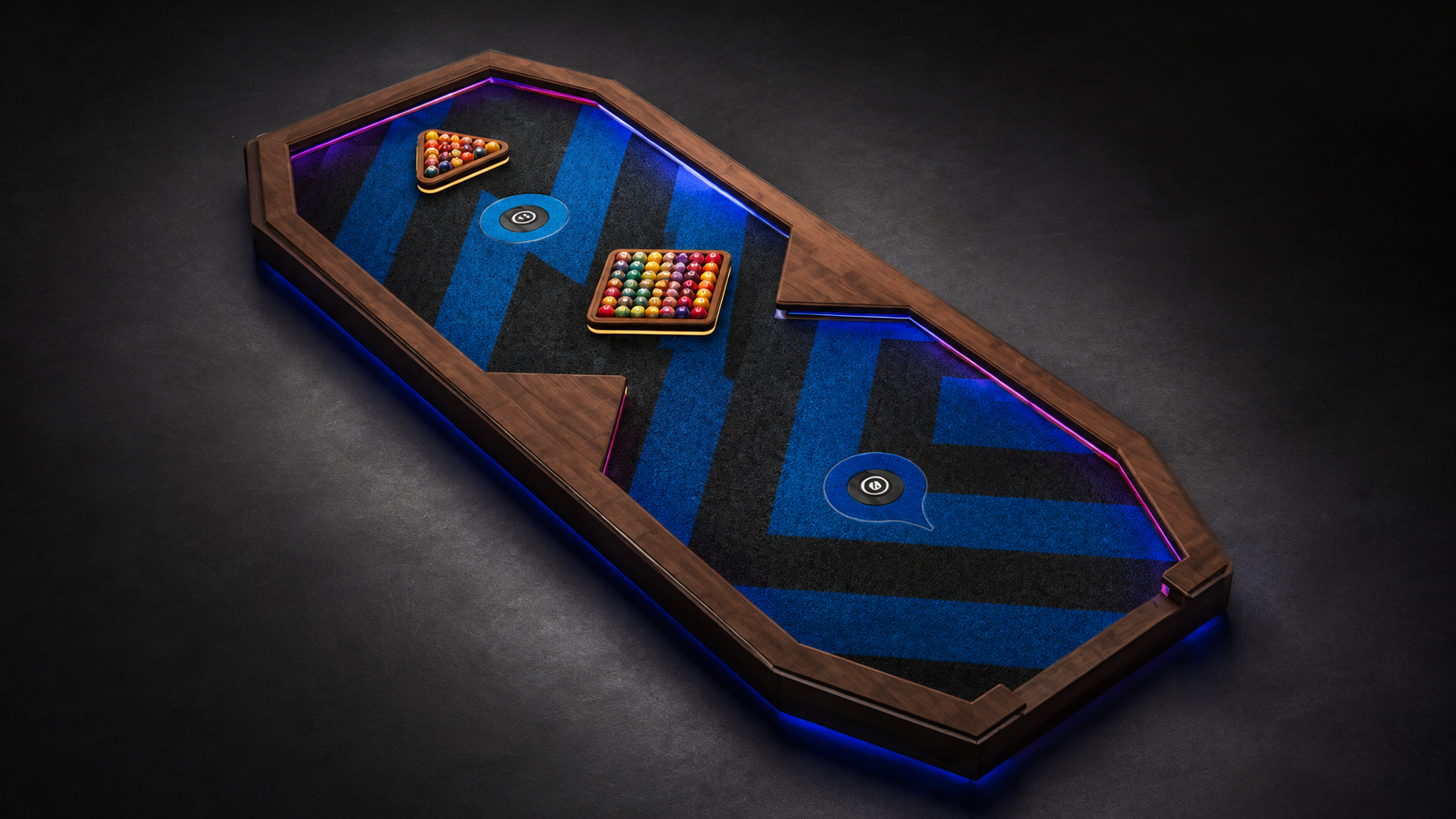
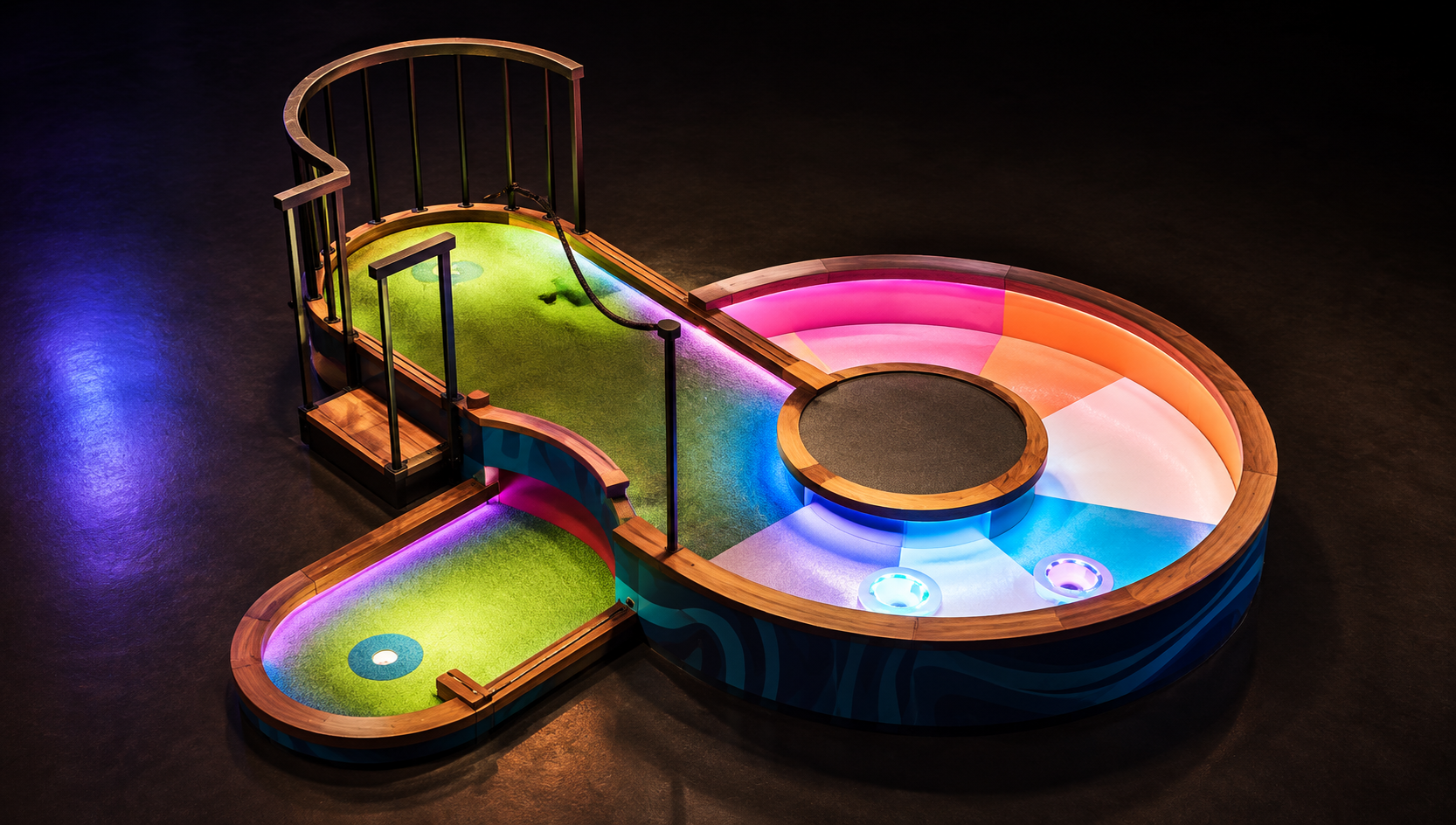
A mini golf hole is a machine that runs on sensors, and the machine wears in three places: the pin, the rails and the sensors. The pin is the part the players touch, the rails are the part the ball travels on, and the sensors are the part that scores. The weekly check covers the three in the order they wear, and the whole round takes about fifteen minutes a hole.
The reason the weekly check beats the monthly repair is that the sensors are the new wear part. A dirty sensor line misses a shot, a missed shot loses a player, and a lost player tells a friend. The fifteen-minute check catches the dirty line before the missed shot, and the catch is the whole value of the routine.
The routine fits one person and one hour because the checks are visual. The staff member walks the holes with a cloth and a notecard, and the notecard is the record that the venue can compare week to week. The maintenance does not need a technician; it needs a habit.
The first check is the pin, the part the players touch most and the part that wears first. The pin holds the ball stop, and the ball stop takes every shot that lands. The Rapid Strike hole is the hole where the pin matters most, because the shooting game ends at the ball stop and the stop has to catch every time.
The weekly pin check has three moves: wipe the pin and the ball stop, check the pin for wobble, and confirm the ball drops back to the return line. The wobble is the early sign, because a pin that rocks will wear the stop faster and start bouncing shots. The check takes two minutes and prevents the most common repair on the hole.
The pin check also covers the return. The ball has to come back to the player, and a pin that holds the ball is a pin that stops the round. The cloth and the two minutes keep the round moving, and the round that moves is the round that pays.
The second check is the rails and the ramp, the surface the ball travels on. The ball follows the rails, and a loose rail changes the line, a changed line changes the score, and a changed score changes the game. The Speed Wave hole is the hole where the rail check matters most, because the wave ramp runs the ball along a fixed path.
The weekly rail check has three moves: run a hand along each rail, clear the debris from the ball path, and check the ramp joints for movement. The hand catches the loose rail before the ball does, and the debris is the silent score killer, because a coin or a token on the path stops the ball that the sensor was waiting for.
The rail check is also the fastest win for the players. A clean ball path plays faster and scores truer, and the players notice the difference in the first putt. The five minutes on the rails is the check the venue feels immediately.
The third check is the sensors, the part that scores, and the part that fails without a sound. The sensor line reads the ball, and a dirty line or a misaligned sensor misses the shot. The Cyclone Spin hole is the hole where the sensor check matters most, because the spin changes how the ball enters the sensor line.
The weekly sensor check has three moves: wipe the sensor line, run a test ball, and confirm the score registers. The test ball is the honest check, because it exercises the same path the players use. The wipe takes a minute, the test ball takes a minute, and the missed shot is caught before the player sees it.
The sensor check is the calibration guard. When the test ball registers correctly, the score threshold and the sensor delay stay as they are; when it does not, the calibration is the fix. The five-minute sensor test is the reason the hole keeps scoring true for a season.
| Item | Weekly Check | Time |
|---|---|---|
| Pin | Wipe, check for wobble, ball returns | 2 min |
| Rails and ramp | Hand-check rails, clear the ball path | 5 min |
| Sensors | Wipe the line, run a test ball | 5 min |
| Power and network | Control box lights, score reaches the system | 2 min |
| Bolts and base | No movement, no exposed cables | 3 min |
| Sign and play area | Sign readable, area clear of obstacles | 2 min |
The table is the part to keep on the wall, because the week is done when every row has a check. The one-hour routine covers the whole course, and the notecard with the times becomes the record the venue keeps.
The weekly check sits between the daily and the monthly, and the split protects the venue from both over-care and under-care. The daily check is a visual walk: the pin is standing, the path is clear, the sign is up. The weekly check is the fifteen-minute round this article covers. The monthly check is the deep service: the calibration review, the bolt re-torque and the network check.
The split also protects the budget, because the daily check costs nothing, the weekly check costs one hour, and the monthly check is the only one that may need a technician. The venue that keeps the split has a course that scores true without a surprise repair, and the surprise repair is what the weekly check is designed to prevent.
The record is the part that makes the split real. The notecard with the weekly times, signed each week, is the history that tells the venue when a hole started to wear. The record turns the routine into data, and the data is what the seasonal service plan uses.
About fifteen minutes per hole, which is one hour for a four-hole course. The checks are visual: wipe the pin, hand-check the rails, wipe the sensor line and run a test ball.
The player does not get the score and the game feels broken. The weekly test ball catches the dirty line or misalignment before the player sees it, and the calibration fixes the score threshold and the sensor delay.
Once a week as part of the routine, plus a wipe when it looks sticky. The pin and the ball stop take every shot, and the cloth keeps the ball return working.
Yes. The weekly routine is designed for one person and one hour, because the checks are visual and the record is a notecard. The monthly deep service is the only step that may need a technician.
A cloth, a test ball and a notecard with the checklist. No tools beyond that; the checks are visual and the sensor test is the honest verification.
When the monthly deep service shows a score problem that calibration does not fix, or when a bolt or a sensor needs a part. The weekly record tells the venue when the hole started to wear, which makes the service call precise.
Send NextPlay the list of holes you run and the hours you have for upkeep, and we will map a weekly, monthly and seasonal service plan hole by hole, including the sensor test that catches problems before they cost a score. The plan is free and takes one list of your holes.