A bowling lane does not sell square meters; it sells slots. A 4-lane duckpin setup can look small next to an 8- or 10-lane hall, but per-lane turnover decides revenue. A duckpin round lasts 10 to 12 minutes with a group of four, against 18 to 20 minutes for a standard tenpin game.
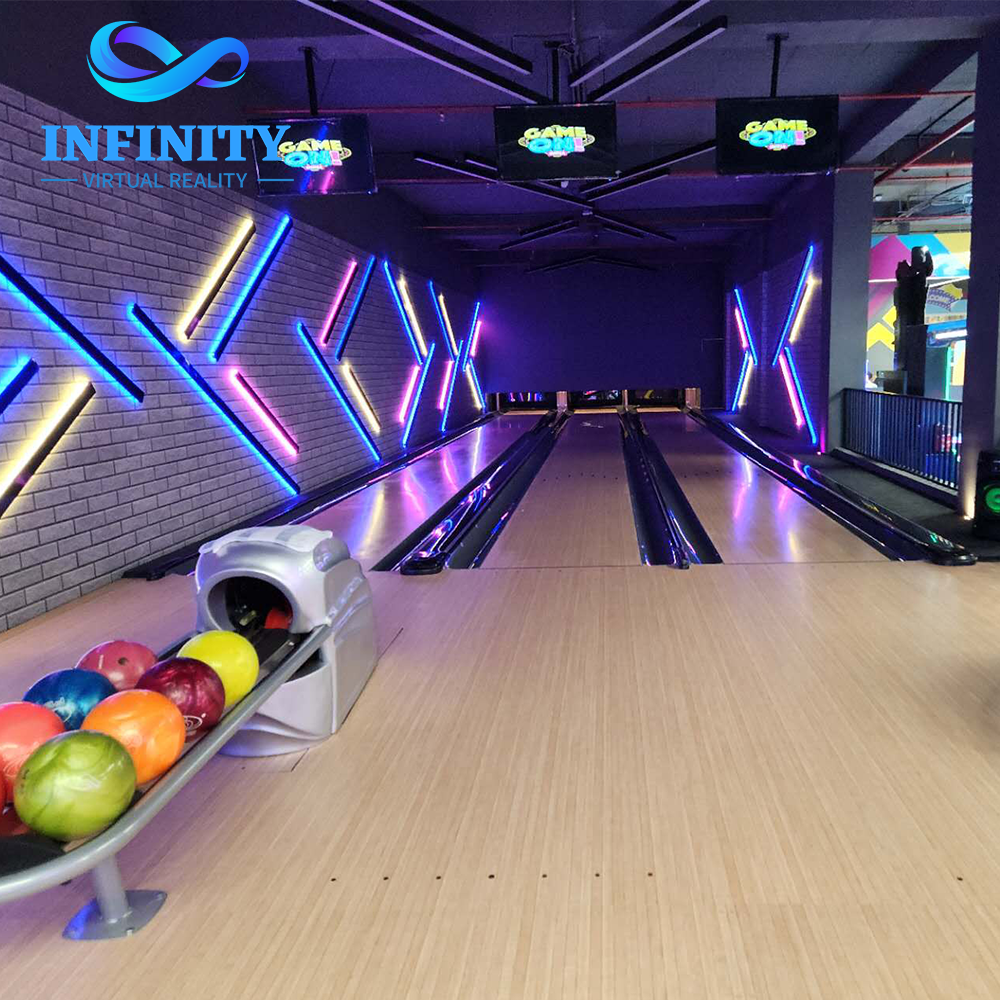
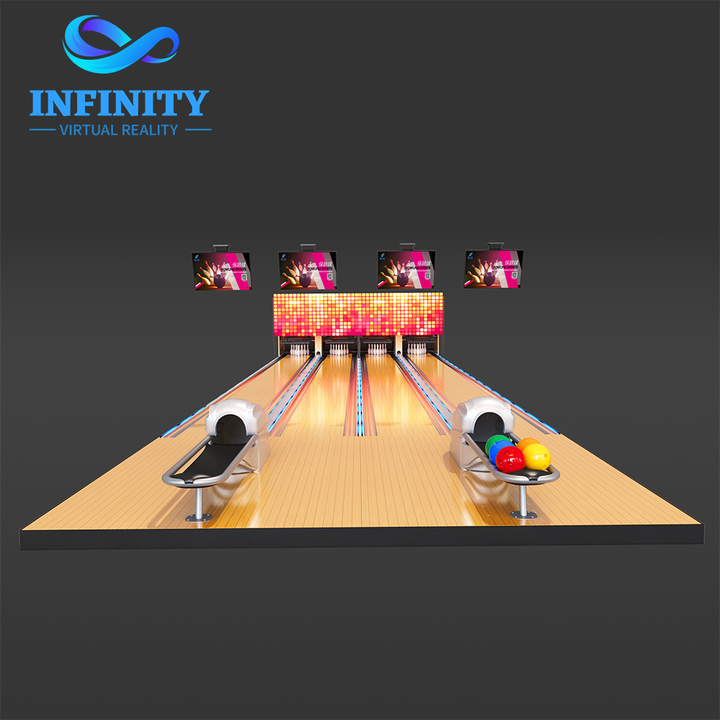
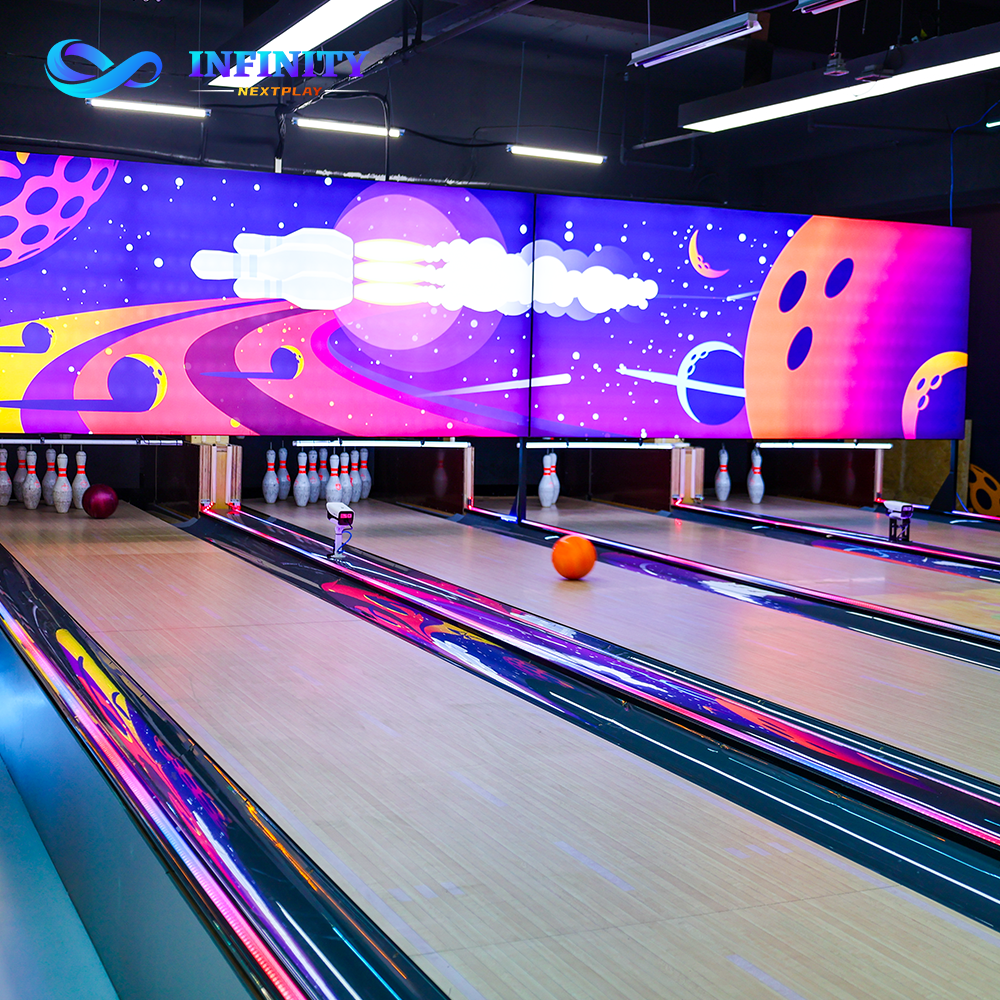
The decision comes down to the hardware on the floor. The duckpin bowling system anchors the layout, the 10-pin bowling alley drives the repeat visits and the string bowling equipment adds the premium layer, and each one is matched to the space and the budget this guide covers.
The difference compounds across the day. A well-run duckpin lane produces 8 to 10 games per hour, which means a 4-lane setup can serve 32 to 40 groups per hour at peak, and between 180 and 220 slots on a full Saturday with two shifts.
This guide breaks down the turnover math: how many groups play per shift, how per-hour throughput is calculated, which slot model operators use on weekends, and the operating plan that keeps lanes full instead of empty between games.
The headline numbers: each [duckpin bowling](https://infinitynextplay.com/products/duckpin-bowling-system-for-full-venue-solution-space-saving-design-easy-installation-ideal-for-bars,-hotels-and-boutique-venues) lane processes 8-10 games per hour, an average group of four completes its round in 10-12 minutes, and a Saturday with two shifts can reach 180-220 slots when booking flow is synchronized with game pace.
A lane''s throughput is calculated from three numbers: the average game duration, the transition time between groups, and the loss factor when a lane sits empty. The formula is simple: 60 minutes divided by the sum of game plus transition, and the result is the number of groups per lane per hour.
A duckpin game with automatic scoring lasts between 8 and 12 minutes depending on player skill. The transition, with automatic ball return and scoring, drops to 1-2 minutes because there is no manual pin reset. The practical result is a 10-12 minute cycle per group, giving 5 to 6 groups per lane per hour in casual operation.
With scheduled bookings and a host managing rotation, the cycle drops to a 7-8 minute average: 8 to 10 groups per lane per hour. That is the gap between a lane that runs on inertia and a lane that operates like a slot machine.
For a 4-lane setup the difference is huge. At 5 groups per lane per hour, the four lanes serve 20 groups per hour; at 8, they serve 32. Across a 12-hour Saturday with two shifts, the gap is 140 to 240 total groups.
Groups arrive whenever they want, lanes empty out between games, and an average Saturday processes 120-140 slots with many empty-lane hours mid-afternoon. Occupancy depends on arrival peaks, not on scheduling.
A host manages 60-75 minute booking blocks, back-fills gaps with waiting-list players, and an average Saturday processes 180-220 slots with lanes occupied over 85% of the time. Occupancy is planned hour by hour.
The difference between the two models is not game speed; it is gap management. A lane sitting empty for 15 minutes loses 1-2 slots that can never be recovered. A host who back-fills those gaps with short waits converts dead time into billing.
Turnover depends on three systems: the duckpin lane with automatic scoring, the compact configuration for small venues, and the standard tenpin lane for facilities that want both experiences. The three products below are the pillars of a high-turnover floor.
The table below models a full Saturday on a 4-lane duckpin setup, with two six-hour shifts and an average occupancy of 80 percent. Prices are indicative for a mid-size urban market.
| Time Block | Slots Per Lane | Total Slots | Estimated Revenue |
|---|---|---|---|
| Morning (10:00-13:00) | 18 | 72 | $1,080 (families and kids) |
| Midday (13:00-16:00) | 16 | 64 | $960 (food and bookings) |
| Afternoon (16:00-19:00) | 15 | 60 | $1,020 (groups and birthdays) |
| Evening (19:00-22:00) | 20 | 80 | $1,920 (adults and leagues) |
| Late night (22:00-01:00) | 14 | 56 | $1,680 (late-night rate) |
| Saturday total | 83 | 332 | $6,660 (before food and bar) |
The most profitable block is the evening: rates rise, groups are adults, and every slot pairs with two or three bar rounds. The morning block, by contrast, fills lanes at low rates but attracts families who order food.
The key number in the table is not revenue per slot but the 332 slots of the Saturday. Each slot is a booked group of four already inside the venue. At an average $12 per person in bar and food, ancillary revenue passes $15,000 on a single Saturday.
Operators who reach 90-100 slots per lane on a Saturday follow a management sequence that converts lane time into predictable billing.
The plan works because it treats the lane as a resource with limited capacity and variable price. The same lane that produces 8 groups per hour in the evening can produce 12 with promotional rates in the afternoon, and the host decides which option pays in each block.
In casual operation, 5-6 groups per hour on a 10-12 minute game cycle. With scheduled bookings and gap management, 8-10 groups per lane per hour.
Between 10 and 12 minutes with automatic scoring and ball return. A group of two plays faster, around 7-9 minutes.
Between 180 and 220 slots with two shifts and 85% occupancy, against 120-140 slots in casual operation. The difference is gap management.
No. The NextPlay duckpin system includes an automatic pinsetter and integrated scoring; a lane host manages rotation without manual intervention.
Yes. Many operators use duckpin as the fast, social experience and one or two tenpin lanes for tournaments and corporate groups on the same floor.
With an active waiting list and block bookings: the price holds, but the 10-15 minute gaps between groups are back-filled by waiters already inside the venue.
A duckpin lane that processes 8 games per hour is worth more than two lanes that process 3. Turnover is not an operating detail; it is the difference between a 4-lane setup that bills like a 6-lane and one that bills like a 3-lane.
NextPlay supplies duckpin lanes with automatic pinsetters, string bowling equipment and standard tenpin lanes, together with the slot plan and host training to keep lanes occupied over 85% of the time. Contact NextPlay for the turnover plan for your venue.
Ask NextPlay for the slot-based turnover plan, duckpin equipment and host training that turn every lane into a billing machine.