The insurance policy is the license that nobody talks about, because the operator buys the machines, signs the lease and opens the doors, and the policy is the paper that only matters on the day something happens. The VR zone carries a liability profile that the landlord, the mall and the insurer all price, and the operator who discovers the policy on the day of the first incident discovers it too late. The insurance is not a fixed cost to be minimized; it is the capital protection that decides whether the first incident ends the business or costs the deductible.
The coverage question is also the format question, because the formats carry very different risk. The seated rides, the cabinets and the free-roaming arena each present a different exposure, and the insurer prices the zone on the mix. The operator who understands the per-format risk buys the right coverage at the right premium, and the operator who treats the zone as one undifferentiated business either overpays or under-covers.
The insurance rule: the policy is priced on the format mix, the safety program and the claim history, and the operator who manages the three manages the premium. The insurance review is an annual appointment that protects the capital, and the appointment is as important as the equipment inspection that runs every morning.
The liability profile splits the zone into two risk families, and the split drives the premium. The cabinet formats, the shooting simulators, the gun platforms and the standing game machines, carry the lower risk: the player stands or sits at the machine, the motion is contained and the injury profile is the trip, the strain and the equipment fault. The cabinets are the baseline of the zone's insurance, and the premium for the cabinet family runs the standard commercial rate.
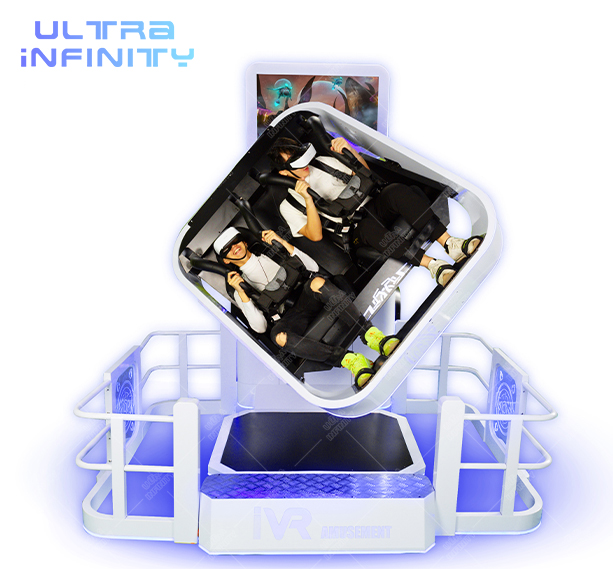
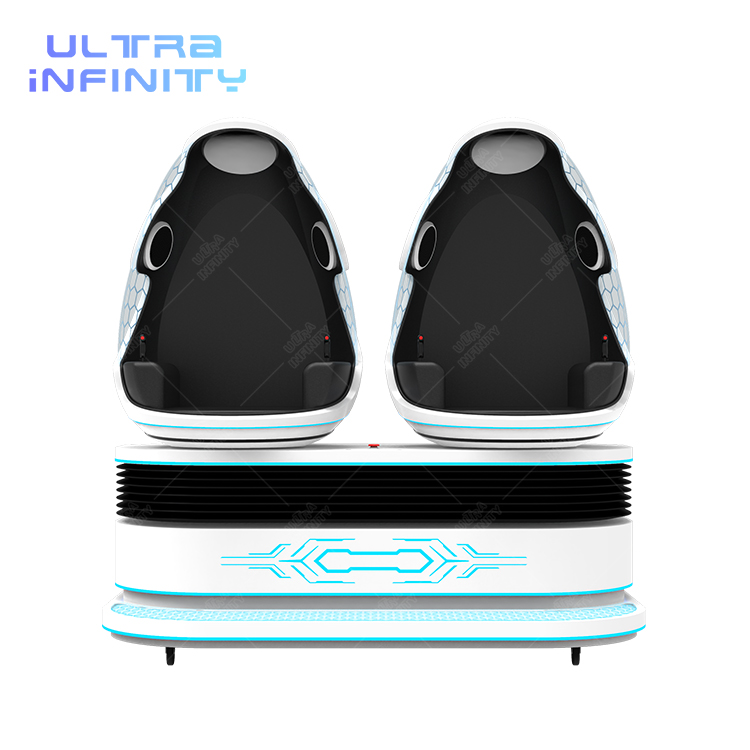
The motion rides carry the higher risk: the rotating chair swings the rider through the arc, the egg chair moves the rider in the enclosed seat and the motion itself can trigger the panic, the nausea and the exit attempt. The motion family carries the premium multiplier of two to five times the cabinet rate, because the injury profile includes the restraint failure, the motion-sickness event and the panic exit, and the multiplier is the number the operator sees in the quote.
The profile rule: the cabinets set the baseline and the motion rides set the multiplier, and the zone mix decides where the premium lands between the two. The operator who knows the split negotiates the rate with the numbers, and the numbers are the machine inventory priced by family, not the blanket quote that bundles everything into one price.
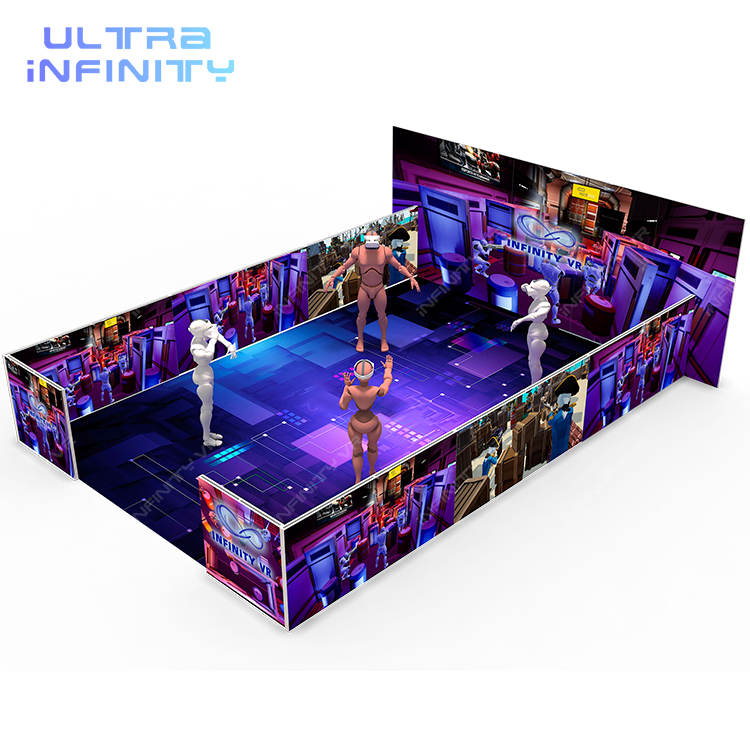
The free-roaming arena carries the unique exposure of the zone, because the players move through the space, collide with each other and with the environment, and the headset blocks the sight of the physical room. The arena risk is the collision: the two players reaching for the same target collide, the player backs into the wall, and the headset-wearing player cannot see the approach. The arena is the only format where the players move at speed in a shared space, and the shared space is the exposure that the cabinet zone does not have.
The arena also carries the supervision expectation: the operator runs the session with the attendant in the room or on the screen, the attendant manages the spacing and the session briefing sets the rules, and the insurer prices the arena on the supervision plan as much as the hardware. The arena that runs the staffed sessions with the briefing and the spacing protocol presents a lower risk than the arena that runs the sessions unattended, and the difference shows in the quote.
The arena rule: the collision exposure, the headset blindness and the supervision plan are the three factors of the arena risk, and the operator who manages the three manages the arena premium. The arena is the format that the insurer asks about first, and the operator who has the supervision story ready gets the coverage that the unprepared operator is quoted.
The policy stack for the VR zone runs in layers, and each layer covers a different part of the exposure. The general liability is the base layer: the bodily injury and the property damage for the guests, with the per-occurrence limit in the one to three million dollar range for the commercial venue. The product liability layer covers the equipment: the machine that fails and injures the rider, and the layer protects the operator when the claim points at the hardware.
The property layer covers the machines themselves: the fire, the water and the theft that take the arena or the chair out of service, and the property coverage carries the replacement value of the fleet. The business interruption layer covers the lost revenue when the incident closes the zone, and the layer is the one that operators skip and then regret, because the week without the arena revenue is the week the payroll still runs. The umbrella layer extends the limits above the base policy when the claim exceeds the primary coverage.
The stack rule: the general liability, the product liability, the property, the business interruption and the umbrella are the five layers, and the operator who builds the stack to the format mix carries the coverage that matches the exposure. The broker that knows the VR business builds the stack from the machine list, and the operator who brings the list gets the honest quote.
The claim history is the invisible driver of the premium, because the insurer prices the zone on what the industry claims look like. The VR and the motion ride category carries a claim history that the underwriter knows: the motion-sickness incidents, the panic exits, the restraint questions and the collision claims, and the history is priced into every quote before the operator says a word. The operator who knows the history negotiates the premium against the safety program that changes the picture.
The venue's own history matters as much as the industry's: the zone with the clean record earns the claims-free discount, and the zone with the incidents pays the surcharge for years. The operator who manages the incident reporting, the quick response and the documented safety program builds the record that the insurer rewards, and the record is the cheapest premium reduction in the business.
The history rule: the industry claims set the baseline and the venue's own record sets the rate, and the operator who builds the clean record and the documented program pays the rate that the risk deserves instead of the rate that the category averages. The claim history is the number the operator can actually change, and the change starts with the first documented incident.
The safety program is the operator's lever on the premium, because the insurer discounts the documented program. The program runs the daily inspection log, the staff training records and the incident procedure, and the documentation is what the underwriter reads as the proof of the managed risk. The zone with the binder of records presents the lower risk than the zone with the verbal assurance, and the binder is the difference in the quote.
The program also runs the guest-facing layer: the session briefing, the height and health restrictions posted at the entry and the rider rules explained before the motion ride. The briefing transfers the risk awareness to the guest, and the insurer prices the venue that briefs against the venue that does not. The restraint and the supervision protocol are the mechanical part of the program, and the two parts together are the safety system that the underwriting rewards.
The program rule: the inspections, the training, the briefings and the incident procedure are the four documents of the safety binder, and the binder is the premium lever. The operator who runs the program for the safety and files it for the insurance gets the double value, and the double value is the reason the best-run zones pay the lowest rates.
The staff layer is the human part of the risk transfer, and it runs on the training and the supervision. The operators are trained on the restraint checks, the emergency stops and the panic response, the training is documented and the documentation is the evidence that the zone ran the session properly. The supervised session is the difference between the defensible claim and the indefensible one, because the insurer defends the venue that can show the training record.
The waiver layer transfers the risk to the guest: the signed waiver and the assumption-of-risk agreement that the rider accepts before the motion ride, and the waiver is the document that the claim adjuster reads first. The waiver is not a shield, the venue still owes the duty of care, but the waiver that is signed, dated and stored shifts the burden and settles the claim that the venue would otherwise pay in full. The waiver desk is the cheapest risk transfer in the zone.
The documentation layer completes the stack: the incident log, the inspection records, the training files and the waivers are stored on the schedule and retained for the claim window, and the retained file is the defense when the claim arrives years later. The documentation rule: the training, the waiver and the record are the three layers that make the incident defendable, and the operator who files all three carries the coverage that the policy paper alone cannot provide.
The insurance review calendar keeps the coverage matched to the zone as it grows, because the policy that fit the opening mix does not fit the expanded floor. The annual review is the base appointment: the broker re-prices the policy against the current machine list, the updated revenue and the claim record, and the annual quote is the check that the operator is not overpaying for the coverage that no longer matches.
The change review is the second appointment: the new arena, the new chair family and the new location each trigger the coverage update before the equipment arrives, because the policy that covers the cabinets does not cover the arena that was added after the signature. The incident review is the third: the incident that happens during the year is documented, reported and fed into the next annual negotiation, and the documented handling is the story that the renewal tells.
The calendar rule: the annual review, the change review and the incident review are the three beats of the coverage cycle, and the operator who runs the three keeps the policy ahead of the floor. The insurance is the license that nobody talks about until the incident, and the operator who reviews it on the calendar talks about it on the terms that protect the capital. The risk profile that the policy prices starts with the rotating VR chair motion rides, the 9D VR egg chair enclosed formats and the free-roaming arena collision space, and the coverage is built around the mix that the floor actually runs.
The policy stack runs in layers: the general liability at the 1-3 million per-occurrence limit, the product liability for the equipment, the property coverage for the machines, the business interruption for the lost revenue and the umbrella that extends the limits. The stack is built from the machine list and the format mix.
The motion formats carry the premium multiplier of two to five times the cabinet rate because the injury profile includes the restraint failure, the motion-sickness event and the panic exit. The cabinets set the baseline and the motion rides set the multiplier.
Yes, the arena is the only format where the players move at speed in the shared space with the headset blocking the sight, so the collision and the supervision plan drive the arena premium. The staffed session with the briefing and the spacing protocol presents the lower risk.
The waiver is the cheapest risk transfer in the zone: the signed, dated and stored waiver shifts the burden and settles the claim that the venue would otherwise pay in full. The waiver is not a shield, the duty of care still applies, but it changes the claim outcome.
Build the safety binder: the daily inspection log, the staff training records, the session briefings and the incident procedure. The documented program earns the discount, and the clean claim record earns the claims-free rate that the underwriter rewards.
The annual review re-prices the coverage against the current floor, the change review updates the policy before every new arena, chair family or location, and the incident review documents and reports each event into the next negotiation. The three reviews keep the coverage ahead of the floor.
Get the VR insurance stack worksheet, the format risk profile and the safety binder template for your zone. Send your machine list, your format mix and your current policy, and our team will return the coverage checklist and the safety program that earns the better rate.