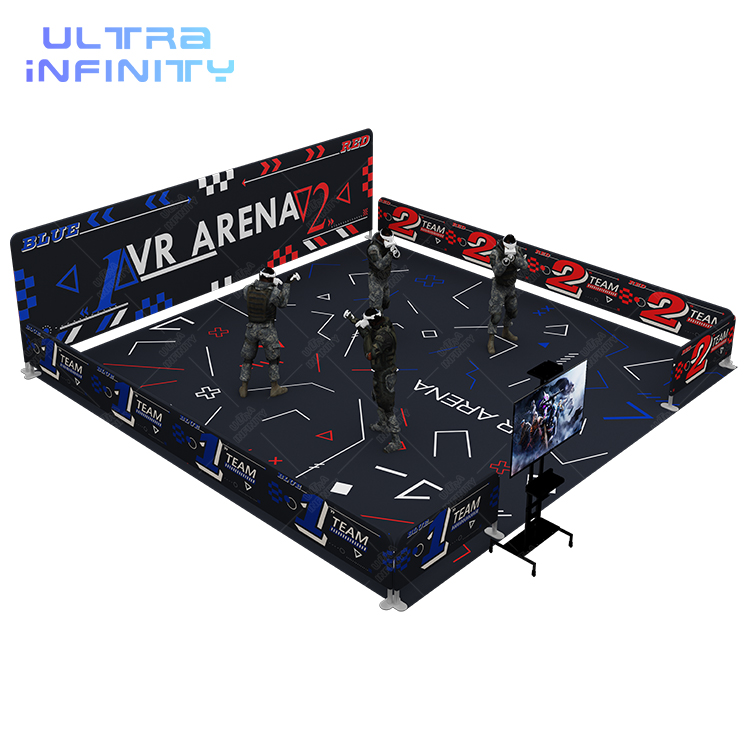
The active gaming park runs on movement: the guests run, dodge, jump and chase across the floor, and the movement is the reason the park is fun and the reason the park carries the trip risk. The public liability policy exists for the moment the guest falls: the slip on the floor edge, the trip over the cable or the stumble from the motion ride, and the claim that follows names the venue as the responsible party. The Free Roaming VR Arena 2.0 floor and the simulator zones are the high-motion areas where the incident risk concentrates.
The claim math makes the insurance non-negotiable: the minor trip claim settles in the thousands for the medical cost and the inconvenience, the serious incident with the fracture or the concussion moves into the tens of thousands and the contested claim with the lawyer adds the defense cost on top. The single incident can exceed the year of premiums, which is why the coverage is not the expense line the operator skips but the protection the operator buys before the first guest. The policy also covers the defense: the insurer pays the legal cost of fighting the claim even when the venue believes it is not at fault, and the defense cost alone is the reason the coverage is worth the premium.
| Claim Math | Typical Cost | Policy Role |
|---|---|---|
| Minor trip | Thousands, medical + inconvenience | Pays the settlement |
| Serious fall | Tens of thousands, fracture/concussion | Covers the larger claim |
| Contested claim | Defense cost added | Insurer pays the lawyer |
| Property damage | Equipment or building damage | Separate property cover |
| Lost day | Closure for investigation | Business interruption add-on |
The gaming park insurance builds in layers: the public liability policy covers the bodily injury to the guests and the third parties, the property coverage protects the equipment and the building contents, and the add-ons cover the gaps that the base policies leave. The public liability is the core: it responds to the guest trip claim, the injury on the attraction and the damage to the visitor property, and the limit is set to the level the venue risk demands and the lease requires.
The property layer covers what the park owns: the simulators, the interactive floors, the screens and the controllers are the business assets whose loss or damage stops the revenue, and the property coverage replaces them. The add-ons close the remaining gaps: the business interruption covers the lost income during the repair, the equipment breakdown covers the mechanical failure that the property policy excludes and the cyber coverage protects the cashless and the membership systems. The broker assembles the stack to the venue profile, because the bowling lane operator and the VR arena operator carry different risks and different premiums.
| Policy Stack | What It Covers | When It Pays |
|---|---|---|
| Public liability | Guest injury, third-party damage | Trip, fall, attraction incident |
| Property | Equipment, floor, contents | Fire, theft, water damage |
| Business interruption | Lost income during repair | After the covered loss |
| Equipment breakdown | Mechanical/electrical failure | Not caused by wear |
| Cyber | Cashless, membership systems | Data breach, fraud |
The mall lease makes the insurance a contract condition: the property manager requires the public liability policy with the named limits, the venue named as the additional insured and the certificate of insurance on file before the opening. The lease sets the numbers: the liability limit runs into the millions for the entertainment venue, the landlord is named on the policy so the landlord claim is covered and the certificate is renewed and submitted each policy year. The venue that treats the insurance as the lease paperwork avoids the hold on the opening and the breach notice later.
The certificate is the proof the landlord and the insurer both want: the certificate lists the policy number, the limits, the named insured and the additional insured, and it is issued by the insurer or the agent the same day it is requested. The lease may also require the waiver of subrogation, which keeps the insurer from suing the landlord after paying the claim, and the higher-risk venues add the requirement to review the coverage annually with the broker, because the limits that fit the opening year may not fit the grown park. The compliance stack is simple: the policy in force, the certificate on file and the annual review on the calendar.
| Lease Terms | Detail | Action |
|---|---|---|
| Liability limit | Set by lease, often $2M+ | Policy matches the number |
| Additional insured | Landlord named on policy | Endorsement on file |
| Certificate | Proof of coverage on file | Submit before opening |
| Waiver of subrogation | Insurer cannot sue landlord | Lease endorsement |
| Annual review | Limits fit the grown park | Broker meeting yearly |
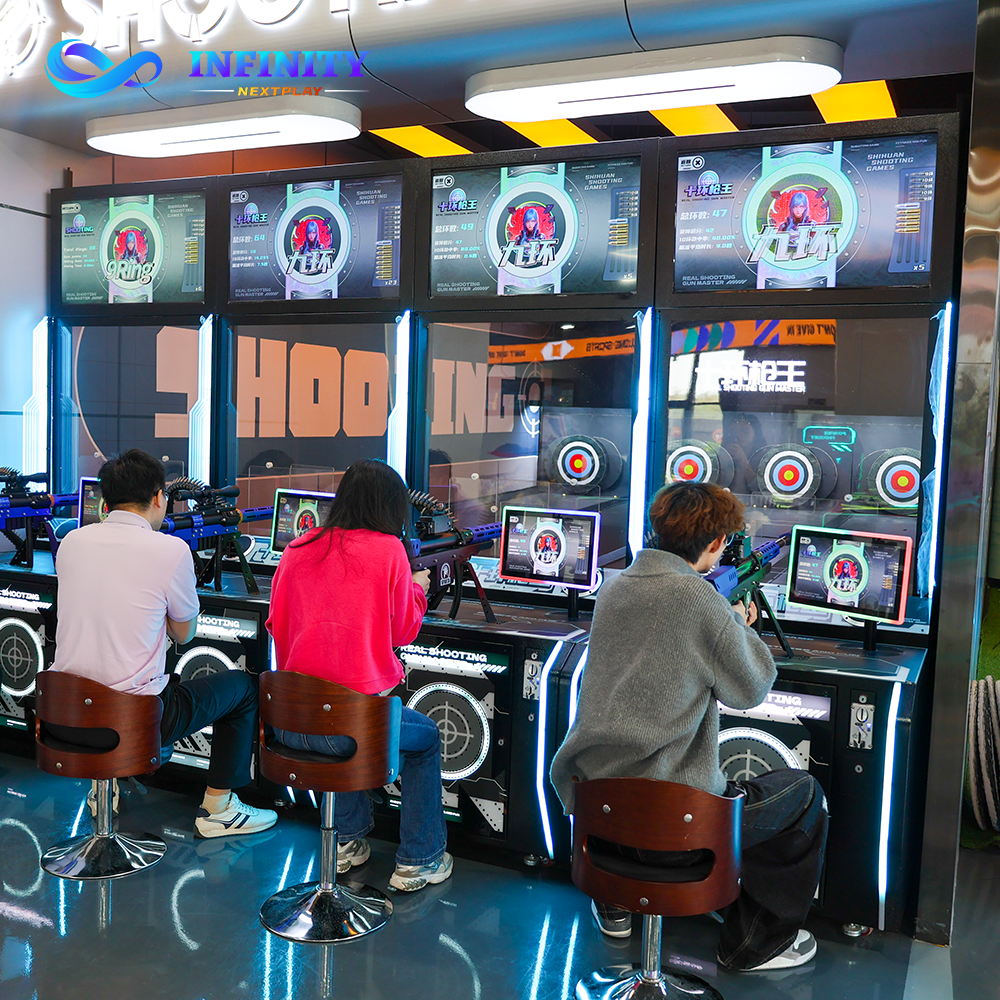
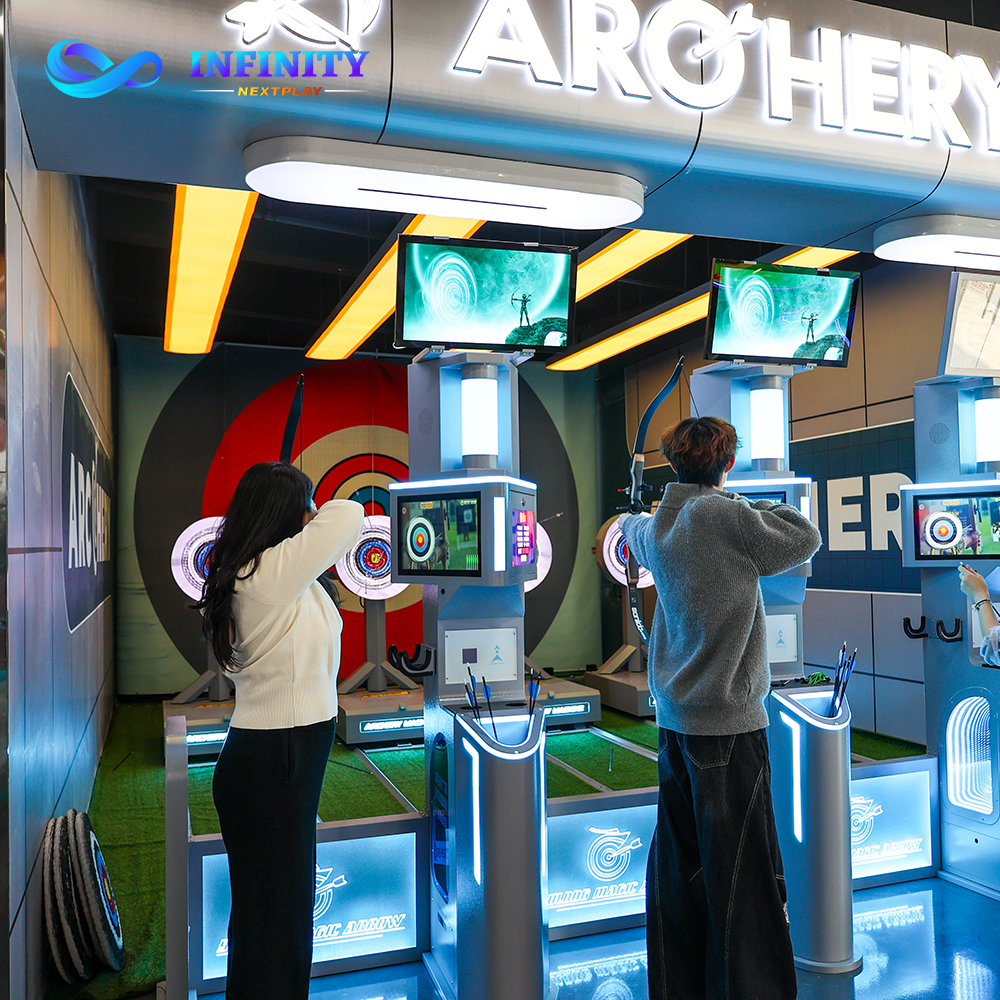
The insurance premium follows the claims: the park with the clean record pays the lower premium and the park with the repeated claims pays the rising one, so the claim prevention is the premium control. The prevention starts with the floor: the walkways stay clear, the cables are routed away from the traffic lines and the wet or the sticky spills are cleaned at the moment, because the trip claim is the most common and the most preventable. The Digital Scoring Shooting Simulator Q4 and the Digital Archery Simulator A4 zones keep the equipment clearances and the lane markings, so the player never steps into the unexpected.
The prevention continues with the staff and the records: the staff are trained to watch the floor, to help the guests on and off the motion equipment and to log the incidents and the near-misses, and the log is the evidence that the venue acted reasonably if the claim arrives. The signage does its part: the safety briefing at the entry, the warning on the motion rides and the posted rules for the running and the rough play, because the informed guest is the safer guest. The incident response is the last piece: the guest who falls gets the immediate help, the incident is documented within 48 hours and the report goes to the insurer, and the fast and the thorough report keeps the claim from escalating into the dispute.
| Prevention | Practice | Effect |
|---|---|---|
| Floor | Clear walks, cable routing, spill clean | Removes the trip causes |
| Equipment zones | Clearances + lane markings | No unexpected steps |
| Staff | Watch, assist, log incidents | Evidence of reasonable care |
| Signage | Briefing + ride warnings + rules | Informed, safer guests |
| Response | Help, document in 48 hrs, report | Keeps claims from escalating |
The core stack is the public liability policy for the guest injuries, the property coverage for the equipment and the add-ons for the business interruption, the equipment breakdown and the cyber. The mall lease sets the minimum liability limit and the additional insured naming, and the broker tailors the stack to the venue profile.
The mall lease usually sets the floor, often $1 to $2 million per occurrence for the entertainment venue, and the landlord may require more. The level is confirmed with the broker and the lease, and the limit should match the park size and the risk profile.
The trip and the slip incident is the most common: the guest falls over the floor edge, the cable or the spill and the venue is named in the claim. The floor management, the cable routing and the spill cleaning are the prevention that keeps this claim from happening.
The property coverage protects the simulators, the interactive floors and the contents against the fire, the theft and the water damage, and the equipment breakdown add-on covers the mechanical failure that the property policy excludes. The equipment list is declared to the insurer for the correct valuation.
The lease typically requires the public liability policy with the named limits, the landlord named as the additional insured, the certificate of insurance on file and sometimes the waiver of subrogation. The certificate is submitted before the opening and renewed each policy year.
The claims drive the premium, so the prevention is the control: the clear floors, the supervised equipment, the trained staff, the safety signage and the fast incident documentation. The clean claims record earns the lower premium at each renewal.
The active gaming park insurance is the protection the venue cannot skip: the public liability covers the guest trip claim that the movement-based park will eventually face, the property and the add-ons protect the equipment and the income, the lease requirements keep the mall relationship clean and the claim prevention keeps the premiums and the incidents low. The park with the policy in force runs the fun without the fear.
The Free Roaming VR Arena 2.0 concentrates the high-motion risk, the Digital Scoring Shooting Simulator Q4 and the Digital Archery Simulator A4 add the supervised zones, and the whole floor follows the claim prevention plan. The next step is the checklist: ask NextPlay for the insurance coverage map, the claim prevention plan and the documentation pack for your gaming park.
Ask NextPlay for the insurance checklist: the coverage map, the claim prevention plan and the documentation pack for the Free Roaming VR Arena 2.0, the Digital Scoring Shooting Simulator Q4 and the Digital Archery Simulator A4.