In the rapidly evolving landscape of modern retail and commercial real estate, large-scale Family Entertainment Centers (FECs), suburban mall anchors, and multi-generational active recreation hubs are seeking ways to secure steady foot traffic and maximize spatial yield. Traditional department store closures and declining commercial retail values have left major asset developers with massive spatial vacancies. To revitalize these large-format environments, leading developers are turning to the "Multi-Generational Competitive Socializing" model—a framework that blends traditional anchor attractions with automated, low-labor, and high-margin virtual reality modules. This comprehensive B2B commercial analysis details the planning, hardware engineering, and ROI metrics of a flagship 800m² suburban mall anchor zone in Chicago, Illinois. By deploying a meticulously coordinated fleet of NextPlay's highest-throughput attraction systems—specifically the Standard 10-Pin Bowling Alley (ID 3), the Commercial 2-Lane String Bowling Equipment (ID 13), and the Kids Robo VR Game Simulator (ID 28)—the developer successfully transformed their floorplan into a high-margin passive cashflow engine, achieving a remarkable monthly net passive yield of $64,000 and boosting overall landlord lease values by 42%.
In the rapidly evolving landscape of modern retail and commercial real estate, large-scale Family Entertainment Centers (FECs), suburban mall anchors, and multi-generational active recreation hubs are seeking ways to secure steady foot traffic and maximize spatial yield. Traditional department store closures and declining commercial retail values have left major asset developers with massive spatial vacancies. To revitalize these large-format environments, leading developers are turning to the "Multi-Generational Competitive Socializing" model—a framework that blends traditional anchor attractions with automated, low-labor, and high-margin virtual reality modules. This comprehensive B2B commercial analysis details the planning, hardware engineering, and ROI metrics of a flagship 800m² suburban mall anchor zone in Chicago, Illinois. By deploying a meticulously coordinated fleet of NextPlay's highest-throughput attraction systems—specifically the Standard 10-Pin Bowling Alley (ID 3), the Commercial 2-Lane String Bowling Equipment (ID 13), and the Kids Robo VR Game Simulator (ID 28)—the developer successfully transformed their floorplan into a high-margin passive cashflow engine, achieving a remarkable monthly net passive yield of $64,000 and boosting overall landlord lease values by 42%.
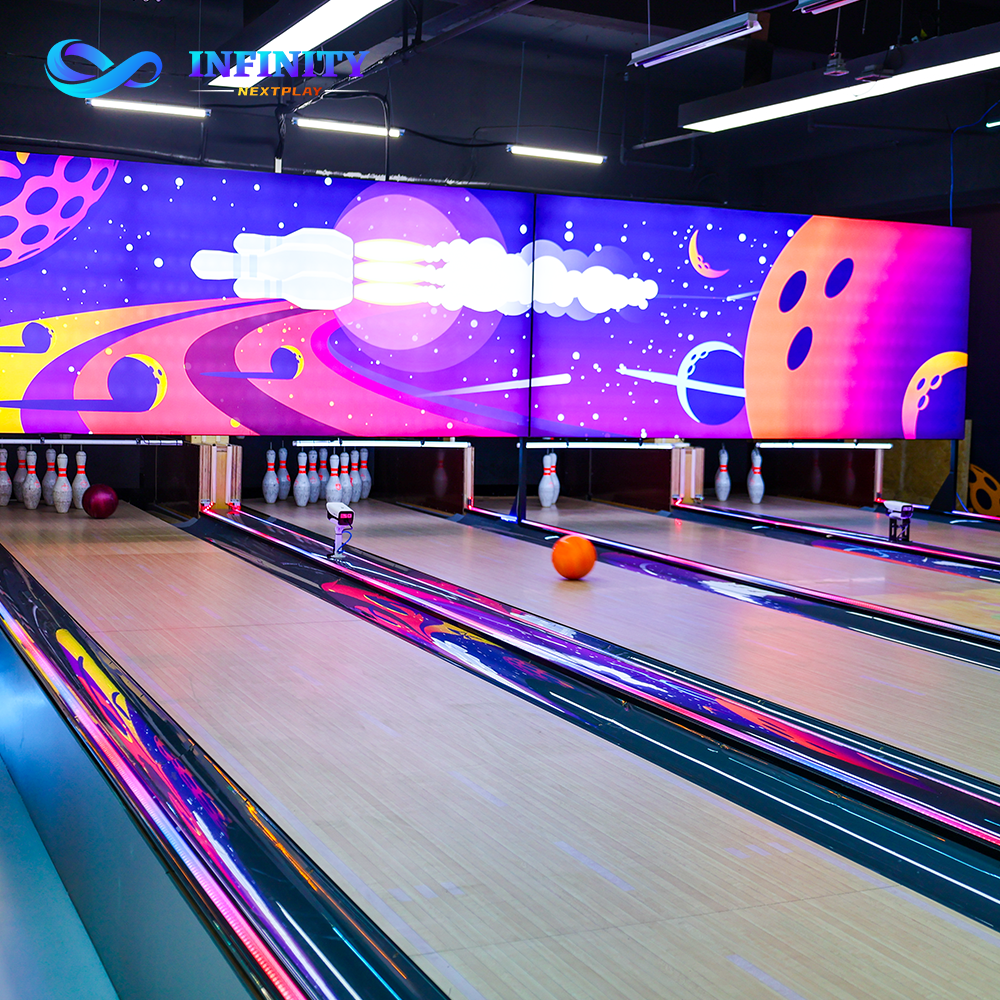
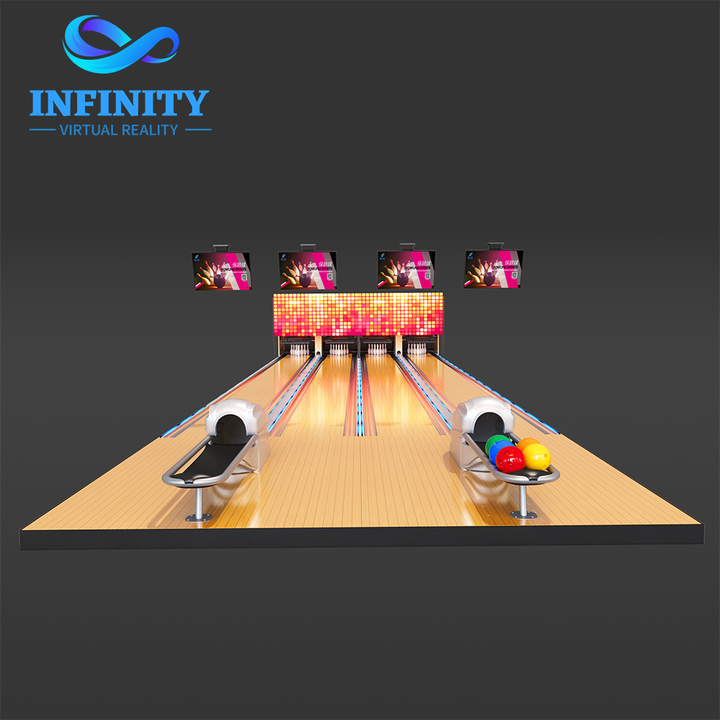
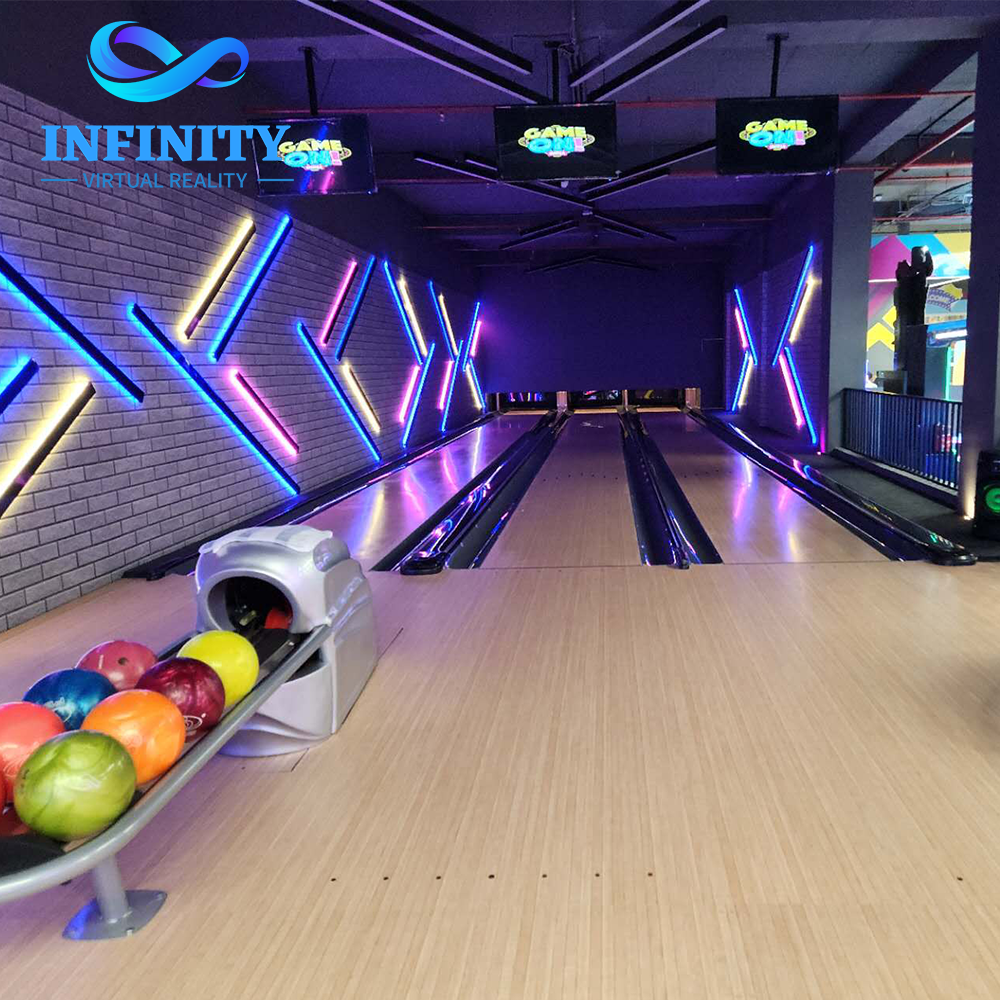
The foundational competitive anchor of the Chicago venue is the Standard 10-Pin Bowling Alley. Unlike modular, low-throughput amusements, standard 10-pin bowling represents a timeless, multi-generational anchor that commands sustained repeat play from leagues, corporate parties, and families. However, traditional bowling installations often suffer from astronomical capital costs, high maintenance pinsetter failures, and massive structural requirements. NextPlay re-engineers this classic asset by combining professional, international-standard 26m synthetic lanes with advanced, low-maintenance mechanical assemblies. Built upon a specialized 36mm+ premium OSB (oriented strand board) sub-flooring structure—which vastly exceeds the industry-standard 25mm sub-bases—the lanes maintain a perfectly level, moisture-proof profile designed to withstand heavy ball impacts and resist deformation over a 10+ year commercial lifecycle.
From an engineering standpoint, the Standard 10-Pin Alley integrates NextPlay's flagship accelerated ball return system, which slashes waiting times by over 50% compared to standard setups (delivering balls back in 7-8s vs the traditional 15-20s). This high-efficiency performance dramatically increases lane turnover during peak weekend hours, allowing operators to squeeze extra game sessions out of their schedules. The lanes are surfaced with professional-grade high-density phenolic synthetic panels, featuring specialized friction control matrices that replicate the authentic slide of professional competitive play. Illuminated by programmable under-lane LED matrix arrays and synchronized to the central scoring database, the lanes transform traditional bowling into a visually majestic, high-energy spectator event that commands premium booking rates.
Complementing the large-scale lanes is the Commercial 2-Lane String Bowling Equipment turnkey project solution. Traditional steel-plate pinsetters utilize complex arrays of distributor arms, sweeping rods, and sorting gears, requiring continuous manual maintenance and a dedicated technical engineer on-site. NextPlay's String Bowling Pinsetters solve this commercial overhead by replacing traditional mechanical sorting with a highly elegant nylon string-pulley system. High-tensile, anti-tangling nylon strings are bound directly to the pins and managed by overhead brushless electric winch arrays. When a pin is knocked down, optical sensors instantly detect the fall and the electric winch retrieves the pin in a smooth, sub-3 second cycle, reducing pinsetter downtime to virtually zero.
By deploying the String Bowling system, the venue achieves a remarkable 90% reduction in mechanical maintenance costs and completely eliminates the need for an on-site technician. The system operates autonomously via cashless card swipes and QR-code mobile payments, allowing guests to rent lanes, set player names, and select game modes without any manual staff involvement. This hands-off operation ensures that the bowling zone operates as a high-margin passive revenue engine, delivering reliable, high-volume group cashflows during both weekday corporate events and busy weekend family periods.
To capture the highly lucrative young family demographic and provide a safe, engaging, and educational experience for children, the venue integrated three units of the Kids Robo VR Game Simulator. Traditional virtual reality setups are designed for teens and adults, featuring heavy headsets, complex controllers, and high-intensity game titles that can cause motion sickness or eye fatigue in younger children. The Kids Robo VR solves this market gap by re-engineering VR technology specifically around the ergonomic, optical, and physical characteristics of early-years players.
The cabinet features an iconic, double-sided cartoon robot design highlighted with soft neon LED accents, serving as an immediate visual draw for families. The simulator is equipped with highly customized, lightweight VR headsets designed with low-blue-light protective optical lenses that prevent eye strain and motion lag. Each unit is integrated with dual-handled interactive control joysticks, allowing kids to engage with educational games, adventure rides, and multiplayer challenge modes without complex menu navigation. Operating entirely on a self-service cashless basis, kids simply scan their RFID member cards, pull down their headsets, and play autonomously under a safe, enclosed physical safety frame.
From a commercial perspective, the Kids Robo VR simulator functions as an exceptional profit-per-square-meter multiplier. Occupying less than 1.5m² of physical floor space, each unit generates highly predictable passive revenue streams during morning and afternoon hours when adult simulators are typically idle. The pre-loaded game library features a balanced blend of entertainment and interactive education, ensuring exceptionally high repeat-play volumes. This highly automated, child-safe setup allows mall operators to convert empty corridor space or low-traffic corners into highly profitable family destinations with virtually zero labor overhead.
To further multiply the Chicago venue's earning capacity and create a truly diverse competitive socializing landscape, the developer integrated three complementary high-throughput systems: the Duckpin Bowling System (ID 2), the VR Starship U2 Cinema Chair (ID 19), and the Online Electronic Dart Machine X7 (ID 9). Having multiple layers of play styles and price points is critical to maximizing guest capture rate. While standard bowling lanes cater to large pre-booked corporate parties, the Duckpin Bowling System provides a highly space-saving, casual alternative that easily fits into hospitality corridors and sports bar zones, boosting spontaneous play and high-margin walk-in bookings.
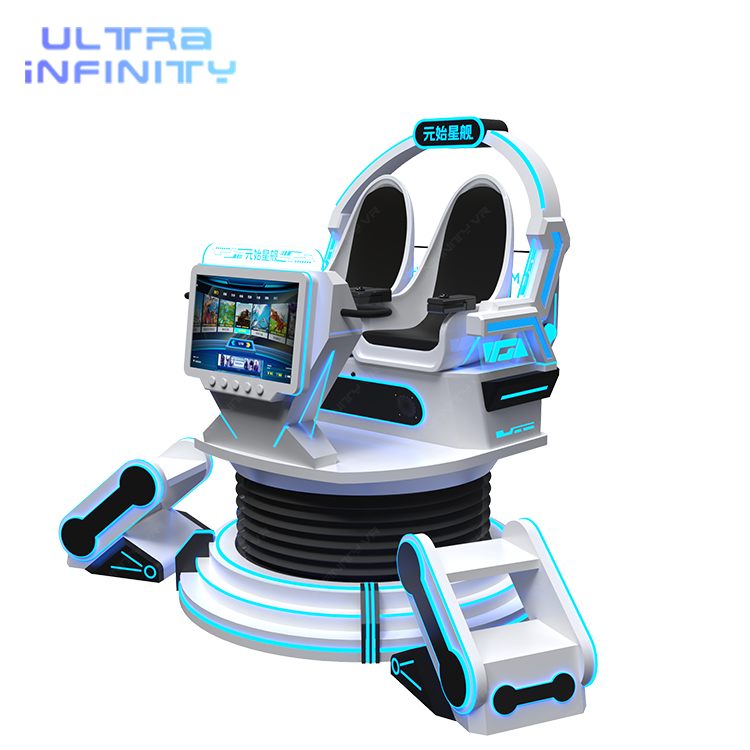
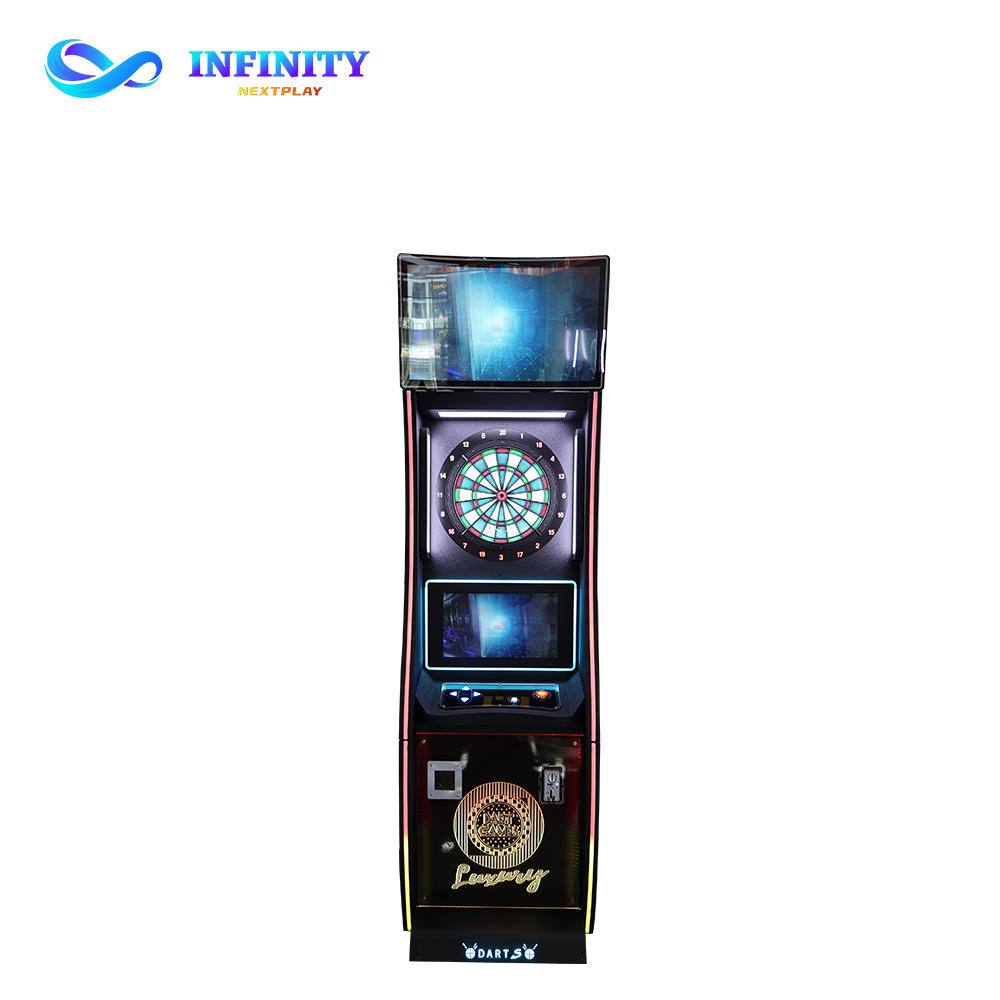
The VR Starship U2 represents the high-gensation motion core, featuring a dual-seat 6DOF electric motion platform equipped with specialized leg sweep matrices, active wind blowers, and over 60+ pre-loaded high-definition commercial gaming titles. This simulator acts as a massive visual anchor that draws spectator crowds and drives high-ticket B2B sales. Finally, the Online Electronic Dart Machine X7 completes the social-throwing core, supporting global 1VS1 online matchmaking via integrated cameras and displaying real-time leaderboards on dual-screen LCD displays, ensuring a steady stream of digital-play transactions during weekday happy hours.
Maximizing the ROI of an 800m² mall anchor zone requires more than just installing high-performance equipment; it demands the meticulous, strategic orchestration of physical customer movement and visual triggers, a methodology NextPlay defines as the "Spatial Synergy Matrix." In a premium competitive socializing venue, high-gensation simulators, spectator hospitality core points, and high-margin food and beverage (F&B) service stations must not operate as isolated nodes. Instead, they must be layered to create a fluid, high-energy environment where play and spectator consumption feed into one another.
The Spatial Synergy Matrix layout divides the 800m² floorplan into three highly optimized, synergistic commercial zones: Zone A (The Raw Energy Base, occupying 350m²), Zone B (The Marksmanship & VR Zone, occupying 200m²), and Zone C (The Hospitality Core, occupying 250m²). Zone A features the Standard 10-Pin and String Bowling lanes as the main physical anchors of the venue, flanked by spectator high-top drink counters and circular leather dining booths. Zone B houses the Kids Robo VR simulators, the VR Starship U2, and the X7 Dart machines, creating a highly futuristic, visually striking digital playground.
Zone C comprises the central circular bar, a high-output kitchen, and VIP dining areas that wrap directly around the bowling lanes and VR zones. Because guests seated in Zone C maintain direct line-of-sight to the glowing neon lanes of the bowling alley and the moving platforms of the VR Starship, they are constantly exposed to the venue's social excitement. This visual integration has been proven to extend overall customer dwell times to an average of 2.6 hours, driving up high-margin food and beverage sales by 35% and converting passive diners into active cashless players, thereby maximizing the venue's total space yield.
| Play Segment / Asset | Hourly Rate / Fee | Daily Sessions (Avg) | Monthly Passive Revenue | Direct Operating Margin |
|---|---|---|---|---|
| Standard 10-Pin Bowling | $35 / Hour / Lane | 42 Sessions | $26,460 | >92% |
| Commercial String Bowling (2-Lane) | $30 / Hour / Lane | 36 Sessions | $19,440 | >90% |
| Kids Robo VR Simulator (3 Units) | $8 / Session | 48 Sessions | $11,520 | >95% |
| Auxiliary VR & Dart Stations | $10 / Session | 28 Sessions | $6,580 | >90% |
| Total Combined Passive Yield | - | - | $64,000 | 92.5% |
As detailed, the collective play-driven revenue reaches **$64,000** per month. Because these high-end attractions run autonomously without physical resetting mechanisms or dedicated staff oversight, the operating overhead is kept extremely low (exceeding 92% margins). This lean labor structure guarantees an exceptional net profit margin, enabling the developer to fully amortize their initial hardware investment in less than 8 months of active operation, while simultaneously boosting average dining sales by 35%.
Launching a premium, low-staff competitive socializing zone requires meticulous technical coordination and precise structural alignment. NextPlay provides a comprehensive, 100% turnkey implementation process, guiding operators through seven critical technical phases to ensure a flawless grand opening:
Discover the answers to the most common technical and operational inquiries regarding NextPlay's automated competitive socializing and bowling equipment:
Q1: What makes the 36mm+ OSB sub-flooring superior to standard industry bases?
NextPlay's Standard 10-Pin Bowling lanes are built upon an industrial-grade 36mm+ premium OSB sub-base. Traditional lanes utilize 25mm OSB or basic particle boards, which are highly susceptible to moisture absorption, swelling, and warping over time under heavy ball impacts. Our 36mm+ sub-flooring is manufactured using advanced moisture-proof resins and cross-oriented wood strands, providing an exceptionally rigid, level, and dampening base that preserves lane leveling and guarantees a 10+ year deformation-free lifespan.
Q2: How does the String Bowling system reduce maintenance labor and operating costs?
Traditional free-fall pinsetters have over 1,500 moving mechanical parts, requiring frequent manual resets, belt replacements, and a full-time certified technician on-site. NextPlay's String Bowling system utilizes a highly elegant nylon string-pulley loop managed by overhead brushless winch arrays with only 3 moving parts per winch. If a pin is knocked down, the winches retrieve it in under 3 seconds, reducing mechanical failures by 95% and lowering total labor costs to zero.
Q3: Is the Kids Robo VR simulator safe for early-years players with developing vision?
Yes, safety is the absolute cornerstone of our child-focused simulators. The Kids Robo VR headsets feature specialized low-blue-light protective optical lenses that filter out harmful blue rays and prevent eye fatigue. The VR game software runs at an ultra-low latency response rate with 90Hz refresh panels, eliminating the sensory lag that causes motion sickness. All structural cabinets are made of non-toxic, eco-friendly ABS plastics with soft rounded corners.
Q4: Can we manage lane bookings, food orders, and game modes on a single cashless system?
Absolutely. All NextPlay competitive socializing simulators are built upon an open, API-driven software architecture. The central control unit of each simulator communicates directly with your local server via standard TCP/IP protocols. This allows our systems to seamlessly bind to major international POS platforms (such as Lightspeed, Clover, or Toast), enabling guests to buy game credits on their smartphone, charge play sessions to their restaurant bill, or tap their member cards directly on the cabinets.
Q5: What is the typical B2B warranty coverage for NextPlay's precision sports simulators?
All NextPlay simulators and bowling systems are backed by our comprehensive 12-month B2B hardware warranty, covering all mechanical actuators, brushless motors, control boards, and structural steel frames. We also provide lifetime online software updates and 24/7 priority remote diagnostic support. In the event of a technical issue, our engineering team can connect directly to your cabinet's control interface via the secure cloud portal to diagnose and calibrate sensors instantly.
Ready to redefine your warehouse, lounge, or family entertainment center? Let our turnkey design team create a custom floorplan tailored to your space size, location, and guest demographics.