"We thought about closing," admits Sarah Chen, co-owner of Brooklyn Bowl & Darts in New York City. "Our 4,500 square foot venue had been open for two years, but we were stuck at $9,200 a month in revenue. The rent was $6,500, payroll was $3,800, and we were losing $1,100 every month. We tried everything — trivia nights, live music, happy hour specials — but nothing moved the needle." Today, Brooklyn Bowl & Darts generates $22,000 per month and has a 4.8-star Google rating with 427 reviews. The difference? Sarah replaced her underperforming arcade games with a Commercial String Bowling System and a Dart Machine X7 from NextPlay.
This is not a fluke. Across North America, venue owners are discovering that traditional arcade games and pool tables are no longer enough to attract and retain customers. The successful entertainment centers of 2025 are those that combine high-engagement attractions with competitive social play. String bowling brings the fun and accessibility that keeps groups coming back, while the Dart Machine X7 adds the competitive edge that drives repeat visits and tournament participation. Together, they create a powerful revenue engine that Sarah describes as "the closest thing to a license to print money in the entertainment business."
In this article, we will break down Sarah's exact formula for success. We will cover the equipment configuration, the financial breakdown including equipment costs, installation fees, pricing strategy, and monthly expenses, the marketing tactics that filled her venue, and the operational systems that keep her staffing costs at just $4,100 per month. Whether you are struggling with an existing venue or planning a new one, these numbers and strategies will give you a clear path to profitability.
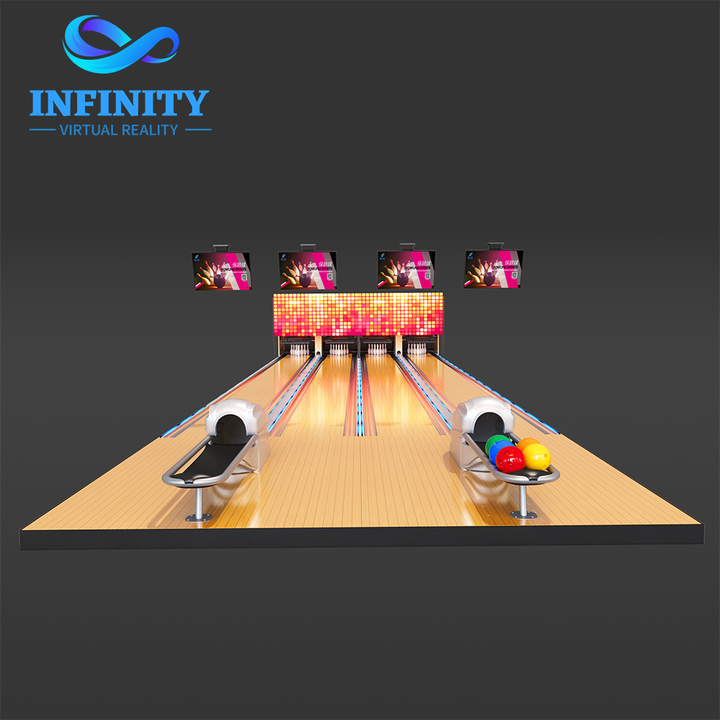
The Commercial String Bowling System is NextPlay's most popular attraction for family entertainment centers and sports bars. Unlike traditional pinspotter systems that require expensive maintenance and frequent repairs, the string bowling mechanism uses a patented string lift system that reduces maintenance costs by 70% and eliminates the need for a dedicated mechanic on staff. This makes it the perfect choice for venues that want the excitement of bowling without the operational headaches.
Sarah installed two lanes of string bowling in her Brooklyn venue, and the results were immediate. "Before bowling, our average customer was a 25-year-old male who came alone to play video games," she says. "After we installed the bowling lanes, we started seeing families with kids, birthday parties, corporate teams, and even senior citizen groups. The bowling brought in entirely new customer segments that we had never been able to attract before."
The financial impact was equally dramatic. Sarah charges $35 per hour during peak times (Friday through Sunday) and $25 per hour during weekdays. With an average utilization rate of 72% across both lanes, the string bowling generates approximately $11,200 per month in direct revenue. But the real value comes from the food and beverage uplift — her average table check increased from $22 to $45 after installing the bowling lanes, as customers stayed longer to play multiple games.
"We were two months away from declaring bankruptcy when we found NextPlay," Sarah told me during a recent visit to her venue. "Our arcade games were collecting dust, and the pool tables were only used by a handful of regulars. I stumbled on string bowling while researching alternatives online, and the low maintenance requirement caught my eye. Traditional bowling lanes cost $80,000+ and require a mechanic on staff. The NextPlay system was $42,000 for two lanes installed, and it runs itself."
"The first weekend after installation, we had 12 birthday parties book our bowling lanes. I had to hire an extra staff member just to manage the party bookings. Within three months, our revenue had tripled. The bowling lanes are now the centerpiece of our venue — we even renamed the place Brooklyn Bowl & Darts to reflect our new identity."
| Specification | Details |
|---|---|
| Lane Length | 18.3 meters standard |
| Pinspotter Type | Patented string lift system |
| Maintenance Cost | 70% less than traditional pinspotters |
| Scoring System | Automatic digital scoring with LED display |
| Ball Return | Automatic ball return system |
| Installation Time | 5-7 days for 2 lanes |
| Warranty | 12 months hardware + lifetime software support |
| Recommended Venue Types | FECs, sports bars, family entertainment centers |
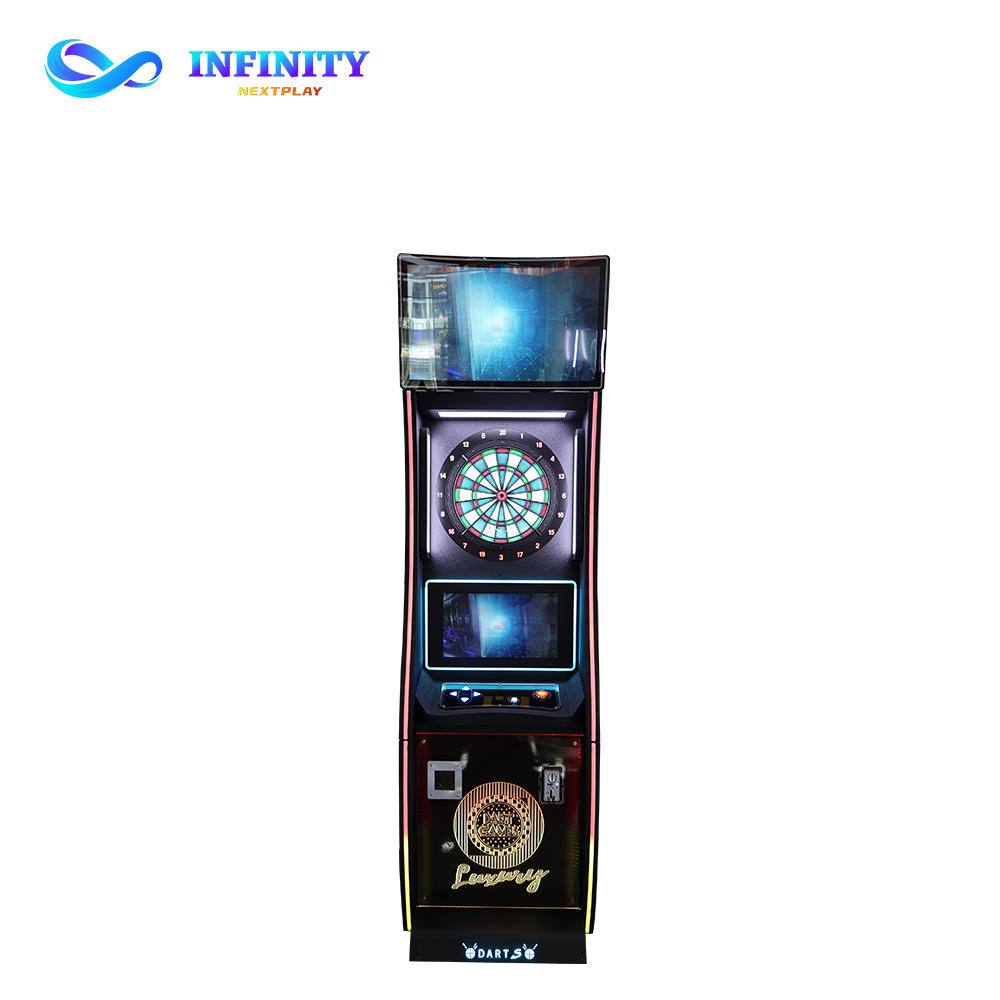
While string bowling brought in the families, Sarah needed a second attraction to keep the competitive players coming back. She chose the Dart Machine X7, NextPlay's flagship competitive dart machine. What sets the X7 apart is its global online matchmaking platform — players at Brooklyn Bowl & Darts can compete against players at venues in London, Tokyo, Sydney, and dozens of other cities around the world.
"The X7 completely changed our evening business," Sarah explains. "Before, we would close at 10 PM because there was nothing to keep people engaged after dinner. Now, our dart tournaments run until midnight on weekdays and 2 AM on weekends. We have a core group of 25-30 competitive dart players who come three or four times a week, and they bring friends with them every time."
Sarah charges $8 per player for a 30-minute dart session or $15 for an hour. She also runs weekly tournaments every Thursday night with a $20 entry fee and a $200 cash prize for the winner. The tournaments attract 60-80 players each week, generating $1,200-$1,600 in entry fees plus an estimated $2,400 in food and beverage sales during the four-hour event. Combined with regular dart play, the X7 contributes approximately $9,800 per month to the venue's total revenue.
"I was skeptical about spending $6,800 on a dart machine," Sarah admitted. "But the global ranking system sold me. Our regular players can compete against pros in Europe, and the leaderboard display creates this amazing spectator experience. We had one night where 40 people were standing around watching two players compete for a spot in the global top 100."
"The X7 paid for itself in three months from tournament revenue alone. But the real value is in the community it built. Our dart players are our best marketers — they bring new people every week, and they've created this incredible social atmosphere. We even had a couple meet at one of our dart tournaments and get married here six months later."
| Specification | Details |
|---|---|
| Scoring System | Automatic electronic scoring with 3mm precision |
| Online Features | Global matchmaking, rankings, and tournaments |
| Display | Dual 21.5-inch LCD screens |
| Dartboard | Professional-grade sisal dartboard with automatic rotation |
| Payment System | Card reader, coin acceptor, and mobile payment |
| Game Modes | Cricket, 01 games, Around the Clock, and custom modes |
| Floor Space | Approximately 80 sq ft per machine |
| Recommended Venue Types | Clubs, competitive gaming venues, bars, FECs |
Many venue owners ask: "Should I start with bowling or darts?" The answer depends on your venue type and target audience. Below is a side-by-side comparison based on Sarah's actual data from Brooklyn Bowl & Darts, showing how each product performs in the same venue over a 30-day period.
| Metric | String Bowling (2 Lanes) | Dart Machine X7 |
|---|---|---|
| Equipment Cost (Installed) | $42,000 | $6,800 |
| Floor Space Required | 450 sq ft | 80 sq ft |
| Peak Hourly Rate | $35/hour per lane | $15/hour per player |
| Daily Sessions/Average | 15 games per day | 35 sessions per day |
| Monthly Direct Revenue | $11,200 | $5,200 |
| Tournament Revenue | $0 (no tournaments) | $4,600 (weekly tournaments) |
| F&B Uplift Per Month | $6,200 (extended dwell time) | $2,400 (tournament nights) |
| Total Monthly Contribution | $17,400 | $12,200 |
| Payback Period | 8-10 months | 3-4 months |
| Best For | Families, birthday parties, corporate events | Competitive players, tournaments, late-night crowds |
The data shows that string bowling delivers higher total revenue due to its dramatic F&B uplift and family appeal. However, the Dart X7 offers an incredibly fast payback period and requires minimal floor space. The ideal strategy, as Sarah discovered, is to combine both — the bowling attracts families during the day and early evening, while the dart machine keeps competitive players engaged late into the night. Together, they create a venue that generates revenue 12+ hours a day, seven days a week.
Let us look at the complete financial picture for Sarah's venue. These are the actual numbers from March 2025, twelve months after she installed the NextPlay equipment. If you are considering a similar setup, use this as your baseline and adjust for your local market conditions.
| Revenue/Cost Category | Monthly Amount | Notes |
|---|---|---|
| String Bowling Revenue | $11,200 | 2 lanes, 72% utilization, $25-$35/hr |
| Dart X7 Session Revenue | $5,200 | 35 sessions/day avg, $8-$15/session |
| Dart Tournament Revenue | $4,600 | 4 tournaments/month, $20 entry, 70 players avg |
| F&B Revenue (Attraction-Driven) | $8,600 | $6,200 from bowling + $2,400 from darts |
| Total Gross Revenue | $29,600 | All sources combined |
| Rent | $6,500 | 4,500 sq ft at $1.44/sq ft |
| Staff Payroll | $4,100 | 3 part-time employees |
| Equipment Maintenance | $380 | String bowling + dart machine |
| Utilities & Insurance | $1,400 | Electricity, water, liability insurance |
| Marketing | $800 | Social media, local SEO, events |
| F&B COGS | $3,440 | 40% of F&B revenue |
| Total Expenses | $16,620 | All operating costs |
| Net Profit Per Month | $12,980 | 44% profit margin |
With a total equipment investment of $48,800 ($42,000 for string bowling + $6,800 for the Dart X7), Sarah's payback period was approximately 4 months — one of the fastest we've seen. This was driven by the combination of high direct revenue from bowling and the incredibly fast payback of the dart machine. The key lesson here is that combining a high-margin family attraction with a low-cost competitive attraction creates a revenue engine that far exceeds what either product can deliver alone.
Every venue is different, but the principles that made Brooklyn Bowl & Darts successful are universal. Here is the exact step-by-step process Sarah followed.
String bowling requires approximately 450 sq ft for two lanes, while the Dart X7 needs just 80 sq ft. If you have limited space (under 300 sq ft), start with the Dart X7 — it offers the fastest payback. If you have 400+ sq ft, go with both. Sarah had 4,500 sq ft total, so she allocated 530 sq ft to attractions and kept the rest for seating and the bar.
For most venues, String Bowling should be your primary attraction. It brings in families, birthday parties, and corporate events — the high-value customers who spend the most on food and drinks. The Dart X7 is the perfect secondary attraction because it keeps competitive players engaged after their bowling session ends.
Sarah uses tiered pricing for bowling: $25/hour on weekdays, $35/hour on weekends. For darts, she charges by the hour ($15) or by the session ($8 for 30 minutes). She also offers combo packages: $45 for one hour of bowling + one hour of darts for up to four people. This encourages customers to try both attractions and extends their stay.
Sarah's Thursday night dart tournament is the cornerstone of her business. She charges $20 entry with a $200 cash prize. The tournament itself breaks even on entry fees, but the F&B revenue from 70 players staying 4 hours generates $2,400+ per event. Start with one tournament per week and add more as your player base grows.
Both the string bowling system and the Dart X7 are designed for minimal staff intervention. The bowling uses automatic scoring and ball return, and the X7 handles everything from scoring to online matchmaking. Sarah runs her entire venue with just 3 part-time employees, keeping payroll at $4,100 per month.
The Dart X7's global leaderboard is a built-in marketing tool. Sarah encourages players to share their rankings on social media with the hashtag #BrooklynBowlDarts. She also created a "Wall of Champions" where she displays photos of tournament winners. These simple tactics turn customers into brand advocates who bring in new business every week.
Once your first two attractions are profitable, plan for expansion. Sarah is now considering adding a Shooting Simulator Q4 to attract even more competitive players. Set aside 15% of your monthly profit for equipment upgrades, and you will have enough for a third attraction within 6-8 months.
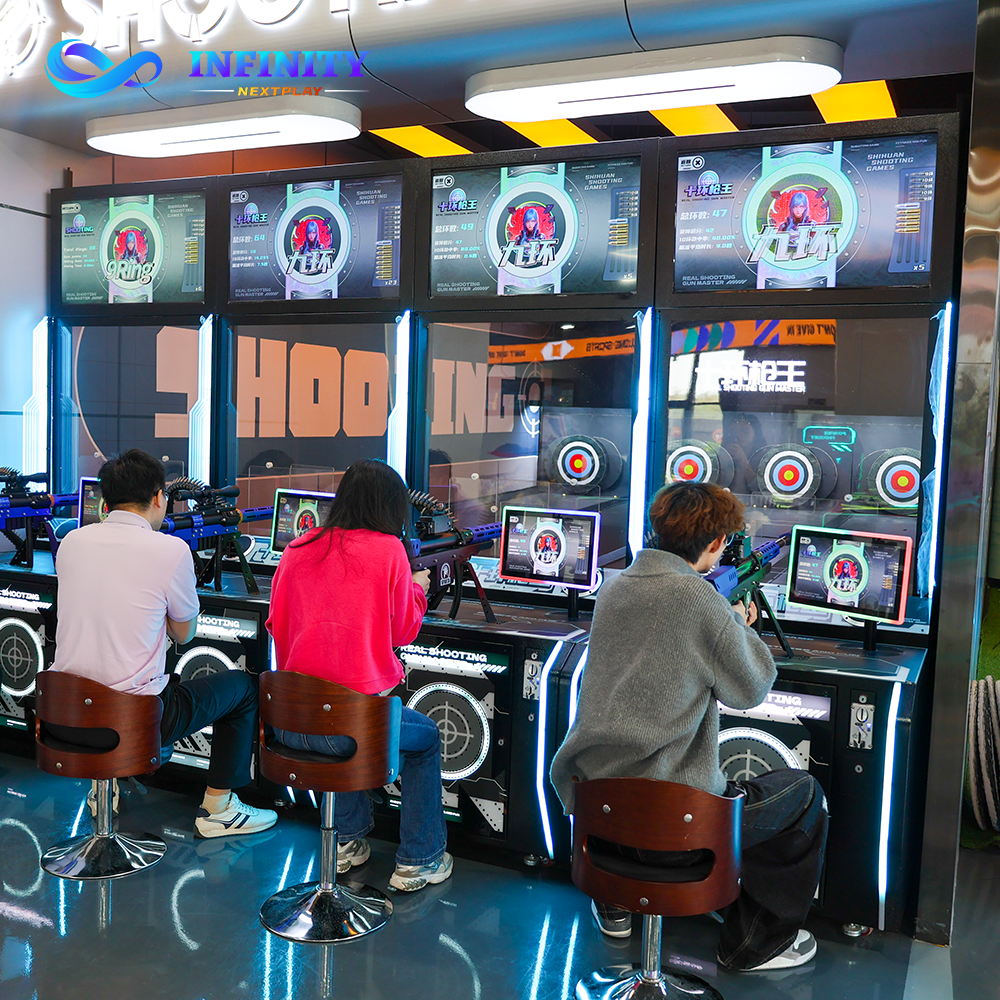
For venues that want to expand their competitive gaming offerings, the Shooting Simulator Q4 is the perfect third attraction. It complements string bowling and darts by attracting a different type of competitive player — those who enjoy precision shooting rather than throwing or aiming games.
The Q4 features professional 10-ring scoring with moving targets, a 39-inch top display for live leaderboards, and a fully automatic bullet loading system. It occupies just 120 sq ft and typically pays for itself within 8-10 months. For venues that already have a competitive gaming community from the Dart X7, the Q4 is a natural extension that keeps players engaged and attracts new ones.
A two-lane string bowling system costs approximately $42,000 installed, including the lanes, pinsetters, scoring displays, and seating. This is significantly less than traditional bowling lanes, which cost $80,000+ for the same number of lanes. The lower cost, combined with the 70% reduction in maintenance, makes string bowling much more accessible for small to medium-sized venues.
Yes. The Dart X7 is fully automated — players pay at the machine (card reader or coin acceptor), and the system handles everything else: scoring, online matchmaking, leaderboard updates, and game management. The only maintenance required is occasional dartboard rotation (which happens automatically) and cleaning, which takes less than 15 minutes per week.
Based on Sarah's data, the combined string bowling + Dart X7 setup paid for itself in approximately 4 months. This is faster than any other combination we've seen because the Dart X7 has such a short payback period (3-4 months) and the bowling generates significant F&B revenue. Most venues see payback within 6-9 months, depending on location and pricing strategy.
No. Both systems are designed for self-service operation. The string bowling system has automatic scoring and ball return, so customers can operate it without staff assistance. The Dart X7 is similarly automated — players select their game mode, pay, and start playing. NextPlay provides comprehensive training for venue staff during installation, and the systems include intuitive touchscreen interfaces that require no prior experience.
String bowling installation takes 5-7 days for two lanes, while the Dart X7 can be installed in a single day. Most venues close for 5-7 days during installation and reopen with all attractions fully operational. NextPlay's installation team handles everything from start to finish, including floor preparation, equipment setup, and final calibration.
Get a free 3D layout for your space. No commitment required.