The 9D game library is the retention engine of the motion zone, and the refresh cadence decides whether the riders come back. The ride experience is the content: the 9D ride plays the game library and the rider pays for the experience, so the game is the product the seat sells; the content is the product. The repeat rider is the revenue: the motion zone depends on the repeat visitors, the repeat rider needs the new experience to come back and the same library with the same titles decays the repeat demand, so the refresh is the retention cycle; the library is the repeat engine. The decay is the warning: the rider who has played every title in the library has no reason to return, the repeat-play rate falls as the library ages and the falling rate shows in the ticket counts, so the refresh timing is the counter to the decay; the decay is the refresh trigger. The refresh is the balance: the frequent refresh keeps the library fresh but adds the license cost and the management load, while the rare refresh saves the cost but loses the repeat riders, so the cadence is the balance between the freshness and the cost; the cadence is the financial balance.
The refresh also feeds the marketing: the new title becomes the reason to promote, the promoted title pulls the lapsed riders back and the refresh calendar becomes the content marketing calendar, so the library refresh is both the retention engine and the marketing calendar.
| Refresh Reading | Element | Role |
|---|---|---|
| Game library | The ride product | What the seat sells |
| Repeat rider | The revenue base | Needs new content |
| Content decay | Repeat-play falls with age | Refresh trigger |
| Refresh cadence | Freshness vs license cost | Financial balance |
The content half-life measures how long a title keeps pulling the riders, and the half-life comes from the play volume, the novelty and the audience. The play volume is the first driver: the title that the riders play heavily reaches the saturation faster, the frequent visitor plays through the library in the weeks and the title loses the pull after the saturation, so the play volume sets the refresh need; the volume is the decay accelerator. The novelty is the second driver: the new title pulls the riders by the promise of the unseen, the novelty fades as the riders finish the content and the fade is faster for the short titles than the long campaigns, so the novelty sets the freshness window; the novelty is the pull. The audience is the third driver: the casual riders replay the familiar titles happily while the enthusiast riders exhaust the library quickly, the enthusiast base demands the faster refresh and the casual base tolerates the longer cycle, so the audience mix sets the cadence; the audience is the pace setter. The practical half-life is the result: the hero title holds the pull for the 1 to 2 months at the typical zone volume, the standard title for the 2 to 3 months and the filler title for the 3 to 6 months, so the refresh cycles the library on the staggered schedule that matches each title tier; the half-life is the scheduling rule.
| Content Half-Life | Tier | Window |
|---|---|---|
| Hero title | 1-2 months | Highest play volume |
| Standard title | 2-3 months | Mid play volume |
| Filler title | 3-6 months | Casual repeat |
| Full library | 3-6 months | Complete rotation |
The repeat-play decay is the warning sign that the refresh timing reads, and the decay shows in the ticket data before it hits the revenue. The decay curve is the first tool: the new title launches at the peak repeat rate, the rate falls through the weeks as the riders finish the content and the curve drops the 20 to 30 percent by the end of the half-life, so the curve predicts the refresh need before the revenue drop; the curve is the early warning. The metric is the second tool: the repeat-play rate, the plays per unique rider and the return interval are the three numbers, the rate below the baseline means the library is aging and the interval stretching means the riders are spacing out, so the metrics pinpoint which titles are dying; the metric is the diagnostic. The attribution is the third tool: the zone attributes the play count to the title and the date, the data shows which titles carry the volume and which sit idle, and the idle titles occupy the library slots that the fresh titles could fill, so the attribution targets the refresh at the dead titles; the attribution is the targeting. The revenue link is the fourth tool: the decayed library drops the repeat tickets, the drop compounds across the zone and the refresh that arrives before the drop protects the revenue, so the read is the timing that keeps the revenue flat; the revenue link is the business case.
The read cadence is the weekly or the monthly check: the weekly check catches the fast-decaying hero titles and the monthly check plans the rotation, and the venue that reads the curve on the schedule refreshes before the drop instead of after.
| Decay Reading | Tool | Reads |
|---|---|---|
| Decay curve | Repeat rate over weeks | Early warning |
| Play metrics | Rate, plays per rider, interval | Which titles die |
| Title attribution | Play count by title and date | Where to target |
| Revenue link | Repeat tickets vs library age | Business case |
The rotation schedule turns the half-life and the decay into the calendar, and the schedule covers the hero, the standard and the filler slots. The hero slot refreshes the monthly: the hero title runs the 1 to 2 month window at the peak volume, the monthly refresh swaps the hero before the decay and the fresh hero keeps the repeat riders coming, so the hero slot is the fast lane of the library; the hero is the monthly slot. The standard slot refreshes the quarterly: the standard title runs the 2 to 3 month window at the mid volume, the quarterly rotation cycles the standards and the quarterly rhythm balances the freshness and the license cost, so the standard slot is the mid lane; the standard is the quarterly slot. The filler slot refreshes the half-yearly: the filler title runs the 3 to 6 months for the casual repeat, the half-yearly rotation swaps the fillers and the slow lane keeps the library cost down, so the filler slot is the slow lane; the filler is the half-yearly slot. The rotation rule is the overlap: the venue swaps the titles on the staggered months so the library never loses all the fresh content at once, the overlap keeps the display fresh and the rotation calendar is published to the staff and the riders; the overlap is the smoothness rule.
| Rotation Schedule | Slot | Cadence |
|---|---|---|
| Hero title | Monthly | Peak volume |
| Standard title | Quarterly | Mid volume |
| Filler title | Half-yearly | Casual repeat |
| Overlap rule | Staggered months | Never empty |
The license budget is the cost side of the refresh, and the budget comes from the license fees, the amortization and the revenue share. The license fee is the first number: the 9D game licenses charge the per-title fee or the subscription, the hero titles carry the premium fees and the filler titles the low fees, so the fee structure sets the refresh cost per slot; the fee is the unit cost. The amortization is the second number: the license cost spreads across the plays the title delivers, the hero title at the high volume amortizes the premium fee over the thousands of plays and the filler at the low volume carries the cost per play higher, so the amortization ranks the titles by the cost efficiency; the amortization is the value filter. The budget share is the third number: the total license budget runs the 8 to 12 percent of the zone revenue, the share covers the monthly hero swaps and the quarterly standards and the share is the ceiling that the refresh plan must fit, so the budget share sets the refresh volume; the share is the ceiling. The trade-off is the fourth number: the venue with the tight budget prioritizes the hero slots and extends the filler cycle, the venue with the healthy margin runs the full rotation and the trade-off is the freshness level the budget buys, so the budget math is the refresh policy; the trade-off is the policy choice.
| License Budget | Element | Number |
|---|---|---|
| License fee | Per-title or subscription | Unit cost |
| Amortization | Cost over plays delivered | Value filter |
| Budget share | 8-12% of zone revenue | Refresh ceiling |
| Trade-off | Hero-first vs full rotation | Policy choice |
The staggered schedule: the hero titles refresh monthly, the standard titles quarterly and the filler titles half-yearly, with the full library rotating every 3-6 months. The cadence follows the play volume, the novelty and the audience mix.
The decay curve is the read: the repeat-play rate falls the 20-30 percent through the half-life, the plays per unique rider drop and the return interval stretches, and the title below the baseline is ready for the swap.
The license budget runs the 8-12 percent of the zone revenue: the hero titles carry the premium fees amortized over the high play volume, the fillers the low fees and the share is the ceiling the rotation plan fits.
No: the staggered overlap keeps the display fresh without losing all the content at once. The venue swaps the titles on the different months so the library always carries some fresh content, and the rotation calendar is published to the staff and the riders.
No: the casual riders replay the familiar titles happily, and the enthusiast base drives the fast refresh. The venue with the enthusiast base runs the monthly hero swaps while the casual venue extends the cycle to the quarterly and the half-yearly.
The new title is the marketing hook: the refresh calendar becomes the content marketing calendar, the promoted title pulls the lapsed riders back and the launch events around the new title lift the weekend traffic.
The 9D game library refresh is the retention cycle of the motion zone: the content half-life sets the freshness window, the repeat-play decay reads the drop before it hits the revenue, the rotation schedule turns the timing into the calendar and the license budget keeps the freshness affordable. The venue that refreshes on the schedule keeps the repeat riders coming, and the venue that reads the decay keeps the revenue flat.
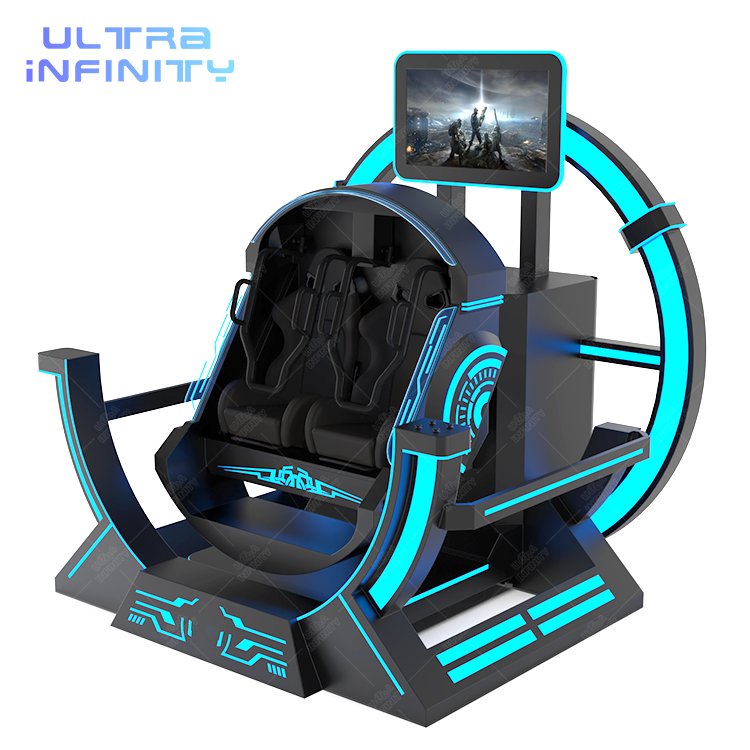
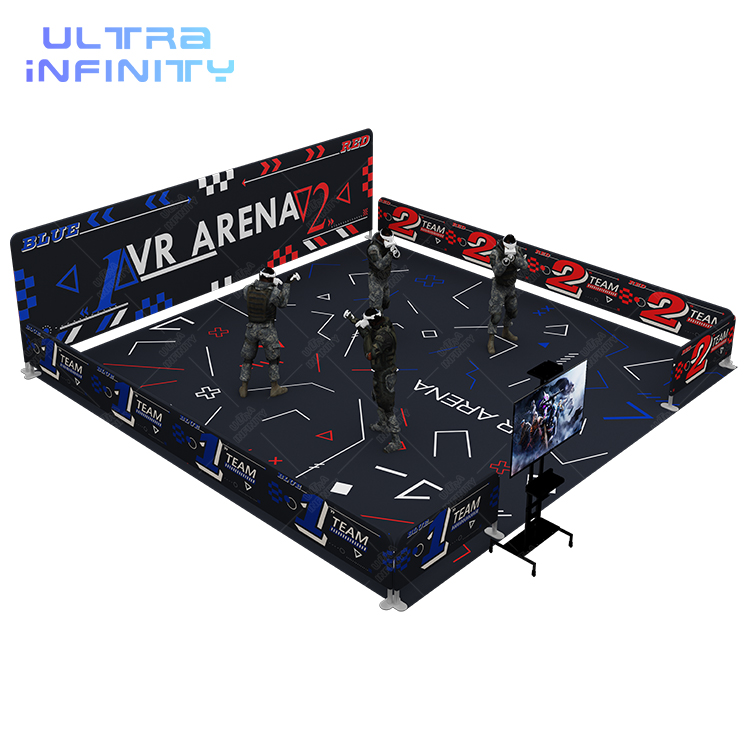
The 9D VR 4-Seat Cinema Chair is the volume slot, the 360 Rotating VR Chair is the impulse slot and the Free Roaming VR Arena 2.0 is the group slot. The next step is the rotation kit: ask NextPlay for the refresh schedule, the repeat-play model and the license budget plan for your 9D zone.
Ask NextPlay for the content rotation kit: the refresh schedule, the repeat-play model and the license budget plan for the 9D VR 4-Seat Cinema Chair, the 360 Rotating VR Chair and the Free Roaming VR Arena 2.0.